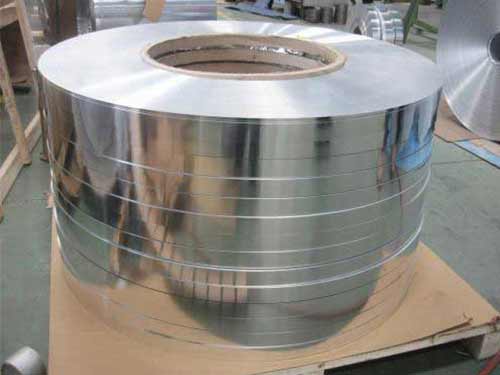
Auto Double Aluminum Strip Packaging for Capsule and Tablet
Auto double aluminum strip packaging is a pharmaceutical packaging material designed for high-speed capsule and tablet strip lines. It uses aluminum-based webs on both sides of the product, creating a heat-sealed pocket that protects each dose from moisture, oxygen, light, odor transfer, and external contamination.
This packaging format is widely selected for moisture-sensitive medicines, nutritional supplements, herbal tablets, soft capsules, and unit-dose healthcare products. Compared with conventional plastic-based packs, double aluminum strip packaging delivers a substantially stronger barrier while offering excellent printability, controlled heat sealing, and reliable machine running performance.
Product Characteristics
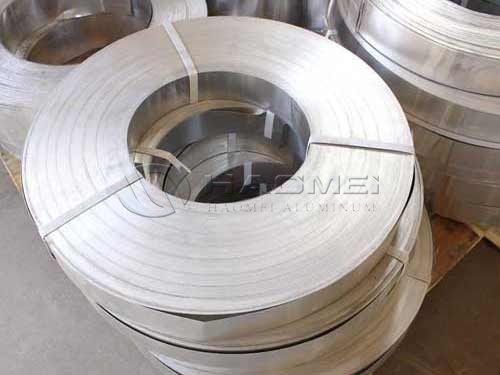
The material normally consists of pharmaceutical aluminum foil combined with a heat-seal coating. During automated packaging, two foil webs are brought together around the capsule or tablet. Heat and pressure activate the seal layer, forming separate, secure cavities and a continuous perimeter seal.
| Performance Feature | Product Value |
|---|---|
| Full light barrier | Protects light-sensitive formulations from degradation during storage and distribution |
| High moisture resistance | Helps maintain tablet hardness, capsule shell stability, and active ingredient performance |
| Oxygen barrier | Reduces oxidation risk for vitamins, botanical extracts, oils, and sensitive APIs |
| Heat-seal consistency | Supports stable sealing windows on automatic strip packaging equipment |
| Mechanical strength | Resists tearing, pinholes, and web breaks during converting and packing |
| Clean surface quality | Suitable for pharmaceutical contact applications when produced under controlled conditions |
| Printing adaptability | Supports batch coding, dosage information, branding, instructions, and traceability marks |
| Easy-dose dispensing | Individual strips can be cut or torn into convenient unit doses |
Double aluminum packaging has no transparent window, which is often an advantage where maximum protection is more important than product visibility. The opaque foil structure provides dependable shielding throughout transport, warehouse storage, pharmacy handling, and patient use.
Material Structure and Working Principle
A typical auto double aluminum strip package uses two aluminum foil layers with heat-sealable coatings facing inward. The sealant can be selected according to the medicine type, packaging speed, sealing jaw design, and required peel or tear behavior.
| Layer | Typical Function | Common Requirement |
|---|---|---|
| Outer aluminum foil | Mechanical support, print carrier, light and gas barrier | Smooth surface, controlled thickness, good tensile behavior |
| Primer or print treatment | Improves ink adhesion and graphic definition | Resistant to rubbing and processing temperatures |
| Heat-seal lacquer | Bonds opposing foil surfaces under heat and pressure | Stable seal strength with low odor and low extractables |
| Inner aluminum foil | Product-side barrier and sealing substrate | Clean, pinhole-controlled, uniform coating acceptance |
The final sealing result depends on the balance between coating weight, sealing temperature, dwell time, jaw pressure, line speed, and product shape. For this reason, strip foil should be matched to the operating conditions of the customer's packaging machine rather than selected by foil thickness alone.
Typical Technical Specifications
Technical values can be adjusted to suit capsule diameter, tablet profile, machinery format, and pharmaceutical packaging regulations.
| Parameter | Typical Range or Option | Notes |
|---|---|---|
| Aluminum alloy | 8011, 1235, 8079 | 8011 is commonly used for pharmaceutical foil applications |
| Temper | O, H18, H19, or specified temper | Selected for forming behavior and machine tension control |
| Foil thickness | 0.020-0.040 mm | Common pharmaceutical strip foil range |
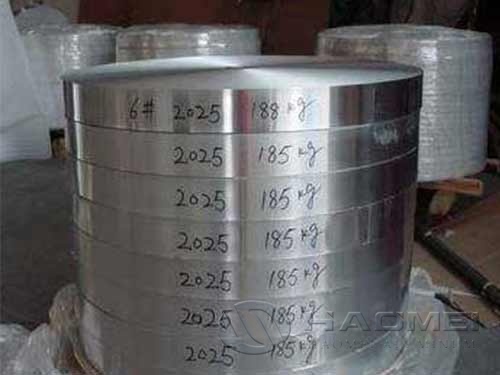
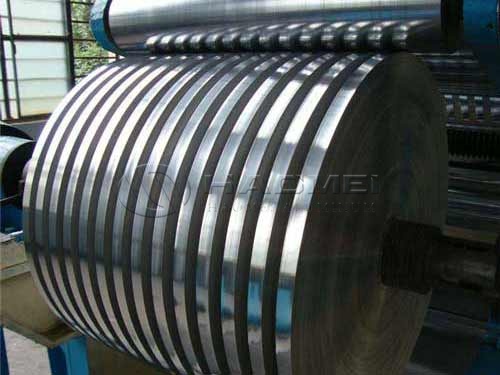
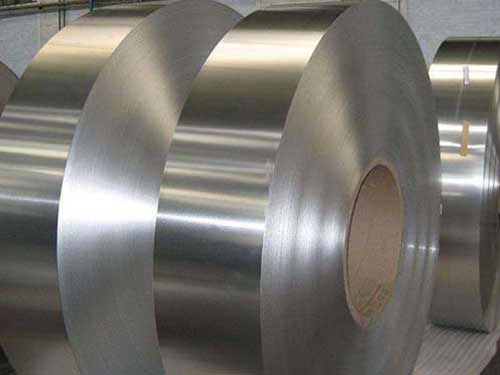
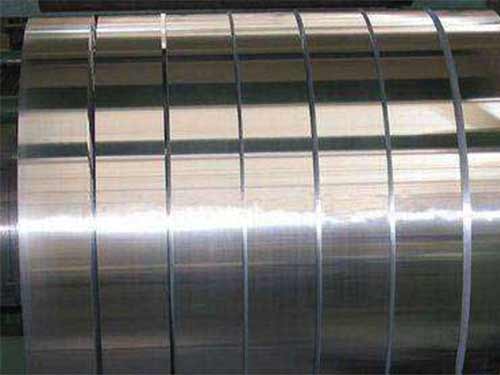
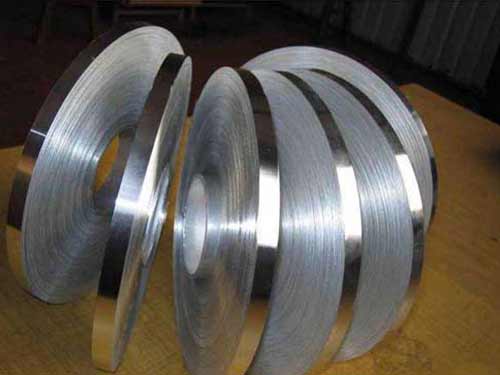
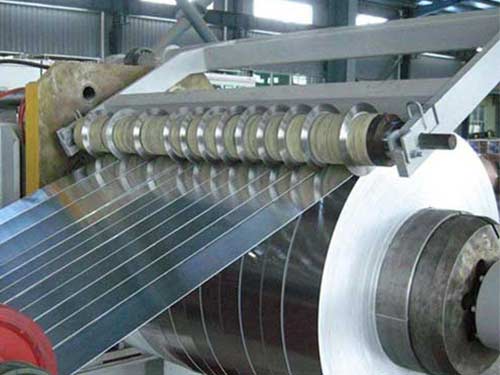
| Strip width | 30-500 mm | Slit to machine and pocket layout requirements |
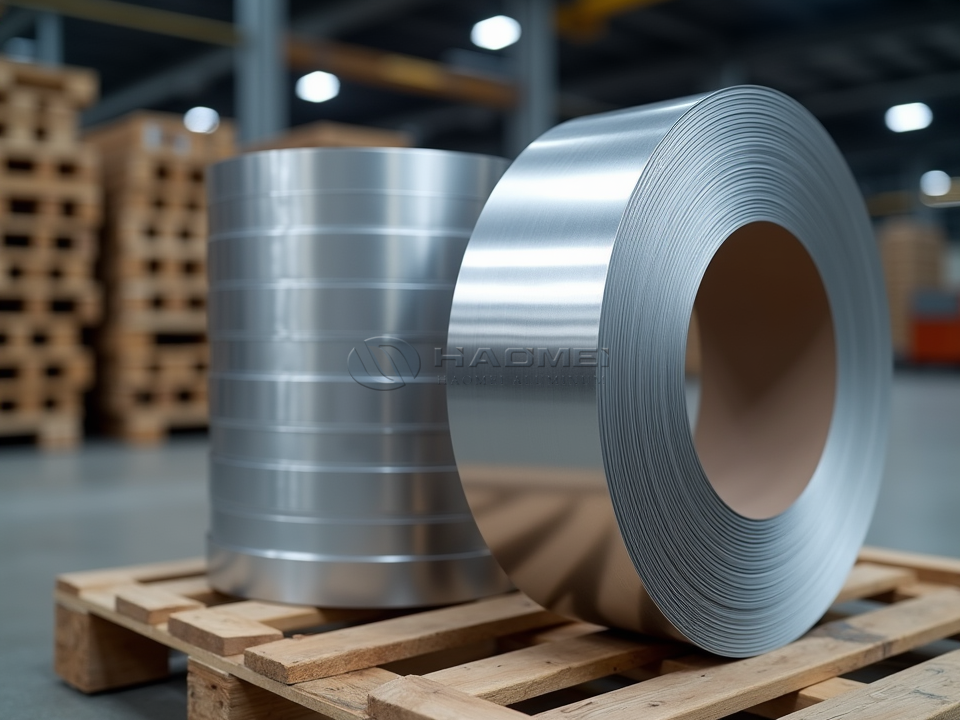
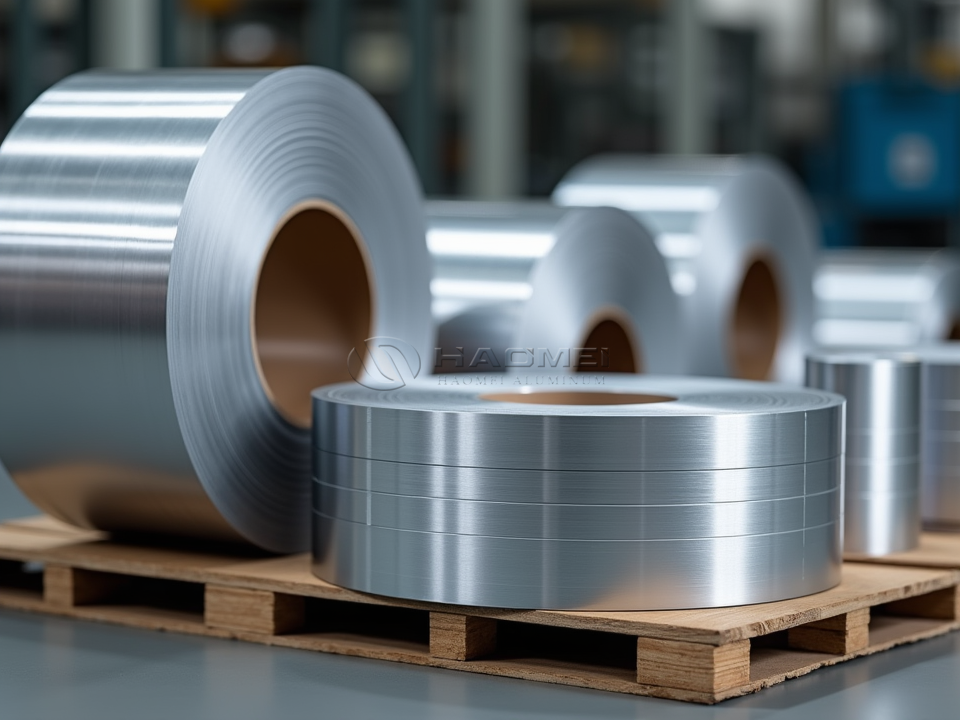
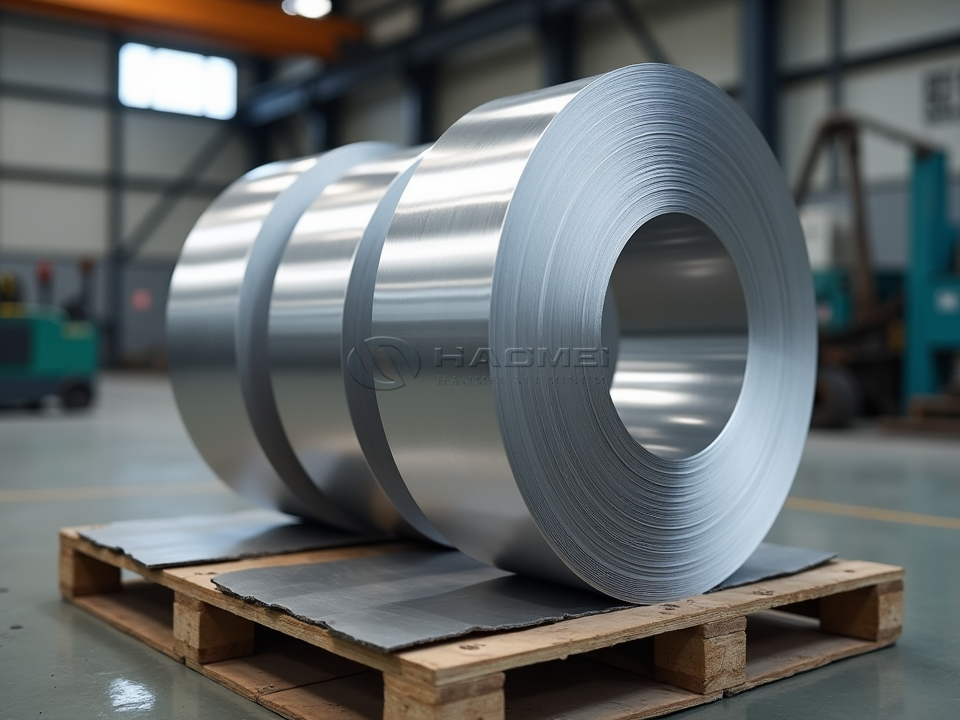
| Coil inner diameter | 76 mm or 152 mm | Other core sizes available by agreement |
| Coil outer diameter | Up to 800 mm | Depends on foil gauge and equipment loading capacity |
| Surface condition | Mill finish, one side bright, coated, printed | Determined by final package design |
| Heat-seal temperature | Approximately 130-220°C | Depends on lacquer formulation and line conditions |
| Seal strength | Customized to pack requirement | Verified through laboratory and production trials |
| Pinholes | Controlled according to foil gauge and applicable standards | Important for barrier integrity |
For projects requiring a stable pharmaceutical foil substrate, 8011 Aluminum Strip is frequently chosen because of its favorable balance of formability, strength, surface quality, and conversion reliability.
Chemical Composition of Typical 8011 Aluminum Strip
The following composition represents commonly used limits for 8011 alloy. Actual mill certificates should govern final purchasing requirements.
| Element | Typical Content, % |
|---|---|
| Silicon, Si | 0.50-0.90 |
| Iron, Fe | 0.60-1.00 |
| Copper, Cu | 0.10 max |
| Manganese, Mn | 0.20 max |
| Magnesium, Mg | 0.05 max |
| Zinc, Zn | 0.10 max |
| Titanium, Ti | 0.08 max |
| Aluminum, Al | Balance |
The controlled silicon and iron content helps provide the strength and rolling performance required for thin-gauge packaging foil. Clean metallurgy and careful rolling control are especially important because even small defects can affect coating continuity, pinhole performance, web flatness, or high-speed machine behavior.
Mechanical and Physical Performance
| Property | Typical Performance | Packaging Benefit |
|---|---|---|
| Tensile strength | Varies by temper and thickness | Maintains web stability during unwinding and sealing |
| Elongation | Optimized for selected temper | Reduces risk of cracking during processing |
| Surface tension | Suitable for coating and printing | Supports uniform lacquer and ink adhesion |
| Flatness | Controlled camber and low waviness | Helps maintain accurate web tracking |
| Pinhole resistance | High for specified gauge | Supports barrier protection of each dose |
| Water vapor barrier | Essentially impermeable aluminum layer | Protects hygroscopic capsules and tablets |
| Light transmission | Zero | Prevents UV and visible-light exposure |
Applications in Pharmaceutical and Healthcare Packaging
Auto double aluminum strip packaging is suitable for products that need individual-dose protection and a compact pack format. It is commonly used in regulated pharmaceutical environments as well as consumer health packaging lines.
| Application | Packaging Purpose |
|---|---|
| Hard gelatin capsules | Protects shell integrity and active ingredients from humidity |
| Tablets and coated tablets | Provides clean unit-dose separation and strong environmental protection |
| Effervescent or hygroscopic tablets | Helps minimize moisture exposure before use |
| Vitamin and mineral supplements | Reduces oxidation and light-related quality loss |
| Herbal medicines | Protects aroma, color, and active botanical components |
| Veterinary medicines | Provides durable dose packs for field distribution |
| Clinical trial samples | Supports coded, controlled, single-dose presentation |
For wider material selection across strength, corrosion resistance, and conversion needs, customers can also evaluate Alloy Aluminum Strip grades for related packaging and industrial foil projects.
Production and Quality Control Considerations
Reliable strip packaging begins with stable aluminum strip production. The foil should have uniform gauge, clean edges, tightly controlled slit width, appropriate coil winding tension, and minimal telescoping. Surface cleanliness is equally important because rolling oil residue, dust, scratches, or uneven oxide film can interfere with heat-seal lacquer adhesion.
Quality inspection commonly includes thickness measurement, width tolerance verification, visual surface inspection, pinhole testing, tensile testing, coating weight checks, seal-strength testing, and trial runs on packaging equipment. For printed material, color registration, ink adhesion, abrasion resistance, and code readability should also be evaluated.
Customer Benefits
Auto double aluminum strip packaging helps manufacturers protect product quality while improving packaging efficiency. The material offers a strong barrier in a thin, compact structure, reducing the need for bulky secondary protection in many applications. Individual cavities improve dose control, simplify distribution, and make products easier for consumers to carry.
Its compatibility with automatic strip packaging lines also supports consistent output and reduced packaging interruptions when coil geometry, seal coating, and mechanical properties are properly aligned. With tailored foil thickness, width, temper, coating, and printing, this packaging solution can be engineered for both premium pharmaceutical products and high-volume tablet or capsule production.
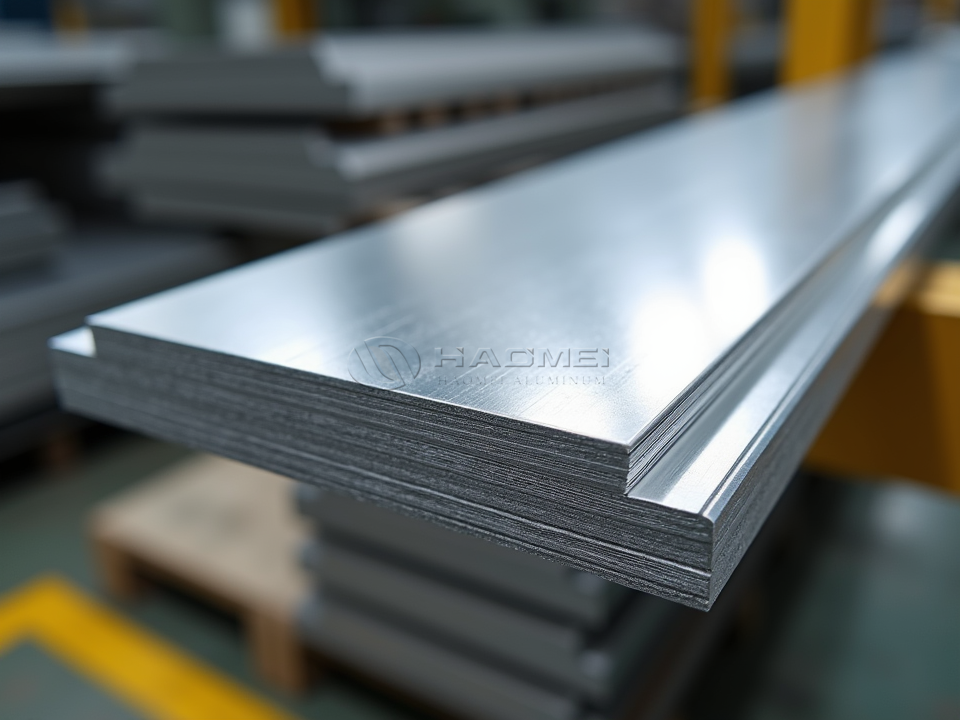
Auto double aluminum strip packaging combines the barrier strength of aluminum with practical machine performance, making it a dependable choice where medicine safety, shelf-life protection, and efficient unit-dose packaging are essential.