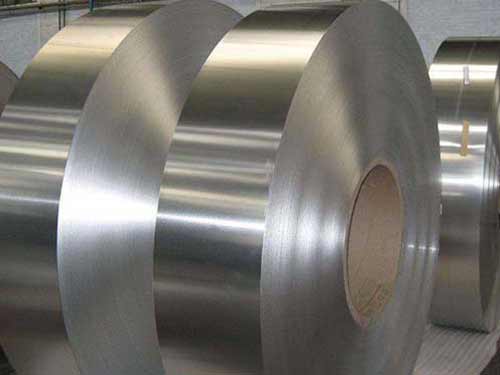
1060 Aluminum Strip Transformer Winding
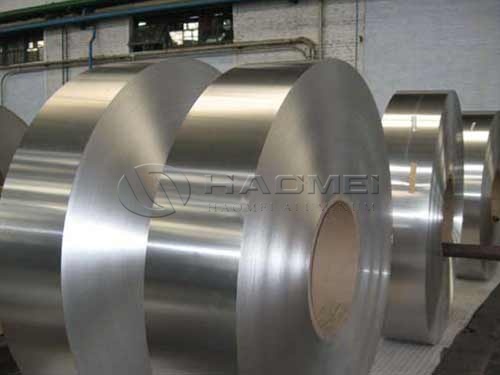
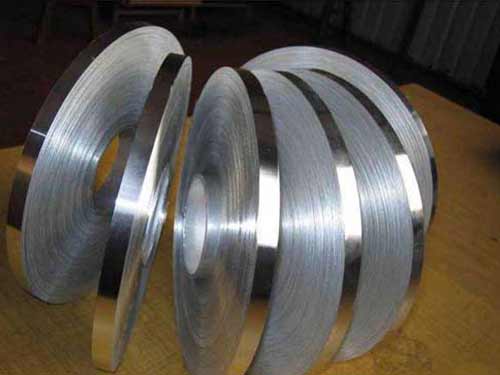
1060 aluminum strip transformer winding is a high-purity aluminum conductor material used to make low-voltage windings, foil coils, reactors, dry-type transformers, oil-immersed transformers, and compact electrical equipment. With aluminum content of at least 99.6%, 1060 strip offers excellent electrical conductivity, stable thermal behavior, easy winding performance, and a cost-efficient alternative to copper in many transformer designs.
For manufacturers who need reliable winding material with smooth edges, consistent thickness, and good coil forming behavior, 1060 aluminum strip is one of the most practical choices. It balances conductivity, weight reduction, processability, and supply economy, making it suitable for both standard distribution transformers and customized electrical assemblies.
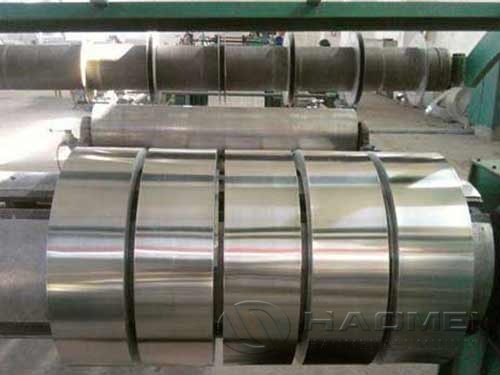
What Makes 1060 Aluminum Strip Suitable for Transformer Winding
The strength of 1060 aluminum strip lies in its purity and softness. During transformer winding, the strip must pass through tension control, insulation layering, mandrel bending, and compact coil pressing without cracking, edge tearing, or excessive springback. The annealed O temper and soft H temper options of 1060 aluminum provide the flexibility needed for tight winding radii.
Compared with lower-purity aluminum alloys, 1060 has better conductivity and cleaner metal structure. Compared with copper, it has lower density, reducing transformer weight and making handling easier during coil assembly. Although aluminum has lower conductivity than copper by volume, designers can compensate with a larger cross-section while still achieving weight and cost advantages.
For customers comparing different conductor strip grades, 1050 / 1060 Aluminum Strip is commonly selected when high purity, good conductivity, and smooth winding behavior are required.
Typical Product Specifications
Transformer winding strip must be produced with strict dimensional control. Small variations in thickness, camber, burr, or surface condition can affect coil compactness, insulation reliability, and electrical performance. The table shows common supply ranges for 1060 aluminum strip used in transformer manufacturing.
| Item | Typical Range or Requirement |
|---|---|
| Alloy | 1060 aluminum |
| Temper | O, H12, H14, H16, H18, customized soft temper |
| Aluminum content | Minimum 99.6% |
| Thickness | 0.08 mm to 3.00 mm, based on transformer design |
| Width | 10 mm to 1600 mm |
| Inner diameter | 300 mm, 405 mm, 500 mm, 505 mm, or customized |
| Surface | Bright, clean, oil-free or light-oiled as required |
| Edge condition | Slit edge, round edge, deburred edge |
| Coil form | Strip coil, narrow strip, wide foil strip |
| Packaging | Moisture-proof export packing with wooden pallet or case |
Chemical Composition of 1060 Aluminum Strip
High aluminum purity supports stable conductivity and excellent corrosion resistance. The composition is carefully controlled to reduce unwanted impurities that may increase resistivity or reduce ductility.
| Element | Content, % |
|---|---|
| Al | 99.60 min |
| Si | 0.25 max |
| Fe | 0.35 max |
| Cu | 0.05 max |
| Mn | 0.03 max |
| Mg | 0.03 max |
| Zn | 0.05 max |
| Ti | 0.03 max |
| V | 0.05 max |
| Other elements, each | 0.03 max |
Electrical and Mechanical Performance
In transformer winding, electrical conductivity is not the only concern. The strip must also resist deformation during coil processing, hold shape after winding, and maintain a clean interface with insulation paper, film, epoxy, or varnish. 1060 aluminum strip performs well because it combines low resistivity with excellent elongation in soft temper.
| Property | Typical Value |
|---|---|
| Electrical conductivity | About 61% IACS in annealed condition |
| Electrical resistivity at 20°C | About 0.0282 ohm mm²/m |
| Density | 2.70 g/cm³ |
| Melting range | About 646°C to 657°C |
| Thermal conductivity | About 230 W/m·K |
| Tensile strength, O temper | About 60 MPa to 95 MPa |
| Elongation, O temper | Often 20% or higher, depending on thickness |
| Corrosion resistance | Excellent in normal indoor and transformer oil environments |
The low density of aluminum is especially valuable in larger transformer coils. A lighter winding reduces the mechanical load on the core and support structure, while also improving portability during assembly and maintenance.
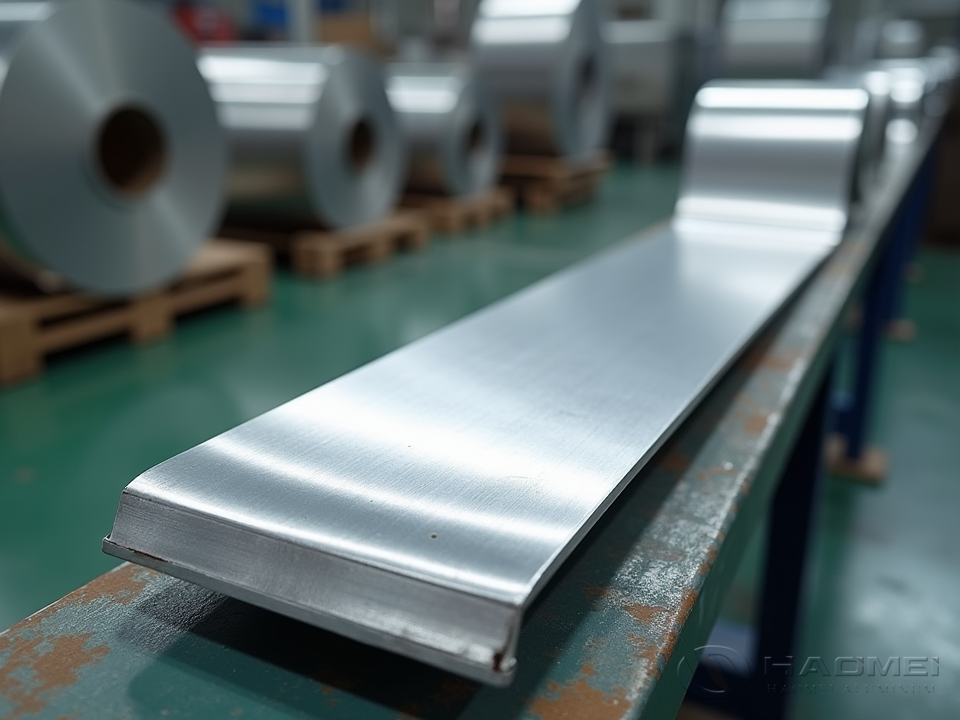
Surface Quality and Edge Control
A transformer winding conductor is not judged only by alloy grade. Surface and edge quality are just as important. Any burr, scratch, dent, oil stain, or metal particle can create insulation stress points. During operation, these weak points may contribute to partial discharge, short circuits, or local overheating.
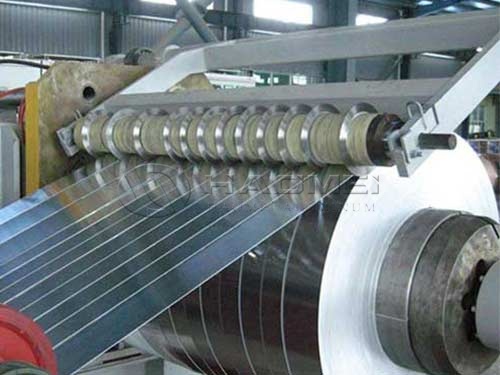
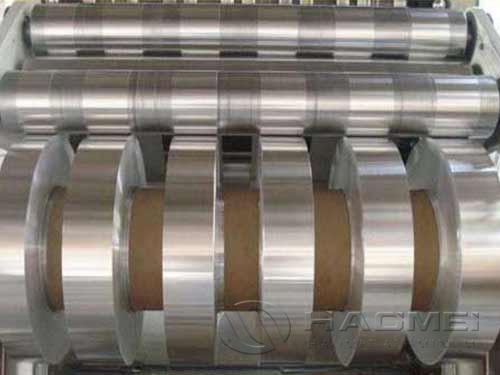
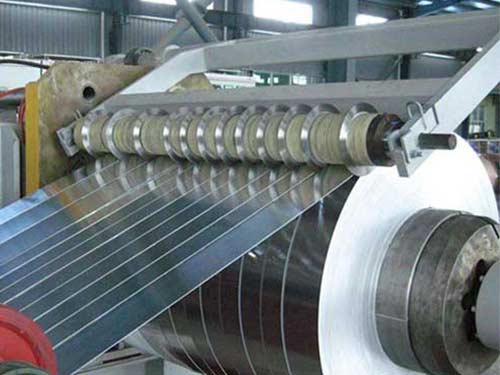
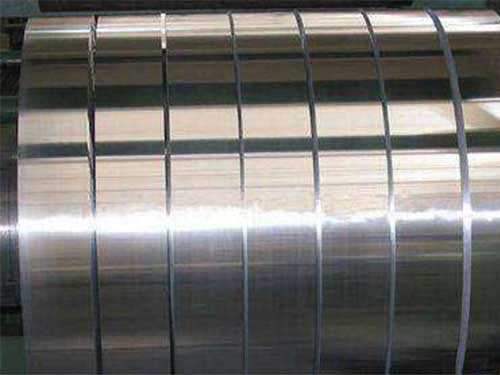
A properly processed 1060 aluminum strip should have a flat, clean surface with no cracks, heavy scratches, black spots, oxide scale, or embedded impurities. Edge burr should be minimized through precision slitting and deburring. For high-reliability transformer applications, customers often specify burr height limits, edge rounding, and strict cleanliness requirements.
Good flatness also improves coil density. A strip with wave, camber, or uneven tension may create gaps between layers, causing unstable winding geometry and poor heat transfer. Consistent thickness helps maintain uniform current distribution and predictable electrical resistance across the coil.
Main Features Customers Care About
1060 aluminum strip is favored because it supports efficient production and long service life. Its features are directly connected to practical transformer manufacturing needs.
- High conductivity helps reduce conductor loss and supports efficient transformer operation.
- Soft forming behavior allows smooth winding, bending, and pressing without cracking.
- Low weight reduces the total mass of the transformer winding assembly.
- Clean surface helps protect insulation paper, film, and coating systems.
- Excellent corrosion resistance works well in dry-type and oil-immersed transformer environments.
- Stable dimensions improve winding accuracy and reduce production scrap.
- Good thermal conductivity supports heat dissipation from the winding body.
- Cost efficiency makes it attractive for distribution transformers and volume production.
When an application requires stronger mechanical performance or a different balance of formability and corrosion resistance, engineers may compare 1060 with other grades in the broader Alloy Aluminum Strip family.
Applications in Transformer and Electrical Equipment
The most common use of 1060 aluminum strip is low-voltage winding in distribution transformers. It is suitable for rectangular foil winding, layer winding, and strip-based coil structures. Because the material can be supplied in narrow or wide coils, it adapts well to automatic winding machines.
In dry-type transformers, 1060 aluminum strip is often combined with insulation film, epoxy resin, or glass fiber systems. Its stable thermal conductivity helps transfer heat away from the winding, while its soft temper supports compact coil construction. In oil-immersed transformers, the strip works with kraft paper and transformer oil, providing reliable electrical conduction and good long-term stability.
Beyond standard transformers, 1060 aluminum strip can also be used in reactors, inductors, welding transformers, power supply coils, voltage stabilizers, inverter transformers, and energy storage related electrical components. Its lightweight nature is useful in equipment where total mass, installation space, and production efficiency matter.
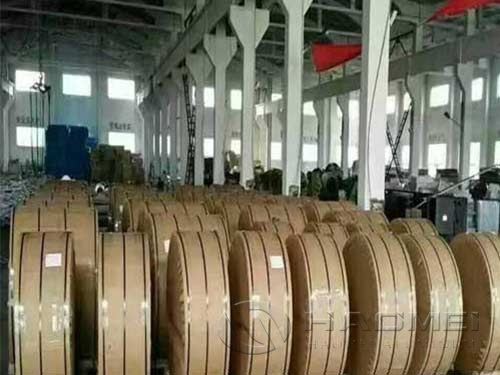
Packaging and Delivery Protection
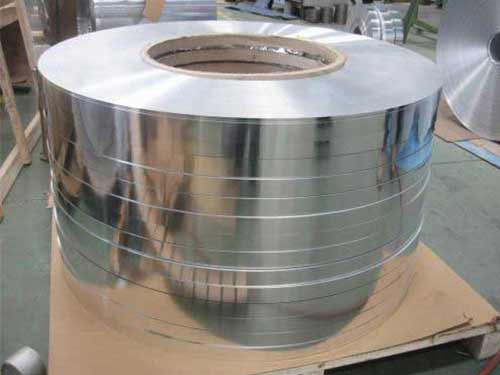
Transformer winding strip must arrive clean, dry, and dimensionally stable. Packaging normally includes inner moisture-proof wrapping, anti-rust paper where required, plastic film, edge protection rings, and strong wooden pallets or cases. Coils should be fixed securely to prevent vibration, telescoping, bruising, and edge damage during transport.
For export orders, labels can include alloy, temper, thickness, width, coil number, net weight, gross weight, and production batch. Traceable packaging helps transformer manufacturers manage incoming inspection and production scheduling more efficiently.
How to Select the Right 1060 Aluminum Strip
Choosing the correct strip starts with electrical design. Required current capacity, coil size, insulation system, winding method, cooling method, and working temperature all influence thickness and width selection. A wide strip may reduce the number of turns and improve production speed, while a narrower strip may be easier to apply in compact or special coil structures.
Temper selection is equally important. O temper is preferred for tight winding and maximum ductility. Semi-hard tempers may be used where higher strength or better shape retention is required. For precision transformer production, customers should confirm thickness tolerance, width tolerance, edge burr, camber, surface cleanliness, coil inner diameter, and coil weight before ordering.
1060 aluminum strip transformer winding material gives customers a dependable combination of conductivity, formability, cleanliness, and economical performance. With proper alloy control, precision slitting, careful annealing, and protective packaging, it becomes a reliable conductor solution for modern transformer manufacturing.