Decorative PVDF ACP Aluminum Strip
Decorative PVDF ACP aluminum strip is a premium coil material developed for the production of aluminum composite panels used in exterior and interior architectural decoration. It combines a lightweight aluminum substrate with a high-performance PVDF fluorocarbon coating, delivering an attractive finish that remains stable under sunlight, rain, humidity, industrial pollution, and changing temperatures.
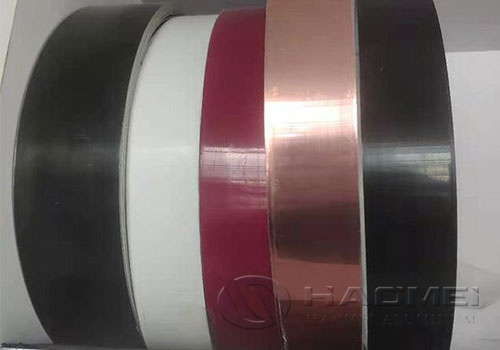
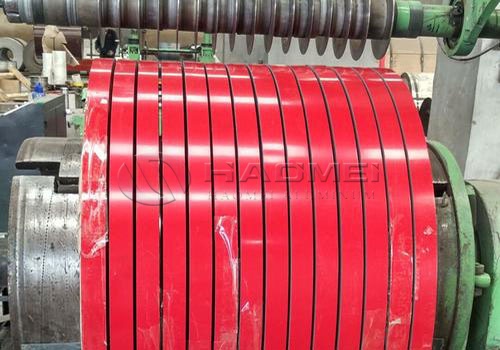
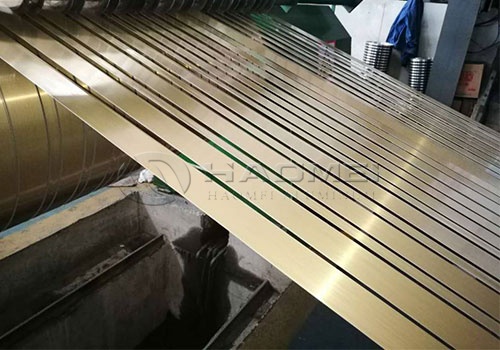
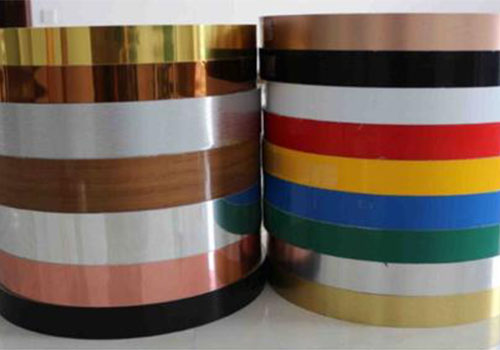
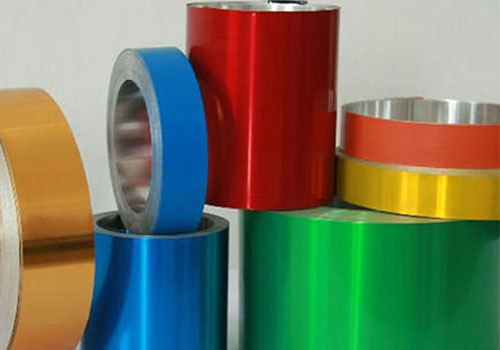
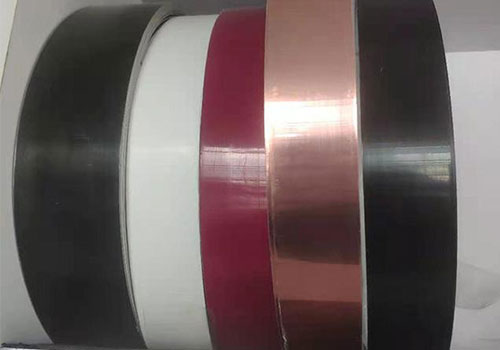
For ACP producers, fabricators, and building-material distributors, this strip offers a practical balance of appearance, processability, and long-term outdoor protection. It can be supplied in solid colors, metallic tones, marble patterns, wood-grain designs, brushed effects, or customized decorative surfaces. After uncoiling, laminating, cutting, and panel forming, it becomes the visible face layer of ACP cladding, signage, ceilings, partitions, and commercial display systems.
Built for Decorative ACP Surface Performance
The surface of an ACP panel does more than create visual appeal. It must protect the aluminum from environmental exposure while retaining smoothness and color consistency across large building elevations. PVDF coating is widely selected for this role because its fluorocarbon resin structure provides strong resistance to ultraviolet radiation, chalking, fading, moisture, and chemical attack.
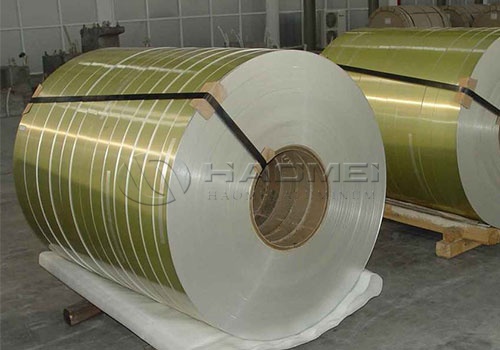
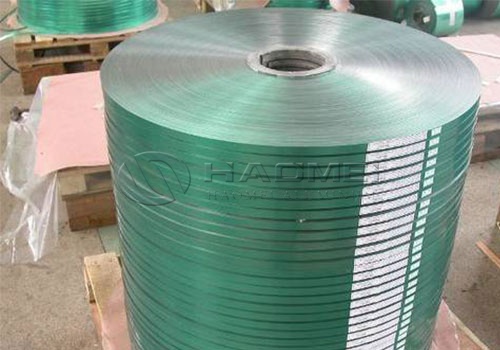
Decorative PVDF ACP aluminum strip is usually produced through a continuous coil-coating process. The aluminum coil is carefully cleaned, chemically pretreated, primed, top-coated, and oven cured. This controlled production route creates a uniform coating film with dependable adhesion and consistent gloss from one coil to the next. The finished strip is protected with removable film to reduce handling scratches during ACP lamination and fabrication.
Compared with general-purpose painted aluminum, a PVDF Coated Aluminum Strip is especially suitable for building envelopes where weather exposure, visual stability, and service life are major material concerns.
Typical Product Parameters
| Parameter | Common Range or Option |
|---|---|
| Aluminum alloy | AA1100, AA3003, AA3105, AA5005 |
| Temper | H14, H16, H18, H24, H26, customized temper |
| Strip thickness | 0.10 mm to 0.50 mm |
| Common ACP face thickness | 0.18 mm, 0.21 mm, 0.25 mm, 0.30 mm, 0.40 mm |
| Width | 200 mm to 1,600 mm |
| Coil inner diameter | 405 mm or 505 mm |
| Coil outer diameter | According to weight and line capability |
| Surface coating | PVDF fluorocarbon coating system |
| Coating structure | Two-coat, three-coat, or customized multilayer system |
| Total dry film thickness | Typically 25 μm or more for exterior use |
| Finish | Matt, satin, high gloss, metallic, brushed, wood grain, stone pattern |
| Protective film | Clear, blue, black-and-white, or customized printed film |
| Color reference | RAL, Pantone, customer sample, or custom color standard |
The final thickness, width tolerance, coating weight, and mechanical condition should match the ACP production line. Proper matching helps ensure smooth bonding with the mineral-filled or polymer core and reduces risks such as wrinkling, uneven panel surfaces, or coil breakage during high-speed processing.
Aluminum Substrate Chemistry
AA3003 and AA3105 are frequently selected for decorative ACP skins because they provide good strength, corrosion resistance, and roll-forming behavior. AA1100 is also used where high aluminum purity and excellent workability are preferred.
| Alloy | Main Chemical Composition, % | Typical Material Benefit |
|---|---|---|
| AA1100 | Al 99.0 min; Cu 0.05-0.20; Mn 0.05 max | Excellent ductility and corrosion resistance |
| AA3003 | Mn 1.0-1.5; Cu 0.05-0.20; balance Al | Improved strength with reliable forming properties |
| AA3105 | Mn 0.30-0.80; Mg 0.20-0.80; balance Al | Good strength and coating suitability for architectural use |
| AA5005 | Mg 0.50-1.10; Mn 0.20 max; balance Al | Good anodizing quality and decorative surface potential |
Actual chemistry is controlled according to the applicable aluminum alloy standard and customer requirements. A stable substrate is essential because coating quality depends on clean metal, even flatness, and consistent rolling characteristics.
Features That Support Long-Lasting ACP Panels
Excellent weather resistance
PVDF coatings are engineered for demanding outdoor conditions. They help preserve panel color and gloss through prolonged sunlight exposure, seasonal temperature movement, rainwater, and airborne contaminants. This makes the strip a strong option for facades, parapets, canopies, and exterior signage.
Decorative freedom
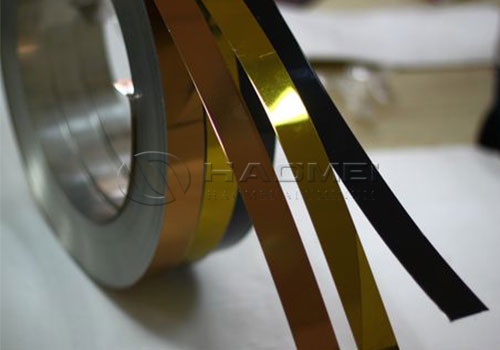
Architectural projects often require more than standard white or silver. Decorative PVDF ACP aluminum strip can reproduce warm wood textures, natural stone appearances, metallic finishes, modern matte shades, and vivid corporate colors. Patterned coils can help create visual depth without the weight, maintenance, or installation complexity of natural materials.
Strong coating adhesion
A properly cured PVDF system bonds firmly to the pretreated aluminum surface. Good adhesion supports routing, bending, folding, and panel fabrication while minimizing peeling or cracking at formed edges. This characteristic is especially important for cassette panels, folded corners, and shaped decorative elements.
Lightweight efficiency
Aluminum provides a low-density skin for composite panels. The resulting ACP is easier to transport, lift, cut, and install than many solid metal or stone alternatives. Lightweight construction can also reduce demands on secondary support structures.
Reliable corrosion protection
The coating layer acts as a barrier between the aluminum and the environment. With correct edge sealing, installation practice, and material selection, decorative PVDF ACP can perform well in urban, coastal, humid, and industrial settings.
Coating Performance Reference
| Property | Typical Requirement for Exterior PVDF ACP Strip |
|---|---|
| Pencil hardness | H or higher, depending on coating design |
| T-bend flexibility | 2T or better, subject to thickness and temper |
| Impact resistance | Suitable for normal ACP fabrication and handling |
| Adhesion | No coating removal in standard tape test conditions |
| Solvent resistance | Good resistance to common cleaning solvents |
| Acid and alkali resistance | Designed for normal architectural exposure |
| UV durability | High retention of color and gloss under exterior service |
| Surface appearance | Smooth, uniform, free from obvious streaks and coating defects |
Performance values may vary with color, gloss level, coating thickness, alloy, and specified testing method. Metallic and special-effect finishes may require more careful control of coil direction and panel alignment to maintain a consistent visual result across an elevation.
Applications Across Architectural and Commercial Spaces
Decorative PVDF ACP aluminum strip is primarily laminated with a compatible core to manufacture ACP sheets. These panels are then fabricated into a wide range of decorative and protective building components.
- Exterior curtain wall cladding for offices, hotels, shopping centers, airports, and residential towers
- Renovation facades that refresh aging concrete, brick, or steel structures
- Shopfronts, brand signage, petrol station canopies, and exhibition displays
- Interior wall panels, elevator lobbies, corridors, columns, and reception areas
- Ceilings, soffits, balcony linings, tunnel finishes, and transport terminals
- Decorative furniture surfaces, partitions, cabinet panels, and modular commercial interiors
For projects where indoor economy is prioritized over long-term exterior weathering, PE Coated Aluminum Strip can be considered as an alternative surface material. PVDF remains the preferred choice when the panel will face intensive sun, rain, pollution, or major temperature variation.
Processing and Handling Guidance
Decorative PVDF ACP aluminum strip performs best when handled with clean equipment and controlled tension. Coils should be stored in a dry, ventilated area away from direct water contact, corrosive chemicals, and excessive dust. During slitting and lamination, sharp tools and smooth roller surfaces help preserve the decorative finish.
Protective film should remain in place through fabrication and installation, then be removed promptly after the panel is fixed. Leaving film exposed to strong sunlight for extended periods can make removal more difficult. When cutting patterned or metallic surfaces, maintain a consistent rolling direction so adjacent panels present an even appearance.
A Decorative Surface with Structural Confidence
Decorative PVDF ACP aluminum strip gives ACP manufacturers a dependable face material for panels that must look refined and perform reliably. Its fluorocarbon coating helps maintain color and surface integrity, while the aluminum substrate supports efficient fabrication into lightweight architectural systems. From restrained matte facades to expressive wood-grain retail interiors, the material offers a durable foundation for contemporary design.