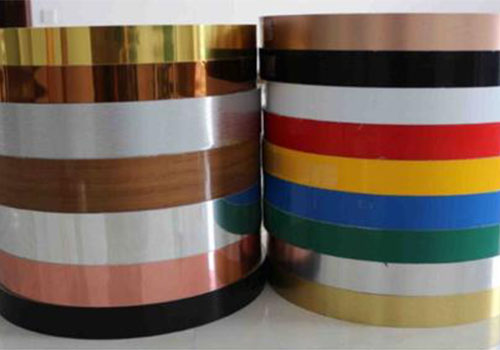
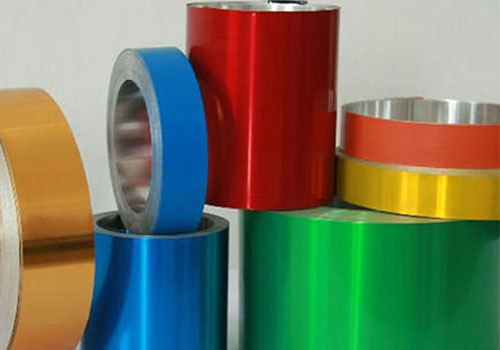
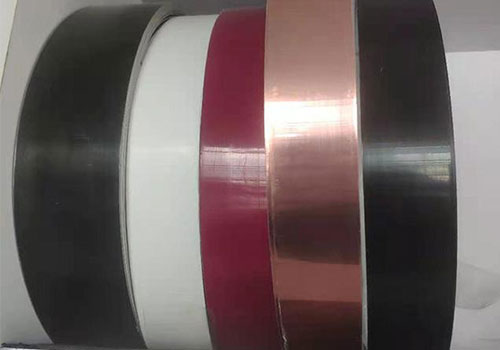
2mm PVDF Coated Aluminum Strip Sheets - ACP, Wall Panel
A building facade is not simply a decorative skin. It is a working surface that faces ultraviolet radiation, rainwater, thermal cycling, airborne dust, salt exposure, and daily temperature changes. For this reason, 2mm PVDF coated aluminum strip sheets are selected not merely for color, but for long-term surface stability and dependable forming performance in ACP systems and exterior wall panels.
The distinctive value of a 2mm aluminum sheet lies in its position between lightweight architectural skins and heavier solid metal cladding. It provides more rigidity than thin coil stock while remaining easy to cut, bend, route, punch, and install. Combined with a PVDF fluorocarbon coating, the material becomes a durable facade component suited to commercial buildings, airports, retail storefronts, curtain walls, column covers, soffits, and decorative exterior structures.
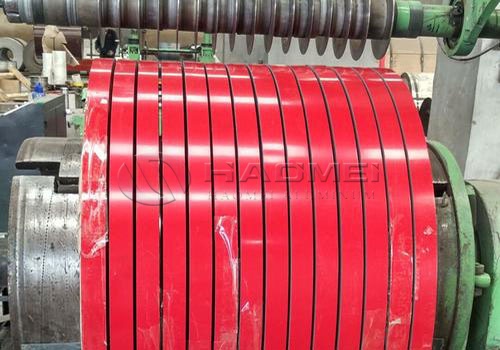
What 2mm PVDF Coated Aluminum Means in Practice
The term describes an aluminum strip or sheet with a nominal base-metal thickness of 2.0 mm, pre-finished with a PVDF coating system. PVDF, short for polyvinylidene fluoride, is a fluoropolymer resin widely used on architectural aluminum because its molecular structure resists ultraviolet degradation, chalking, fading, chemical attack, and weathering.
For ACP and wall panel fabrication, the aluminum may serve as the visible face sheet, a solid aluminum backing sheet, or a formed outer panel. In composite panels, aluminum skins are bonded to a mineral-filled or fire-resistant core. In solid wall cladding, the 2mm sheet may be folded into cassette panels, tray panels, perforated screens, or rainscreen cladding components.
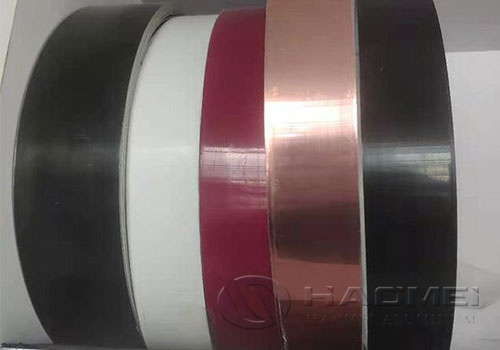
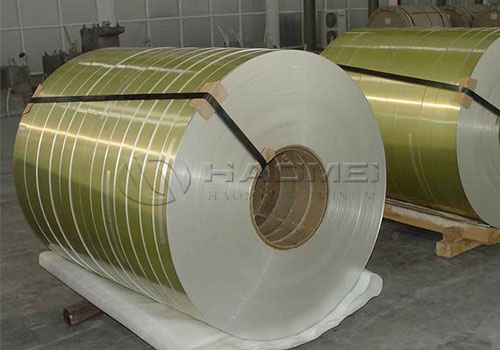
Unlike post-painted sheet, coil-coated PVDF aluminum is finished in a controlled production process before fabrication. This helps maintain even coating thickness, consistent color, and stable gloss across large facade areas. A properly selected PVDF Coated Aluminum Strip can therefore reduce the visual variation that often becomes noticeable when panels are installed side by side.
Typical Material Parameters
The technical specification should match the panel design, local climate, fabrication method, and mounting system. Thickness alone does not determine panel performance. Alloy, temper, coating build, panel geometry, and support spacing all affect the final result.
| Parameter | Common Specification | Practical Effect |
|---|---|---|
| Aluminum thickness | 2.0 mm nominal | Supports rigid formed wall panels and solid cladding |
| Thickness tolerance | Typically ±0.05 mm to ±0.10 mm | Helps maintain forming and assembly consistency |
| Width | 300 mm to 1,600 mm | Selected according to panel width and processing equipment |
| Coil or sheet length | Custom cut length or coil form | Reduces scrap in panel fabrication |
| Alloy | AA1100, AA3003, AA3105, AA5005 | Balances formability, strength, and corrosion resistance |
| Temper | H14, H16, H18, H24, H26, H32 | Determines hardness and bending behavior |
| PVDF coating thickness | Usually 25 μm or more | Improves exterior weather resistance |
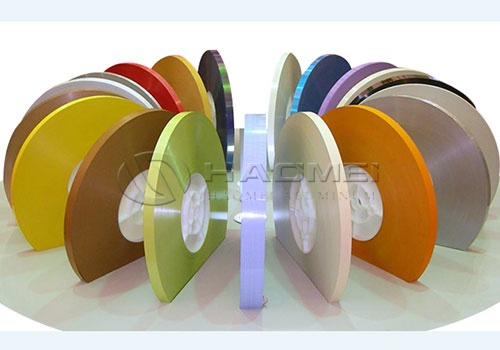
| Surface finish | Solid color, metallic, matt, gloss, stone, wood effect | Supports architectural design intent |
| Protective film | PE protective film, removable after installation | Reduces scratches during processing and transport |
For facade work, 3003 H24 and 5005 H24 are frequently considered because they combine useful strength with good bending ability. AA1100 is softer and highly formable, making it suitable for certain decorative or deeply formed applications. AA3105 offers a practical balance of strength and cost for coated architectural sheet.
Alloy and Temper Selection for Panel Fabrication
Alloy choice should be viewed from the fabricator's perspective. A wall panel is often routed, folded, hemmed, riveted, or bonded. If the aluminum is excessively hard, cracking may occur at tight fold radii. If it is too soft, broad panels may show oil canning or reduced flatness.
| Alloy | Main Characteristics | Common Temper | Suitable Applications |
|---|---|---|---|
| AA1100 | High aluminum purity, excellent corrosion resistance, very good formability | H14, H24 | Decorative skins, curved trims, interior panels |
| AA3003 | Manganese-containing alloy with improved strength | H14, H24 | ACP skins, wall panels, soffits, column covers |
| AA3105 | Good strength, coating adhesion, and forming behavior | H14, H24, H26 | Exterior cladding, roofing-related panels, facades |
| AA5005 | Strong appearance consistency after anodizing or coating, good corrosion resistance | H24, H34 | Premium curtain wall panels and architectural sheets |
Temper is the controlled hardness condition of the aluminum. H14 and H24 materials are commonly selected when panels require bending or tray forming. H16, H18, H26, and similar harder tempers may provide better dent resistance but require more careful bend-radius control. For a 2mm cassette panel, H24 often delivers a workable balance between rigidity and fabrication safety.
PVDF Coating Structure and Chemical Performance
A high-quality PVDF surface is normally built from several layers: chemical pretreatment, primer, PVDF topcoat, and sometimes a clear protective finish. Pretreatment promotes adhesion between aluminum and paint while improving resistance to under-film corrosion. The topcoat provides the visible color and the exterior protection layer.
| Property | PVDF Coated Aluminum Performance |
|---|---|
| UV resistance | Excellent retention of color and gloss in outdoor exposure |
| Acid rain resistance | Suitable for urban and industrial atmospheres when properly specified |
| Alkali resistance | Good resistance to mild alkaline contamination; avoid prolonged contact with strong alkalis |
| Salt spray resistance | Strong performance with suitable pretreatment and coating system |
| Humidity resistance | Resists blistering and coating separation under controlled testing |
| Solvent resistance | Good resistance to many common cleaning agents and solvents |
| Corrosion resistance | Aluminum oxide layer plus coating system provides durable protection |
| Temperature resistance | Suitable for normal architectural exterior temperature cycles |
PVDF coatings are often specified according to AAMA 2605 for high-performance architectural finishes. This standard is especially relevant for demanding exterior facades where color retention, chalk resistance, humidity resistance, and coating adhesion are important. Other commonly referenced implementation standards include ASTM B209 for aluminum and aluminum-alloy sheet, ASTM D3359 for adhesion testing, ASTM D2244 for color measurement, ASTM D4214 for chalk rating, and ASTM B117 for salt spray testing.
For ACP products, panel systems may also need to satisfy fire, smoke, structural, and local building-code requirements. The aluminum skin itself does not define the fire classification of a complete ACP panel. The core material, panel construction, fixing design, cavity barriers, and installation method must be assessed as a system.
Functions in ACP and Exterior Wall Panel Systems
The first function is environmental shielding. The coated aluminum face limits moisture contact with the substrate and protects the visual facade from weathering. Its second function is visual control: PVDF finishes can provide clean solid colors, metallic tones, low-gloss surfaces, or textured designs that remain stable for years.
The third function is fabrication flexibility. A 2mm sheet can be processed into folded returns, shadow gaps, rainscreen trays, curved features, perforated decorative screens, and signage panels. This makes it suitable for architects who want continuity between large wall surfaces and smaller finishing components.
The fourth function is weight management. Compared with steel cladding, aluminum reduces dead load on the supporting structure. This is valuable in renovation work, high-rise facades, transportation buildings, and projects where lifting capacity or framing weight must be controlled.
For projects requiring coordinated colors across trims and facade panels, Color Coated Aluminum Strip can also be used for matching flashings, edge profiles, ceiling accessories, and decorative metal details.
Installation Considerations That Protect the Finish
A durable coating can still be damaged by poor handling. Keep protective film intact during cutting, routing, drilling, and installation, then remove it promptly after panel placement. Film left on the surface for excessive periods may become difficult to peel, especially in high-temperature sunlight.
Allow for aluminum thermal movement in long panels. Slots, fixed points, sliding points, and compatible sealants should be designed to prevent stress concentration. Avoid direct contact between aluminum and incompatible metals where moisture can create galvanic corrosion. Insulating tapes, washers, or suitable coatings can separate dissimilar materials.
Cleaning should use water, neutral detergent, and soft cloths or sponges. Strong abrasive pads, highly alkaline cleaners, and aggressive solvents should be avoided unless the coating supplier confirms compatibility.
A Material Designed for Long-View Architecture
2mm PVDF coated aluminum strip sheets bring together the structural practicality of aluminum and the long-weathering benefits of fluorocarbon paint. When alloy, temper, coating thickness, and panel design are matched correctly, the material performs as more than a colored metal sheet. It becomes a controlled architectural surface: light enough for efficient installation, strong enough for formed panel work, and stable enough to preserve the intended facade appearance through years of outdoor exposure.