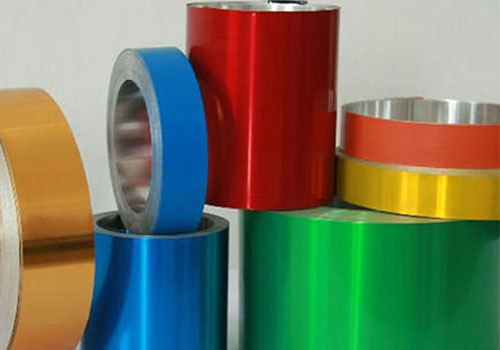
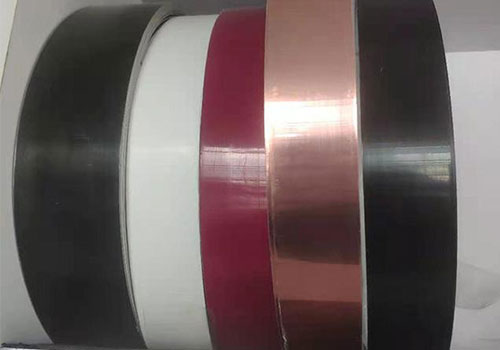
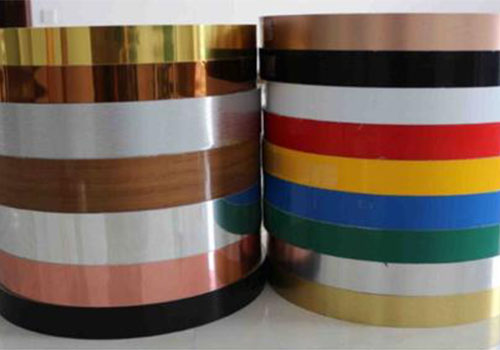
PVDF Coated 4mm Aluminum Strip
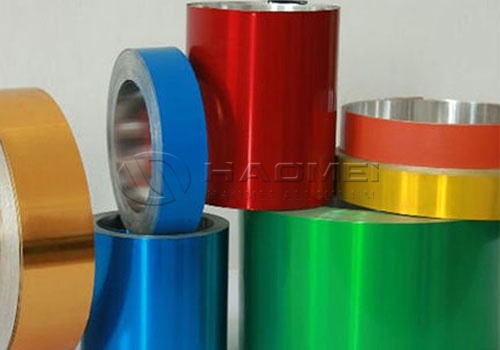
A PVDF Coated 4mm Aluminum Strip is not simply a colored metal band. At 4 mm thick, it works closer to a lightweight structural component than a thin decorative coil. The aluminum provides rigidity, formability, and low weight, while the PVDF coating supplies a durable outer skin that resists UV radiation, moisture, pollution, and color fading.
This combination is particularly valuable where a strip must remain visible and stable for many years: façade edging, curtain-wall trims, roofing accessories, commercial vehicle panels, machinery covers, marine equipment details, and high-grade signage. Instead of treating coating as a final cosmetic step, PVDF technology turns the surface into a long-term environmental barrier.
Why 4mm Thickness Changes the Role of Aluminum Strip
Most coated aluminum strips are selected for cladding, flashing, insulation jacketing, or light formed parts. A 4 mm gauge creates a different performance profile. It offers greater dent resistance, stronger screw retention, improved flatness after fabrication, and better support for wide exposed panels.
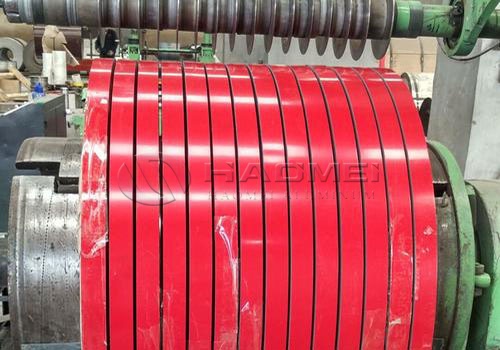
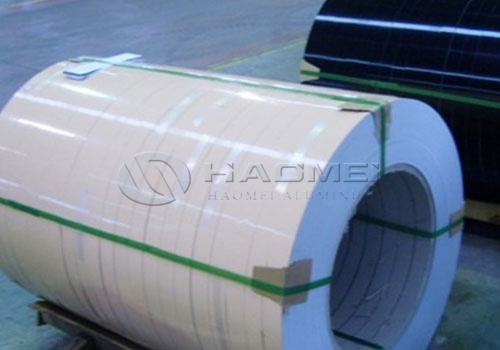
This thickness is often supplied as a slit coil, coil-to-length product, or narrow plate strip. The exact delivery form depends on strip width, alloy, temper, coating line capability, coil weight, and the customer's forming process. For a component that will be bent, punched, riveted, or fixed to a frame, 4 mm aluminum can reduce the need for separate stiffeners while remaining much lighter than steel.
The coating also protects the substrate at the point where aluminum is most exposed: its surface. Bare aluminum naturally forms an oxide film, but aggressive urban, coastal, and industrial environments can still stain, pit, or degrade untreated surfaces over time. A properly applied PVDF system improves visual retention and reduces maintenance demands.
PVDF Coating as a Working Surface
PVDF, or polyvinylidene fluoride, is a fluoropolymer coating system commonly formulated with approximately 70% PVDF resin. It is valued for its stable carbon-fluorine bonds, which help the finish withstand sunlight, weather cycles, chemical residues, and airborne contaminants.
A typical coating construction includes surface pretreatment, corrosion-resistant primer, PVDF color topcoat, and optional clear coat or protective film. Total dry-film thickness is commonly 25-35 μm for exterior architectural use, although thicker or specially engineered systems may be specified for demanding environments.
The practical benefit is not just color. PVDF coating helps preserve gloss, limits chalking, supports easier cleaning, and protects the aluminum from rainwater, weak acids, alkaline dust, oils, and general atmospheric exposure. For projects near seawater or heavy traffic corridors, coating selection should be matched to the local corrosivity category and expected service life.
For projects requiring a robust exterior finish, PVDF Coated Aluminum Strip is especially suitable for exposed fabricated parts where appearance must remain consistent across panels and trim sections.
Common Alloys and Tempers
The alloy determines how the 4 mm strip behaves during bending, machining, welding, and outdoor service. Alloy selection should come before color selection because the substrate controls the mechanical foundation of the finished product.
| Alloy | Typical Temper Options | Functional Characteristics | Common Uses |
|---|---|---|---|
| 1050 | O, H14, H24 | High aluminum content, excellent corrosion resistance, very good formability | Decorative trim, general cladding, formed covers |
| 1060 | O, H14, H24 | Good conductivity, easy processing, economical surface quality | Signage, insulation systems, non-load-bearing panels |
| 3003 | H14, H24 | Manganese-enhanced strength with good forming performance | Roofing trim, façade profiles, appliance panels |
| 3105 | H14, H24, H26 | Stronger than 1xxx series, suitable for painted building products | Gutters, siding, architectural accessories |
| 5052 | H32, H34 | High fatigue resistance and strong marine corrosion resistance | Transport, marine trim, industrial enclosures |
| 5083 | H111, H116 | Higher strength and excellent seawater resistance | Marine structures, heavy-duty fabricated parts |
For simple roll forming or deep bending, softer tempers such as O or H14 can be preferred. For panels requiring better stiffness and handling resistance, H24, H32, or H34 tempers are common. Tighter bends require attention to the minimum bend radius, coating flexibility, and grain direction to prevent cracking at the formed edge.
Typical Chemical Composition of Common Substrates
The table presents typical maximum or nominal alloying values in percent by weight. Exact requirements should follow the agreed material specification and mill certificate.
| Alloy | Si | Fe | Cu | Mn | Mg | Zn | Al |
|---|---|---|---|---|---|---|---|
| 1050 | 0.25 | 0.40 | 0.05 | 0.05 | 0.05 | 0.05 | 99.50 min |
| 1060 | 0.25 | 0.35 | 0.05 | 0.03 | 0.03 | 0.05 | 99.60 min |
| 3003 | 0.60 max | 0.70 max | 0.05-0.20 | 1.0-1.5 | 0.05 max | 0.10 max | Balance |
| 3105 | 0.60 max | 0.70 max | 0.30 max | 0.30-0.80 | 0.20-0.80 | 0.40 max | Balance |
| 5052 | 0.25 max | 0.40 max | 0.10 max | 0.10 max | 2.2-2.8 | 0.10 max | Balance |
Dimensions, Performance, and Standards
A typical PVDF coated 4 mm aluminum strip can be supplied in widths from narrow slit strips to broad sheet-width coils, subject to equipment capacity. Common width ranges include 20-1600 mm, while cut lengths can be produced for fabrication lines. Thickness tolerance, width tolerance, camber, flatness, coil inner diameter, and allowable edge condition should be confirmed before production.
Material quality may be aligned with standards such as ASTM B209 for aluminum sheet and plate, EN 485 for mechanical properties and tolerances, EN 573 for alloy designation and composition, and EN 1396 for coated aluminum sheet and strip. For high-performance architectural finishes, coating performance is often evaluated against AAMA 2605 requirements or equivalent project specifications.
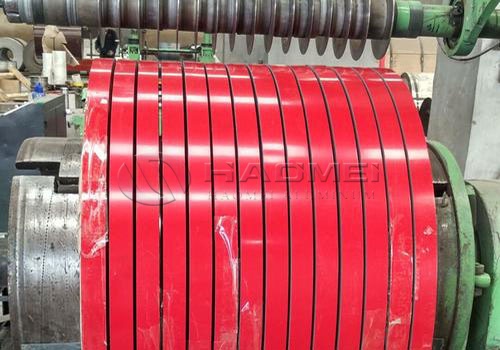
Important inspection items include coating thickness, color difference, gloss level, adhesion, bend resistance, impact resistance, solvent resistance, and salt-spray performance where required. A protective film may be added to reduce handling scratches during cutting, bending, transport, and installation.
Applications Where the Material Performs Best
In façade systems, 4 mm PVDF coated aluminum strip can become parapet caps, corner trims, mullion covers, shadow profiles, and decorative linear elements. Its rigidity helps preserve clean visual lines over wider spans, while the coating keeps the exposed surface stable under sunlight and rain.
In transportation, it is used for trailer trims, bus body components, service vehicle panel details, and equipment housings. The low density of aluminum supports weight reduction, while PVDF finishing provides a professional exterior surface with less frequent repainting.
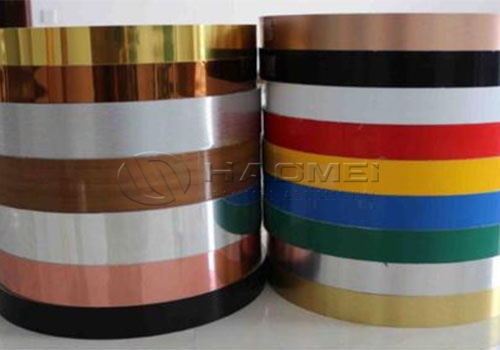
Industrial manufacturers use the material for durable covers, electrical cabinet accents, machine guards, and formed exterior panels. For applications where color range is equally important, Color Coated Aluminum Strip can provide coordinated finishes for visible metal assemblies.
A well-specified PVDF coated 4 mm aluminum strip delivers more than color. It combines the engineering value of a thick aluminum substrate with a surface designed to endure the real conditions of installation, weather, handling, and long-term use.