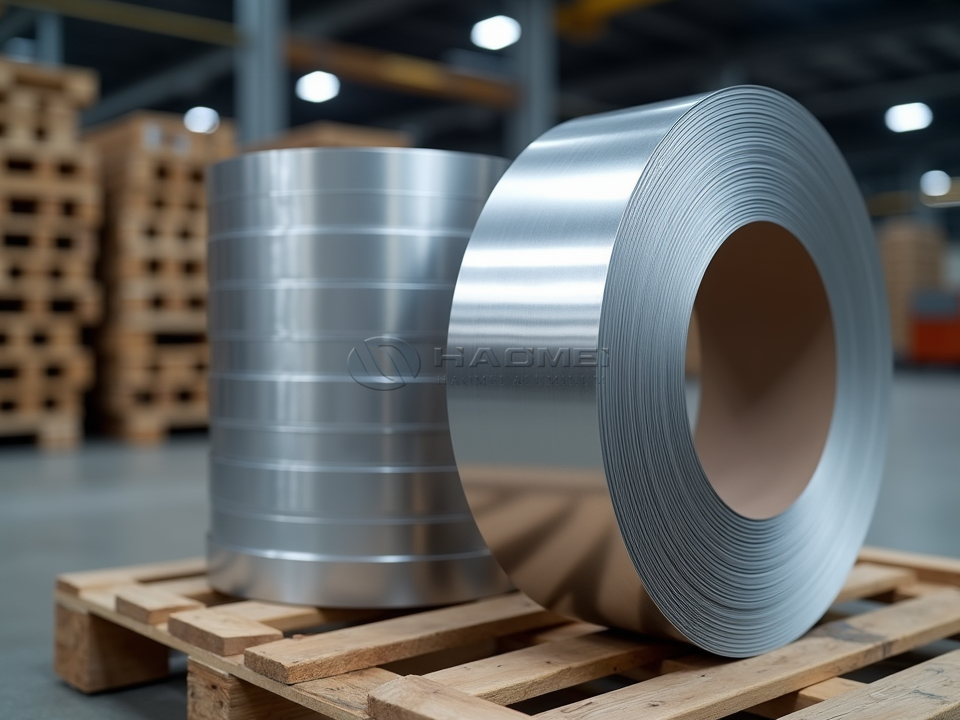
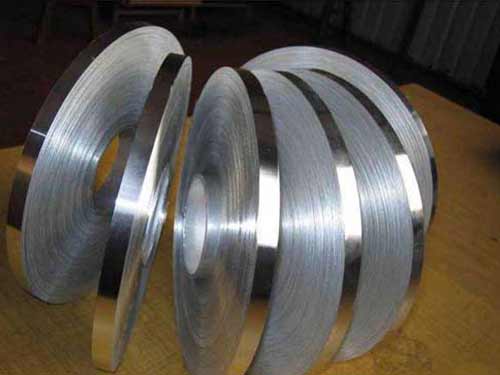
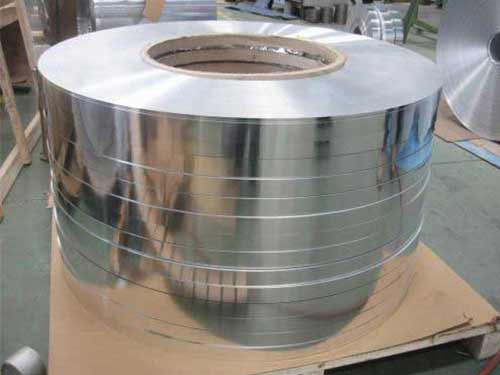
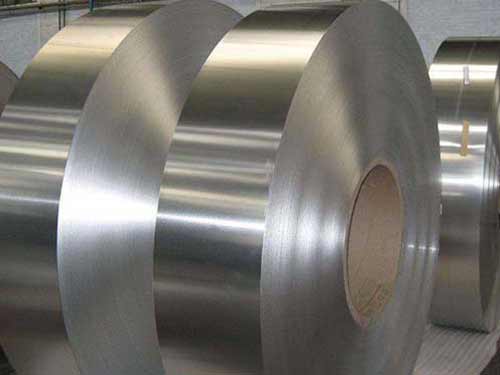
Brushed Aluminum Strip for Roofing
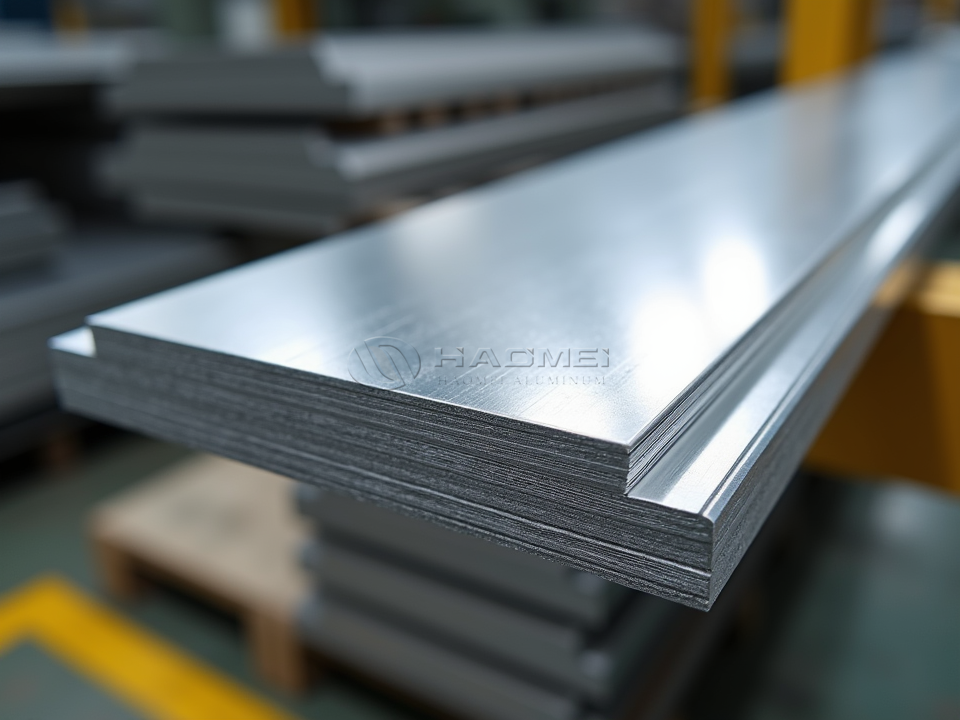
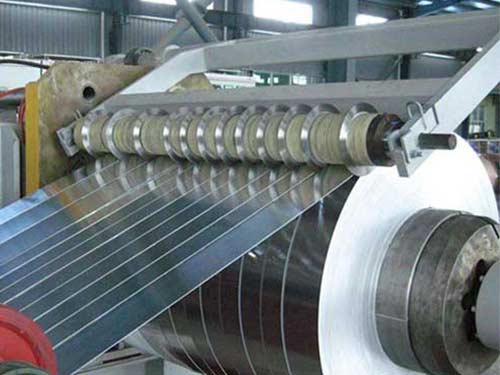
Brushed aluminum strip for roofing combines the light weight of aluminum with a refined, directional surface texture. Its satin-like grain creates a modern architectural appearance while reducing the visual impact of fingerprints, handling marks, and small surface scratches. For standing-seam roofs, fascia systems, soffits, edge flashing, gutters, and decorative roof trims, it provides a durable material that performs well in changing outdoor conditions.
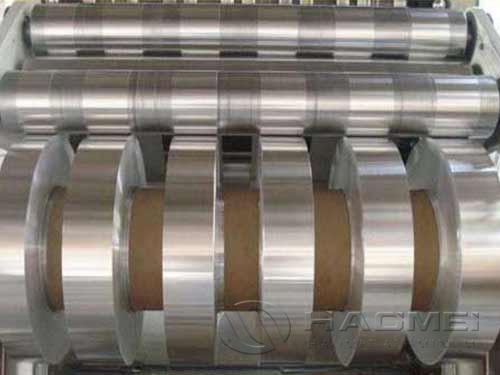
Unlike mirror-polished aluminum, a brushed surface diffuses light rather than producing intense glare. The result is a calm metallic finish that complements glass facades, stone cladding, wood accents, and contemporary building envelopes. It can be supplied in coil, slit strip, or cut-to-length formats to match roll-forming, bending, stamping, and fabrication requirements.
Surface Character and Visual Appeal
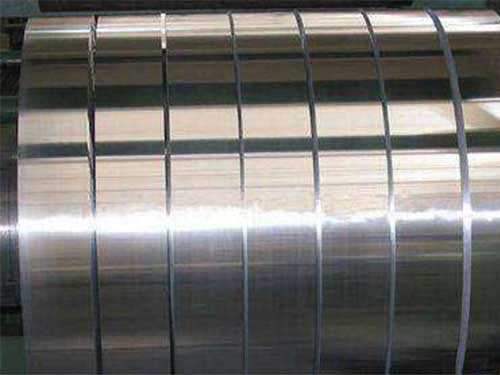
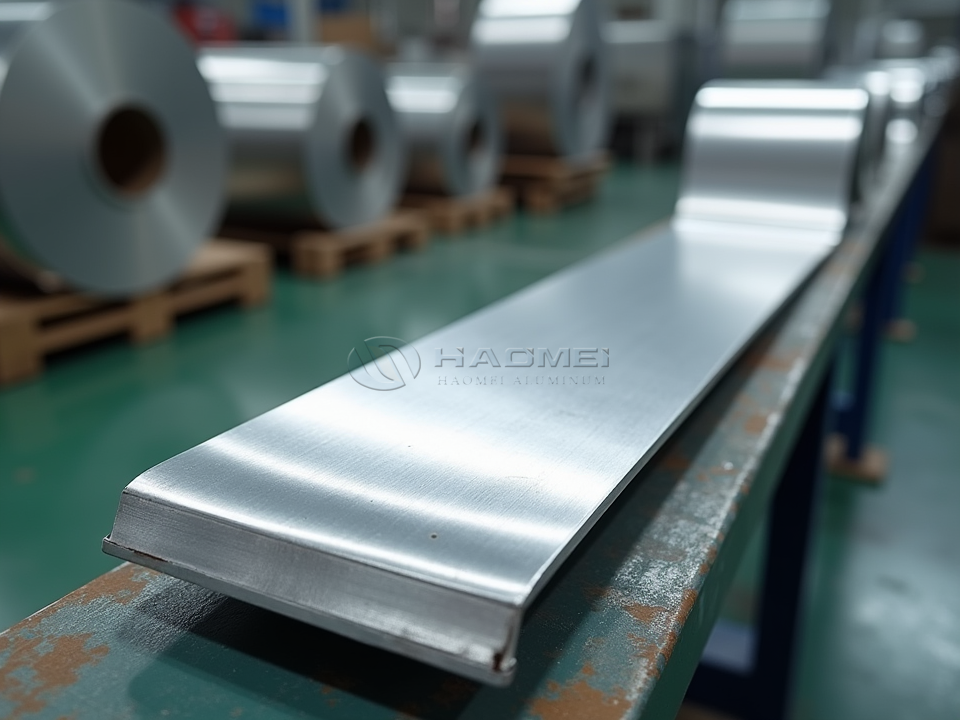
The brushed finish is produced by controlled mechanical abrasion using abrasive belts, brushes, or rollers. Fine, continuous lines are formed along the rolling direction, giving the aluminum strip a consistent linear grain. This finish adds visual depth without relying on a thick decorative coating.
For roof-facing components, grain direction matters. Longitudinal brushing is commonly selected for standing seams, roof edging, and wall-to-roof transitions because it follows the length of the panel. Consistent grain orientation across installed pieces helps the completed roof appear continuous and deliberate.
Brushed aluminum can also serve as a base for clear anodizing, transparent protective coatings, or selected color finishes. A clear coating preserves the metallic character while offering additional resistance to staining and handling marks. For projects requiring a natural metal look, sample approval is recommended because brushing grade, grain density, gloss level, and alloy can affect the final appearance.
Material Properties for Roofing Use
Aluminum naturally develops a thin oxide layer when exposed to air. This stable layer provides a first line of defense against corrosion, making aluminum especially suitable for rainwater systems, coastal-adjacent buildings, humid regions, and industrial roofing details when the correct alloy and finish are selected.
Brushed aluminum strip is also easy to form. It can be roll formed into standing seams, folded into flashing profiles, shaped into drip edges, or bent for gutters and trim. Its low density reduces the dead load placed on roof structures and makes handling safer and more efficient during installation.
| Property | Typical Roofing Benefit |
|---|---|
| Low density | Reduces roof-system weight and eases transportation and installation |
| Natural corrosion resistance | Supports long service life in wet and humid environments |
| Good formability | Allows clean folding, profiling, roll forming, and seam production |
| Brushed linear texture | Creates a sophisticated satin-metal appearance with controlled reflection |
| Thermal conductivity | Helps metal components respond quickly to temperature changes |
| Recyclability | Supports material recovery at the end of a building's service life |
Thermal movement deserves careful attention. Aluminum expands and contracts more than many conventional roof materials as temperatures change. Roofing profiles should therefore be designed with appropriate clip systems, expansion allowances, sliding connections, and seam geometry. Correct detailing protects the finish and prevents stress concentration around fasteners.
Common Alloy Choices
The alloy should be matched to the roof component, forming depth, atmosphere, and desired strength. Commercially pure grades offer excellent corrosion resistance and formability, while manganese and magnesium-containing grades provide higher strength for demanding architectural parts.
| Alloy | Main Characteristics | Suitable Roofing Components |
|---|---|---|
| 1050 / 1060 | High aluminum content, soft temper availability, excellent workability | Decorative trims, light flashing, soffit parts |
| 1100 | Strong corrosion resistance and reliable forming behavior | General roof edging and formed accessories |
| 3003 | Manganese-alloyed, stronger than 1xxx series, good corrosion resistance | Gutters, flashing, roofing profiles, formed panels |
| 3105 | Common architectural sheet alloy with balanced strength and formability | Roll-formed roofing, fascia, drainage components |
| 5052 | Magnesium-alloyed, higher strength and strong marine-atmosphere resistance | Coastal roofing details, heavy-duty trims, gutters |
For many architectural applications, 3003 Aluminum Strip offers a practical balance between strength, workability, and outdoor durability. Where the project is exposed to salt-laden air or requires greater mechanical strength, 5052 Aluminum Strip can be a strong option.
Typical Specifications
Roofing specifications vary with profile design and local loading requirements. Thin material is often used for narrow flashing and decorative trim, while heavier gauges are selected for standing-seam pans, gutters, and structural-looking fascia profiles.
| Parameter | Common Supply Range | Notes |
|---|---|---|
| Thickness | 0.30-2.00 mm | Selected according to profile depth, span, and fabrication method |
| Strip width | 20-1,600 mm | Slit width can be tailored for roll-forming lines and trim production |
| Temper | O, H14, H16, H18, H24, H32 | Softer tempers suit complex forming; harder tempers improve stiffness |
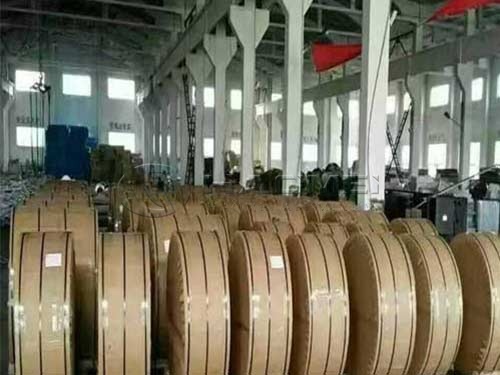
| Coil inner diameter | 150 mm, 300 mm, 505 mm, 508 mm | Chosen to suit customer decoiling equipment |
| Surface finish | Fine brush, medium brush, protective film, clear coat | Finish selection depends on visual and handling requirements |
| Edge condition | Mill edge, slit edge, deburred edge | Smooth edges assist safer handling and accurate profile forming |
Roofing Applications
Brushed aluminum strip brings both function and visual cohesion to roof systems. It is commonly processed into standing-seam roof pans, especially on commercial buildings, villas, transportation hubs, retail facades, and public structures where a clean metal appearance is desired. The directional grain emphasizes the long lines of a roof slope and pairs naturally with concealed-fix systems.
For flashing, the strip can be folded around chimneys, parapets, skylights, valleys, wall junctions, and roof penetrations. Its formability helps fabricators create precise shapes that guide water away from vulnerable joints. When used as eave flashing or drip edge, brushed aluminum creates a finished border while protecting the roof deck and fascia from water migration.
Gutter systems and downspout accessories are another practical use. Aluminum resists rust, remains light during installation, and can be shaped into custom drainage profiles. Brushed finishes are particularly attractive on exposed gutters where appearance is as important as water-management performance.
Additional applications include soffit trims, ridge caps, fascia covers, solar-panel mounting surrounds, canopy edging, ventilation grilles, and decorative bands around rooflines. Using the same brushed strip across multiple components creates a coordinated appearance between the roof, drainage system, and exterior cladding.
Fabrication and Installation Considerations
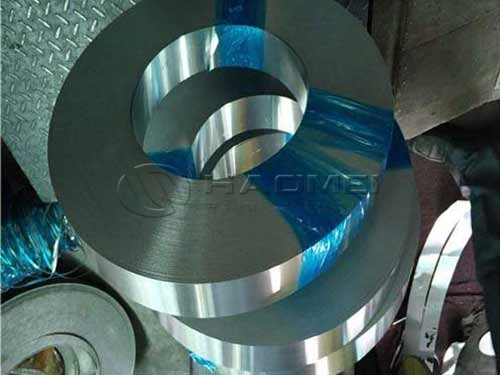
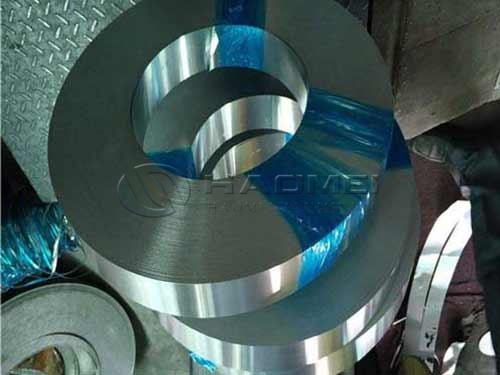
A brushed surface should be protected throughout processing. Protective film can reduce abrasion during slitting, roll forming, bending, transport, and site handling. Film should be removed at the appropriate stage to avoid adhesive residue or difficult removal after prolonged sun exposure.
Tools, rollers, and work tables should be clean and free from steel particles. Embedded iron contamination can stain aluminum surfaces over time. During bending, the brush direction should be considered because cross-grain deformation may be more visible on exposed architectural pieces.
Fastener compatibility is equally important. Aluminum should not remain in prolonged contact with incompatible metals in a wet environment, since galvanic corrosion may occur. Appropriate isolators, sealants, coated fasteners, and drainage design help preserve the roofing assembly.
A Refined Choice for Long-Life Roof Details
Brushed aluminum strip for roofing offers more than decorative appeal. It delivers low weight, corrosion resistance, forming flexibility, and a measured metallic finish suited to modern building design. With the right alloy, thickness, temper, surface protection, and installation detailing, it becomes a dependable material for roof panels and the many finishing components that define a roof's appearance and weather resistance.