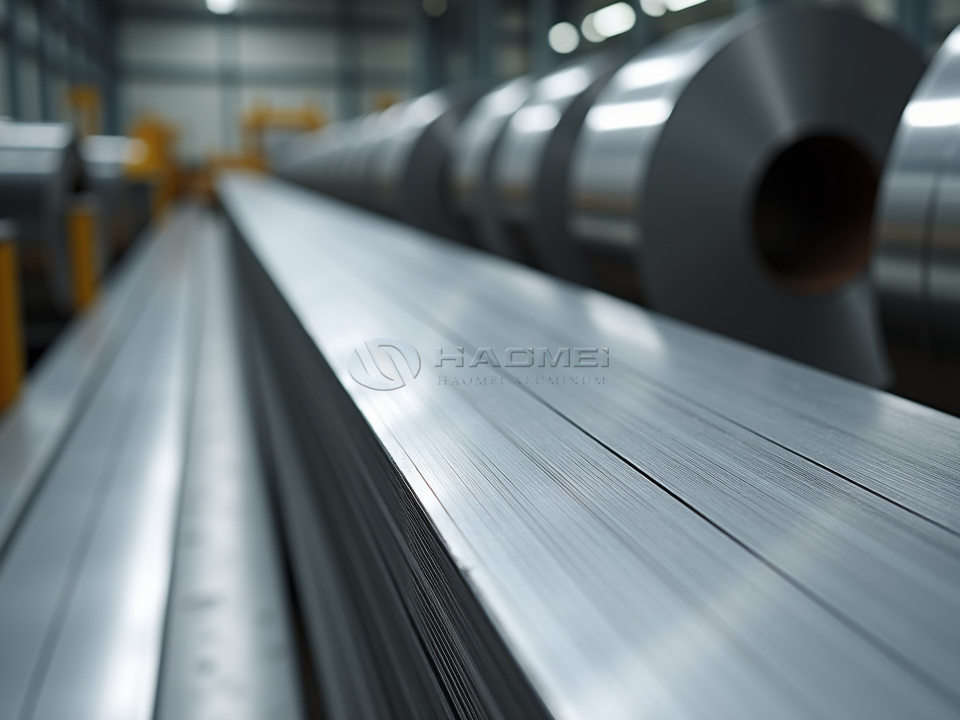
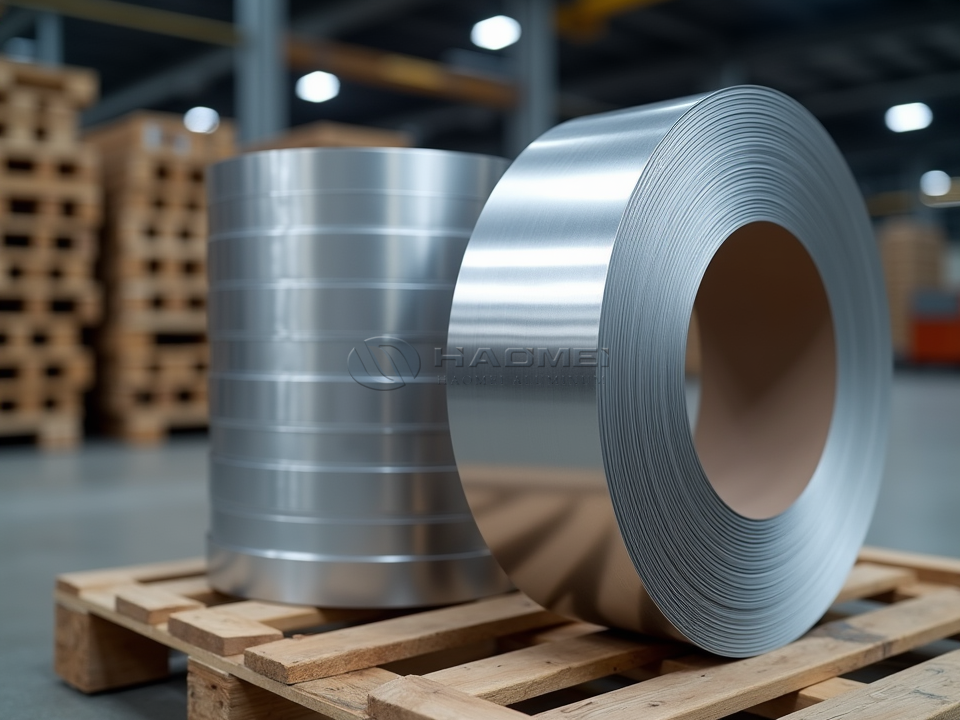
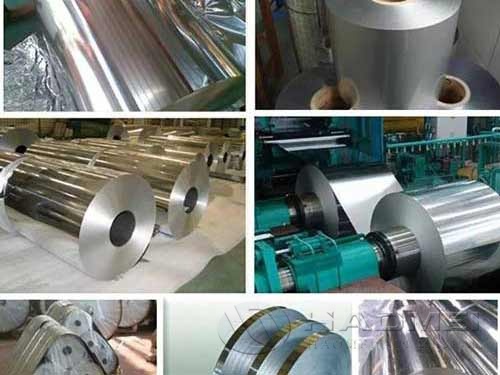
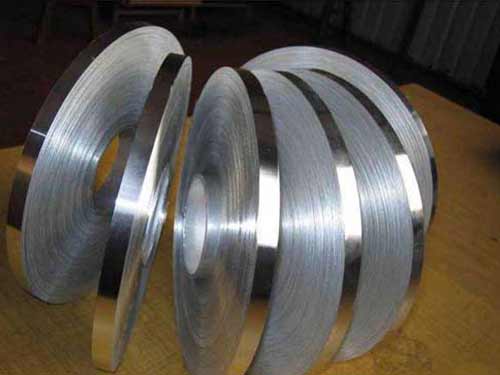
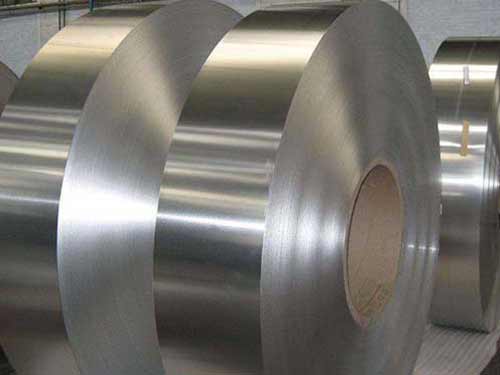
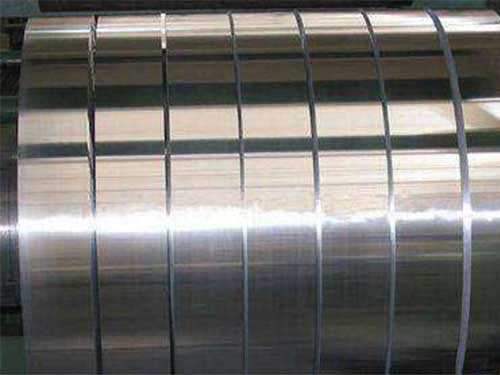
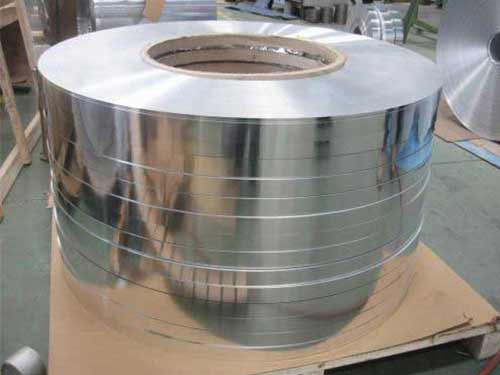
3D Sign Aluminum Strip Coils
A striking 3D sign is often judged by its illuminated face, bold color, or sharp logo shape. Yet the material forming the letter return, edge, and structural contour has an equally important role. 3D Sign Aluminum Strip Coils provide the flexible metal framework that turns a flat design into a durable dimensional sign.
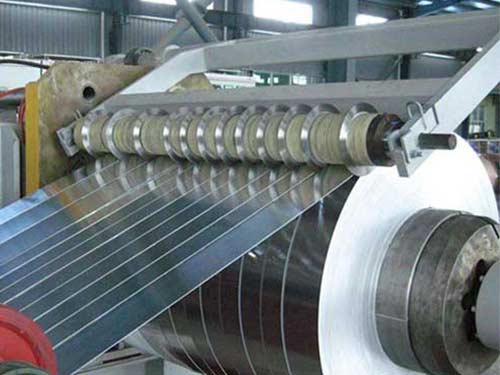
Used for channel letters, halo-lit letters, cabinet signs, logo outlines, and architectural signage, aluminum strip coils are slit from aluminum sheet into controlled widths. The coil is then bent, routed, welded, riveted, or bonded into the sidewall of a letter. In this application, aluminum is not simply a metal strip. It becomes the "skin" that carries a sign's depth, curvature, weather resistance, and visual precision.
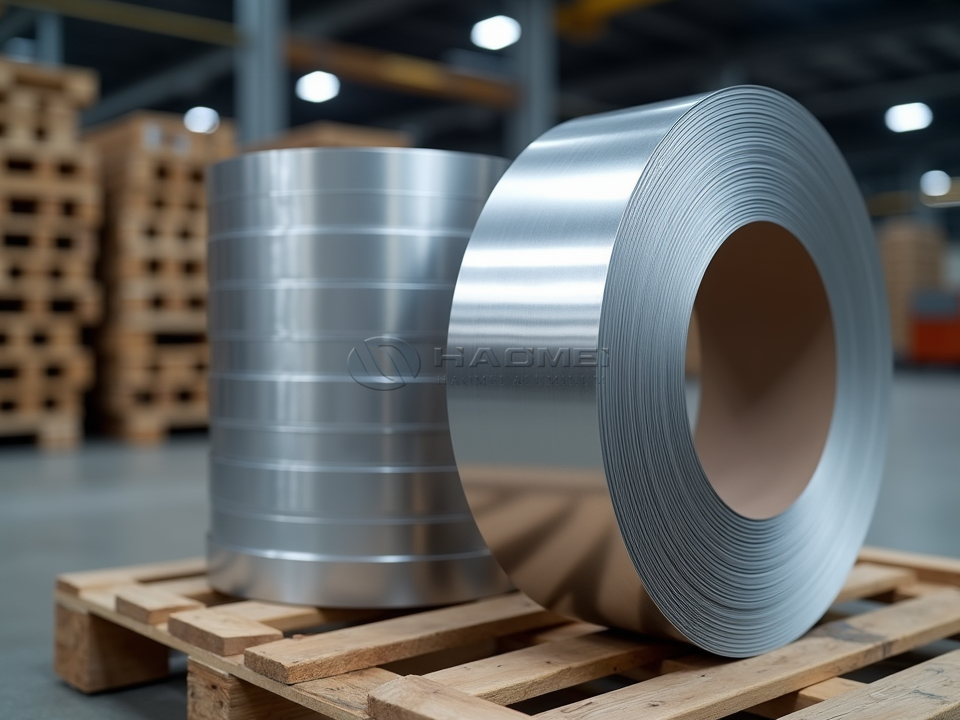
Why Aluminum Strip Performs Well in 3D Sign Fabrication
Sign shops need material that follows tight curves without cracking, maintains a clean edge after forming, and remains stable after installation. Aluminum meets these demands because it combines light weight with corrosion resistance and practical formability.
Compared with steel, aluminum reduces the dead load on sign frames and building façades. This matters for large storefront letters, rooftop logos, and suspended indoor signage. It also develops a natural oxide film that protects the base metal from normal atmospheric exposure. With painted, anodized, PVDF-coated, or powder-coated surfaces, the service life can be extended further in rain, sunlight, and urban environments.
For smaller letters with rounded returns, softer alloys are generally preferred. For larger signs or harsh outdoor locations, a stronger alloy may be chosen to resist distortion during transport and installation. The ideal coil is therefore selected from the perspective of the finished letter rather than from thickness alone.
Common Product Parameters
3D sign aluminum strip coils can be supplied according to letter depth, bending equipment, coating method, and fabrication technique. Typical purchasing parameters include the following.
| Property | Common Range or Condition |
|---|---|
| Alloy | 1050, 1060, 1100, 3003, 3105, 5052 |
| Temper | O, H14, H16, H18, H24, H32 |
| Thickness | 0.30 mm to 2.00 mm |
| Strip width | 20 mm to 300 mm, custom slit widths available |
| Coil inner diameter | 300 mm, 405 mm, 505 mm, or as agreed |
| Coil weight | Small coils for manual forming or larger coils for automated bending |
| Surface | Mill finish, brushed, stucco, anodized, painted, powder-coated, PVC film protected |
| Edge condition | Slit edge, deburred edge, rounded edge, or trimmed edge |
| Typical use | Channel letter returns, trim caps, sign cabinets, logo outlines, decorative profiles |
A width close to the required letter depth can reduce trimming waste. For example, a 100 mm deep channel letter can often use a coil slit near 100 mm wide, allowing the fabricator to form the return directly from the strip. Accurate width tolerance is especially valuable for automatic channel letter bending machines because inconsistent strip width can affect flange position and joint alignment.
Alloy Choice: Match the Metal to the Letter Shape
The 1xxx series is commonly selected for signs requiring smooth bending and economical processing. 1050 / 1060 Aluminum Strip is highly workable and well suited to curved letters, smaller radii, and painted sign returns. Its high aluminum content supports clean forming and dependable corrosion resistance in ordinary outdoor conditions.
1100 aluminum strip offers similar forming behavior, with slightly higher copper content than 1050 or 1060. It is often considered where softness and easy fabrication are more important than structural strength.
3003 and 3105 alloys add manganese, improving strength while preserving practical formability. They are useful for medium-depth letters, larger returns, and signs that need more rigidity after bending. These alloys are also commonly used when a painted finish is required.
For demanding outdoor environments, coastal areas, or signs exposed to repeated vibration, 5052 Aluminum Strip is a strong option. Its magnesium content gives it much better corrosion resistance and strength than the 1xxx series. However, because 5052 is less soft, tight-radius bending should be tested before production, particularly in harder tempers.
Chemical Composition Reference
The table shows commonly specified chemical limits or ranges by mass percentage. Exact requirements should follow the agreed alloy standard and purchase specification.
| Alloy | Si + Fe | Cu | Mn | Mg | Cr | Zn | Al |
|---|---|---|---|---|---|---|---|
| 1050 | ≤ 0.40 | ≤ 0.05 | ≤ 0.05 | ≤ 0.05 | - | ≤ 0.05 | ≥ 99.50 |
| 1060 | ≤ 0.35 | ≤ 0.05 | ≤ 0.03 | ≤ 0.03 | - | ≤ 0.05 | ≥ 99.60 |
| 1100 | ≤ 0.95 | 0.05-0.20 | ≤ 0.05 | - | - | ≤ 0.10 | ≥ 99.00 |
| 3003 | ≤ 0.60 Si, ≤ 0.70 Fe | 0.05-0.20 | 1.00-1.50 | - | - | ≤ 0.10 | Remainder |
| 5052 | ≤ 0.25 Si, ≤ 0.40 Fe | ≤ 0.10 | ≤ 0.10 | 2.20-2.80 | 0.15-0.35 | ≤ 0.10 | Remainder |
Magnesium is the reason 5052 behaves differently from soft commercial-purity aluminum. It provides strength and marine-atmosphere resistance, while manganese in 3003 improves stiffness and helps the strip retain shape after forming.
Temper Conditions and Forming Behavior
Temper describes the material condition after annealing or strain hardening. For 3D sign work, temper selection often determines whether a strip bends gracefully or develops edge cracking.
O temper is fully annealed and offers the highest ductility. It is a preferred choice for intricate scripts, small-radius letters, and hand-formed signage. Its softness also means it must be handled carefully to avoid dents and surface marks.
H14 and H24 tempers provide a balance between strength and formability. They are widely used for ordinary channel letters where the return needs enough stiffness to remain straight while still bending through standard equipment.
H16 and H18 tempers are harder and more resistant to deformation. They suit straight trims, rigid sign parts, and applications with limited forming. For tight curves, these tempers may require a larger bend radius or a different alloy.
H32 temper is often used with 5052 aluminum. It offers moderate strain hardening and good corrosion resistance, making it suitable for robust exterior signage, although forming trials are recommended for complex shapes.
Standards and Inspection Conditions
3D sign aluminum strip coils are commonly produced in line with ASTM B209/B209M for aluminum and aluminum-alloy sheet and strip. Chemical composition may be referenced to EN 573-3, while mechanical property requirements can follow EN 485-2. JIS H4000 and GB/T 3880 are also used where project documentation or regional supply requirements call for them.
Inspection should consider more than alloy certification. Sign fabricators benefit from confirming thickness tolerance, width tolerance, coil set, edge burr level, surface cleanliness, paint adhesion, color consistency, and protective-film performance. A coil that meets chemistry requirements but has excessive burrs can still slow production, damage gloves, or interfere with precise folded edges.
Practical Selection for Better Sign Results
For painted channel letter returns, 1050, 1060, 1100, or 3003 in O or H14 temper are practical choices. For polished, brushed, or anodized letters, surface quality becomes especially important because minor scratches may remain visible after fabrication. For coastal storefronts and exposed exterior projects, 5052 with a durable coating system can provide extra confidence.
The best 3D sign aluminum strip coil is the one that works smoothly from the first bend to the final installation. Its width should match the intended letter depth, its temper should suit the bending radius, its alloy should fit the environment, and its surface should support the desired visual finish. When these details are specified clearly, the coil becomes a dependable foundation for signage that looks precise in daylight and performs reliably long after the lights come on.