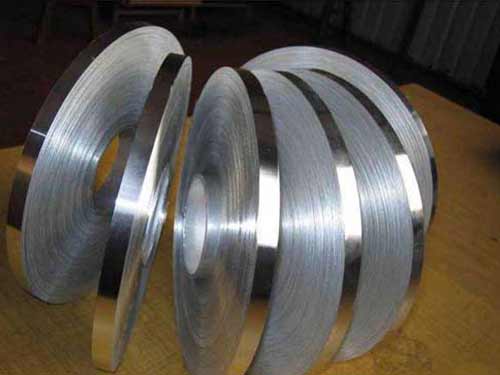
Aluminum Strip 1060 1100 3003
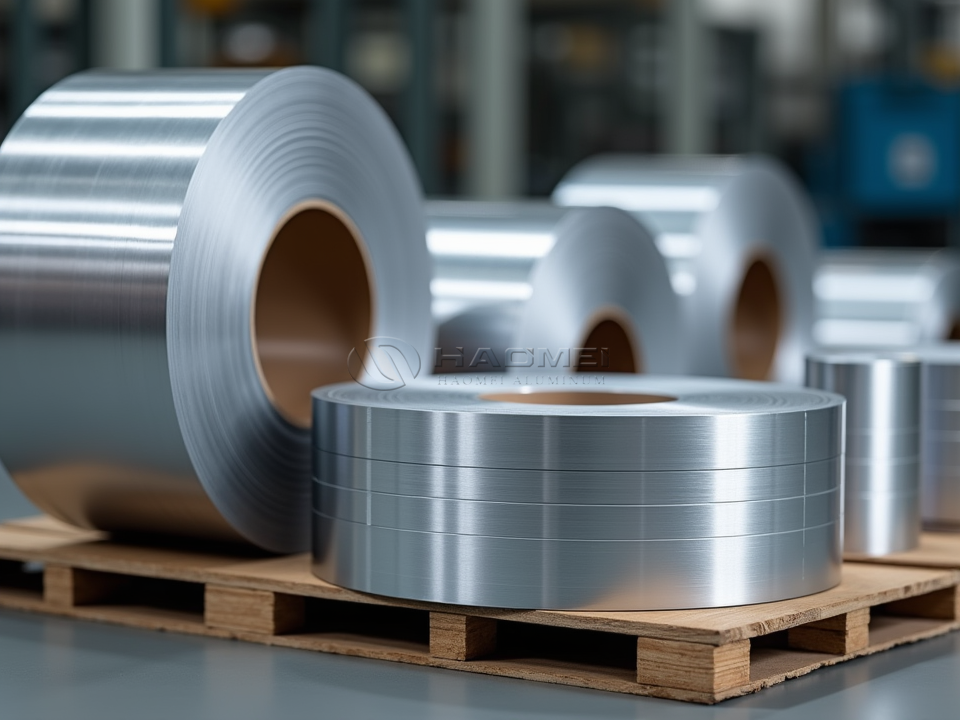
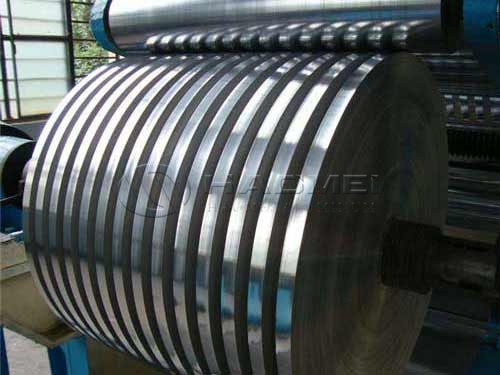
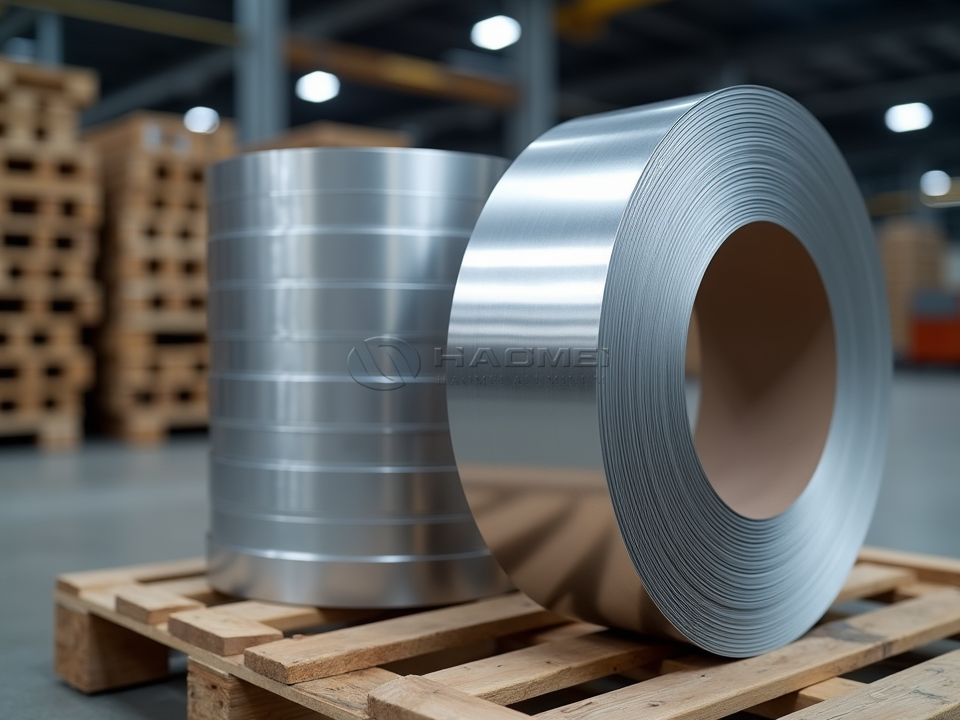
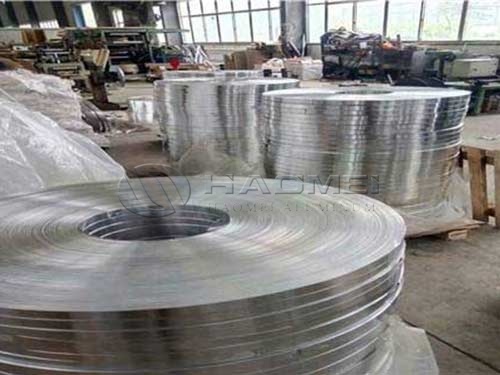
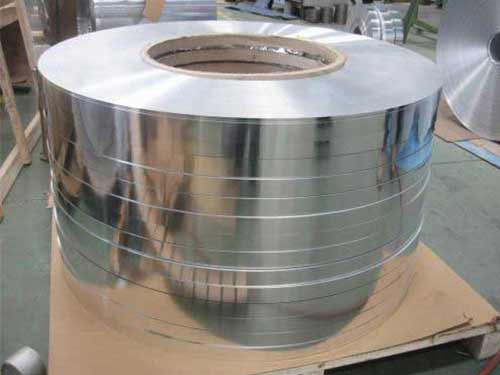
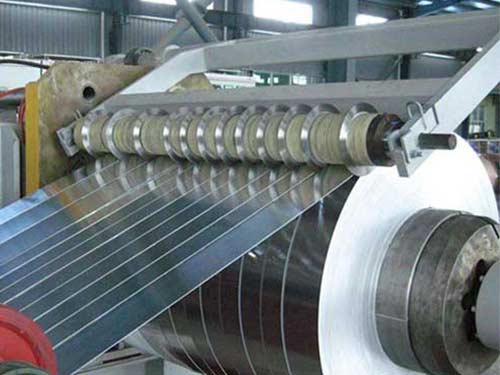
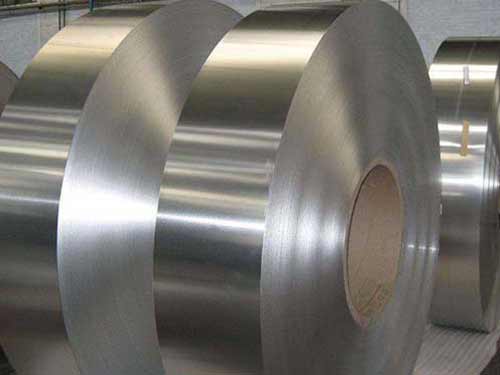
Aluminum strip 1060, 1100, and 3003 are widely used coil-slit materials for industries that need light weight, corrosion resistance, good forming behavior, and reliable processing performance. Supplied in narrow coils or wider slit coils, these materials support continuous stamping, bending, drawing, roll forming, and fabrication operations.
The three grades serve different production priorities. 1060 emphasizes high aluminum purity and electrical conductivity. 1100 offers excellent workability and a smooth, bright finish for general forming applications. 3003 contains manganese, providing higher strength and improved resistance to everyday industrial service while retaining good formability.
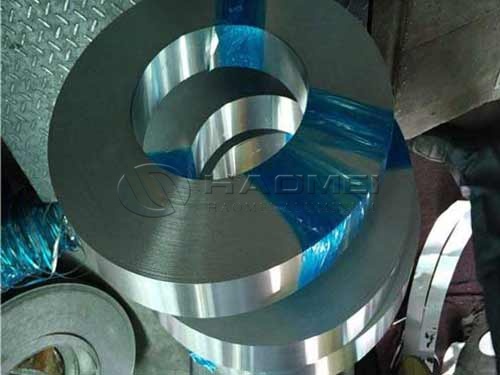
Material Characteristics at a Glance
| Grade | Alloy Family | Primary Strength | Formability | Electrical Conductivity | Typical Use Direction |
|---|---|---|---|---|---|
| 1060 | Pure aluminum | Low to moderate | Excellent | Very high | Electrical and chemical equipment |
| 1100 | Commercially pure aluminum | Low to moderate | Excellent | High | Deep drawing, decorative, general fabrication |
| 3003 | Aluminum-manganese alloy | Moderate | Good to excellent | Moderate | HVAC, cookware, roofing, stamped parts |
All three grades naturally form a dense aluminum oxide film in air. This protective layer helps resist corrosion in humid environments, during storage, and in many non-aggressive industrial settings. For harsh chemical exposure, marine conditions, or severe salt spray, material selection should consider the operating environment, joining method, surface treatment, and required service life.
Chemical Composition
Chemical composition has a direct effect on conductivity, tensile strength, bending behavior, weldability, and response to surface finishing. The values shown are commonly referenced maximum or nominal limits. Final specifications should follow the applicable standard and purchase agreement.
| Element, % | 1060 Aluminum Strip | 1100 Aluminum Strip | 3003 Aluminum Strip |
|---|---|---|---|
| Aluminum, Al | 99.60 min | 99.00 min | Balance |
| Silicon + Iron, Si + Fe | 0.35 max | 0.95 max | Si 0.60 max, Fe 0.70 max |
| Copper, Cu | 0.05 max | 0.05-0.20 | 0.05-0.20 |
| Manganese, Mn | 0.03 max | 0.05 max | 1.00-1.50 |
| Magnesium, Mg | 0.03 max | 0.05 max | 0.05 max |
| Zinc, Zn | 0.05 max | 0.10 max | 0.10 max |
| Other elements | Controlled | Controlled | Controlled |
The difference between pure aluminum grades and 3003 is especially important. The manganese addition in 3003 raises strength and improves resistance to denting. In return, its electrical conductivity is lower than that of 1060 or 1100. This makes 3003 more suitable for structural or formed components than for high-conductivity electrical parts.
1060 Aluminum Strip: High Purity and Electrical Performance
1060 aluminum strip contains at least 99.6% aluminum. Its simple composition creates excellent electrical and thermal conductivity, soft forming behavior, and strong resistance to atmospheric corrosion. It is easily bent, stamped, spun, and shaped in softer tempers such as O.
For electrical products, 1060 is commonly selected for transformer windings, conductive tabs, busbar-related components, cable shielding, heat-transfer fins, and electrical appliance parts. Its clean surface and stable coil quality also support automated punching and slitting lines.
When projects require high purity, low alloy content, and very good ductility, 1050 / 1060 Aluminum Strip is a practical material choice. Harder tempers such as H14 or H24 can improve handling stiffness and reduce deformation during fabrication, while O temper is preferred for complex forming.
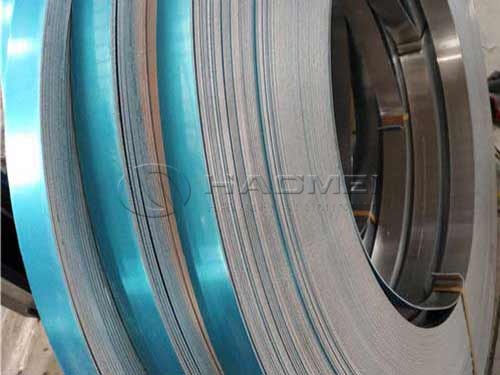
1100 Aluminum Strip: Smooth Forming for General Fabrication
1100 aluminum strip is a commercially pure aluminum grade known for excellent workability. It has a slightly broader impurity allowance than 1060 and may contain a small controlled copper addition. The result is a material with dependable forming performance, good corrosion resistance, attractive anodizing response, and a clean metallic appearance.
This grade is often used in lamp components, decorative trim, bottle caps, kitchenware, chemical containers, nameplates, reflectors, heat exchanger parts, and deep-drawn shells. Its ability to accept polishing, brushing, embossing, and color coating makes it suitable for visible surfaces as well as functional components.
1100 strip is not designed for high-load structural service. When strength is more important than deep drawing capability, 3003 is usually the better option. For parts that require intricate shaping, soft 1100-O can reduce the risk of splitting around tight radii and drawn corners.
3003 Aluminum Strip: Greater Strength for Demanding Fabrication
3003 aluminum strip is an aluminum-manganese alloy. It offers approximately higher strength than 1060 and 1100 in comparable tempers, while maintaining good bending, stamping, welding, and drawing characteristics. It is one of the most common non-heat-treatable aluminum strip grades for industrial manufacturing.
Typical 3003 applications include HVAC fins and cladding, roofing accessories, insulation jacketing, cooking utensils, storage tanks, vehicle trim, radiator components, building panels, gutters, and stamped housings. Its balance of strength and formability makes it especially useful where a pure aluminum grade may be too soft.
For projects requiring reliable mechanical performance with corrosion resistance and economical processing, 3003 Aluminum Strip is frequently specified in H14, H16, H18, H22, H24, or O temper. The suitable temper depends on whether the strip will be deeply drawn, lightly bent, roll formed, or used in a relatively flat finished component.
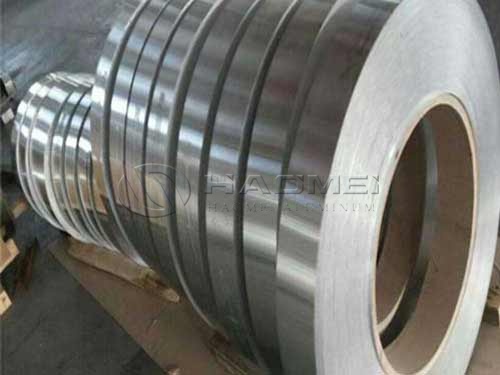
Typical Mechanical Properties
Mechanical values vary with temper, thickness, testing direction, and production standard. The following figures are representative ranges for common strip products rather than fixed limits for every order.
| Grade and Temper | Tensile Strength, MPa | Yield Strength, MPa | Elongation | Processing Behavior |
|---|---|---|---|---|
| 1060-O | 60-95 | 20-35 | High | Excellent for drawing and bending |
| 1060-H14 | 95-125 | 75-105 | Moderate | Good stiffness for stamped parts |
| 1100-O | 75-110 | 20-35 | High | Excellent for deep forming |
| 1100-H14 | 105-145 | 85-120 | Moderate | Suitable for general fabrication |
| 3003-O | 95-130 | 35-55 | Good | Suitable for drawing and formed shells |
| 3003-H14 | 130-170 | 115-150 | Moderate | Strong choice for panels and stampings |
Dimensions, Surface, and Delivery Options
Aluminum strip can be produced from hot-rolled or cast-rolled coil and slit to application-specific widths. Common thickness ranges extend from approximately 0.20 mm to 6.00 mm, while narrow strips may be supplied from several millimeters wide up to 1,600 mm before slitting. Coil weight, inner diameter, outer diameter, edge condition, and allowable camber should be aligned with the customer's decoiling equipment.
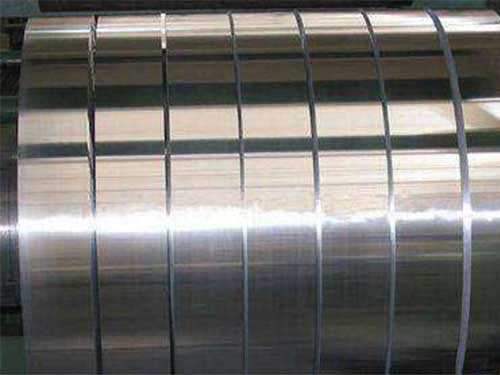
Available surface conditions can include mill finish, bright finish, brushed finish, embossed finish, color-coated surface, and protective-film-covered surface. Edge options may include mill edge, slit edge, deburred edge, or rounded edge for applications involving safe handling or precision winding.
For stamping and automated assembly, consistent thickness, low burr, stable coil tension, clean surface condition, and accurate width tolerance are essential. For decorative products, customers should also define surface appearance, color variation limits, scratch acceptance criteria, and protective packaging requirements.
Choosing the Suitable Grade
Choose 1060 when electrical conductivity, thermal transfer, purity, and easy forming are the main priorities. Choose 1100 when deep drawing, decorative finishing, and general-purpose fabrication are central to the design. Choose 3003 when the finished part needs more strength, improved dent resistance, and dependable performance in HVAC, building, cookware, or industrial sheet-metal work.
A well-matched alloy, temper, thickness, and edge condition helps reduce scrap, improve tool life, and keep production lines running smoothly. Aluminum strip 1060, 1100, and 3003 provide a flexible material range for manufacturers seeking efficient fabrication and long-term corrosion-resistant performance.