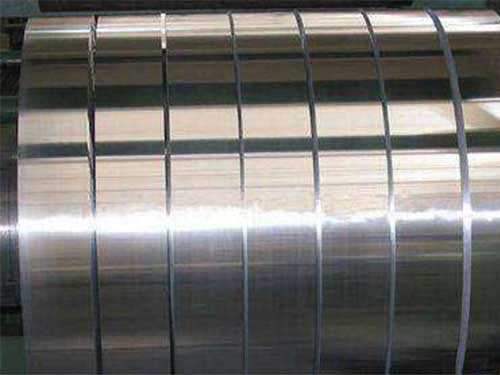
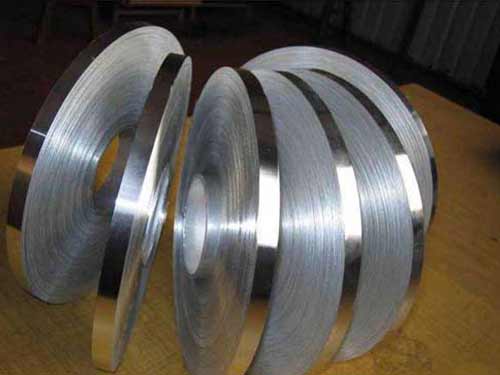
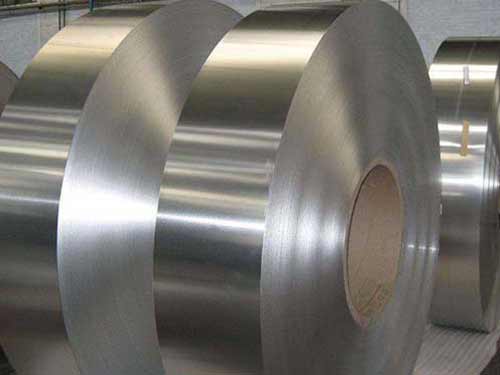
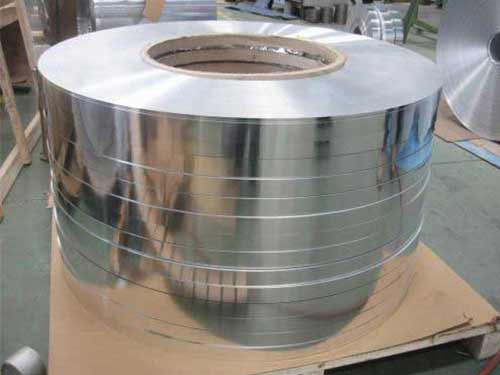
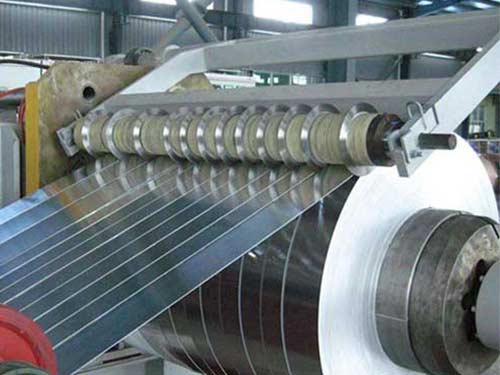
1050 1060 Aluminum Coil Strip
1050 1060 aluminum coil strip is a highly workable, commercially pure aluminum material designed for applications that demand clean surface quality, strong electrical conductivity, corrosion resistance, and economical processing. Produced from 1000-series aluminum, these strips contain at least 99.5% aluminum for grade 1050 and at least 99.6% aluminum for grade 1060. Their low alloy content gives them excellent formability and makes them especially suitable for bending, punching, spinning, deep drawing, and roll forming.
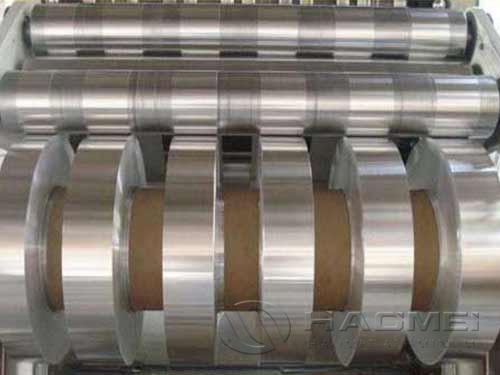
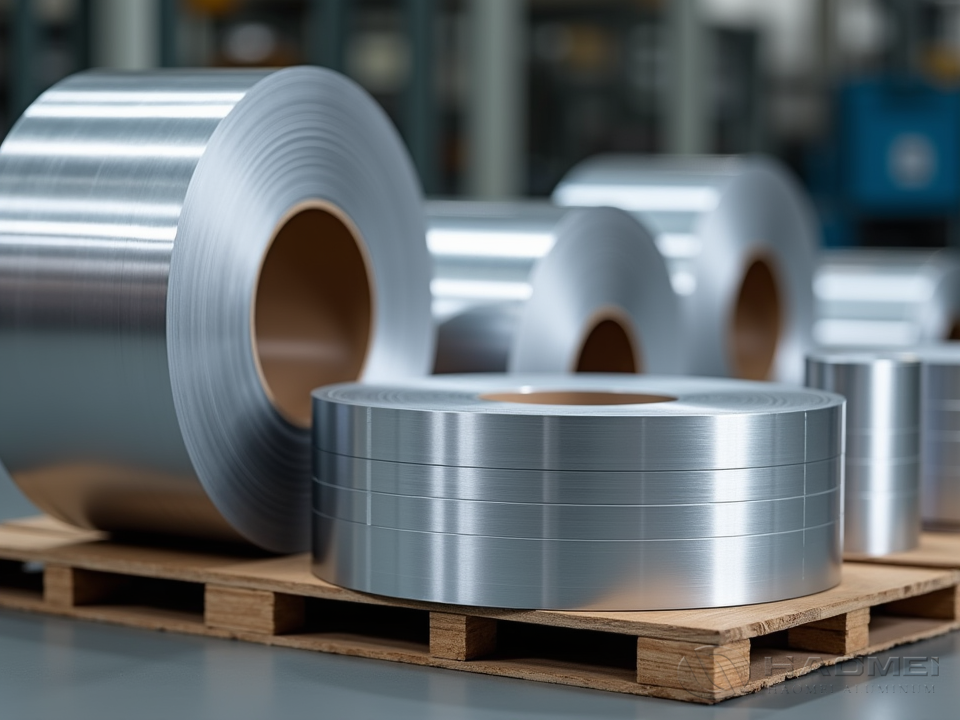
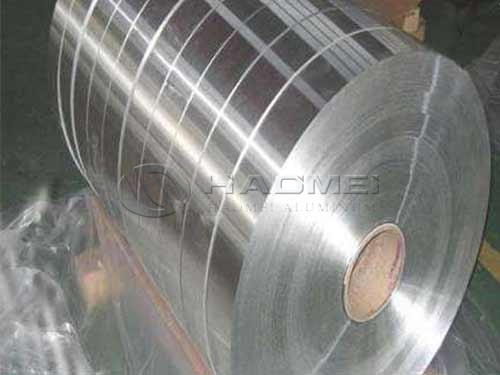
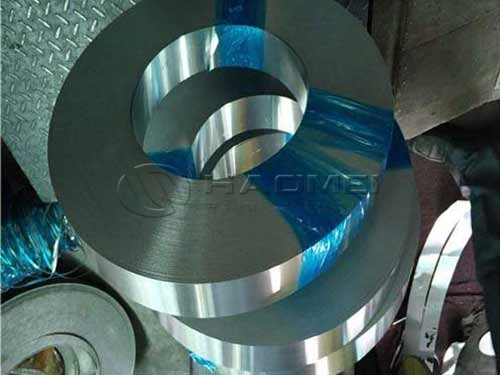
Available in slit coils or wide coils, 1050 and 1060 aluminum strips serve industries ranging from electrical equipment and cable production to lighting, construction, packaging, cookware, and decorative fabrication. Their bright metallic appearance and stable oxide film also help components retain an attractive finish during storage and service.
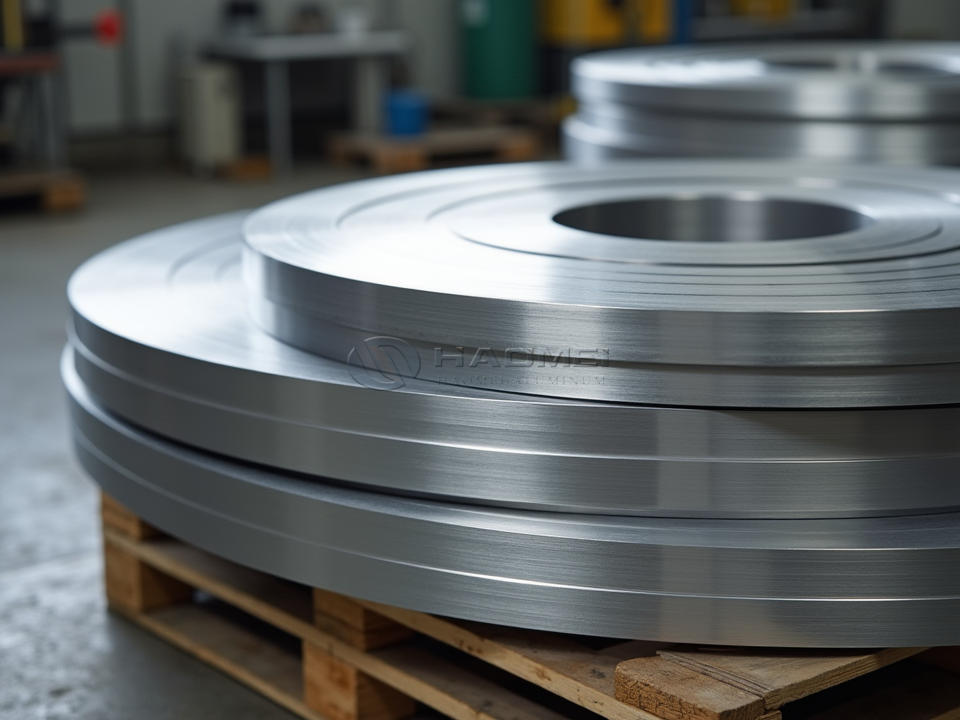
Material Characteristics
The principal advantage of 1050 1060 aluminum coil strip is its balance of purity and processability. Compared with higher-strength aluminum alloys, these grades are softer and easier to shape. They can be supplied in fully annealed condition for demanding forming operations or in harder tempers where improved rigidity and handling resistance are required.
1050 aluminum strip is often selected when reliable drawing performance, high reflectivity, and smooth surface requirements are important. 1060 aluminum strip offers slightly higher aluminum purity, delivering very good electrical and thermal conductivity. In practical purchasing, the choice commonly depends on the required conductivity level, forming method, surface standard, and local material specification.
| Property | 1050 Aluminum Coil Strip | 1060 Aluminum Coil Strip |
|---|---|---|
| Aluminum content | ≥ 99.50% | ≥ 99.60% |
| Density | Approx. 2.71 g/cm³ | Approx. 2.70 g/cm³ |
| Electrical conductivity | Approx. 59% IACS | Approx. 60% IACS |
| Thermal conductivity | Good | Very good |
| Corrosion resistance | Excellent | Excellent |
| Formability | Excellent | Excellent |
| Weldability | Good | Good |
| Typical strength level | Low to medium, depending on temper | Low to medium, depending on temper |
Chemical Composition
The composition of 1000-series aluminum is controlled to preserve its high purity and dependable processing behavior. Small amounts of iron and silicon are permitted, while copper, manganese, magnesium, zinc, and titanium are maintained at very low levels.
| Element | 1050 Composition, % | 1060 Composition, % |
|---|---|---|
| Aluminum, Al | ≥ 99.50 | ≥ 99.60 |
| Silicon, Si | ≤ 0.25 | ≤ 0.25 |
| Iron, Fe | ≤ 0.40 | ≤ 0.35 |
| Copper, Cu | ≤ 0.05 | ≤ 0.05 |
| Manganese, Mn | ≤ 0.05 | ≤ 0.03 |
| Magnesium, Mg | ≤ 0.05 | ≤ 0.03 |
| Zinc, Zn | ≤ 0.07 | ≤ 0.05 |
| Titanium, Ti | ≤ 0.05 | ≤ 0.03 |
Exact composition limits may be adjusted according to ASTM, EN, GB, JIS, or customer-specific standards. For electrical applications, buyers should also confirm conductivity, resistivity, coil joint requirements, and surface cleanliness before production approval.
Tempers and Mechanical Performance
Temper selection has a direct impact on bending behavior, flatness, hardness, and finished-part durability. Soft tempers provide the best ductility for deep-drawn or heavily formed parts. Harder tempers are appropriate for applications requiring a firmer strip profile, such as shutters, trim, stamped items, or certain cable components.
| Temper | Condition | Suitable Uses |
|---|---|---|
| O | Fully annealed, soft | Deep drawing, spinning, bending, embossing |
| H12 / H22 | Quarter hard | Light stamping, decorative trim, general fabrication |
| H14 / H24 | Half hard | Lighting parts, channel letters, building accessories |
| H16 / H26 | Three-quarter hard | Roll forming, semi-rigid profiles |
| H18 | Full hard | Flat components, stiff strips, protective applications |
Typical thickness ranges extend from thin gauge strip for fins, lamp caps, and packaging to heavier material for transformer windings, signs, and industrial stamping. Common widths include narrow slit strips from 10 mm upward and master coils exceeding 1,000 mm wide before slitting. Coil inner diameter, outer diameter, weight, edge condition, and allowable burr can all be tailored to the customer's equipment.
Surface and Processing Advantages
1050 1060 aluminum coil strip is valued for a naturally clean and bright finish. Mill finish material is widely used for functional components, while brushed, polished, embossed, coated, color-coated, or laminated surfaces can support decorative and protective requirements. The aluminum oxide film forms naturally in air, helping the strip resist ordinary atmospheric corrosion without adding substantial weight.
These grades can be sheared, slit, stamped, punched, folded, riveted, welded, and bonded. Their high ductility reduces the risk of cracking during tight-radius forming when the proper temper is selected. For applications with demanding visual standards, surface inspection should address oil marks, scratches, edge wave, coil set, color consistency, and inclusions.
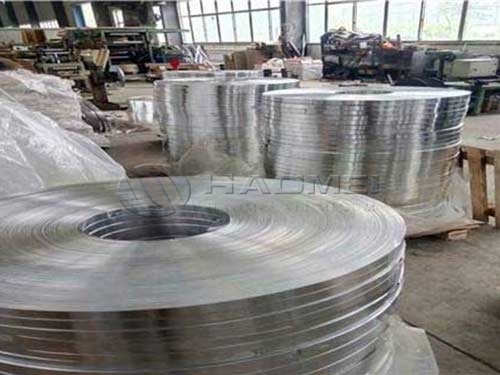
Common Applications
Electrical and thermal uses are among the most important markets for 1050 and 1060 aluminum strip. The material is used in transformer windings, busbars, cable shielding, heat-transfer parts, battery components, and electrical connectors where lightweight conductivity is beneficial. Soft 1060 strip is particularly practical for transformer and winding applications because it can be processed into accurate narrow coils with controlled edges.
In the lighting sector, the strip is used for lamp caps, reflector components, LED housings, decorative panels, and heat-dissipation accessories. Its reflective surface and easy stamping behavior help manufacturers create detailed shapes with efficient press operations.
Packaging and household products also make frequent use of these grades. Typical products include bottle caps, closure shells, food containers, cosmetic packaging, utensil parts, nameplates, and appliance trim. For stamped consumer products, 1050 aluminum can offer a desirable combination of smooth finish and economical material cost.
Construction-related uses include insulation cladding, roofing accessories, gutters, ceiling strips, curtain-wall trim, shutters, signage, and decorative edging. Where greater structural strength or marine corrosion resistance is required, buyers may consider alternatives such as 3003 Aluminum Strip or 5052 material. For products centered on high purity, electrical performance, and forming flexibility, 1050 / 1060 Aluminum Strip remains a practical choice.
Purchase Considerations
A well-defined order should state alloy, temper, thickness tolerance, width tolerance, coil weight, inner diameter, surface finish, edge type, and packaging method. Slit-strip projects also benefit from confirming burr direction and maximum burr height, particularly when material will be wound, insulated, laminated, or passed through high-speed stamping equipment.
For deep drawing, specify annealed O temper and describe the forming depth, draw ratio, and lubrication process. For electrical coils, define conductivity requirements, resistance limits, insulation compatibility, and acceptable splice policy. For cosmetic or coated products, agree on surface samples before mass production.
1050 1060 aluminum coil strip provides a lightweight, corrosion-resistant, highly formable solution for a broad range of industrial and consumer products. With the correct temper, dimensions, and surface condition, it supports stable processing and attractive finished components across electrical, lighting, packaging, and fabrication markets.