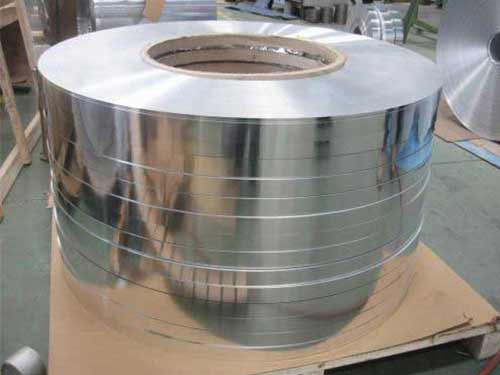
Reflective Aluminum Strip
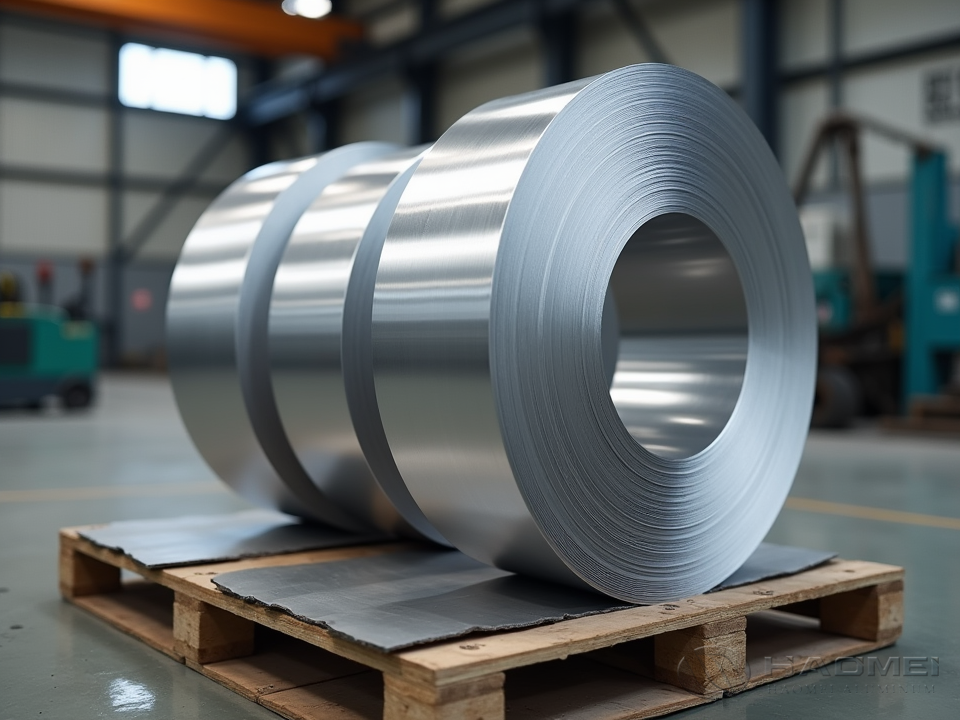
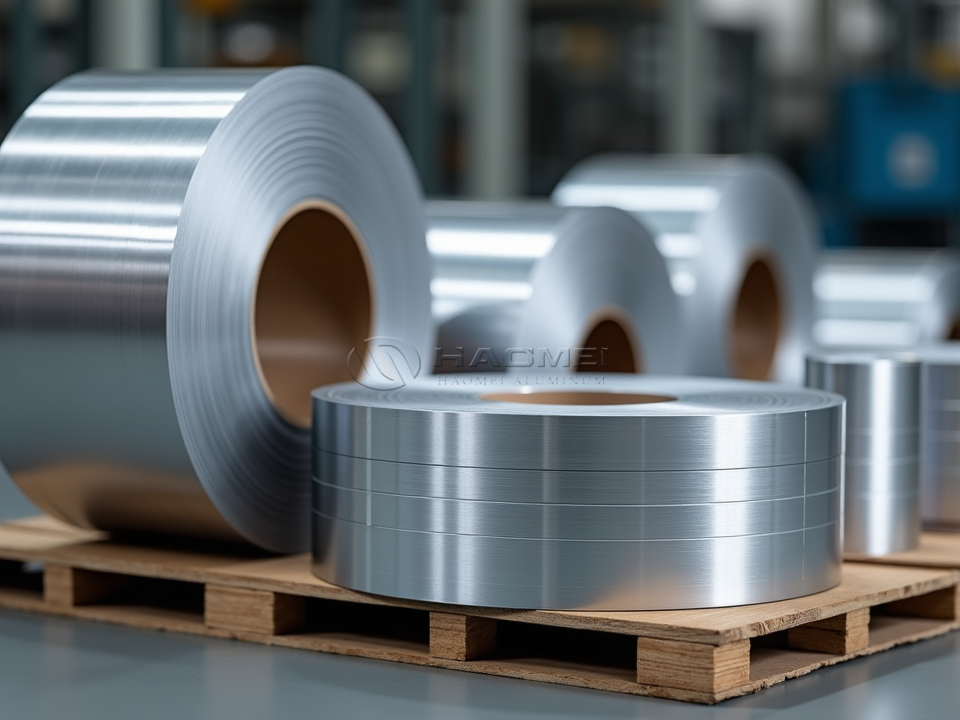
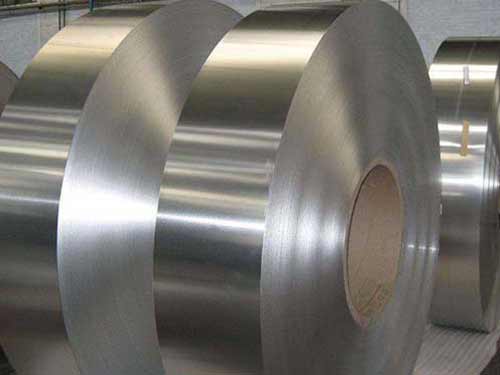
Reflective aluminum strip is a precision-slit aluminum product designed to redirect light, heat, or visual brightness with high efficiency. It combines the low weight and formability of aluminum with a bright surface finish, making it suitable for LED lighting, solar reflectors, illuminated signage, decorative panels, appliance trims, and optical components.
Unlike ordinary mill-finish strip, reflective aluminum strip is processed through controlled rolling, leveling, surface cleaning, brightening, anodizing, coating, or mirror polishing. The result is a clean, consistent surface that can improve light output, reduce energy loss, and enhance product appearance.
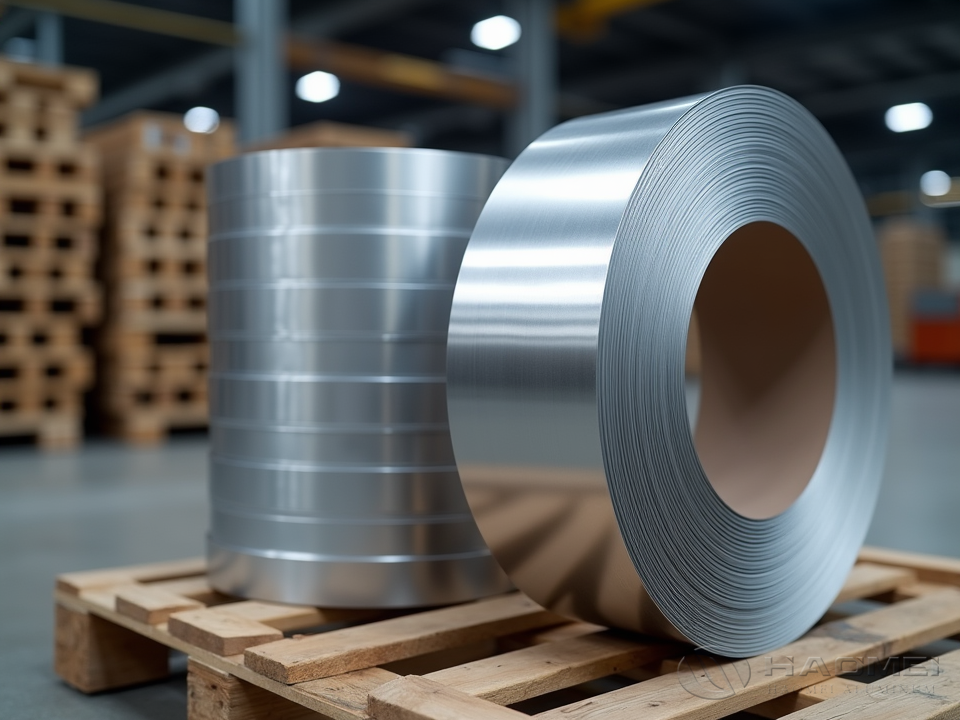
What Makes Reflective Aluminum Strip Different
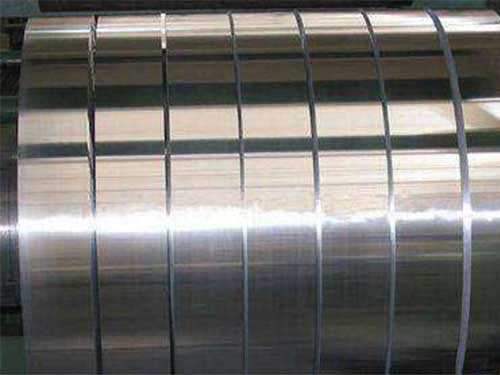
Reflective aluminum strip is valued because it delivers optical performance while remaining easy to stamp, bend, laminate, or assemble. The surface may be mirror-like, semi-specular, satin, embossed, or coated depending on the final application.
| Surface Type | Appearance | Typical Use | Main Advantage |
|---|---|---|---|
| Mirror finish | Highly bright, image-reflective | LED reflectors, decorative trim | High specular reflection |
| Anodized reflective | Bright with protective oxide layer | Lamps, solar reflectors, outdoor panels | Better corrosion resistance |
| Coated reflective | Bright surface with organic coating | Signage, ceiling panels, appliance parts | Color stability and easy cleaning |
| Diffuse reflective | Soft, non-glare reflection | Light boxes, interior lighting | Uniform light distribution |
| Embossed reflective | Patterned bright surface | Decorative panels, heat shields | Improved stiffness and visual texture |
High-purity aluminum grades are often preferred for optical brightness. For lamp reflectors and bright trims, 1050 / 1060 Aluminum Strip is widely used because its aluminum content supports excellent reflectivity and stable forming behavior. For outdoor housings or parts needing higher strength, 5052 Aluminum Strip can be selected with a suitable reflective coating.
Alloy Selection and Chemical Composition
The alloy has a direct influence on reflectivity, corrosion resistance, strength, and forming performance. Pure aluminum grades provide the highest natural brightness, while Al-Mn and Al-Mg alloys provide better mechanical strength.
| Alloy | Al Content | Si | Fe | Cu | Mn | Mg | Zn | Main Character |
|---|---|---|---|---|---|---|---|---|
| 1050 | >= 99.50% | <= 0.25% | <= 0.40% | <= 0.05% | <= 0.05% | <= 0.05% | <= 0.05% | High brightness, excellent ductility |
| 1060 | >= 99.60% | <= 0.25% | <= 0.35% | <= 0.05% | <= 0.03% | <= 0.03% | <= 0.05% | Very high reflectivity and formability |
| 1070 | >= 99.70% | <= 0.20% | <= 0.25% | <= 0.04% | <= 0.03% | <= 0.03% | <= 0.04% | Premium optical brightness |
| 1100 | >= 99.00% | Si + Fe <= 0.95% | Included | 0.05-0.20% | <= 0.05% | - | <= 0.10% | Good general reflective performance |
| 3003 | Balance | <= 0.60% | <= 0.70% | 0.05-0.20% | 1.00-1.50% | - | <= 0.10% | Better strength, moderate reflection |
| 5052 | Balance | <= 0.25% | <= 0.40% | <= 0.10% | <= 0.10% | 2.20-2.80% | <= 0.10% | Stronger, good marine resistance |
Technical Specifications
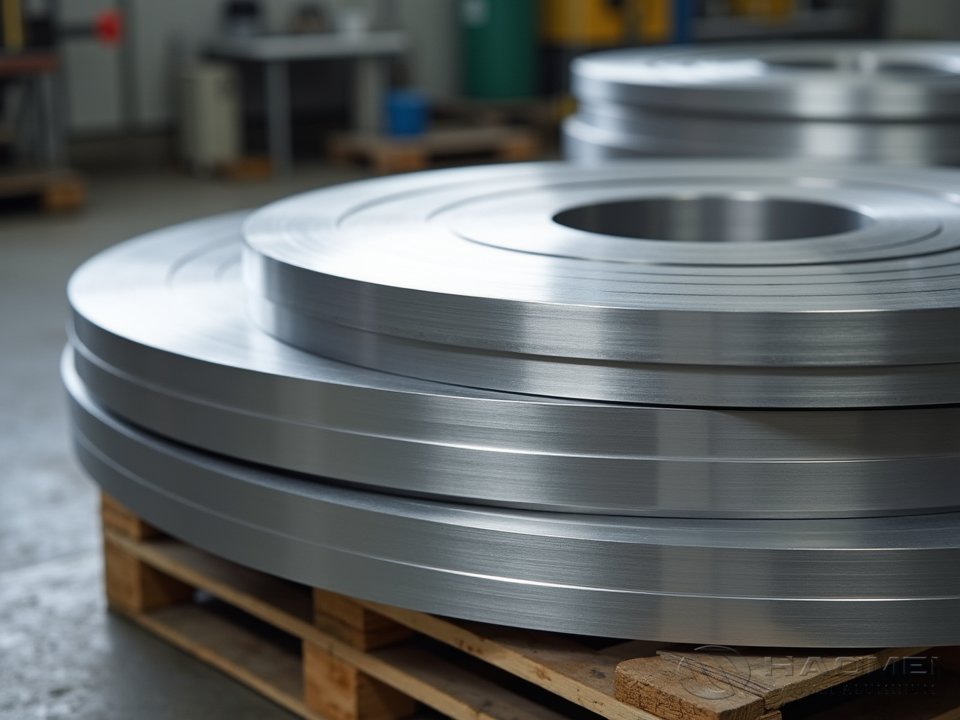
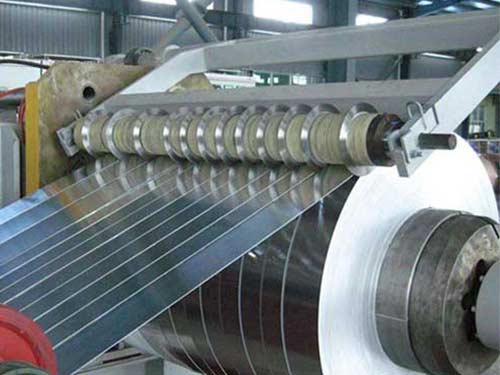
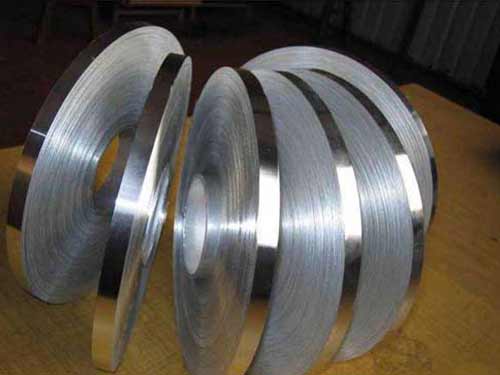
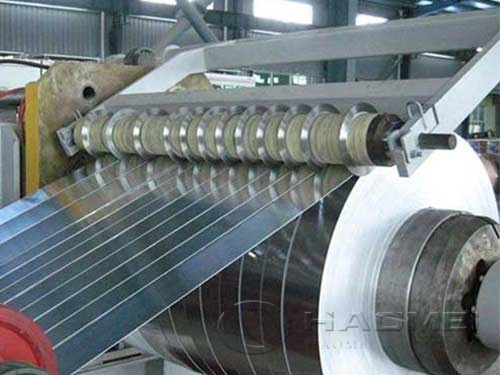
Reflective aluminum strip can be supplied in narrow strip, wide strip, or slit coil form. Dimensions should be matched with stamping dies, roll forming lines, lamp reflector tooling, or panel fabrication equipment.
| Parameter | Common Range | Custom Notes |
|---|---|---|
| Thickness | 0.10-3.00 mm | Thin gauges for reflectors, thicker gauges for panels |
| Width | 10-600 mm | Precision slitting available for narrow strips |
| Coil ID | 150 mm, 300 mm, 405 mm, 508 mm | Selected by decoiler requirement |
| Coil OD | 500-1,500 mm | Based on handling and line speed |
| Temper | O, H12, H14, H16, H18, H24 | Softer tempers for deep forming, harder tempers for flatness |
| Surface Roughness | Ra 0.02-0.20 µm | Lower Ra supports higher specular reflection |
| Reflectivity | 80-95% typical | Depends on alloy, polish, anodizing, and coating |
| Edge Condition | Slit, deburred, rounded | Important for electrical and lighting assembly |
| Protective Film | PE film or paper interleaf | Prevents scratches during stamping and transport |
Mechanical Properties
Mechanical values vary by alloy, temper, thickness, and heat history. The data shown are typical reference values for product selection.
| Alloy and Temper | Tensile Strength | Yield Strength | Elongation | Forming Suitability |
|---|---|---|---|---|
| 1050 O | 60-100 MPa | 20-45 MPa | 25-40% | Excellent deep drawing and bending |
| 1060 H24 | 105-145 MPa | 75-115 MPa | 8-18% | Good stamping and stable shape |
| 1070 H18 | 120-160 MPa | 100-140 MPa | 3-8% | High flatness, limited forming |
| 1100 H14 | 95-130 MPa | 70-105 MPa | 10-20% | General reflector and trim forming |
| 3003 H24 | 145-185 MPa | 115-155 MPa | 5-15% | Better dent resistance |
| 5052 H32 | 210-260 MPa | 160-215 MPa | 8-18% | Strong outdoor parts and housings |
Optical and Surface Performance
The value of reflective aluminum strip is measured not only by brightness but also by consistency. A reliable strip should show stable reflectivity from coil to coil, minimal streaks, good coating adhesion, and resistance to oxidation.
| Performance Item | Typical Value | Customer Benefit |
|---|---|---|
| Total reflectance | 80-95% | Higher light output from the same energy input |
| Specular reflectance | 60-90% | Focused beam control for reflectors |
| Diffuse reflectance | 70-88% | Smooth light spreading without hot spots |
| Anodic film thickness | 2-15 µm | Oxidation protection and surface durability |
| Coating thickness | 5-25 µm | Improved stain resistance and color stability |
| Flatness tolerance | 2-8 mm/m | Easier assembly and cleaner visual effect |
| Surface cleanliness | No oil stain, dust, or black line by agreement | Better bonding, coating, and stamping quality |
Benefits for Manufacturers
Reflective aluminum strip supports efficient production and strong finished-product performance. It is light enough for high-speed processing, yet stable enough for precision components.
| Benefit | Practical Result |
|---|---|
| High reflectance | Improves lamp efficiency and reduces energy waste |
| Low density | Reduces part weight compared with steel or copper-based materials |
| Good formability | Supports bending, stamping, rolling, and shallow drawing |
| Corrosion resistance | Extends service life in indoor and selected outdoor environments |
| Thermal conductivity | Helps dissipate heat in LED and electronic applications |
| Recyclability | Supports material recovery and lower environmental burden |
| Decorative brightness | Creates a premium metallic appearance without heavy plating |
Typical Applications
Reflective aluminum strip is used wherever brightness, low weight, and clean surface quality matter.
| Industry | Application | Recommended Surface |
|---|---|---|
| LED lighting | Reflector cups, light channels, linear lamp inserts | Mirror or anodized reflective |
| Solar energy | Solar collector reflectors, thermal panels | Anodized or coated reflective |
| Signage | Channel letters, light boxes, advertising panels | Coated or diffuse reflective |
| Automotive | Interior trim, heat shields, lamp components | Anodized or embossed reflective |
| Appliances | Refrigerator trim, oven panels, decorative strips | Mirror or brushed reflective |
| Architecture | Ceiling strips, wall panels, partition trim | Coated reflective or satin finish |
| Electronics | Heat-spreading parts, reflective shielding | Bright mill finish or coated surface |
Production Control and Inspection
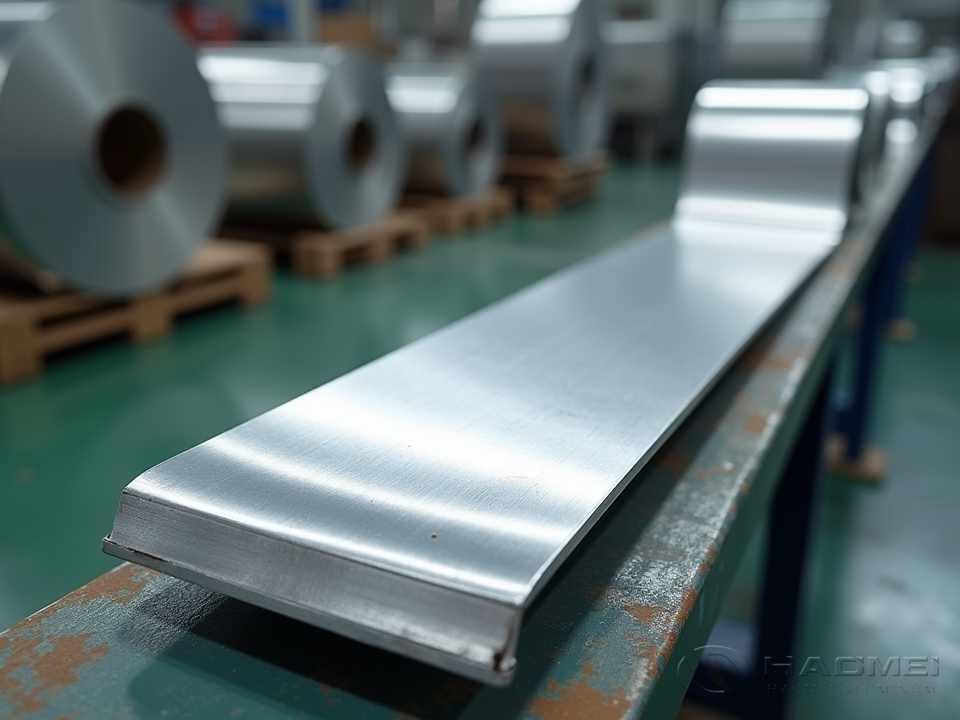
A stable reflective surface requires strict control at every stage. Rolling marks, dust, oil residue, scratches, and coil handling defects can reduce optical quality, so inspection is performed before packing.
| Process Stage | Control Focus | Inspection Method |
|---|---|---|
| Casting and rolling | Alloy purity, grain structure | Chemical analysis and surface check |
| Cold rolling | Thickness accuracy, flatness | Gauge measurement and shape inspection |
| Surface finishing | Brightness, roughness, defect removal | Reflectance meter and visual inspection |
| Slitting | Burr height, width tolerance, edge quality | Micrometer, edge profile check |
| Coating or anodizing | Film thickness, adhesion, color stability | Thickness gauge and tape test |
| Packing | Moisture protection, scratch prevention | Film, paper, desiccant, pallet inspection |
Selection Guidance
Choosing the right reflective aluminum strip depends on optical target, forming level, service environment, and budget.
| Customer Requirement | Suggested Choice |
|---|---|
| Highest brightness for indoor reflectors | 1060 or 1070 mirror/anodized strip |
| Deep drawing or complex stamping | 1050 O or 1060 O strip |
| Better rigidity for panels | 3003 H24 or 5052 H32 strip |
| Outdoor decorative use | Coated or anodized 5052 strip |
| Low-glare lighting | Diffuse reflective strip |
| Premium visual trim | Mirror, brushed, or satin reflective strip |
Ordering Information
For accurate quotation and stable production, customers should provide alloy, temper, thickness, width, coil ID, coil weight, surface type, reflectivity requirement, protective film demand, and packaging standard. If the strip will be stamped, bent, bonded, or anodized after delivery, sharing the processing method helps the mill adjust surface protection, lubrication, and mechanical properties.
Reflective aluminum strip offers a strong balance of brightness, workability, corrosion resistance, and lightweight performance. With the right alloy and surface finish, it can improve lighting efficiency, enhance product design, and reduce manufacturing weight across many modern applications.