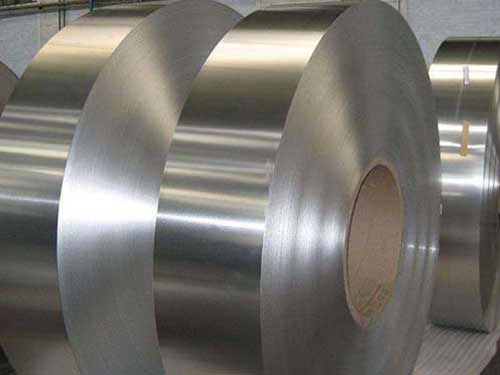
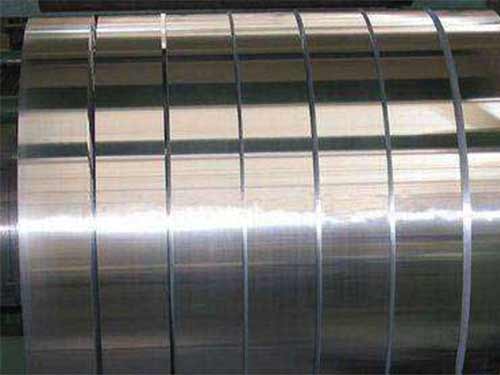
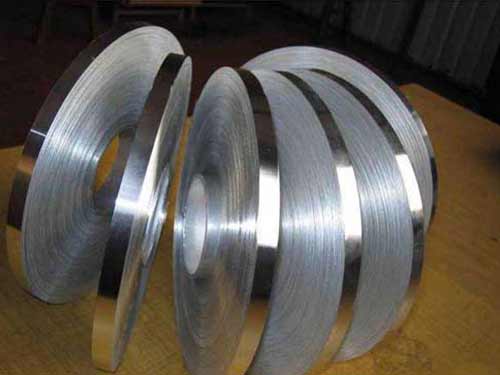
Package Aluminum Strip for Medical Caps
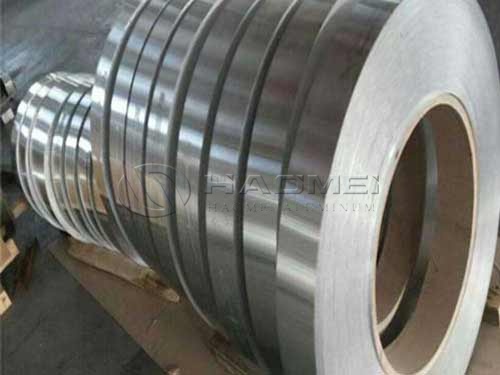
Package aluminum strip for medical caps is designed for the manufacture of pharmaceutical closures, healthcare bottle caps, vial seals, infusion bottle caps, and other hygienic packaging components. It combines stable mechanical properties with a clean surface and controlled dimensional accuracy, helping cap producers achieve efficient stamping, smooth drawing, dependable crimping, and consistent decorative results.
Medical packaging requires more than an attractive metal surface. The aluminum strip must perform reliably through slitting, blanking, deep drawing, curling, embossing, printing, lacquer coating, and final assembly with liners or rubber stoppers. A properly selected aluminum alloy and temper help prevent cracking, wrinkling, edge burrs, and surface defects during high-speed cap production.
Designed for Medical Closure Production
Aluminum caps are widely used because aluminum is light, corrosion-resistant, non-magnetic, and easy to process. In medical and pharmaceutical packaging, the strip is commonly converted into tear-off caps, flip-off caps, vial caps, oral liquid caps, aerosol-related closures, and decorative outer shells for container systems.
The strip can be supplied in plain mill finish or prepared for subsequent coating and printing. Its smooth, uniform surface supports protective lacquer, colored coatings, logo printing, and embossing. This gives healthcare brands a clean and professional package appearance while supporting batch identification and product differentiation.
For many cap-making operations, 8011 Aluminum Strip is a preferred choice because it offers practical strength, good formability, and stable performance in stamping and drawing processes. Softer grades can also be selected when deeper forming or less demanding cap geometries are required.
Product Parameters
| Property | Typical Range or Option | Production Benefit |
|---|---|---|
| Alloy | 1050, 1060, 1070, 1100, 3003, 8011 | Matches forming depth, strength, and finish needs |
| Temper | O, H14, H16, H18 | Provides suitable softness or rigidity for cap conversion |
| Thickness | 0.16-0.50 mm | Suitable for common medical and pharmaceutical cap shells |
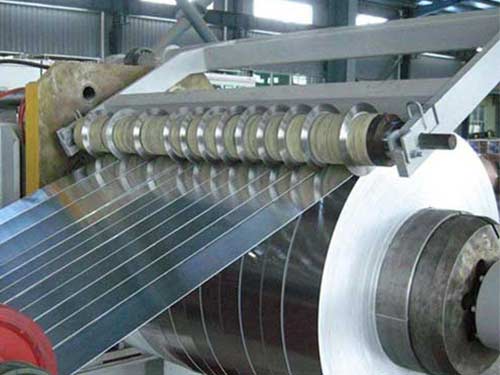
| Width | 20-1,250 mm | Can be slit to cap-making line requirements |
| Coil inner diameter | 150 mm, 300 mm, 505 mm | Compatible with different decoiling equipment |
| Surface | Mill finish, degreased, coated, lacquer-ready | Supports clean processing and decorative treatment |
| Edge condition | Slit edge, burr-controlled | Reduces tooling wear and improves safe handling |
| Coil weight | Customized | Fits press capacity and material handling methods |
Actual tolerances should be agreed according to strip width, thickness, cap profile, press speed, and coating route. Narrow-width material often requires especially careful slitting control, since inconsistent edges may affect blanking quality and cap curl formation.
Chemical Composition Options
The alloy selection influences elongation, hardness, corrosion behavior, and compatibility with forming operations. High-purity aluminum grades offer excellent workability, while 8011 provides a balanced combination of formability and strength for many closure applications.
| Alloy | Main Chemical Characteristics | Typical Medical Cap Use |
|---|---|---|
| 1050 | Aluminum minimum 99.5%; controlled Fe and Si | Soft caps, simple drawn closures, decorative shells |
| 1060 | Aluminum minimum 99.6%; high ductility | Deep drawing and applications needing high plasticity |
| 1100 | Aluminum minimum 99.0%; good corrosion resistance | General-purpose pharmaceutical packaging caps |
| 3003 | Al-Mn alloy with approximately 1.0-1.5% Mn | Caps requiring moderately higher strength |
| 8011 | Al-Fe-Si alloy with controlled Fe and Si | Vial caps, flip-off caps, tear-off caps, coated closures |
For operations that demand very soft material and smooth deformation, 1050 / 1060 Aluminum Strip can provide excellent drawing behavior. For stronger cap shells or more complex production conditions, 8011 and selected 3003 tempers may be more suitable.
Forming Performance That Supports Stable Output
Cap production places repeated stress on the strip. The metal is often blanked into discs, drawn into shells, curled around the lower edge, and fitted with an internal sealing component. If the strip has uneven hardness, excessive residual stress, oil contamination, or poor flatness, production interruptions may occur.
Package aluminum strip for medical caps is controlled to promote stable conversion. Good elongation allows the material to flow during drawing. Appropriate tensile strength helps the cap retain its shape after forming. A clean surface reduces the risk of coating adhesion issues and helps maintain a polished visual finish.
Important performance characteristics include:
- Consistent thickness across the coil width for even cap walls
- Stable temper for repeatable drawing and curling behavior
- Fine, uniform grain structure for a smooth stamped surface
- Controlled coil flatness to support reliable feeding
- Low burr edges to reduce die damage and improve cap safety
- Surface cleanliness for coating, printing, and lacquer application
- Corrosion resistance for storage and use in humid environments
The material itself is usually an outer closure component. Final suitability for a specific pharmaceutical pack depends on the complete closure design, including coatings, liners, rubber parts, sterilization method, intended contents, and regulatory requirements.
Surface Finish and Decoration Possibilities
Medical caps often serve both protective and identification functions. Colored coatings can distinguish product lines, dosage forms, or container sizes. Printed graphics can carry brand marks, symbols, and production information. Embossing may add visual depth or improve grip on certain cap designs.
Available finishing routes can include clear protective lacquer, white base coating, colored paint, epoxy-based internal lacquer, polyester coating, and printed external surfaces. Coating selection should consider forming severity, adhesion requirements, chemical exposure, and the sterilization conditions used by the packaging system.
A good aluminum strip surface should be free from severe scratches, dents, oil stains, roll marks, oxidation spots, edge waves, and foreign inclusions that could become visible after painting or printing. For premium healthcare packaging, cosmetic consistency is especially important because caps are directly visible to doctors, pharmacists, patients, and caregivers.
Typical Applications
Package aluminum strip for medical caps is used across a broad range of healthcare and pharmaceutical closure systems:
- Flip-off caps for injection vials
- Tear-off caps for sterile medicine containers
- Aluminum shells for rubber-stopper vial closures
- Oral liquid bottle caps
- Infusion bottle caps and protective seals
- Diagnostic reagent bottle closures
- Nutritional supplement and healthcare product caps
- Cosmetic and personal-care caps requiring a medical-style finish
For vial applications, the aluminum shell is crimped over a rubber stopper and glass container finish. The cap must form evenly without tearing, while retaining sufficient strength to hold the closure assembly securely. In tear-off and flip-off designs, precise score and opening features are also important for convenient access.
Packaging, Handling, and Purchase Considerations
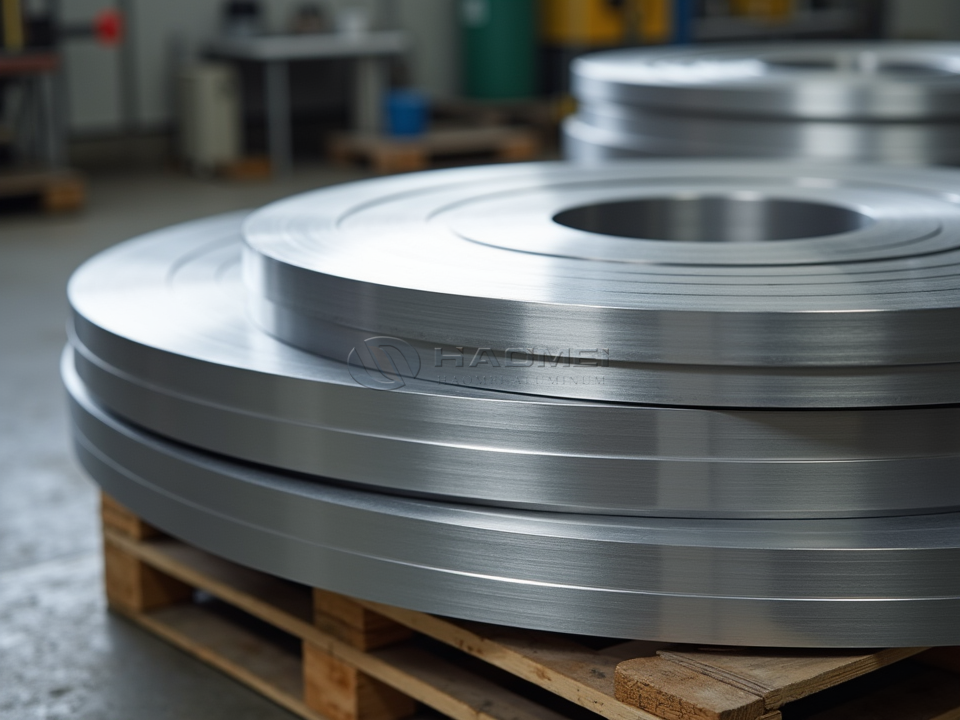
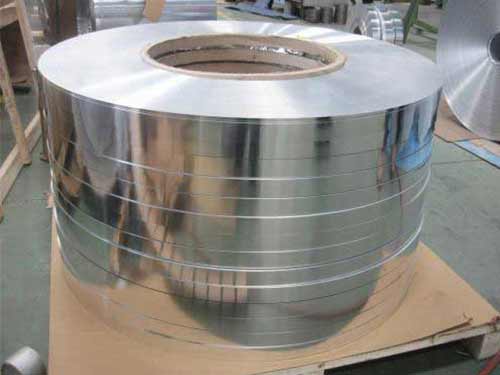
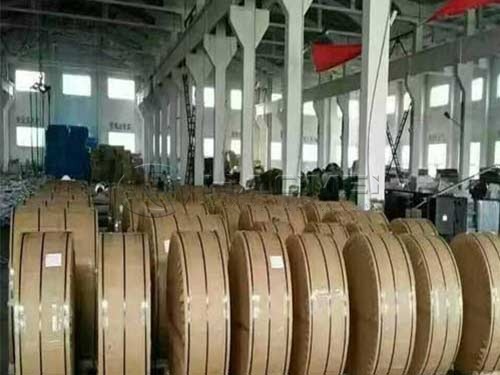
Coils should be packed with moisture-resistant materials, edge protection, sturdy outer wrapping, and suitable pallets or wooden supports for transport. Proper packaging helps prevent corrosion, coil damage, and surface scratches before the material reaches the press line.
When selecting package aluminum strip for medical caps, buyers should provide cap drawing details, alloy preference, temper, thickness, width, coil direction, coating requirements, and intended forming process. Samples or trial coils are valuable when a cap has deep drawing, complex curl geometry, high-speed output targets, or strict appearance standards.
With the right alloy, temper, surface preparation, and dimensional control, aluminum strip becomes a dependable foundation for medical cap production. It enables clean visual presentation, efficient processing, durable closure shells, and reliable performance throughout pharmaceutical packaging operations.