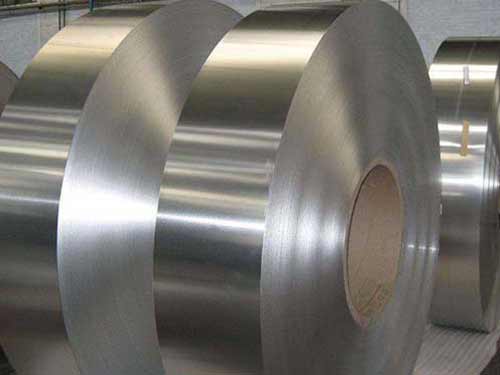
Interior Decorative Aluminium Strip
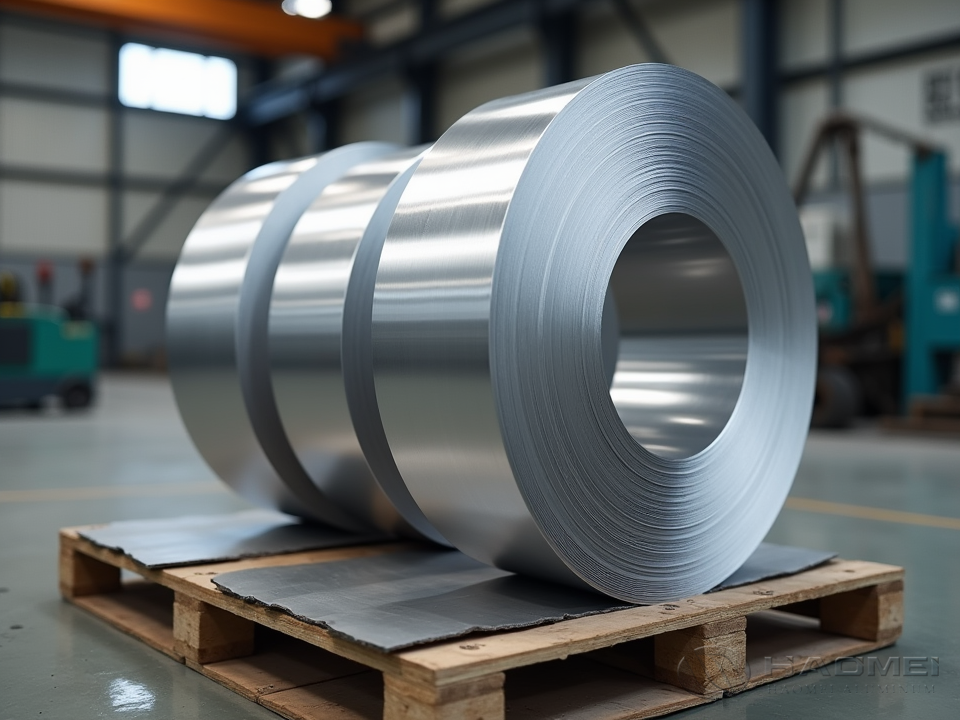
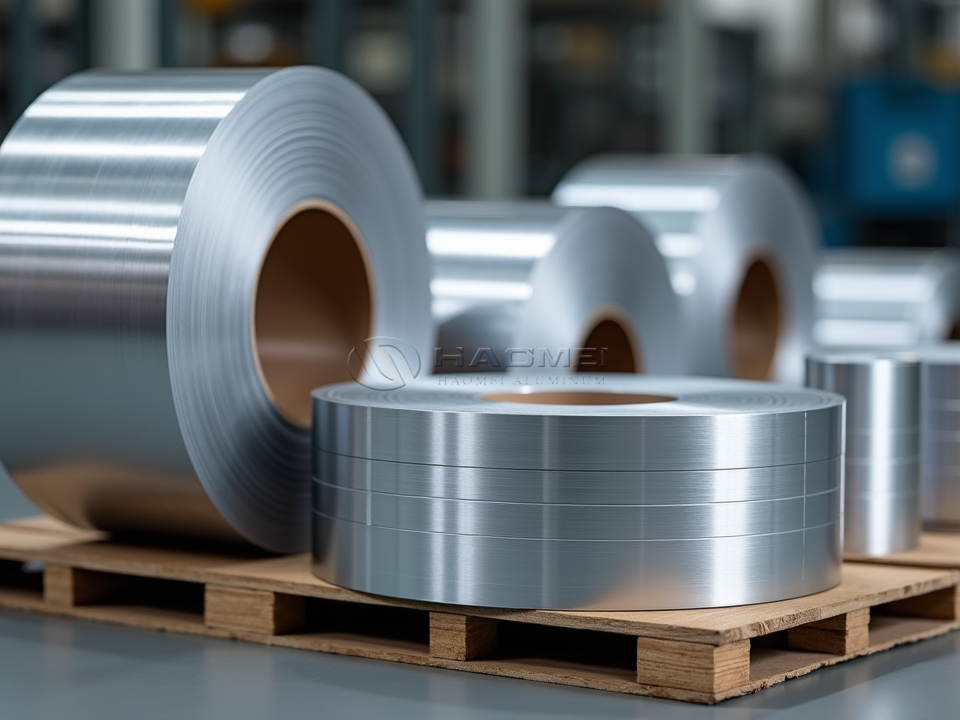
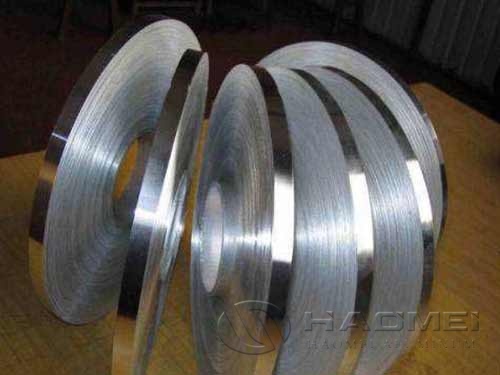
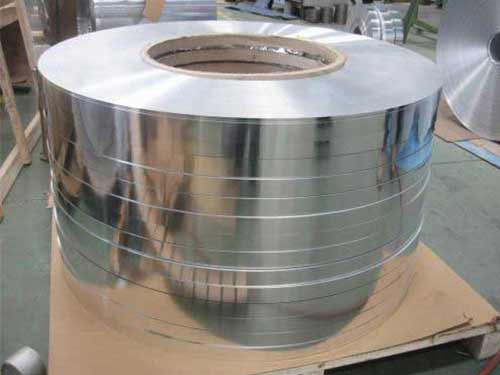
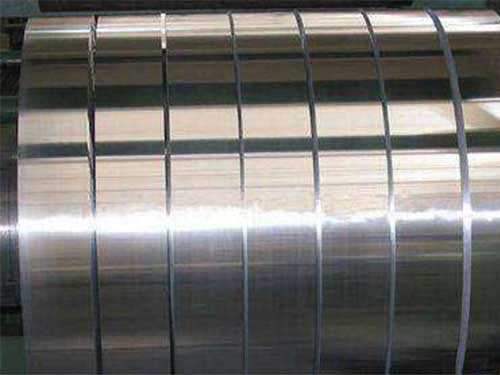
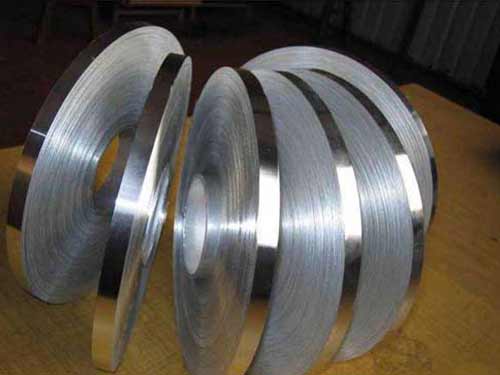
Interior decorative aluminium strip is a lightweight, corrosion-resistant metal material used to create clean lines, protective edges, visual separation, and premium surface details in residential, commercial, hospitality, and retail spaces. Supplied as slit coil, cut lengths, or formed profiles, it combines precise dimensional control with a broad choice of colors, textures, and surface treatments.
From a narrow metallic inlay in a cabinet door to a durable ceiling edge or wall-panel joint, decorative aluminium strip brings consistency to interior construction. Its low weight reduces load on substrates, while its formability supports bending, roll forming, stamping, and fabrication into trims, channels, frames, and accent bands.
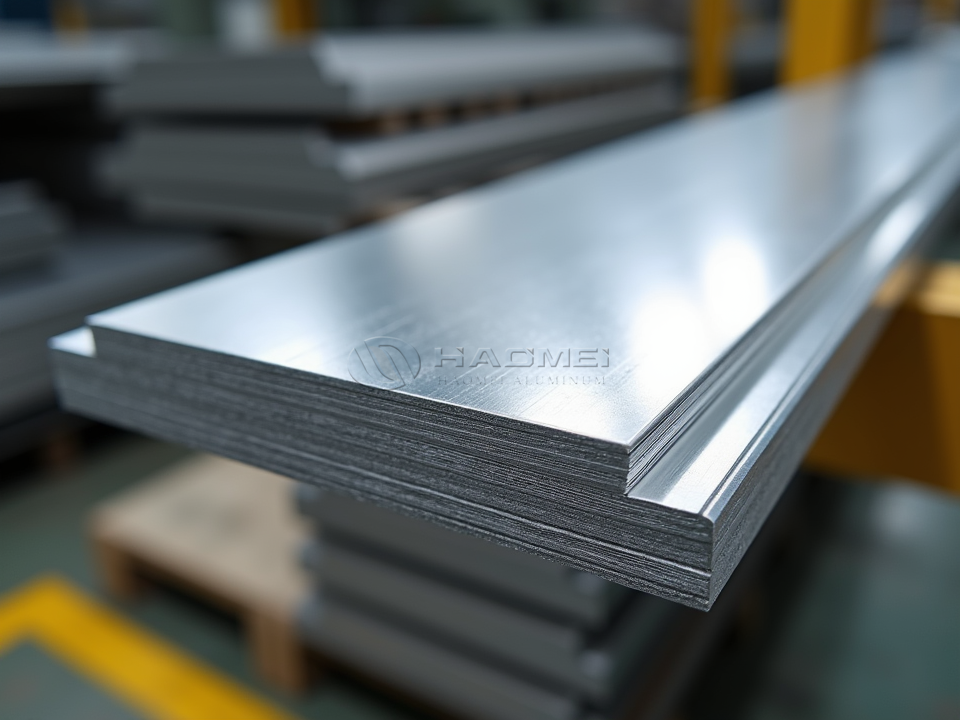
Functions in Interior Design and Construction
Decorative aluminium strip is both practical and expressive. It protects exposed panel edges, conceals joints between different materials, and creates deliberate geometric divisions across walls, doors, ceilings, and furniture. Anodized, brushed, polished, powder-coated, or PVDF-coated surfaces can complement stone, timber, glass, ceramic tile, fabric panels, and painted boards.
| Function | Interior Value | Typical Installation Area |
|---|---|---|
| Edge protection | Reduces chipping and wear on vulnerable corners | Wall panels, furniture, cabinets, countertops |
| Joint covering | Hides gaps and allows controlled movement between materials | Ceiling systems, wall cladding, flooring transitions |
| Decorative inlay | Adds crisp metallic lines and contrast | Feature walls, doors, cabinetry, reception desks |
| Surface framing | Defines panel boundaries and creates visual rhythm | Retail displays, elevators, hotel interiors |
| Lighting support | Provides reflective or structural trim around fixtures | LED channels, lamp housings, ceiling details |
| Moisture-resistant finishing | Performs reliably in humid interior environments | Kitchens, washrooms, spas, utility areas |
Aluminium naturally forms a dense oxide film that limits corrosion in normal indoor atmospheres. For wet areas, anodizing or a high-quality organic coating provides added surface protection and makes routine cleaning easier. Compared with steel trim, aluminium strip is easier to handle and does not require heavy corrosion protection for most indoor applications.
Common Interior Applications
Interior decorative aluminium strip is widely used where thin, accurate, durable finishing material is needed. Narrow strip can be bonded directly to decorative panels, while thicker material can be fabricated into U-channels, L-angles, T-molding, reveal trims, and custom shapes.
| Application | Recommended Alloy Family | Common Temper | Preferred Surface |
|---|---|---|---|
| Wall panel joints and reveal lines | 1050, 1060, 1100, 3003 | H14, H24, H26 | Anodized, brushed, powder coated |
| Ceiling grid and edge trim | 3003, 3004, 3105 | H24, H26 | Powder coated, pre-painted |
| Cabinet, wardrobe, and furniture inlays | 1050, 1060, 5052 | H14, H24 | Mirror, hairline, anodized color |
| Tile edging and wet-area trim | 5052, 5754 | H32, H34 | Anodized, powder coated |
| Partition frames and decorative channels | 3003, 5052, 6061 | H24, H32, T6 | Anodized, electrophoretic coating |
| LED lighting trims and reflective components | 1050, 1060, 1100 | H14, H24 | Bright finish, anodized, painted |
For economical decorative bending and surface finishing, 1050 / 1060 Aluminum Strip is often selected. Where higher strength or better resistance to moisture is required, 5052 and 5754 alloys offer a more robust choice.
Alloy Selection and Chemical Properties
The alloy should be matched to forming demands, installation conditions, finish requirements, and target service life. Pure aluminium grades provide excellent workability and a bright appearance. Manganese-bearing 3xxx alloys offer improved strength, while magnesium-bearing 5xxx alloys are suitable for humid locations and applications subject to greater handling stress.
| Alloy | Si % Max | Fe % Max | Cu % Max | Mn % | Mg % | Principal Characteristics |
|---|---|---|---|---|---|---|
| 1050 | 0.25 | 0.40 | 0.05 | 0.05 | 0.05 | High purity, excellent forming and anodizing response |
| 1060 | 0.25 | 0.35 | 0.05 | 0.03 | 0.03 | Good conductivity, ductility, and decorative finishing |
| 1100 | Si + Fe 0.95 | Si + Fe 0.95 | 0.05-0.20 | 0.05 | - | Soft, highly formable commercial-purity alloy |
| 3003 | 0.60 | 0.70 | 0.05-0.20 | 1.0-1.5 | - | Moderate strength and good corrosion resistance |
| 3105 | 0.60 | 0.70 | 0.30 | 0.30-0.80 | 0.20-0.80 | Well suited to painted architectural trims |
| 5052 | 0.25 | 0.40 | 0.10 | 0.10 | 2.2-2.8 | Strong corrosion resistance and good fabrication behavior |
| 5754 | 0.40 | 0.40 | 0.10 | 0.50 | 2.6-3.6 | Durable choice for damp and demanding interiors |
Values are typical alloy composition limits in percent by mass. Exact certificates should govern procurement requirements.
Temper Conditions and Mechanical Performance
Temper indicates the degree of strain hardening or heat treatment and directly affects bendability, flatness, hardness, and tensile strength. Softer tempers accommodate tight forming radii; harder tempers retain shape well in straight trims and exposed decorative bands.
| Temper | Condition | Forming Behavior | Typical Decorative Use |
|---|---|---|---|
| O | Annealed, soft | Excellent deep bending and stamping | Complex formed trims, embossed parts |
| H12 / H14 | Light to half hard | Good general bending with improved stiffness | Inlays, panel strips, light-gauge edging |
| H24 | Half hard, stabilized | Balanced flatness, strength, and workability | Ceiling trim, wall joints, cabinet accents |
| H26 / H28 | Three-quarter to full hard | High stiffness; larger bend radius recommended | Straight decorative bands and rigid facings |
| H32 / H34 | Strain hardened and stabilized | Good strength with practical fabrication | Wet-area trim, durable panel frames |
| T6 | Solution heat-treated and artificially aged | High strength; limited sharp forming | Structural decorative sections and frames |
| Alloy and Temper | Tensile Strength, MPa | Yield Strength, MPa | Elongation % | Typical Interior Suitability |
|---|---|---|---|---|
| 1050-H14 | 85-115 | 65 min | 4-10 | Bright trim and formed decorative strip |
| 1060-H24 | 95-125 | 75 min | 3-8 | General interior edging and inlays |
| 3003-H24 | 130-170 | 115 min | 3-9 | Painted ceiling and wall trim |
| 5052-H32 | 190-230 | 130 min | 7-12 | Humid-area and high-wear finishes |
| 5754-H22 | 160-220 | 80 min | 8-14 | Durable channels and decorative cladding |
Mechanical values are indicative and vary with thickness, production route, and applicable material standard.
Technical Specifications
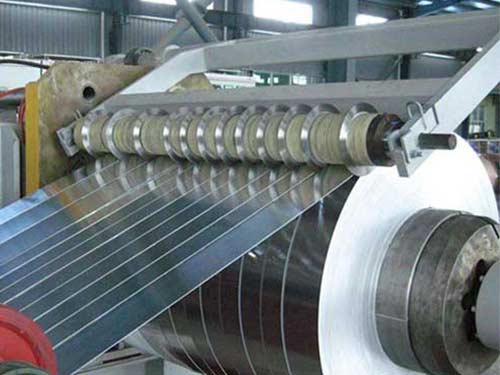
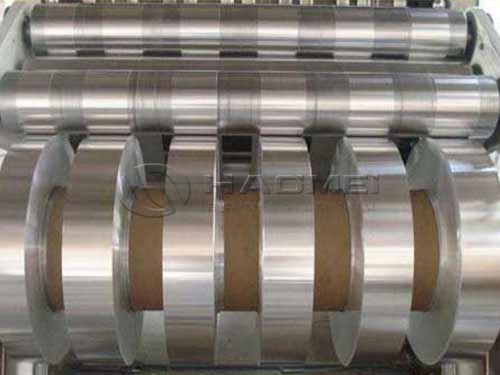
Interior decorative aluminium strip can be slit from master coil to match the visible width and fabrication process. Tight burr control is especially important for exposed trims, adhesive bonding, and safe manual installation.
| Parameter | Common Supply Range | Notes |
|---|---|---|
| Thickness | 0.20-3.00 mm | 0.30-1.20 mm is common for decorative facing and trim |
| Width | 10-1,600 mm | Narrow slit widths available for inlays and roll forming |
| Coil inner diameter | 150 mm, 300 mm, 405 mm, 508 mm | Selected to suit processing equipment |
| Coil outer diameter | Up to 1,800 mm | Controlled by weight and transport limits |
| Surface roughness | Ra 0.2-1.6 µm | Depends on mill, brushed, polished, or coated finish |
| Width tolerance | Typically ±0.10 to ±0.50 mm | Determined by width and agreed standard |
| Thickness tolerance | Typically ±0.01 to ±0.08 mm | Depends on nominal gauge and rolling standard |
| Edge condition | Mill edge, slit edge, deburred edge | Deburred edges are preferred for exposed interiors |
Surface Treatments and Visual Effects
The surface finish determines much of the final visual character. Clear anodizing maintains a metallic appearance while improving scratch and fingerprint resistance. Brushed finishes soften reflections and pair well with wood veneer or stone. Mirror polish gives a dramatic effect but requires careful handling. Powder coating provides opaque colors, textured surfaces, and broad design flexibility.
| Surface Treatment | Appearance | Practical Benefit |
|---|---|---|
| Mill finish | Natural metallic surface | Economical base for further fabrication |
| Clear anodized | Satin silver to bright metallic | Improved oxide protection and clean appearance |
| Brushed or hairline | Fine directional grain | Conceals minor handling marks |
| Mirror polished | High reflectivity | Premium visual accent for controlled locations |
| Powder coated | Matte, gloss, textured, or colored | Durable color layer and design flexibility |
| PVDF coated | Stable architectural color finish | Suitable where stronger stain and fade resistance is requested |
| Wood-grain transfer | Timber-like visual effect | Matches furniture and decorative panel systems |
Standards, Inspection, and Installation Notes
Material can be produced to internationally recognized aluminium sheet and strip requirements. Purchase documentation should define alloy, temper, dimensions, coating, finish direction, protective film, coil weight, and inspection criteria.
| Standard | Typical Relevance |
|---|---|
| EN 485 | Tolerances and mechanical properties for aluminium sheet, strip, and plate |
| EN 573 | Aluminium alloy designation and chemical composition |
| ASTM B209 | Aluminium and aluminium-alloy sheet and plate requirements |
| ASTM B221 | Extruded aluminium products where strip is further formed into profiles |
| GB/T 3880 | Chinese standard for aluminium and aluminium-alloy sheet and strip |
| ISO 7599 | Anodic oxidation coatings on aluminium and its alloys |
For installation, keep the substrate clean, dry, and flat. Use neutral-curing silicone, compatible construction adhesive, mechanical fasteners, or concealed clips according to the trim design. Avoid direct contact with wet cement, strong alkalis, copper, and untreated steel, as these conditions can stain or promote galvanic corrosion. Protective film should remain in place during fabrication and be removed after adjacent finishing work is complete.
Interior decorative aluminium strip offers a precise balance of appearance, durability, and fabrication freedom. With the right alloy, temper, finish, and dimensional tolerance, it becomes a reliable finishing element that makes interior details look intentional, durable, and professionally resolved.