Color Coating Aluminum Strips
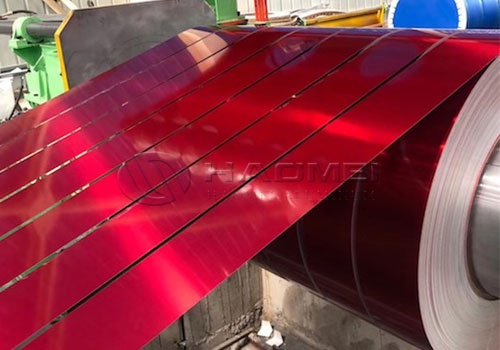
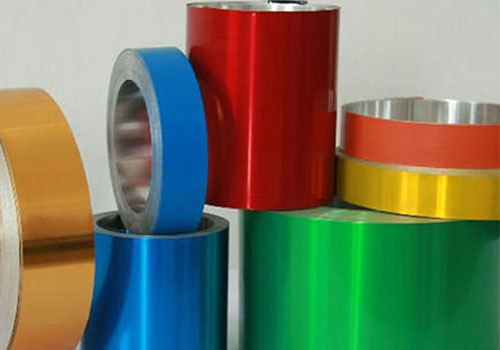
Color coating aluminum strips combine the light weight and corrosion resistance of aluminum with a durable painted surface. Produced from carefully selected aluminum coil, these strips receive a continuous coating treatment before slitting into precise widths. The result is a clean, colorful, formable material suited to modern building systems, appliances, transportation components, packaging, trim, and decorative fabrication.
Compared with post-painting fabricated parts, prepainted strip provides a more consistent finish, improved production efficiency, and reduced coating waste. Its surface is ready for roll forming, stamping, bending, folding, and profiling, helping manufacturers create visually appealing products with stable quality.
Material Structure and Surface Design
A color coated aluminum strip is built as a multilayer product rather than a simple painted metal band. The aluminum substrate provides strength, ductility, and resistance to moisture. Chemical pretreatment enhances adhesion and improves protection against corrosion. A primer layer supports the finish coat, while the top coating supplies color, gloss, weatherability, and scratch resistance. In certain applications, a back coating is added to improve handling, insulation compatibility, or service performance.
Common substrate alloys include 1050, 1060, 1100, 3003, 3004, 3105, and 5052 aluminum. The alloy selection depends on forming depth, mechanical strength, environmental exposure, and final product requirements. Soft tempers are often selected for deep drawing and complex bending, while harder tempers are suitable for flatter panels, ceiling systems, shutters, and structural trim.
| Layer | Main Function | Typical Benefit |
|---|---|---|
| Aluminum substrate | Base metal support | Low weight, good formability, corrosion resistance |
| Chemical pretreatment | Surface conversion | Stronger coating adhesion and improved corrosion protection |
| Primer coating | Intermediate bonding layer | Better flexibility and paint durability |
| Finish coating | Decorative and protective surface | Color stability, gloss control, abrasion resistance |
| Back coating | Reverse-side protection | Improved handling and application compatibility |
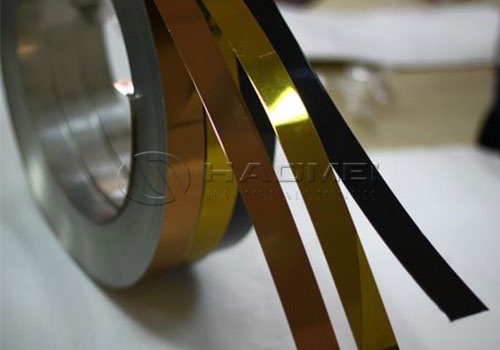
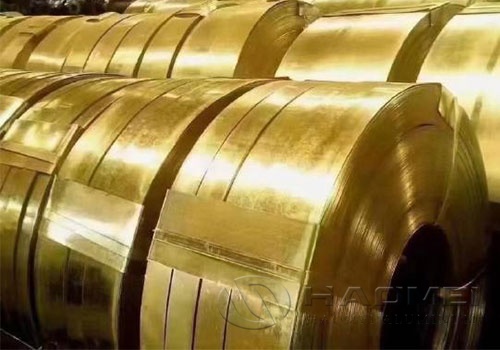
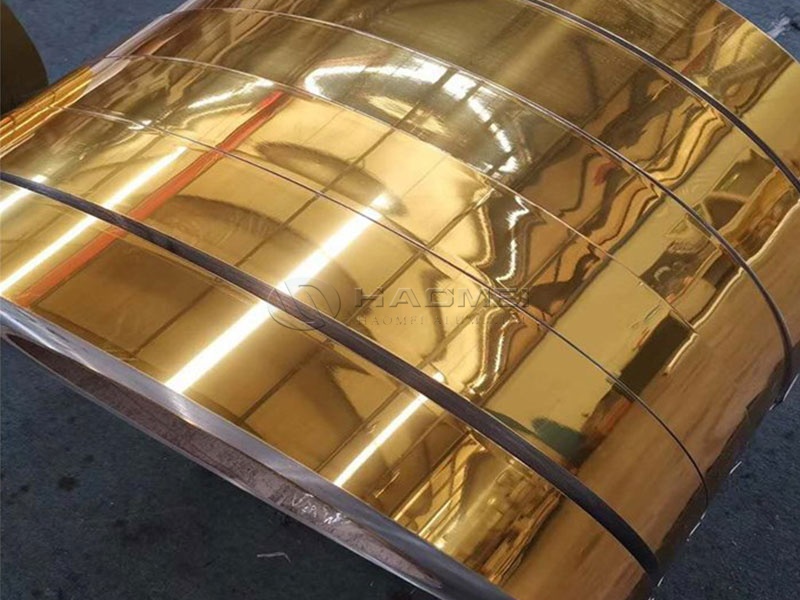
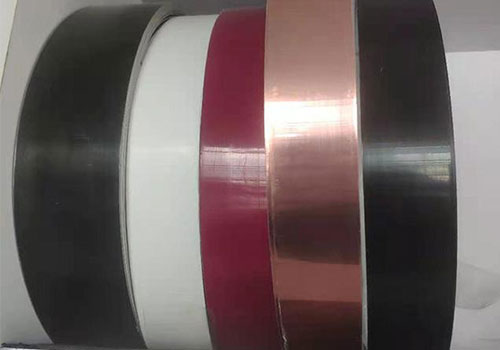
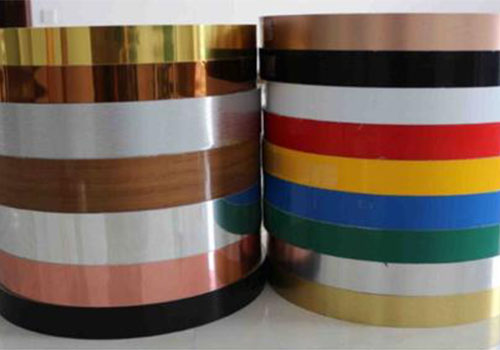
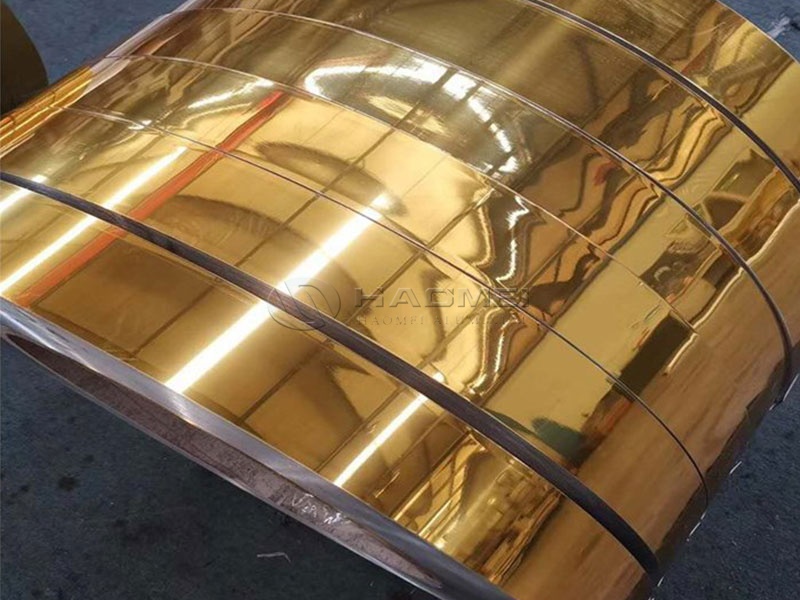
Surface appearances can be tailored for bright, matte, high-gloss, textured, metallic, brushed, wood-grain, marble-pattern, or other decorative effects. Solid white, black, red, blue, silver, champagne, and gold finishes remain popular for industrial and architectural products, while customized RAL colors support branded designs and coordinated façade systems.
Coating Systems for Different Environments
The coating system has a direct influence on outdoor durability, appearance retention, chemical resistance, and service life. PE coatings are widely used for interior decoration, appliance parts, signage, ceilings, and moderate outdoor environments. They offer attractive color options, smooth processing, and economical performance.
For projects exposed to stronger sunlight, rain, industrial pollution, and coastal air, PVDF coatings offer superior weather resistance. A PVDF Coated Aluminum Strip is often specified for exterior cladding, curtain wall accessories, roofing trim, and architectural systems where long-term color retention is important.
| Coating Type | Typical Coating Thickness | Suitable Environment | Common Uses |
|---|---|---|---|
| PE polyester | 15-25 μm | Indoor and normal outdoor exposure | Appliances, ceilings, shutters, signage |
| SMP silicone-modified polyester | 20-30 μm | Moderate outdoor exposure | Roofing accessories, building trim |
| HDP high-durability polyester | 20-35 μm | Strong sunlight and variable climates | Exterior panels, drainage systems |
| PVDF fluorocarbon | 25-35 μm or higher | Severe outdoor exposure | Façades, curtain walls, premium roofing |
Coating thickness, gloss level, hardness, adhesion, and color tolerance can be adjusted according to project specifications. Protective films may also be applied to the finished face to reduce scratches during transport, profiling, installation, or assembly.
Technical Properties That Support Efficient Processing
Color coating aluminum strips are valued because they preserve aluminum's practical fabrication characteristics. They can be slit accurately into narrow widths for roll forming lines, stamped components, cable wrapping, pipe insulation jackets, shutter slats, and decorative edging. Good bend performance helps the coating remain intact around corners and profiles when the correct alloy, temper, coating type, and bending radius are selected.
| Parameter | Typical Range or Requirement |
|---|---|
| Thickness | 0.20-1.50 mm, with customized gauges available |
| Strip width | 10-1,600 mm, depending on slitting capability |
| Alloy | 1050, 1060, 1100, 3003, 3004, 3105, 5052 |
| Temper | O, H12, H14, H16, H18, H24 and customized options |
| Coating adhesion | No peeling after standard cross-hatch testing |
| Pencil hardness | Commonly HB to 2H, depending on coating system |
| Impact resistance | Designed to resist cracking under specified test conditions |
| Color tolerance | Controlled against approved sample or specified standard |
The typical chemical composition of the substrate is selected to balance corrosion resistance, workability, and strength. For example, 3003 and 3105 alloys use manganese additions to improve strength compared with commercially pure aluminum, making them practical for construction profiles and formed components.
| Alloy | Main Alloying Elements | General Characteristics |
|---|---|---|
| 1050 | Aluminum minimum 99.5% | Excellent formability and conductivity |
| 1060 | Aluminum minimum 99.6% | Soft, ductile, suitable for general decorative use |
| 1100 | Aluminum minimum 99.0% | Good corrosion resistance and workability |
| 3003 | Manganese approximately 1.0-1.5% | Improved strength and good forming behavior |
| 3105 | Manganese and magnesium additions | Suitable for coated building products and trim |
| 5052 | Magnesium approximately 2.2-2.8% | Higher strength and strong marine corrosion resistance |
Applications Across Building and Manufacturing Fields
In architecture, color coated strips are processed into roof edging, gutter systems, downspouts, soffits, shutters, ceiling grids, wall panels, flashing, decorative moldings, and window accessories. Their low density reduces handling effort and can lower the load placed on supporting structures. The painted surface also offers a neat finish without requiring another coating operation at the installation site.
In household appliances, the material is used for refrigerator panels, washing machine trims, air-conditioner housings, kitchen equipment, cabinet components, and ventilation covers. Smooth surfaces are easy to clean, while color options allow the metal component to complement contemporary product design.
Transportation and industrial equipment also benefit from the material's light weight and corrosion resistance. Typical uses include vehicle interior trim, trailer components, insulated panel edges, electrical cabinet parts, protective covers, warehouse fixtures, and machinery housings. For applications requiring a versatile economical finish, PE Coated Aluminum Strip provides dependable decorative performance and convenient fabrication.
Selection and Handling Considerations
Selecting the correct strip begins with the operating environment. Indoor products may prioritize appearance, scratch resistance, and economical coating cost. Exterior projects require attention to ultraviolet exposure, humidity, airborne salt, industrial gases, and temperature variation. Coastal construction commonly benefits from higher-grade pretreatment and weather-resistant fluorocarbon coatings.
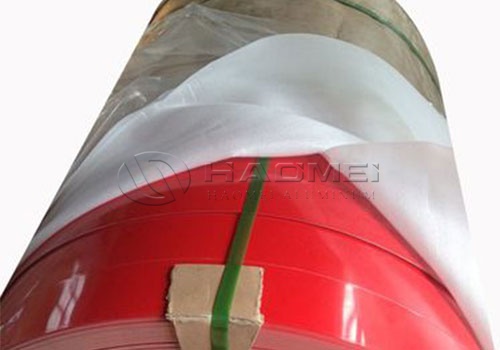
Fabricators should also consider coil direction, forming radius, tool condition, protective film selection, and storage conditions. Tight bends with an unsuitable coating or excessive forming pressure may cause cracking. Coils should be stored in a dry, ventilated area away from condensation, chemicals, and direct ground contact. During processing, clean rollers and controlled tension help preserve a uniform painted finish.
Color coating aluminum strips provide a practical balance of appearance, durability, process efficiency, and material economy. With the appropriate alloy, temper, coating system, and surface design, they support reliable production for decorative, architectural, industrial, and consumer-product applications.