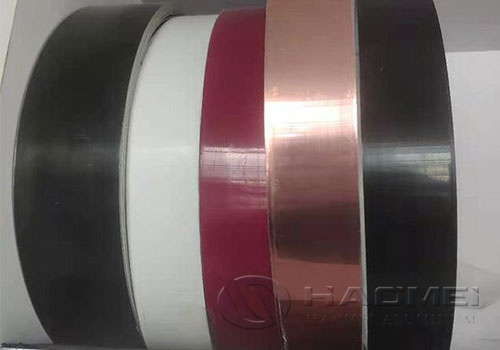
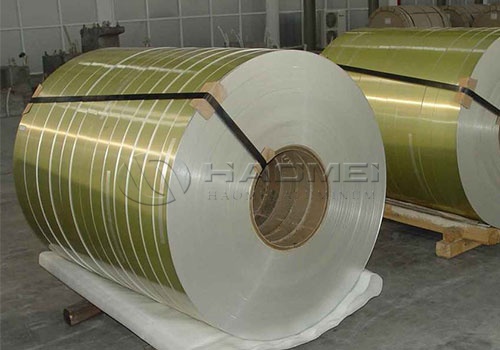
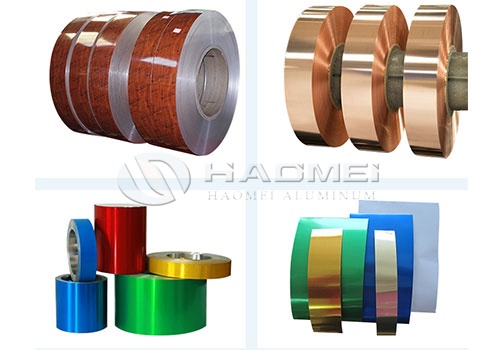
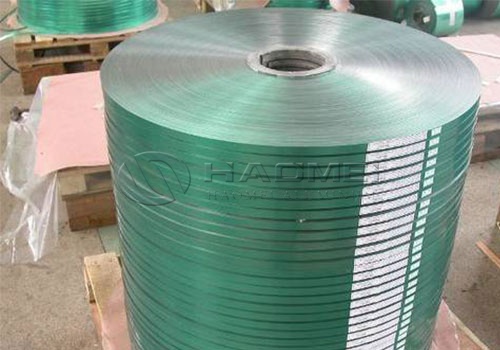
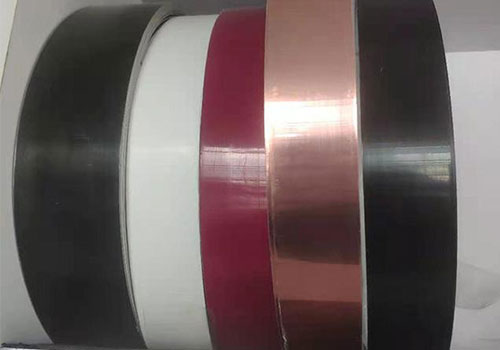
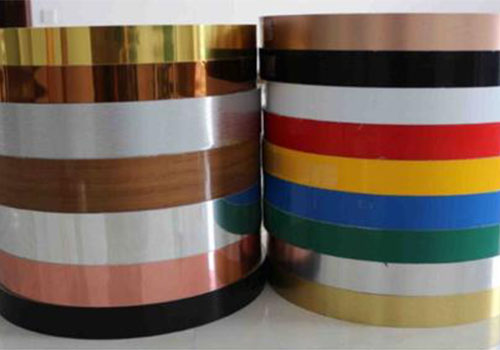
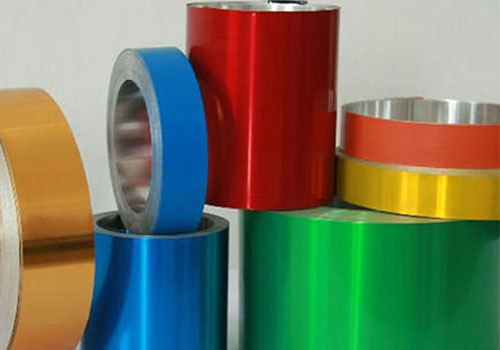
Color Coated 0.4mm Aluminum Strip Materials
Color coated 0.4mm aluminum strip materials are designed for manufacturers who need a thin, light, corrosion-resistant metal with a finished surface ready for forming, cutting, stamping, and assembly. At 0.4mm thickness, the strip sits in a practical range: light enough for efficient processing and low product weight, yet stable enough for many decorative and functional parts. The pre-painted surface removes the need for post-painting, helping reduce workshop handling, drying time, color variation, and surface contamination.
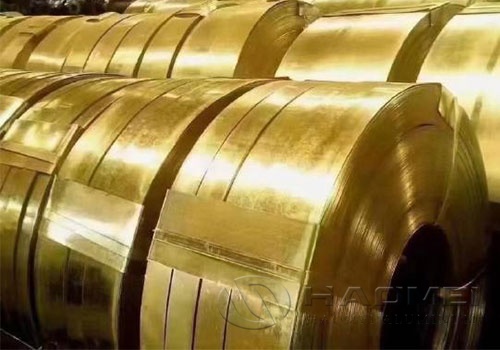
This material is commonly supplied in coils or narrow slit strips, with alloy, temper, paint system, gloss, color, width, and protective film selected according to the final application. For buyers, the main value is simple: a ready-to-use aluminum strip that combines metallic strength with a controlled color finish.
What Makes 0.4mm Color Coated Aluminum Strip Practical
The 0.4mm gauge offers a strong balance between flexibility and shape retention. It can be roll-formed into channels, bent into trims, punched into small components, or laminated into composite structures. Compared with thicker sheet, it lowers material weight and is easier to feed through high-speed equipment. Compared with very thin foil, it provides better rigidity and handling resistance.
The painted coating is applied before fabrication using coil coating lines. This process gives a more uniform surface than manual spraying after forming. Coating thickness, curing temperature, color difference, and adhesion can be controlled continuously, making the strip suitable for batch production where every meter must look consistent.
Many customers select Color Coated Aluminum Strip when the part must be decorative, weather resistant, and easy to process without extra finishing steps.
Typical Material Structure
| Layer | Function | Common Option |
|---|---|---|
| Protective film | Prevents scratches during forming and transport | Clear PE film, removable |
| Top coating | Provides color, gloss, weather resistance, and surface hardness | PE, HDPE, PVDF, epoxy modified paint |
| Primer | Improves coating adhesion and corrosion resistance | Polyester or epoxy primer |
| Pretreatment layer | Strengthens bond between coating and aluminum | Chrome-free or chromate conversion |
| Aluminum base metal | Provides light weight, ductility, and corrosion resistance | 1050, 1060, 1100, 3003, 3004 |
| Back coating | Balances stress and protects reverse side | Service coating or primer backer |
This layered design is important because the surface performance does not depend on paint alone. Good adhesion starts with clean aluminum, proper chemical pretreatment, suitable primer, and correct oven curing.
Common Alloys and Chemical Reference
For 0.4mm coated strip, alloy selection affects softness, forming response, strength, and edge quality after slitting. Pure aluminum grades are preferred for deep bending and excellent corrosion resistance, while manganese-containing grades provide improved strength.
| Alloy | Typical Main Elements | General Character | Common Use Direction |
|---|---|---|---|
| 1050 | Al 99.5% min | Very soft, excellent conductivity, high ductility | Labels, decorative strips, light trims |
| 1060 | Al 99.6% min | Soft, clean surface, strong corrosion resistance | Caps, signs, insulation jacketing |
| 1100 | Al 99.0% min with minor Cu | Good formability and stable surface quality | Appliance parts, decorative panels |
| 3003 | Al-Mn series | Higher strength than pure aluminum, good forming | Roofing accessories, ducts, blinds |
| 3004 | Al-Mn-Mg series | Better strength, good coating compatibility | Roll-formed trim, building components |
For many decorative and light industrial parts, 1060 or 1100 is selected when soft bending is more important than strength. For exterior building use or parts requiring better dent resistance, 3003 or 3004 is often a better choice.
Coating Choices for Different Environments
PE coating is popular for indoor and general decorative applications. It provides good color, moderate hardness, cost efficiency, and easy processing. It is widely used in ceiling strips, blinds, labels, packaging trim, and appliance decoration.
PVDF coating is chosen for demanding outdoor exposure. It provides stronger resistance to ultraviolet radiation, chalking, chemical attack, and long-term color fading. When the strip will be used in exterior facades, roofing accessories, rainwater systems, or coastal environments, PVDF Coated Aluminum Strip is often preferred.
| Coating Type | Typical Dry Film Thickness | Strengths | Suitable Environment |
|---|---|---|---|
| PE polyester | 16-22 microns | Good color range, flexible, economical | Indoor and mild outdoor use |
| HDPE modified polyester | 18-25 microns | Better hardness and weathering than standard PE | General exterior components |
| PVDF | 22-30 microns | Excellent UV resistance and color retention | Long-term outdoor exposure |
| Epoxy back coat | 5-10 microns | Adhesion and reverse-side protection | Laminated or bonded products |
Performance Features Customers Notice
Color coated 0.4mm aluminum strip is light, but it does not feel fragile when the proper temper is selected. H14 and H24 tempers are common because they offer a useful mix of strength and bendability. Softer tempers are better for tight radius bending, while harder tempers provide improved flatness and feeding stability.
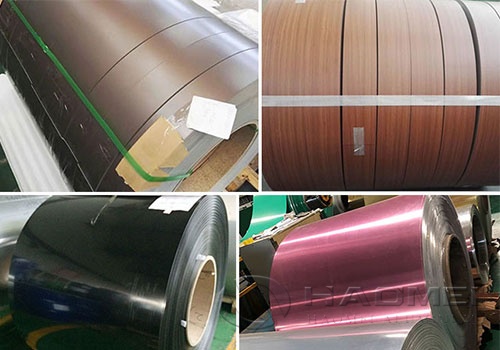
The coating surface can be produced in high gloss, semi-gloss, matte, textured, or metallic effects. Color can be matched to RAL, Pantone, or customer samples. For visible parts, color tolerance should be discussed early, especially when multiple production batches must be assembled together.
The aluminum base naturally resists rust, which is a major advantage over painted steel in humid environments. Even if cut edges are exposed, aluminum forms a protective oxide layer. For severe outdoor use, edge design, alloy choice, and coating grade still matter, but the material starts with a strong corrosion-resistant foundation.
Recommended Technical Parameters
| Item | Common Range | Notes for Purchasing |
|---|---|---|
| Thickness | 0.4mm | Tolerance can be customized by standard or contract |
| Width | 15-1600mm | Narrow slit strip or full-width coil available |
| Coil ID | 300mm, 405mm, 505mm | Match decoiler and production line setup |
| Coating thickness | 16-30 microns | Depends on PE, HDPE, or PVDF system |
| Gloss | 10-90 GU | Matte to high gloss finishes available |
| Temper | O, H12, H14, H24, H26 | Select according to bending and rigidity needs |
| Surface | Smooth, embossed, brushed effect, metallic | Subject to coating system and order quantity |
| Color | RAL, custom sample, metallic tones | Confirm color tolerance and batch control |
Applications Across Manufacturing
In building decoration, 0.4mm color coated aluminum strip is used for ceiling grids, edge trims, wall panel borders, roofing flashings, gutter accessories, roller shutter parts, and insulation jacketing. Its low weight reduces installation load, while the coated surface gives a neat finished appearance without site painting.
For home appliances and consumer goods, the strip is used in refrigerator decoration, air conditioner fins and covers, lighting reflectors, nameplates, control panel borders, and small decorative housings. The smooth painted surface supports clean visual design and can be slit into narrow widths for continuous assembly.
In packaging and closure industries, thin coated strip can be used for bottle cap material, cosmetic packaging trim, sealing components, and decorative bands. The strip can be printed, embossed, stamped, and formed into precise shapes when the coating and temper are correctly matched.
For signage and display products, the color stability and clean surface help create bright, consistent branding. Aluminum is easy to cut and shape, so it works well for advertising strips, display frame edges, shelf labels, and exhibition structures.
Fabrication Notes for Better Results
Before mass production, test the strip under actual forming conditions. A coating that performs well on a flat panel may behave differently during tight bending or deep stamping. Bend radius, tool surface finish, lubrication, feeding speed, and protective film all affect the final appearance.
For slitting, sharp knives and correct clearance are important to reduce burrs and edge waves. For roll forming, steady tension control helps maintain straightness. For punching, tool wear should be monitored because painted surfaces can show marks more clearly than bare metal.
Storage also matters. Coils should be kept dry, clean, and away from corrosive vapors. If protective film is applied, it should be removed within the recommended period to avoid adhesive transfer, especially after heat exposure.
How to Specify the Right Material
A good purchase specification should include alloy, temper, thickness tolerance, strip width, coil weight, coating type, color code, gloss level, surface protection, packing method, and application details. If the part will be bent sharply, stamped deeply, used outdoors, exposed to chemicals, or bonded with adhesive, share those conditions with the supplier before production.
Color coated 0.4mm aluminum strip materials are more than painted metal. They are engineered coil products built for efficient fabrication, attractive appearance, and long service life. With the right alloy and coating system, they help manufacturers create lighter, cleaner, and more reliable products across construction, appliances, packaging, signage, and decorative industries.