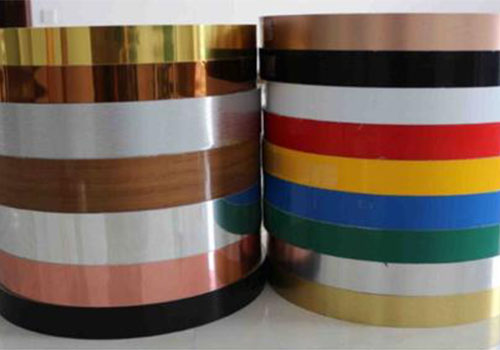
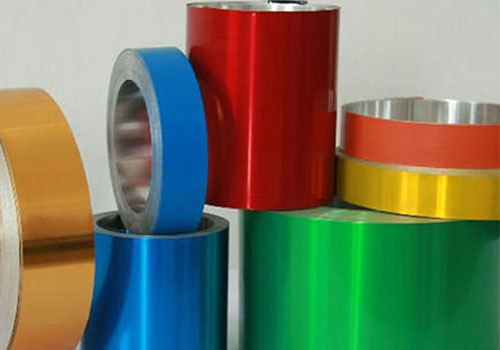
Color Aluminum Strip Trim Coils
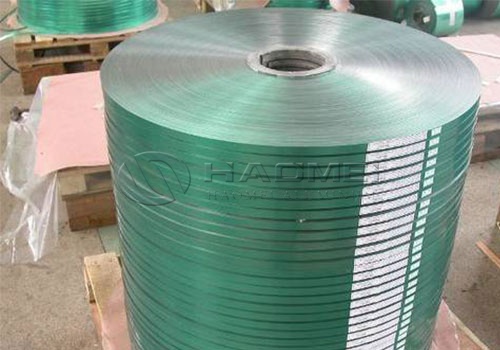
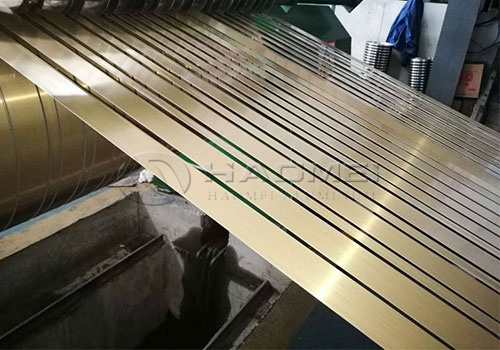
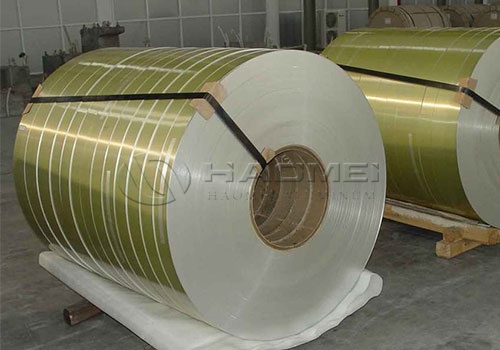
Color aluminum strip trim coils are prefinished aluminum coils slit into narrow widths for decorative edging, weatherproof flashing, fascia, soffit, window capping, gutter systems, and exterior cladding details. They combine the low weight and corrosion resistance of aluminum with durable painted surfaces that reduce on-site finishing work.
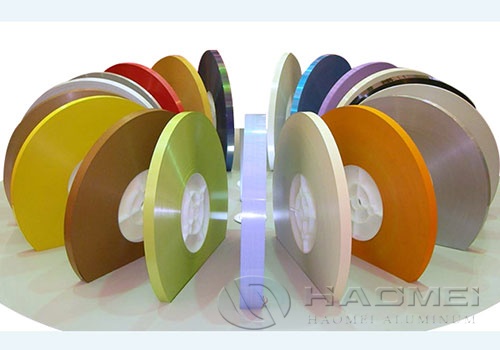
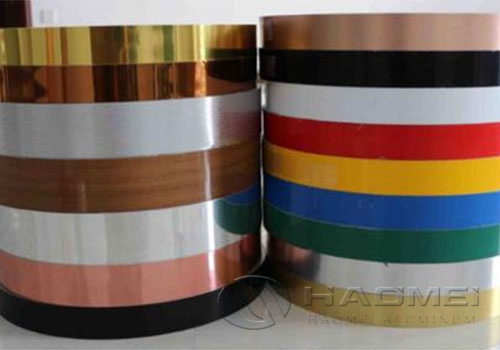
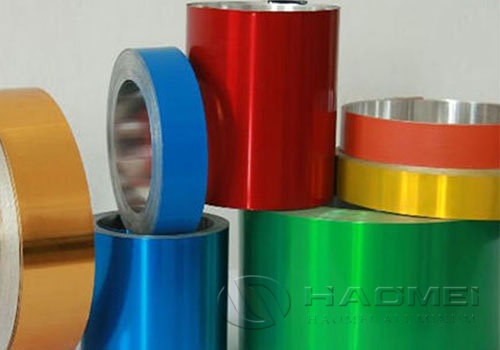
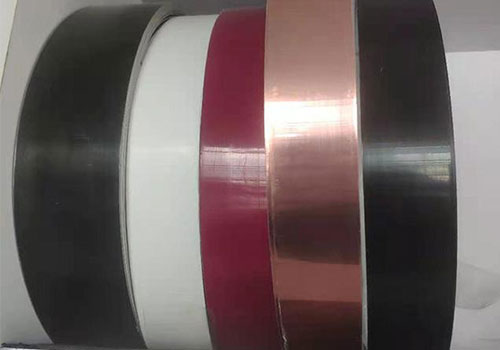
Available in white, black, bronze, red, green, gray, gold, and custom RAL colors, these coils allow trim elements to match roofing panels, siding, doors, curtain walls, and other architectural surfaces. The material can be bent, rolled, cut, and formed into clean profiles without sacrificing coating adhesion when the correct alloy, temper, thickness, and paint system are selected.
Functions of Color Aluminum Strip Trim Coils
The primary function of trim coil is to cover, protect, and visually finish exposed building edges. Around windows and doors, it forms neat capping that shields wood substrates from rain, ultraviolet exposure, and temperature changes. On roofs and walls, it is used for fascia, drip edges, flashing, ridge details, and transition pieces that guide water away from vulnerable joints.
Painted aluminum strip also creates a continuous color appearance across a building envelope. Instead of painting formed trim after installation, fabricators can process a ready-coated coil into the required shape. This shortens fabrication time, avoids uneven brush or spray finishes, and improves consistency from one component to another.
| Function | Practical Value |
|---|---|
| Edge protection | Covers cut edges, joints, timber, insulation, and exposed substrates |
| Water management | Supports flashing, drip edges, gutter details, and drainage transitions |
| Decorative finishing | Creates clean lines and color coordination around architectural openings |
| Surface durability | Paint film resists weathering, fading, moisture, and ordinary urban pollutants |
| Forming efficiency | Coil stock can be brake-formed or roll-formed into site-specific profiles |
| Maintenance reduction | Finished surface requires less repainting than untreated or field-painted trim |
Common Applications
Color aluminum strip trim coils are widely used in residential, commercial, industrial, and light-gauge construction. Their adaptability is especially useful when each project requires different widths, bend radii, or color combinations.
| Application Area | Typical Trim Component | Recommended Coating Choice |
|---|---|---|
| Roofing systems | Drip edge, valley flashing, ridge cap, eave trim | PE for normal exposure, PVDF for demanding climates |
| Siding and façade work | Corner trim, closure strip, decorative bands | PE, SMP, or PVDF depending on weather exposure |
| Windows and doors | Capping, sill cover, jamb trim, head flashing | Flexible PE coating for brake forming |
| Rainwater systems | Gutters, downspouts, fascia cover | PE or high-durability polyester |
| Interior decoration | Ceiling edge, cabinet trim, partition profiles | PE, epoxy-polyester, or specialized decorative coatings |
| Transportation and equipment | Protective edging, lightweight panels, housings | Polyester or specialized industrial coatings |
For projects that require a broad range of painted finishes, Color Coated Aluminum Strip provides a practical base material for custom trim fabrication and profile processing.
Aluminum Alloys and Temper Conditions
Alloy selection determines how easily a trim coil can be formed and how well it performs in wet, coastal, or industrial environments. The 1xxx series offers excellent corrosion resistance and workability. The 3xxx series, especially 3003, adds manganese for improved strength while remaining suitable for bending and shaping. The 5xxx series is often selected where marine corrosion resistance and higher strength are required.
Soft tempers such as O and H14 are common for trim coils because they allow clean bends on portable brakes and roll-forming equipment. Harder tempers can improve dent resistance but may require larger bend radii to prevent coating stress or substrate cracking.
| Alloy | Main Characteristics | Common Temper | Suitable Uses |
|---|---|---|---|
| 1050 | High aluminum purity, excellent formability and corrosion resistance | O, H14, H24 | Interior trim, decorative strips, general flashing |
| 1060 | Good conductivity, ductility, and surface quality | O, H14, H24 | Light trim, insulation cladding, decorative applications |
| 1100 | Strong workability and chemical resistance | O, H14, H24 | General architectural flashing and formed trim |
| 3003 | Manganese-strengthened, good corrosion resistance and moderate strength | H14, H16, H24 | Fascia, gutters, roofing trim, window capping |
| 3004 | Higher strength than 3003 with dependable formability | H14, H24 | Heavy-duty trim and formed building components |
| 5052 | Excellent marine resistance and greater mechanical strength | H32, H34 | Coastal trim, industrial enclosures, demanding exterior work |
Chemical Composition of Common Trim Coil Alloys
Chemical composition is controlled to maintain stable mechanical properties, corrosion resistance, and processing behavior. Values shown are typical maximum limits or nominal ranges in percent by weight, subject to the selected standard and mill certificate.
| Alloy | Si | Fe | Cu | Mn | Mg | Zn | Al |
|---|---|---|---|---|---|---|---|
| 1050 | ≤0.25 | ≤0.40 | ≤0.05 | ≤0.05 | ≤0.05 | ≤0.05 | ≥99.50 |
| 1060 | ≤0.25 | ≤0.35 | ≤0.05 | ≤0.03 | ≤0.03 | ≤0.05 | ≥99.60 |
| 1100 | Si + Fe ≤0.95 | Included | 0.05-0.20 | ≤0.05 | - | ≤0.10 | ≥99.00 |
| 3003 | ≤0.60 | ≤0.70 | 0.05-0.20 | 1.0-1.5 | - | ≤0.10 | Balance |
| 3004 | ≤0.30 | ≤0.70 | ≤0.25 | 1.0-1.5 | 0.8-1.3 | ≤0.25 | Balance |
| 5052 | ≤0.25 | ≤0.40 | ≤0.10 | ≤0.10 | 2.2-2.8 | ≤0.10 | Balance |
Dimensions and Technical Specifications
Trim coils are commonly produced in narrow slit widths, but dimensions can be adjusted according to equipment capability, fabrication needs, and transportation requirements. Thickness should be matched to the profile complexity and expected exposure. Thinner coils form easily, while thicker material provides greater rigidity and impact resistance.
| Parameter | Typical Range | Notes |
|---|---|---|
| Thickness | 0.20-1.20 mm | 0.40-0.80 mm is widely used for architectural trim |
| Width | 20-1,600 mm | Narrow widths are supplied as slit coils; wider stock may be further processed |
| Coil inner diameter | 150 mm, 300 mm, 405 mm, 508 mm | Selected according to forming and unwinding equipment |
| Coil outer diameter | Up to 1,800 mm | Depends on thickness, width, and permissible coil weight |
| Coil weight | 0.5-5.0 metric tons | Custom coil weights can support manual or automated production |
| Surface finish | Smooth, embossed, stucco, wood grain, brushed | Finish is selected for visual effect and application needs |
| Color | RAL, Pantone, customer sample | Color tolerance should be agreed before production |
| Protective film | Optional | Helps prevent scratches during forming and installation |
Coating Systems and Performance Considerations
The paint layer is the working surface of a color aluminum trim coil. A typical coil-coating structure includes chemical pretreatment, primer, topcoat, and optional back coat. Pretreatment improves adhesion and protects the aluminum beneath the paint film. The coating must remain flexible enough to tolerate bending without visible cracking or peeling.
| Coating Type | Typical Dry Film Thickness | Performance Profile | Suitable Environment |
|---|---|---|---|
| PE polyester | 15-25 μm | Economical, flexible, good color selection | Normal residential and commercial exposure |
| SMP polyester | 20-30 μm | Improved weather resistance and hardness | Roofing, siding, stronger sunlight exposure |
| PVDF | 25-35 μm | Excellent UV resistance, color retention, chemical resistance | Coastal, high-rise, industrial, and premium façade projects |
| Epoxy-polyester | 15-25 μm | Good adhesion and indoor decorative performance | Interior trim and protected environments |
For exterior bending operations, coating flexibility should be verified through a T-bend test. Pencil hardness, impact resistance, gloss, adhesion, and color difference are also commonly checked before shipment.
| Quality Test | Typical Requirement | Purpose |
|---|---|---|
| Coating thickness | As specified, often 15-35 μm | Confirms paint-film coverage |
| Adhesion | 0 grade after cross-hatch test | Checks coating bond to substrate |
| T-bend | 0T-3T depending on alloy and coating | Evaluates forming performance |
| Pencil hardness | HB-2H, coating dependent | Assesses scratch resistance |
| Gloss | 10-80 GU at 60° | Controls visual appearance |
| Color difference | Usually ΔE ≤1.5-2.0 | Maintains batch-to-batch consistency |
| Salt spray resistance | 500-1,000 hours or project requirement | Indicates corrosion protection capability |
Standards, Processing, and Installation Notes
Color aluminum strip trim coils can be produced in accordance with recognized material and coating standards. The applicable requirement should be stated in the purchase specification, especially when a project has strict dimensional, color, or environmental performance criteria.
| Standard | Scope |
|---|---|
| ASTM B209 | Aluminum and aluminum-alloy sheet and plate requirements |
| EN 485 | Tolerances, mechanical properties, and technical conditions for aluminum sheet and strip |
| EN 573 | Aluminum alloy designation and chemical composition |
| GB/T 3880 | Aluminum and aluminum-alloy sheet and strip requirements |
| AAMA 2603 | Performance specification for organic coatings on aluminum extrusions and panels |
| AAMA 2604 | High-performance organic coating requirements |
| AAMA 2605 | Superior-performance fluoropolymer coating requirements |
During fabrication, use clean rollers, non-marking gloves, and tools without sharp burrs. Bend radii should suit the selected temper and coating system. Film-covered coils should have the protective film removed soon after installation, particularly in hot weather, to avoid adhesive residue. Where aluminum contacts dissimilar metals, use suitable separation layers to reduce galvanic corrosion risk.
Color aluminum strip trim coils provide a durable, lightweight, and visually controlled solution for finished building edges. With suitable alloy selection, flexible temper, reliable pretreatment, and a coating designed for the service environment, they deliver long-lasting trim performance with efficient fabrication and polished architectural results.