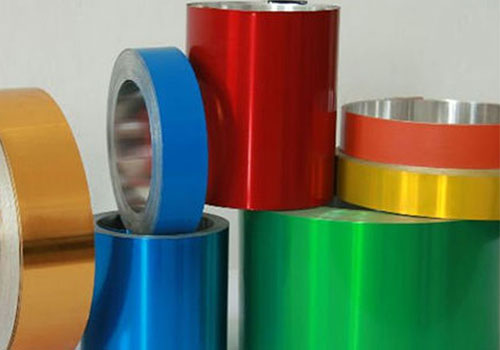
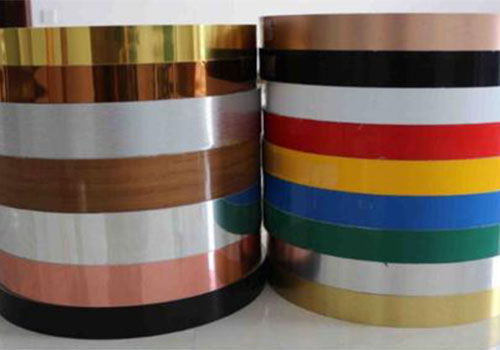
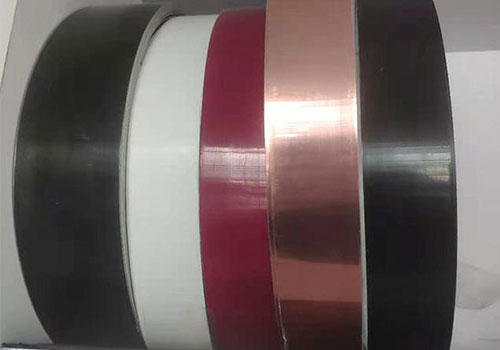
Coated Al Aluminum Strip Roll
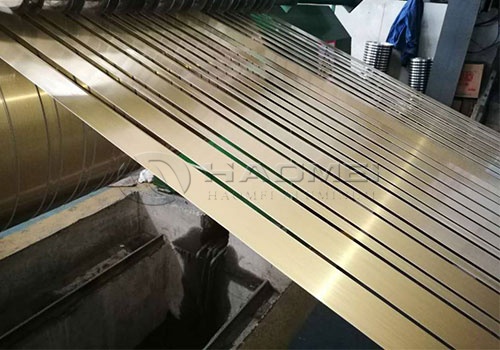
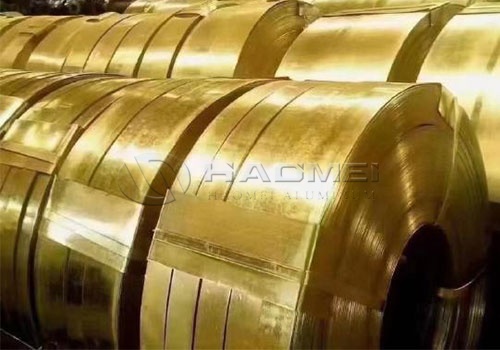
A coated al aluminum strip roll is a continuous coil product made from aluminum strip and finished with a protective, decorative paint system. The term "Al" refers to aluminum, while "coated" describes the factory-applied surface layer that provides color, weather resistance, corrosion protection, and a cleaner appearance for finished products.
Compared with post-painting fabricated parts, pre-coated aluminum strip gives manufacturers a more consistent surface, faster production flow, and reduced handling steps. It is widely selected for roll forming, stamping, bending, slitting, insulation jacketing, architectural trim, shutters, signage, and appliance components.
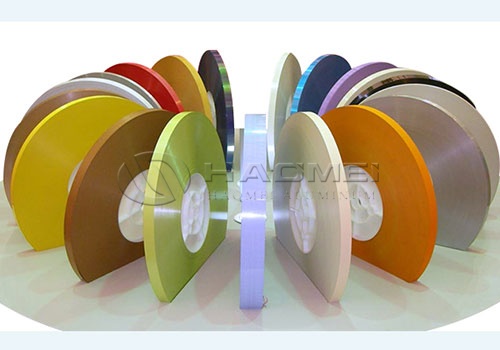
Material Structure and Coil Construction
A coated aluminum strip roll generally contains an aluminum substrate, chemical pretreatment, primer, topcoat, and optional back coating. Each layer contributes to surface adhesion, durability, and processing stability.
| Layer | Function | Typical Benefit |
|---|---|---|
| Aluminum base strip | Provides formability and low weight | Easy shaping, corrosion resistance, high recycling value |
| Chemical pretreatment | Improves bond between metal and paint | Better coating adhesion and reduced under-film corrosion |
| Primer coat | Supports the topcoat | Enhanced flexibility and paint-film stability |
| Topcoat | Creates color and exterior protection | Decorative appearance, UV resistance, weather protection |
| Back coat | Protects the reverse surface | Improved handling, storage, and end-use performance |
The strip is supplied in coil form, allowing customers to process long continuous lengths efficiently. Coil supply can reduce scrap compared with short sheets, especially for automated roll-forming lines, high-volume stamping, and continuous cutting operations.
Common Aluminum Alloys
The alloy selection should match forming requirements, service environment, thickness, and required strength. Commercially pure grades offer excellent workability, while manganese- and magnesium-containing alloys provide increased strength and corrosion resistance.
| Alloy | Main Characteristics | Typical Uses |
|---|---|---|
| 1050 | High aluminum content, soft temper, excellent formability | Decorative trim, lighting parts, insulation cladding |
| 1060 | Good electrical and thermal conductivity, easy bending | Transformer strip, signs, general fabrication |
| 1100 | Good corrosion resistance and weldability | Chemical equipment trim, cookware components, signage |
| 3003 | Manganese-strengthened, good forming performance | Roofing trim, gutters, heat exchangers, shutters |
| 3105 | Higher strength than pure aluminum grades | Building panels, ceiling systems, siding accessories |
| 5052 | Magnesium alloy with strong marine corrosion resistance | Transport parts, marine trim, demanding formed components |
Typical Chemical Composition
| Alloy | Aluminum | Manganese | Magnesium | Silicon + Iron | Other Elements |
|---|---|---|---|---|---|
| 1050 | ≥99.50% | ≤0.05% | ≤0.05% | ≤0.40% | Trace amounts |
| 1060 | ≥99.60% | ≤0.03% | ≤0.03% | ≤0.35% | Trace amounts |
| 1100 | ≥99.00% | ≤0.05% | ≤0.05% | ≤0.95% | Copper ≤0.20% |
| 3003 | Balance | 1.0-1.5% | ≤0.10% | ≤0.70% | Copper ≤0.20% |
| 3105 | Balance | 0.30-0.80% | 0.20-0.80% | ≤0.60% | Copper ≤0.30% |
| 5052 | Balance | ≤0.10% | 2.2-2.8% | ≤0.45% | Chromium 0.15-0.35% |
Actual chemistry, mechanical properties, and tolerances can be tailored according to applicable standards, end-use requirements, and customer drawings.
Coating Choices for Different Environments
Coating type determines how the strip performs under sunlight, moisture, temperature change, cleaning chemicals, and forming stress. For indoor and moderately exposed applications, polyester systems are widely used. For demanding exterior façades and long-term architectural exposure, fluorocarbon coatings are often preferred.
| Coating System | Film Thickness | Suitable Environment | Performance Character |
|---|---|---|---|
| PE polyester | 15-25 μm | Indoor use, general exterior use | Good color range, economical, flexible |
| SMP polyester | 20-30 μm | Roofing and building trim | Improved weathering and hardness |
| PVDF fluorocarbon | 25-35 μm | Severe exterior exposure | Strong UV stability, color retention, chalk resistance |
| Textured or embossed finish | Customized | Decorative panels and trim | Enhanced visual depth and scratch masking |
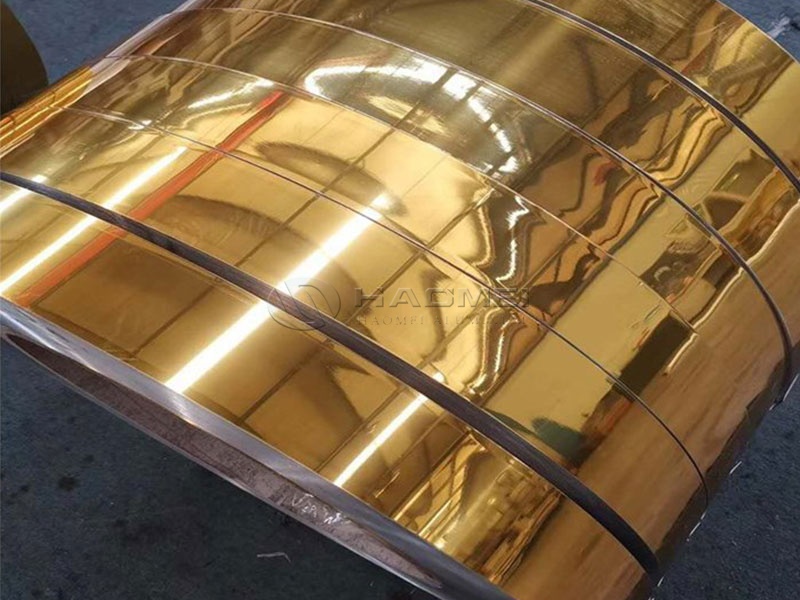
| High-gloss finish | Customized | Signage, appliances, interior décor | Bright, reflective visual effect |
For projects exposed to intense sun, coastal humidity, industrial atmosphere, or repeated temperature cycling, a PVDF Coated Aluminum Strip can provide a more durable finish. For general decorative fabrication and cost-sensitive applications, PE Coated Aluminum Strip remains a practical and widely used option.
Product Features That Support Efficient Fabrication
Coated al aluminum strip roll is valued for its balance of appearance and production practicality. Aluminum has approximately one-third the density of steel, helping reduce component weight in transport, building, and consumer products. This can simplify installation and lower structural loading without sacrificing a refined finished surface.
The coating is applied under controlled coil-coating conditions before the strip reaches the fabrication line. This supports stable color, uniform gloss, and consistent film thickness across long production runs. A properly specified coating system also reduces the need for secondary painting, drying ovens, solvent management, and paint-related rework.
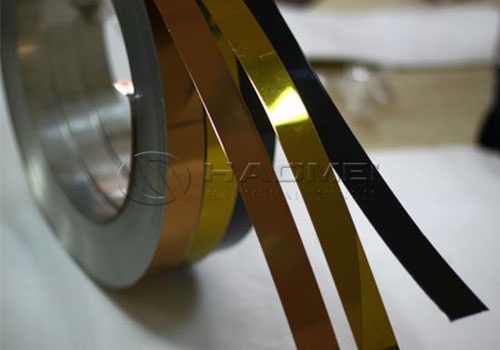
The material can be slit to narrow widths, cut to length, stamped, bent, roll formed, and wrapped around profiles. Temper selection is important: softer tempers suit deep forming and tight bends, while harder tempers improve dent resistance and dimensional stability. During severe forming, the bend radius should be selected to protect the paint film from excessive stretching or cracking.
Common supply parameters include:
| Parameter | Typical Range |
|---|---|
| Thickness | 0.20-3.00 mm |
| Width | 20-1,600 mm |
| Coil weight | Customized according to equipment capacity |
| Inner diameter | 150 mm, 300 mm, 405 mm, 508 mm, or customized |
| Surface finish | Glossy, matte, textured, brushed, embossed, wood-grain, stone-grain |
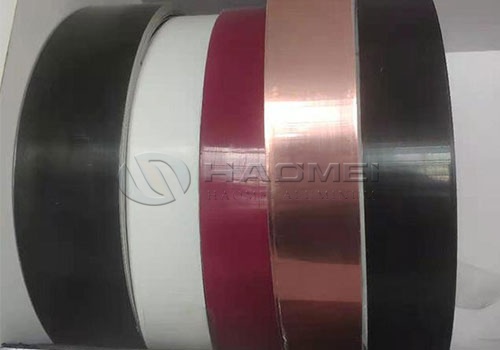
| Colors | RAL shades, custom colors, metallic finishes, patterned surfaces |
| Protective film | Optional for scratch-sensitive fabrication |
Applications Across Multiple Industries
In construction, coated aluminum strip is made into roof edging, gutter systems, fascia boards, wall-panel accessories, window profiles, rainwater goods, ceiling grids, shutter slats, and decorative cladding. Its light weight and color stability support both new construction and renovation work.
For insulation systems, aluminum strip is used as banding, jacketing accessories, closure strips, and moisture-resistant outer layers. The painted surface can improve appearance while adding a protective barrier around insulation assemblies.
Appliance producers use coated strip for refrigerator panels, air-conditioner housings, ventilation parts, cooker hoods, cabinet trim, and small electrical enclosures. A clean factory coating helps create an attractive product surface without an additional paint stage.
In transportation and equipment manufacturing, the material is suitable for trailer trim, interior decorative panels, caravan components, equipment covers, signage frames, and lightweight enclosures. Alloy 5052 or 3003 is often considered where corrosion resistance and forming performance are important.
Selection, Storage, and Processing Guidance
The best coated al aluminum strip roll is not determined by color alone. Customers should specify alloy, temper, thickness, width tolerance, coating system, film thickness, gloss level, color standard, protective film requirement, coil dimensions, and intended processing method. A sample panel or approved color reference is particularly useful for projects requiring close visual matching.
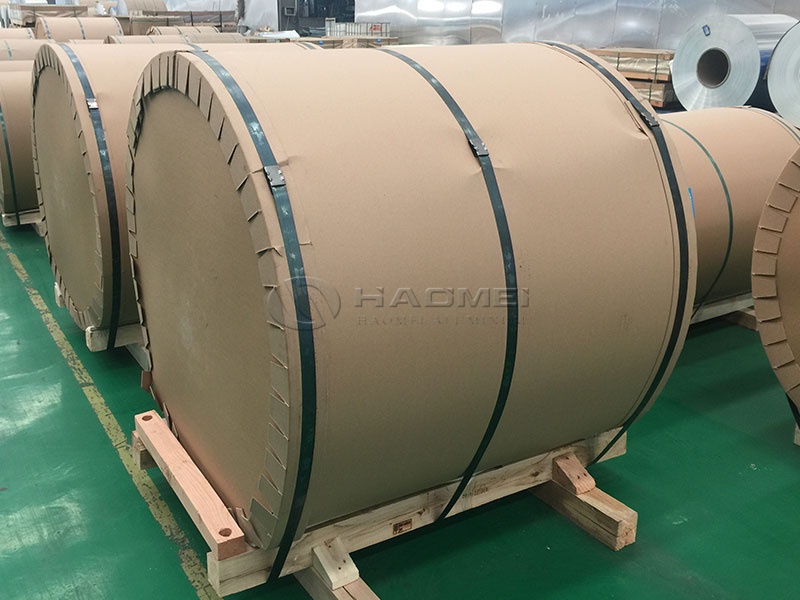
Store coils in a dry, ventilated warehouse away from condensation, corrosive fumes, and direct contact with wet floors. Coil edges should be protected during loading and slitting. When processing, use clean rollers, suitable tooling radii, and controlled tension to prevent scratches, pressure marks, or coating damage.
With the proper alloy and paint system, coated aluminum strip roll delivers a durable, visually consistent, and production-friendly material solution for modern fabricated products.