Polished Coated Al Aluminum Strips
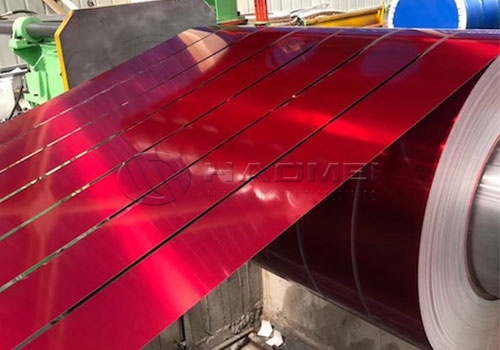
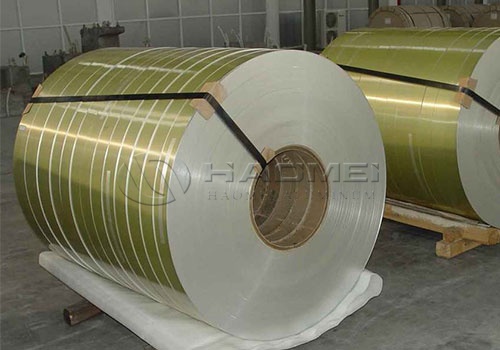
Polished coated al aluminum strips combine the bright visual appeal of polished aluminum with the long-term protection of an engineered organic coating. Produced from precision-rolled aluminum coil, these strips are polished to create a clean reflective surface, then finished with color, clear, PE, PVDF, or specialty protective layers. The result is a lightweight material that performs well in decorative fabrication, architectural trim, appliance parts, signage, and industrial components.
Compared with untreated polished aluminum, coated strip offers a more stable appearance in handling, forming, transport, and service. The coating helps reduce fingerprints, oxidation marks, minor abrasion, and color variation while preserving the metallic character of the substrate. Surface appearance can range from bright mirror-like reflectivity to satin polish, brushed shine, or metallic color effects.
Product Characteristics
| Feature | Performance Value | Customer Benefit |
|---|---|---|
| Polished surface | Bright, satin, brushed, or mirror finish | Creates a premium metallic appearance |
| Coating system | PE, PVDF, clear lacquer, epoxy, or customized paint | Matches indoor, outdoor, and processing requirements |
| Aluminum density | Approx. 2.70 g/cm³ | Reduces component weight and handling load |
| Corrosion resistance | High with proper alloy and coating selection | Supports long service life in humid or mildly corrosive environments |
| Formability | Good to excellent, depending on temper | Suitable for bending, roll forming, stamping, and slitting |
| Surface protection | Film masking available | Helps preserve polished appearance during fabrication |
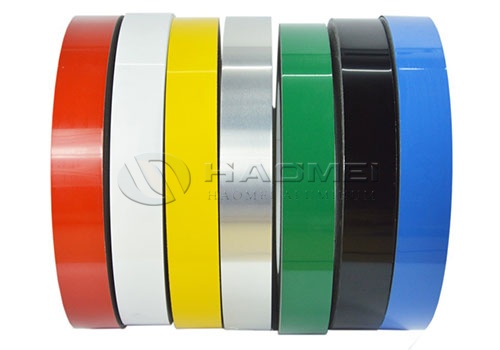
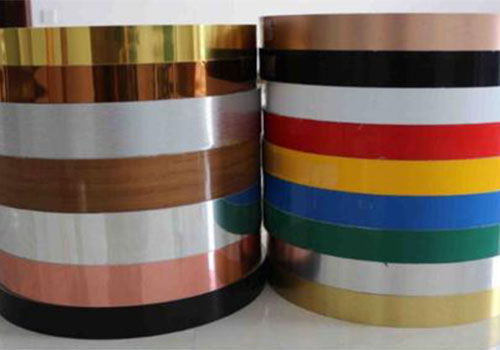
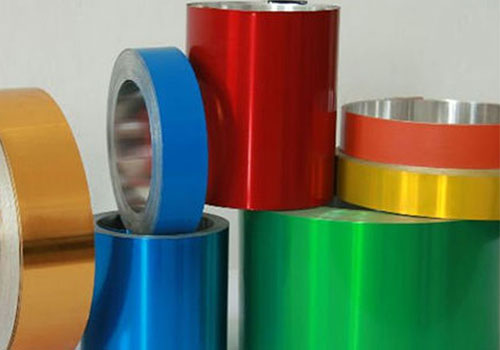
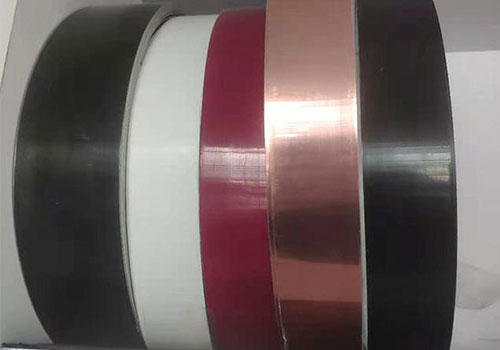
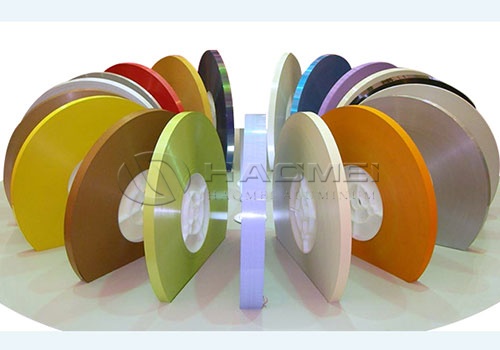
| Color options | Metallic, gold, silver, black, white, red, and custom shades | Supports coordinated design and branding |
A polished coated strip is not simply painted aluminum. The substrate, polishing quality, pretreatment, coating chemistry, curing process, and winding protection all influence final performance. Consistent coil production gives fabricators reliable color, gloss, thickness, and flatness across long production runs.
Alloy Choices and Chemical Composition
Common material families include 1050, 1060, 1100, 3003, and 3105 aluminum. Pure aluminum grades provide excellent reflectivity and easy forming. Manganese-containing 3xxx alloys provide greater strength and improved resistance to deformation, making them suitable for more demanding roll-formed profiles and external trim.
| Alloy | Al | Mn | Mg | Si | Fe | Cu | Typical Purpose |
|---|---|---|---|---|---|---|---|
| 1050 | ≥ 99.50% | ≤ 0.05% | ≤ 0.05% | ≤ 0.25% | ≤ 0.40% | ≤ 0.05% | Highly formable decorative strip |
| 1060 | ≥ 99.60% | ≤ 0.03% | ≤ 0.03% | ≤ 0.25% | ≤ 0.35% | ≤ 0.05% | Bright polished and general fabrication |
| 1100 | ≥ 99.00% | ≤ 0.05% | - | ≤ 0.95% | ≤ 0.95% | 0.05-0.20% | Chemical and decorative applications |
| 3003 | Balance | 1.0-1.5% | - | ≤ 0.60% | ≤ 0.70% | ≤ 0.20% | Stronger architectural and industrial trim |
| 3105 | Balance | 0.30-0.80% | 0.20-0.80% | ≤ 0.60% | ≤ 0.70% | ≤ 0.30% | Coated building and panel systems |
Chemical values are typical composition limits and may be adjusted to meet the applicable alloy standard, end-use condition, and customer specification.
Technical Specifications
| Parameter | Standard Range | Customized Options |
|---|---|---|
| Strip thickness | 0.20-2.00 mm | Thinner or heavier gauges by agreement |
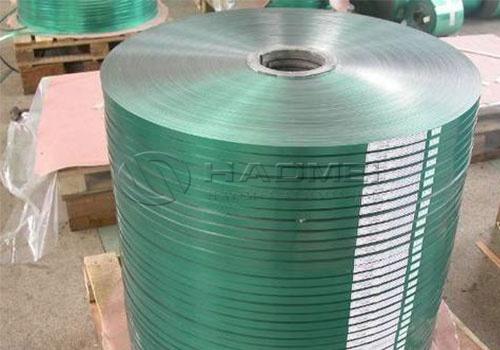
| Strip width | 20-1,600 mm | Narrow slit widths and special tolerances |
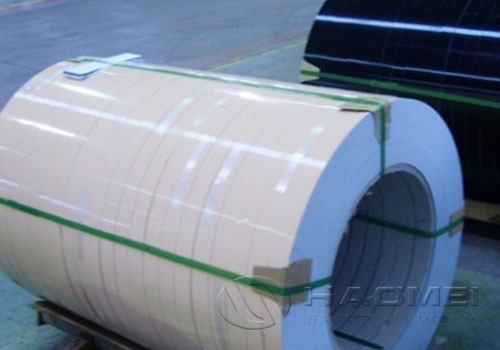
| Coil inner diameter | 150 mm, 300 mm, 405 mm, 508 mm | Customer-required core sizes |
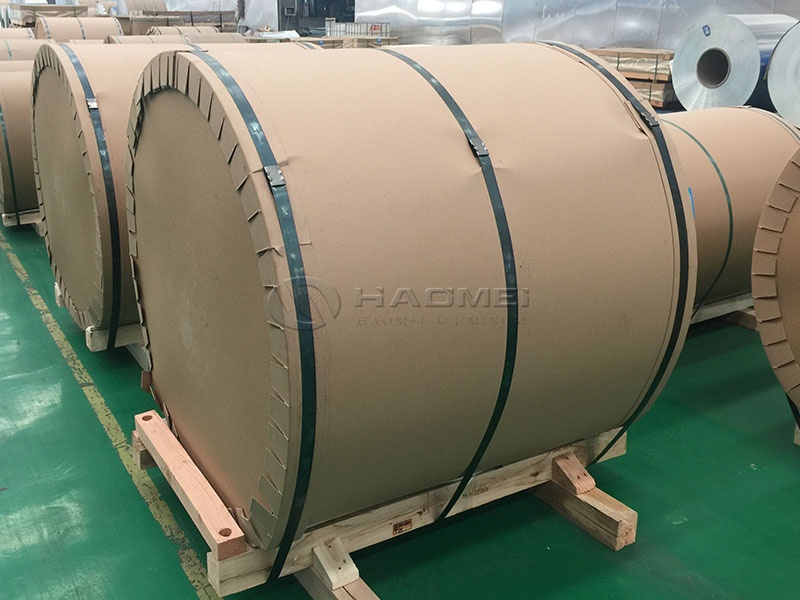
| Coil weight | 500-5,000 kg | Export, production-line, or handling requirement |
| Temper | O, H12, H14, H16, H18, H24 | Selected for bending strength and forming depth |
| Coating thickness | 8-35 μm total dry film | Higher-build systems for demanding exposure |
| Gloss range | 10-90 GU at 60° | Matte, semi-gloss, high-gloss, and mirror effect |
| Protective film | 30-80 μm | Low, medium, or high tack films |
| Surface finish | Polished, bright, brushed, embossed | Color-matched and texture-controlled finishes |
For projects needing stable decorative color and coating flexibility, a Color Coated Aluminum Strip can be selected with metallic pigments, solid colors, or custom visual effects. For outdoor facades and strongly exposed installations, PVDF Coated Aluminum Strip provides enhanced weathering resistance and color retention.
Mechanical and Coating Performance
Mechanical behavior depends on alloy, thickness, and temper. Softer O and H14 tempers are often selected where tight bends or shaped sections are needed. H16, H18, and harder conditions support improved stiffness for flat decorative panels, edging, and structural-facing parts.
| Property | Typical Value or Test Standard | Practical Meaning |
|---|---|---|
| Tensile strength, 1050 H14 | 85-105 MPa | Suitable for light formed decorative sections |
| Tensile strength, 3003 H14 | 130-160 MPa | Better rigidity for trim and panel components |
| Elongation | 4-25% | Supports bending and moderate drawing operations |
| Pencil hardness | H-3H, coating dependent | Improved resistance to surface marking |
| T-bend performance | 0T-3T, system dependent | Indicates coating flexibility during bending |
| Adhesion | 0-1 grade, cross-hatch test | Coating remains firmly bonded to the metal |
| Impact resistance | 20-50 kg·cm typical | Helps resist accidental handling damage |
| Salt spray resistance | 500-1,500+ hours, coating dependent | Evaluates protection in corrosive environments |
Applications Across Fabrication Sectors
Polished coated aluminum strips bring visual quality and practical durability to many finished products. Their low weight lowers installation effort, while their corrosion resistance reduces maintenance compared with many steel-based alternatives.
| Application Area | Typical Components | Preferred Product Traits |
|---|---|---|
| Building decoration | Ceiling edges, wall trim, soffits, flashing | Color stability, bendability, clean appearance |
| Appliance manufacturing | Refrigerator trims, cooker panels, decorative bands | Fingerprint resistance, gloss control, easy cleaning |
| Lighting systems | Reflective channels, lamp housings, display trim | Bright finish, heat tolerance, accurate slitting |
| Furniture and interiors | Cabinet edging, partition profiles, display fittings | Premium surface and scratch protection |
| Signage and branding | Frames, letter returns, nameplate borders | Metallic impact and color consistency |
| Transport interiors | Decorative profiles, luggage trim, panel edging | Low weight and vibration-resistant coating |
| Packaging and closures | Caps, bands, seals, premium containers | Fine surface quality and forming reliability |
Selection Guidance
The best polished coated aluminum strip starts with the application environment. PE coatings are economical and practical for indoor decoration, appliances, and protected locations. PVDF coatings are better suited to exterior exposure where sunlight, rain, and temperature cycling are more severe. Clear coatings retain the natural polished aluminum tone while adding a barrier against oxidation and fingerprint staining.
For bending-intensive parts, specify alloy, temper, minimum bend radius, coating flexibility, and film protection together. For visible architectural components, confirm color tolerance, gloss level, batch consistency, and allowable surface imperfections before production. Slitting burr control is also important for narrow strips used in automated roll-forming or edge-trim lines.
Handling, Storage, and Fabrication Benefits
Polished surfaces should be protected from abrasive contact, moisture entrapment, and incompatible chemicals. Store coils in a dry, ventilated area and allow cold material to reach room temperature before unwrapping in humid conditions. Remove protective film soon after installation or forming, especially in warm environments, to avoid adhesive transfer.
Polished coated al aluminum strips offer an efficient balance of refined appearance, low weight, processability, and corrosion protection. With the correct alloy and coating system, they provide dependable performance for both high-volume industrial processing and visually demanding decorative projects.