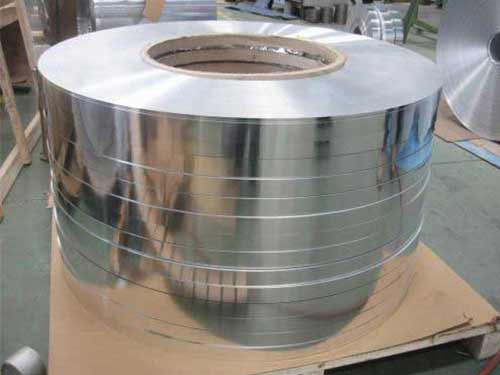
Aluminum Strip Wall Cladding Panel Sheet
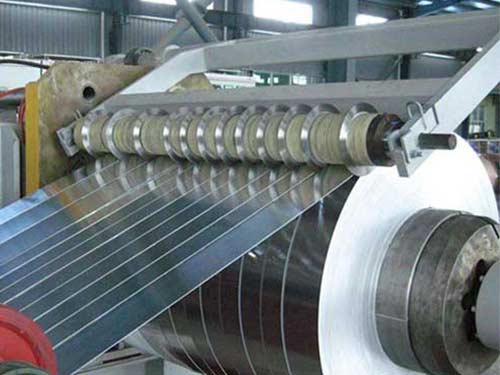
Aluminum strip wall cladding panel sheet is a lightweight, corrosion-resistant material designed for modern exterior and interior building surfaces. Produced from high-quality aluminum coil and slit to the required width, it can be roll formed, folded, stamped, perforated, or bonded into cladding panels. Its clean appearance, long service life, and broad finish selection make it suitable for commercial buildings, residential developments, transportation terminals, industrial facilities, and renovation projects.
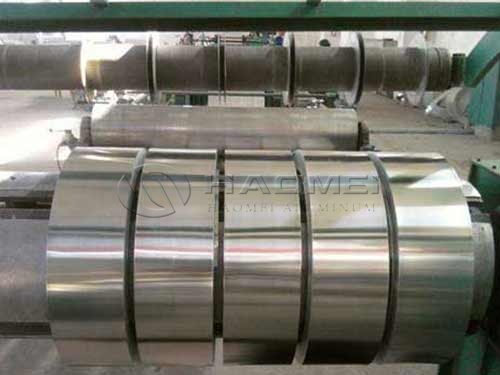
Compared with heavier steel, stone, or ceramic facade materials, aluminum strip offers easier handling and reduced load on the building structure. It is especially valued where architects require crisp lines, curved surfaces, ventilated rainscreen systems, or large areas of consistent color. With the correct alloy, coating, panel design, and installation method, aluminum cladding can remain visually stable through years of sun, rain, wind, and changing temperatures.
Material Characteristics
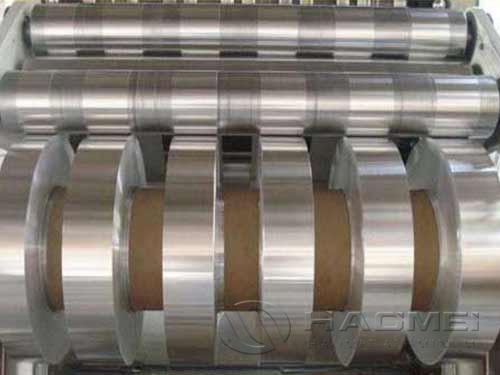
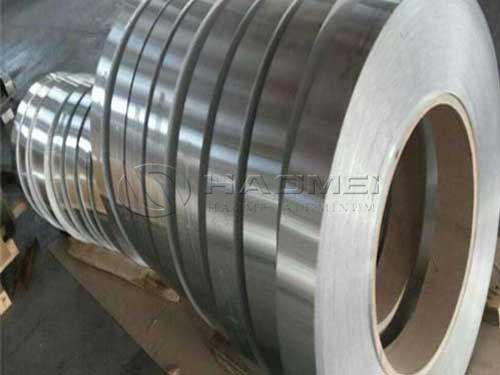
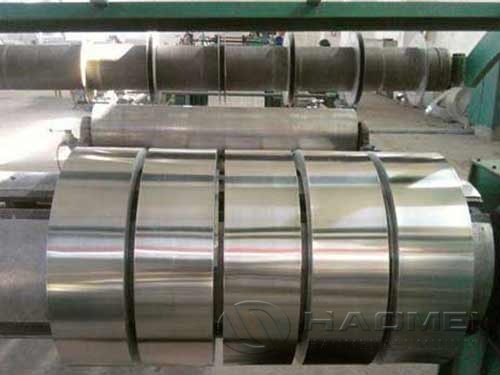
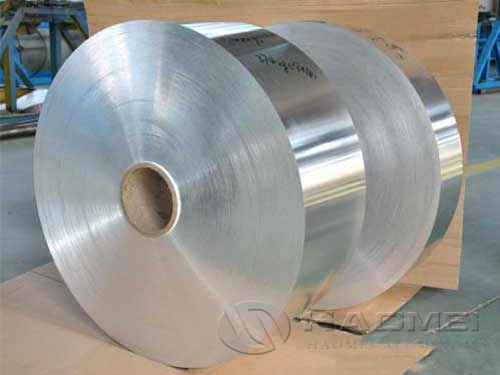
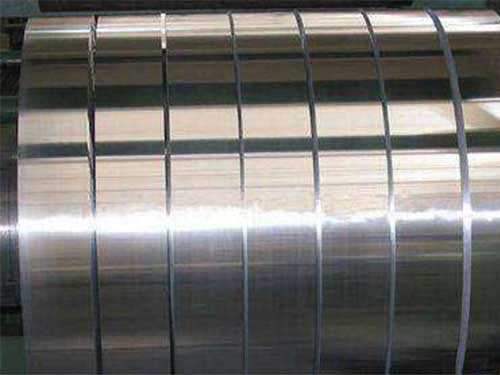
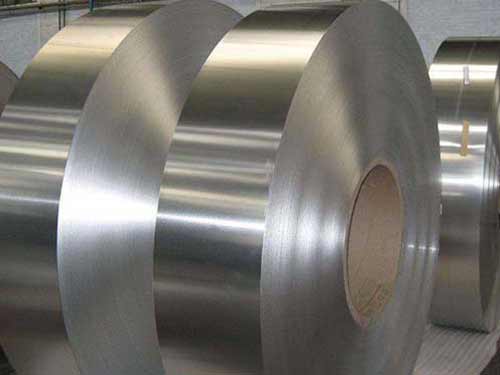
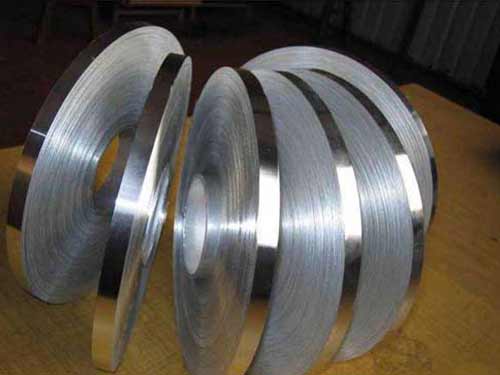
Aluminum strip used for wall cladding is typically supplied in coils before panel fabrication. The strip can be plain mill finish or pre-painted with PE, PVDF, FEVE, polyester, wood grain, stone pattern, brushed, anodized, or embossed surfaces. Pre-coated strip supports efficient continuous production, giving panel manufacturers reliable color consistency from one batch to the next.
The material has excellent formability, allowing it to be shaped into cassette panels, corrugated profiles, flat sheets, interlocking siding, ceiling panels, soffits, column covers, and decorative screens. Aluminum also forms a natural oxide layer that helps protect the base metal. For demanding coastal, industrial, or high-humidity environments, alloy selection and premium coating systems are particularly important.
| Property | Typical Range or Characteristic | Value for Cladding Panels |
|---|---|---|
| Density | About 2.70 g/cm³ | Reduces dead load on wall structures |
| Thickness | 0.30-3.00 mm | Supports light decorative skins to rigid facade panels |
| Strip width | 20-1,600 mm | Can be slit or supplied for profile production |
| Tensile strength | Approx. 90-280 MPa | Depends on alloy and temper |
| Surface finish | PE, PVDF, anodized, embossed, brushed | Provides design freedom and weather protection |
| Corrosion resistance | Good to excellent | Suitable for indoor and outdoor use |
| Recyclability | High | Supports resource-efficient building design |
Suitable Alloys and Chemical Composition
The most appropriate aluminum grade depends on panel geometry, required stiffness, coating process, installation environment, and fabrication route. Pure aluminum grades provide excellent workability, while manganese and magnesium-containing alloys offer improved strength and corrosion performance.
| Alloy | Main Chemical Elements, wt.% | Typical Cladding Use |
|---|---|---|
| 1050 | Al ≥ 99.50% | Decorative panels, trims, indoor surfaces |
| 1060 | Al ≥ 99.60% | Easily formed profiles and light-duty facing sheets |
| 1100 | Al ≥ 99.00% | General architectural sheet and finishing parts |
| 3003 | Mn 1.0-1.5% | Formed wall panels, roofing, and painted cladding |
| 3105 | Mn 0.30-0.80%, Mg 0.20-0.80% | Pre-painted siding, trim coil, and exterior panels |
| 5005 | Mg 0.50-1.10% | Anodized and painted architectural panel surfaces |
| 5052 | Mg 2.20-2.80% | Humid, coastal, and higher-strength panel applications |
For projects requiring formed facades with dependable paint adhesion, 3003 Aluminum Strip is often selected because it balances formability, strength, and coating compatibility. Where salt air, frequent rain, or condensation creates more demanding service conditions, 5052 Aluminum Strip can provide enhanced resistance and strength.
Surface Finishes That Shape the Building Identity
The visual character of a facade is strongly influenced by the aluminum strip finish. Solid-color PVDF coating is widely used for exterior curtain walls because it offers excellent resistance to ultraviolet exposure, chalking, and fading. Polyester coatings provide a practical solution for standard architectural applications, while PE coatings are common for protected interior surfaces and economical decorative uses.
Wood grain aluminum strip gives buildings the warmth of timber without the regular maintenance associated with natural wood. Marble, concrete, bronze, copper, and brushed-metal patterns can also be created through advanced coating or transfer printing processes. Anodized aluminum offers a metallic, refined appearance and integrates well with contemporary offices, airports, retail spaces, and public buildings.
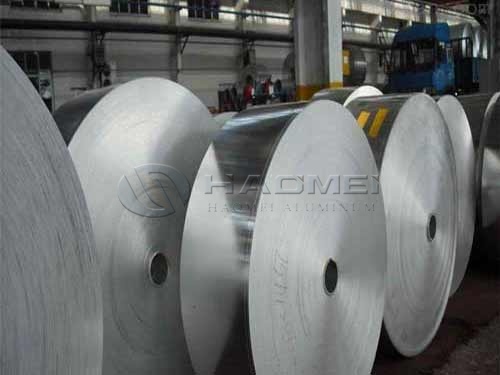
Embossed finishes add texture and can reduce the visibility of handling marks. Perforated panels, produced from suitable aluminum strip, support ventilation, shading, acoustic design, and decorative light effects. For exterior walls, coating thickness, color tolerance, gloss level, and protective film specification should be confirmed before mass production.
Performance Benefits for Wall Systems
Aluminum strip wall cladding panel sheet performs well in ventilated facade systems. In this design, the panel is separated from the structural wall by an air cavity. The cavity helps manage moisture and can improve thermal behavior when combined with appropriate insulation and vapor-control layers. The lightweight nature of aluminum makes installation more efficient, especially for high-rise renovations and complex architectural elevations.
Its flexibility in fabrication is another major advantage. Panels can be bent into returns, folded into cassette edges, formed into wave profiles, or cut into narrow vertical battens. This allows designers to combine broad flat zones with deep shadows, linear textures, and contrasting colors. Aluminum does not rust like carbon steel, and a properly specified coated panel requires limited routine maintenance.
| Performance Factor | Aluminum Strip Cladding Contribution |
|---|---|
| Weather exposure | Coated surfaces help resist rain, UV radiation, and temperature cycling |
| Fire design | Aluminum is non-combustible, though complete system ratings depend on core, insulation, and assembly design |
| Fabrication | Supports cutting, folding, punching, roll forming, and riveting |
| Maintenance | Usually cleaned with water and mild neutral detergent when needed |
| Structural load | Lower weight can reduce support-frame requirements |
| Sustainability | Recyclable material with strong value at end of service life |
Common Applications
Aluminum strip wall cladding panel sheet is used across many architectural environments. Exterior applications include rainscreen facades, curtain-wall infill, balcony enclosures, parapet covers, garage doors, canopies, entrance portals, roof-edge trims, and prefabricated modular building skins. Its ability to accept long-length roll forming makes it effective for linear wall panels and corrugated profiles.
In interior spaces, aluminum strip can be converted into wall linings, elevator surrounds, ceiling systems, shopfronts, partition panels, exhibition displays, and decorative column wraps. Healthcare buildings, schools, hotels, shopping centers, offices, and stations benefit from its clean surface and practical maintenance requirements.
Industrial and infrastructure projects also use aluminum cladding for equipment housings, clean-room walls, utility buildings, tunnel service areas, warehouse facades, and transportation facilities. Perforated or expanded aluminum panel designs are especially useful for parking structures, solar shading, ventilation covers, and architectural screening.
Selection and Fabrication Considerations
A successful cladding project begins with matching the strip specification to the actual service environment. Thickness must provide enough rigidity for the panel size and support spacing. Alloy temper should be compatible with bending radius and profile depth. For broad panels exposed to strong wind, engineers should assess deflection, fixing positions, thermal movement, and subframe design.
Color-coated strip should be protected during transport, slitting, roll forming, and installation. Protective film can prevent scratches, but it should be removed within the recommended time to avoid adhesive residue or difficult peeling. Contact between aluminum and incompatible metals should also be controlled through isolating tapes, coatings, or suitable fasteners to reduce galvanic corrosion risk.
Aluminum strip wall cladding panel sheet combines visual freedom with dependable building performance. From smooth minimalist facades to textured decorative screens, it gives fabricators and designers a versatile material platform for long-lasting architectural surfaces.