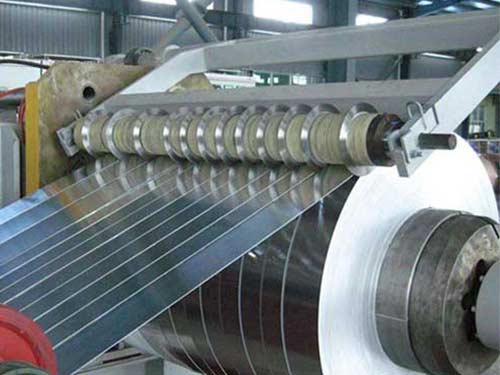
Aluminum Nose Wire Strip for Face Masks
Aluminum nose wire strip for face masks is a narrow, soft aluminum strip placed across the upper edge of a mask to help the mask conform to the wearer's nose bridge. It is small in size, but it has a direct effect on fit, comfort, sealing, production speed, and user confidence.
Compared with plastic-coated iron wire or simple plastic nose clips, aluminum strip offers clean formability, corrosion resistance, low rebound, and a smooth skin-friendly feel when laminated or covered by mask fabric. For disposable medical masks, KN95, N95-style respirators, FFP2 masks, dust masks, and reusable cloth masks, the right nose strip helps reduce air leakage around the nose without creating sharp pressure points.
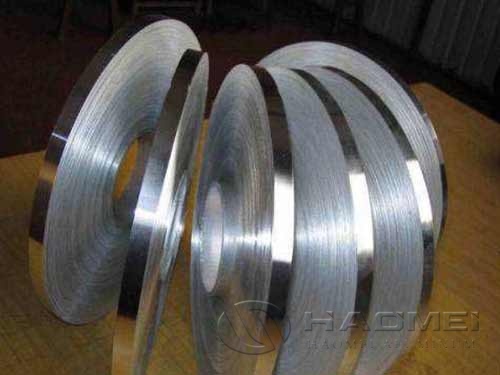
Product characteristics that matter on a mask line
A good mask nose strip must bend easily during wearing, stay in shape after pressing, and run smoothly through automatic feeding equipment. The strip should not crack, twist, or create burrs that may cut mask fabric. High-purity soft aluminum, especially 1050, 1060, 1070, and 1100 series, is widely used because it combines ductility with clean slitting performance.
For buyers already using soft commercial-purity material, 1050 / 1060 Aluminum Strip is a common choice for stable bending, low springback, and easy conversion into narrow mask nose bridge strips.
| Product attribute | Practical value for face masks |
|---|---|
| Soft temper | Easy hand forming over the nose bridge |
| Low springback | Better shape retention after pressing |
| Smooth slit edge | Protects nonwoven fabric from cutting or tearing |
| Corrosion resistance | Suitable for humid breathing environments |
| Non-magnetic behavior | Friendly for many packing and inspection processes |
| Light weight | Minimal influence on mask weight and comfort |
| Clean surface | Supports ultrasonic welding, adhesive fixing, or fabric encapsulation |
Recommended alloy selection
Commercial-purity aluminum is preferred when the mask needs a soft nose clip with excellent formability. Manganese-containing 3003 can be selected when slightly higher strength is requested, although it is less soft than 1060 or 1100 in the same condition. For wider sourcing options, some manufacturers compare nose strip requirements with general 3003 Aluminum Strip when they need improved rigidity for specialty mask designs.
| Alloy | Typical temper | Main reason for selection | Common mask use |
|---|---|---|---|
| 1050 | O, H12 | Very soft, high aluminum purity, economical | Disposable medical masks, flat masks |
| 1060 | O, H12 | Excellent ductility and low rebound | KN95, N95-style, FFP2, surgical masks |
| 1070 | O | Higher purity, smooth surface finish | Premium respirator nose clips |
| 1100 | O, H14 | Good formability with slightly higher strength | Foldable masks, cup masks |
| 3003 | O, H14 | Better rigidity than pure aluminum | Reusable masks, shaped dust masks |
Chemical composition reference
Actual composition should follow the agreed standard, such as ASTM B209, EN 573, GB/T 3190, or customer drawings. The table shows typical reference ranges used for aluminum strip selection.
| Alloy | Al | Si | Fe | Cu | Mn | Mg | Zn | Ti |
|---|---|---|---|---|---|---|---|---|
| 1050 | ≥99.50 | ≤0.25 | ≤0.40 | ≤0.05 | ≤0.05 | ≤0.05 | ≤0.05 | ≤0.03 |
| 1060 | ≥99.60 | ≤0.25 | ≤0.35 | ≤0.05 | ≤0.03 | ≤0.03 | ≤0.05 | ≤0.03 |
| 1070 | ≥99.70 | ≤0.20 | ≤0.25 | ≤0.04 | ≤0.03 | ≤0.03 | ≤0.04 | ≤0.03 |
| 1100 | ≥99.00 | Si+Fe ≤0.95 | Si+Fe ≤0.95 | 0.05-0.20 | ≤0.05 | - | ≤0.10 | - |
| 3003 | Balance | ≤0.60 | ≤0.70 | 0.05-0.20 | 1.00-1.50 | - | ≤0.10 | - |
Technical specifications
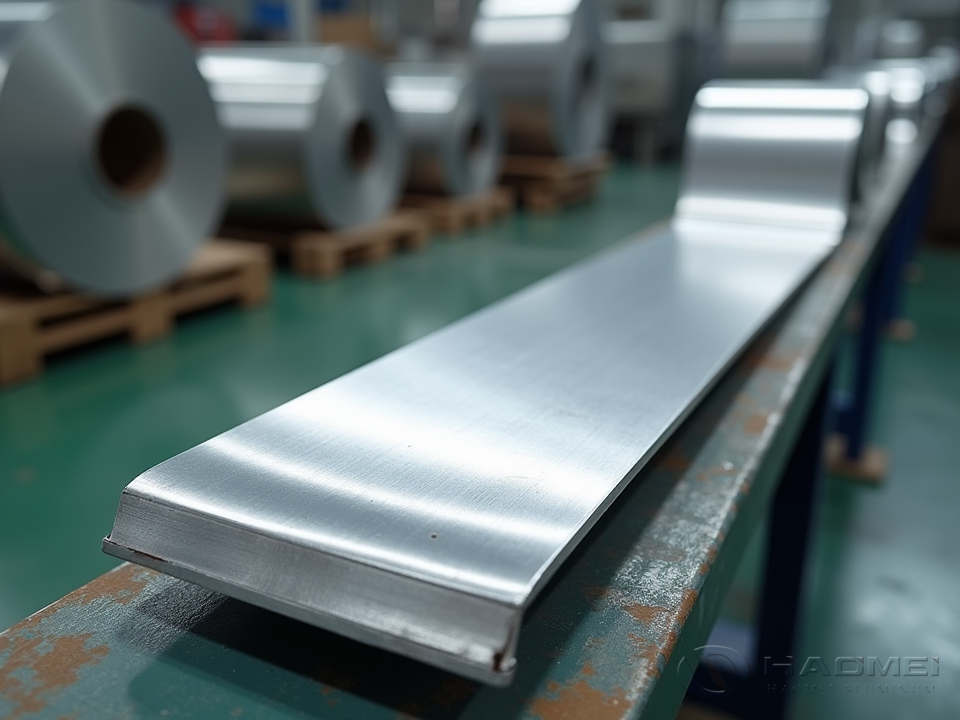
Mask production requires narrow tolerance control because the strip must feed into a fixed channel, align with the mask body, and pass cutting or welding stations without jamming. Width, thickness, camber, and coil winding quality are therefore as important as alloy selection.
| Parameter | Typical range | Custom option |
|---|---|---|
| Thickness | 0.35-0.80 mm | 0.20-1.00 mm by order |
| Width | 2.5-7.0 mm | Wider strips available for special masks |
| Common size | 3.0 x 0.50 mm, 4.0 x 0.50 mm, 5.0 x 0.70 mm | Cut to drawing |
| Temper | O, H12, H14 | Soft or semi-hard selection |
| Inner diameter | 76 mm, 152 mm | Matched to feeder design |
| Coil outer diameter | 300-600 mm | Based on coil weight and line layout |
| Width tolerance | ±0.05 mm typical | Tighter tolerance by agreement |
| Thickness tolerance | ±0.02 mm typical | Controlled by rolling plan |
| Burr height | ≤0.03 mm target | Deburred edge available |
| Surface | Mill finish, clean, dry | Coated or laminated on request |
Mechanical and forming performance
The strip must feel soft to the user, yet remain firm enough to hold the mask against the face. Excessive hardness can make the mask uncomfortable, while excessive softness may reduce support after repeated adjustment. The most balanced choice is usually soft O temper or light strain-hardened H12.
| Property | Soft O temper | H12 or H14 temper | Effect on mask use |
|---|---|---|---|
| Tensile strength | 60-95 MPa | 80-125 MPa | Controls rigidity and press feel |
| Elongation | 15-35% | 5-15% | Supports bending without cracking |
| Rebound after bending | Low | Medium | Lower rebound improves sealing |
| Bend radius | Small | Small to moderate | Helps shape around different nose bridges |
| Repeated adjustment | Good | Good | Allows users to refit the mask during wear |
Performance comparison with alternative nose bridge materials
Aluminum is not the only material used for mask nose clips, but it offers a strong balance of comfort, durability, and processing reliability. It is especially suitable where mask producers want a premium feel and stable high-volume output.
| Material | Formability | Shape retention | Corrosion behavior | Comfort | Recycling value |
|---|---|---|---|---|---|
| Aluminum strip | Excellent | High | Excellent | Smooth, light | High |
| Plastic strip | Medium | Medium to low | Good | Soft but less stable | Low to medium |
| Iron wire with coating | Good | High | Depends on coating | Can feel harder | Medium |
| Twin-core plastic wire | Good | Medium | Good | Soft | Low |
Surface, edge, and safety requirements
The nose strip is often hidden inside spunbond or meltblown mask layers, but its finish still matters. Clean metal reduces contamination risk during mask assembly. Smooth edges reduce fabric damage during feeding and after ultrasonic welding. A dry, oil-controlled surface also supports adhesive bonding when the strip is attached to mask blanks before folding.
| Quality item | Recommended control target | Reason |
|---|---|---|
| Edge burr | ≤0.03 mm | Prevents cutting of nonwoven material |
| Surface oil | Light and controlled | Avoids staining or bonding problems |
| Scratches | No deep scratches | Improves appearance and handling safety |
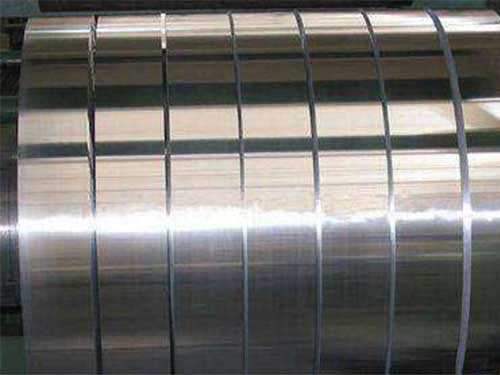
| Coil winding | Tight, even, no telescoping | Prevents feeder interruption |
| Splice control | Clearly marked or no splice | Protects automatic production continuity |
| Cleanliness | Free from dust and metal chips | Supports hygienic mask manufacturing |
Typical applications
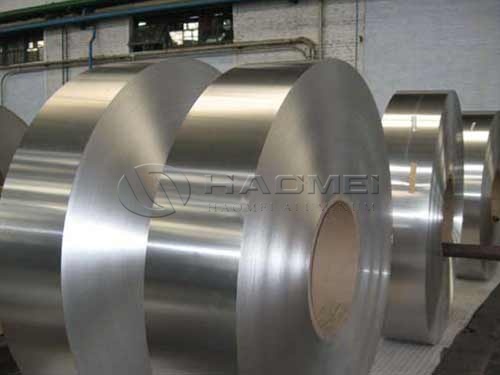
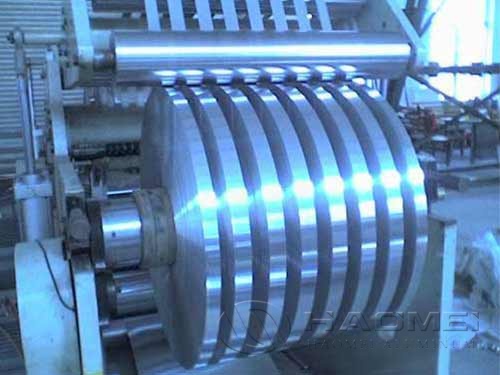
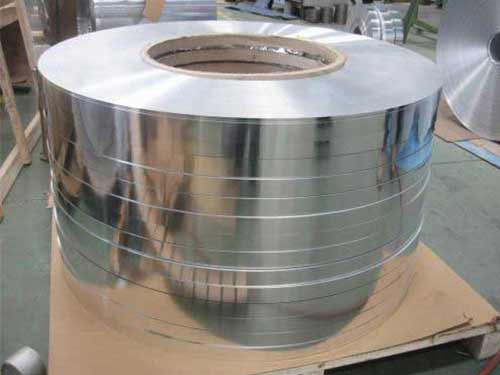
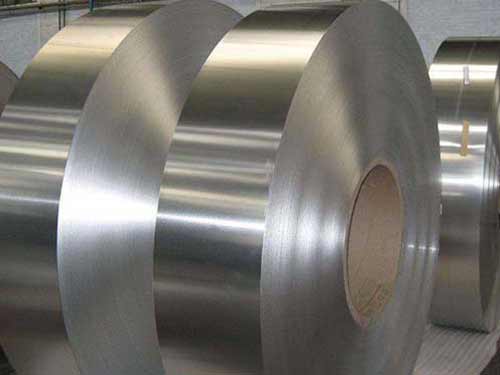
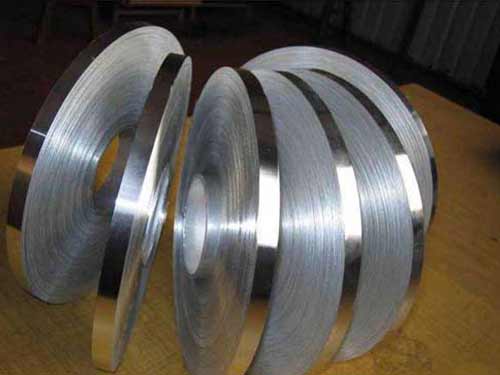
Aluminum nose wire strip for face masks can be supplied in narrow coils for automatic machines or in cut lengths for manual and semi-automatic production. It can be inserted inside the mask body, bonded to the outer layer, or sealed between fabric layers.
| Mask type | Suggested strip | Benefit |
|---|---|---|
| Disposable flat medical mask | 3-4 mm wide soft 1060 or 1100 | Easy forming and low cost |
| KN95 or foldable respirator | 4-5 mm wide soft aluminum | Better nose contour and fit |
| Cup-shaped dust mask | 5-7 mm semi-soft strip | Stronger support around nose area |
| Reusable cloth mask | Coated or laminated aluminum strip | Wash-friendly feel and comfort |
| Children's mask | Narrow soft strip with smooth edge | Gentle pressure and easy adjustment |
Production and packaging considerations
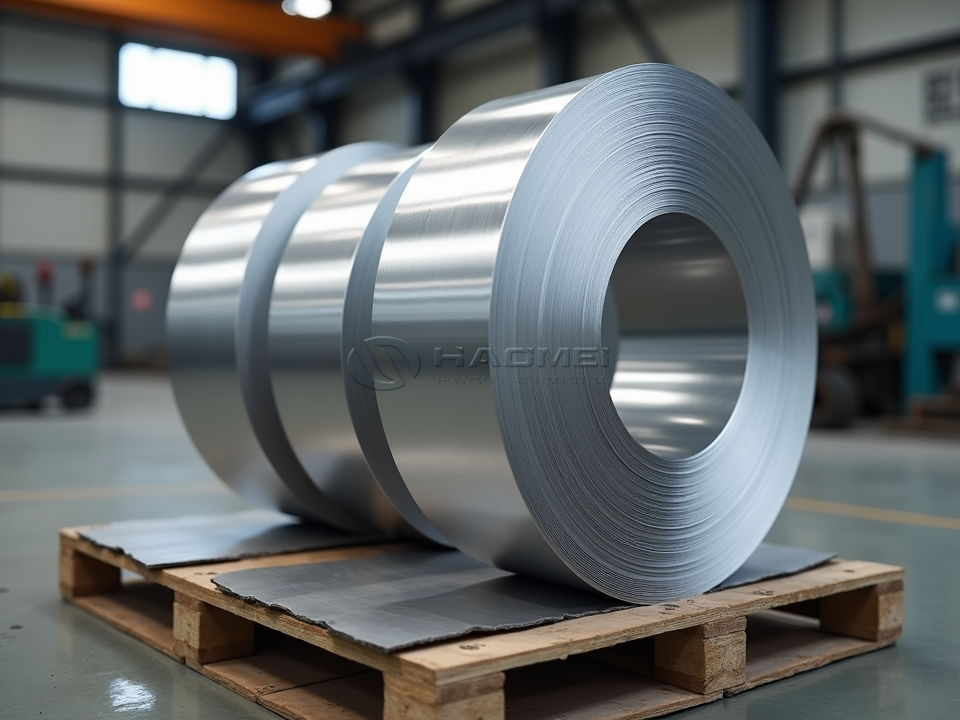
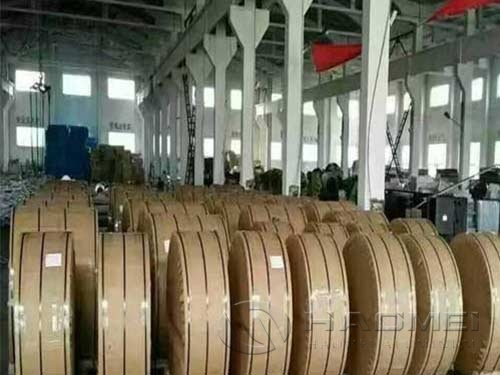
For high-speed mask machines, coil stability is critical. A well-wound coil reduces downtime, prevents strip twisting, and allows stable feeding into nose bridge applicators. Coil weight should match the equipment so operators can change coils quickly without excessive handling.
| Packaging item | Standard practice | Customer value |
|---|---|---|
| Coil protection | Plastic film plus moisture barrier | Keeps strip clean and dry |
| Edge protection | Paper or plastic edge guard | Reduces transit damage |
| Labeling | Alloy, temper, size, coil number, weight | Easy traceability |
| Palletizing | Wooden pallet or carton packing | Safer warehouse storage |
| Documentation | Mill test certificate available | Confirms chemistry and dimensions |
Why customers choose aluminum nose strip
The main value of aluminum nose strip is its balance. It is soft enough for a comfortable press fit, strong enough to keep its formed shape, clean enough for mask production, and stable enough for continuous automated feeding. When the strip is rolled, slit, wound, and packed with tight process control, it helps mask manufacturers reduce waste, improve fit consistency, and deliver a better wearing experience.
For procurement teams, the most important purchase factors are alloy, temper, width, thickness, burr control, surface cleanliness, coil size, and packing method. When these details are clearly defined before ordering, aluminum nose wire strip becomes a reliable component that supports both mask performance and manufacturing efficiency.