Aluminum Coil for Letter Aluminum Strip
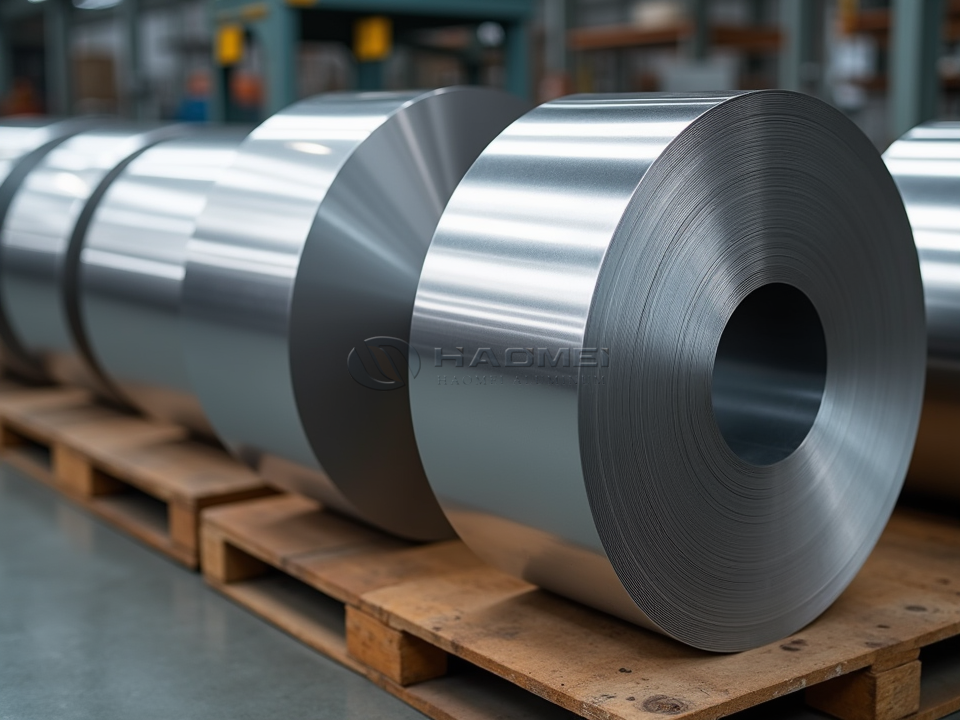
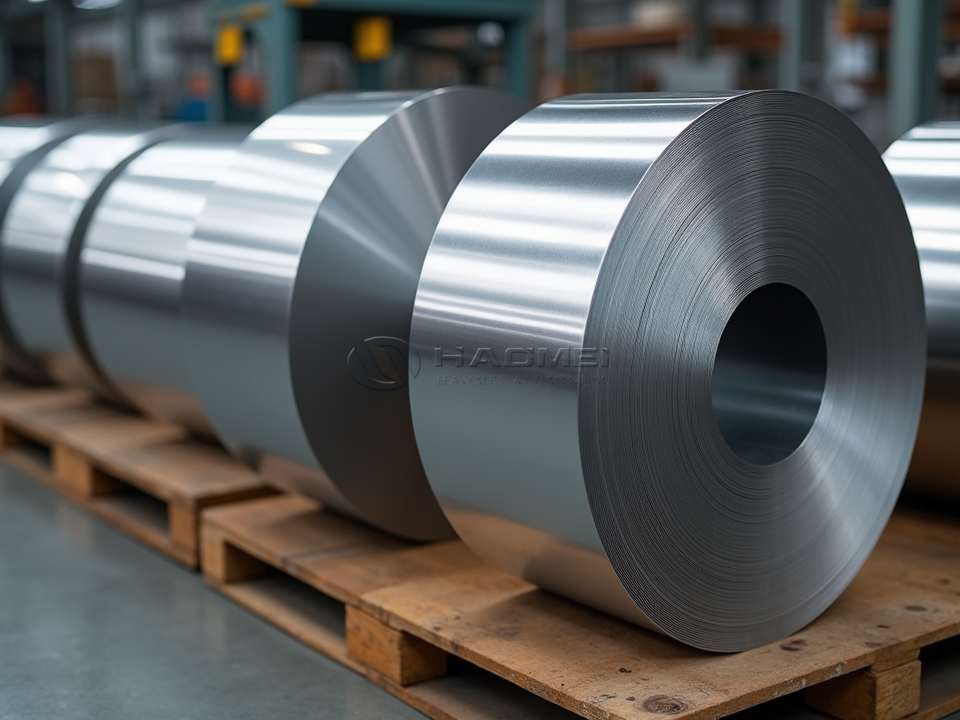
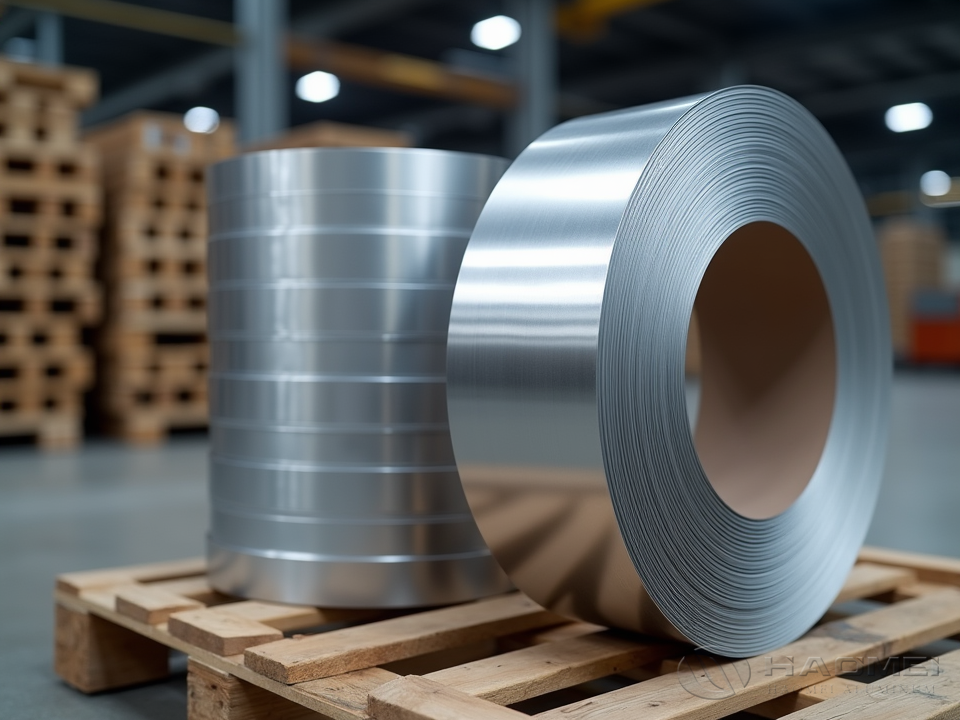
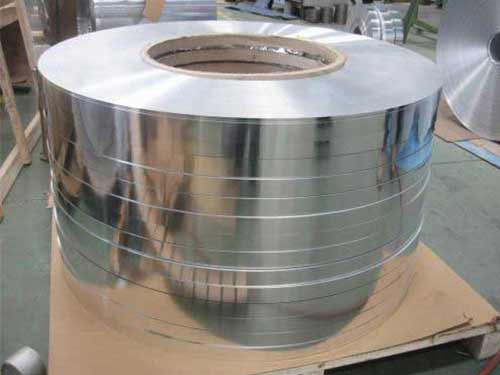
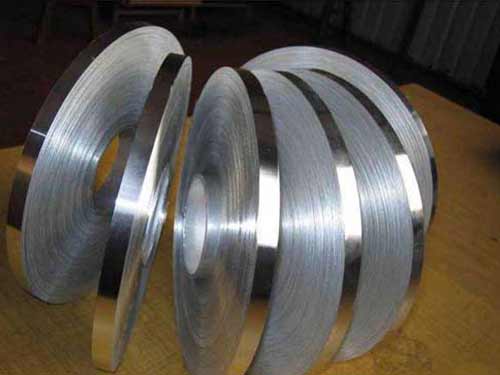
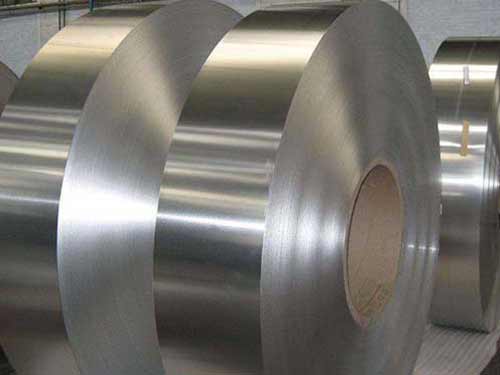
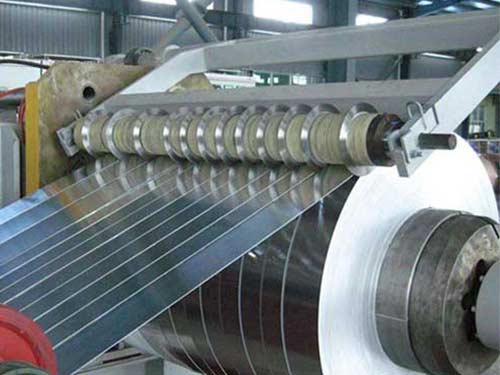
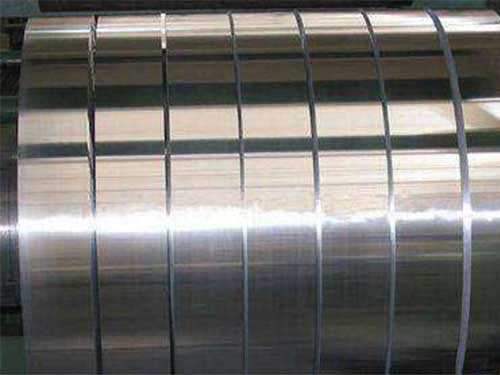
Aluminum coil for letter aluminum strip is a precision-slit material developed for channel letters, illuminated signage, architectural logos, retail displays, and directional sign systems. It combines low weight, reliable bending behavior, corrosion resistance, and an attractive surface suitable for painting, powder coating, or direct decorative finishing.
For fabricators, the material must do more than look clean. It needs to pass smoothly through channel-letter bending equipment, hold a consistent return shape, accept welding or riveting, and remain stable in outdoor weather. A properly selected aluminum strip helps create sharp letter edges, smooth curves, durable sign faces, and efficient production with less scrap.
Material Characteristics for Sign Letter Production
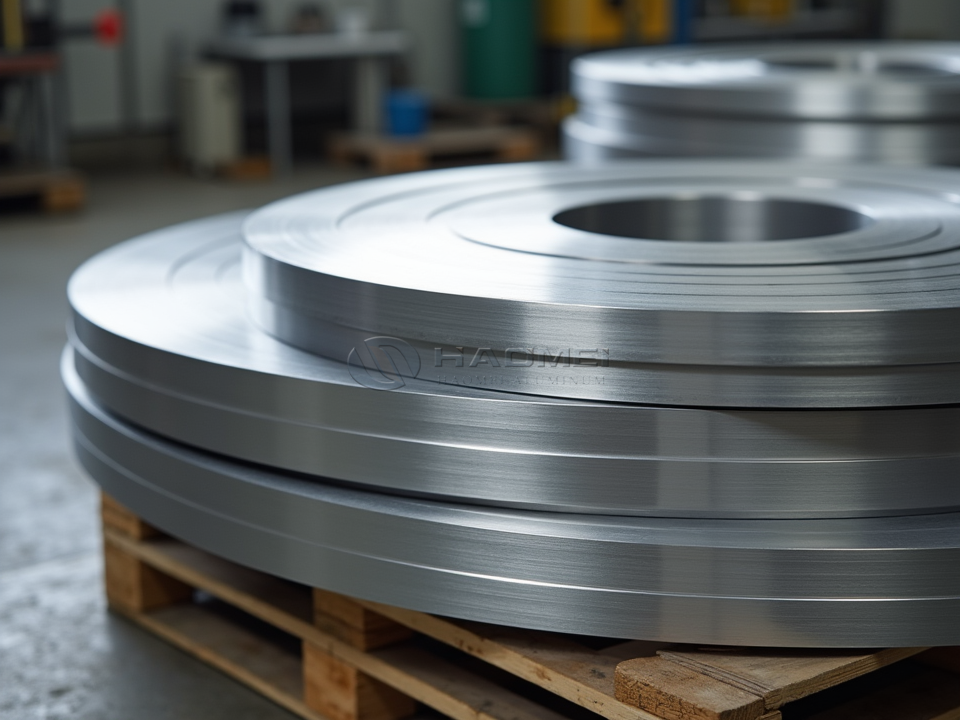
Letter aluminum strip is commonly supplied in 1xxx, 3xxx, and 5xxx aluminum alloy families. The choice depends on the desired balance of softness, strength, corrosion resistance, coating performance, and forming complexity. For standard channel letters, 1050, 1060, 1100, and 3003 are widely used because they are easy to bend and form. For coastal, industrial, or high-humidity environments, 5052 may be selected for stronger corrosion resistance.
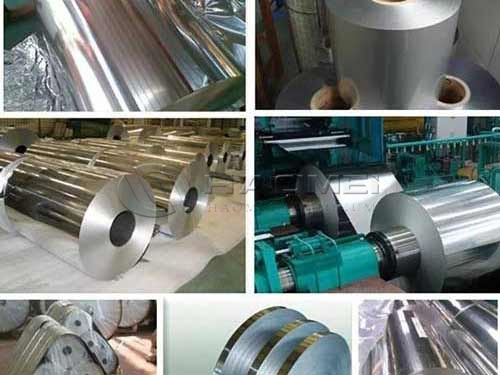
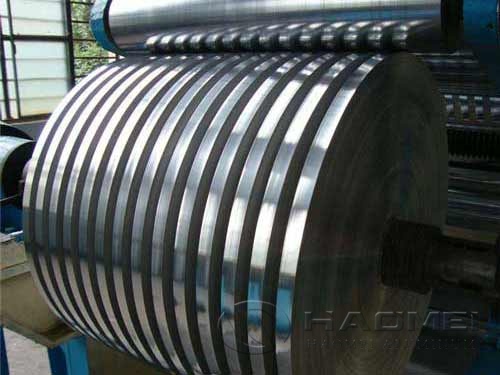
The coil is slit to narrow widths that match letter returns, reducing secondary cutting operations. Uniform thickness and stable temper help automated benders produce consistent letter depth across long production runs. The smooth surface also supports even coating coverage and a refined finished appearance.
| Performance Factor | Value to Sign Fabricators |
|---|---|
| Lightweight structure | Reduces handling effort and load on sign frames |
| Excellent formability | Supports tight radii, curved letters, and intricate logos |
| Corrosion resistance | Helps outdoor signs withstand rain, humidity, and urban exposure |
| Surface quality | Suitable for painting, powder coating, anodizing, and film lamination |
| Slit-width accuracy | Improves compatibility with channel-letter bending machines |
| Recyclability | Supports resource-efficient signage production |
Common Alloy Options
| Alloy | Typical Aluminum Content | Main Characteristics | Suitable Letter Applications |
|---|---|---|---|
| 1050 | ≥ 99.50% | Soft, highly ductile, bright surface, easy forming | Standard indoor and outdoor channel letters |
| 1060 | ≥ 99.60% | Excellent conductivity and formability, low forming resistance | Fine curves, small letters, decorative trims |
| 1100 | ≥ 99.00% | Good workability and atmospheric corrosion resistance | Painted returns and general signage |
| 3003 | Balance Al with Mn | Higher strength than 1xxx alloys, good forming performance | Large letters, commercial fascia signs, exposed returns |
| 5052 | Balance Al with Mg | Strong corrosion resistance and improved strength | Coastal signage, transport terminals, humid locations |
For everyday letter-bending work, 1050 / 1060 Aluminum Strip offers a practical combination of softness, economical processing, and dependable surface quality. Where increased rigidity is needed for larger fabricated letters or demanding outdoor installations, 3003 Aluminum Strip provides a stronger alternative while retaining good formability.
Chemical Composition Reference
Chemical composition affects strength, corrosion behavior, weldability, and bending response. Values shown are typical maximum or nominal ranges and may be adjusted according to the applicable standard and customer specification.
| Alloy | Si | Fe | Cu | Mn | Mg | Zn | Ti | Al |
|---|---|---|---|---|---|---|---|---|
| 1050 | 0.25% | 0.40% | 0.05% | 0.05% | 0.05% | 0.05% | 0.03% | ≥ 99.50% |
| 1060 | 0.25% | 0.35% | 0.05% | 0.03% | 0.03% | 0.05% | 0.03% | ≥ 99.60% |
| 1100 | 0.95% Si + Fe | - | 0.05%-0.20% | 0.05% | - | 0.10% | - | ≥ 99.00% |
| 3003 | 0.60% | 0.70% | 0.05%-0.20% | 1.00%-1.50% | - | 0.10% | - | Balance |
| 5052 | 0.25% | 0.40% | 0.10% | 0.10% | 2.20%-2.80% | 0.10% | - | Balance |
Technical Specifications
Production requirements vary with the bending machine, letter depth, finishing route, and end-use environment. The following range covers common commercial supply for letter aluminum strip.
| Parameter | Common Supply Range | Notes |
|---|---|---|
| Alloy | 1050, 1060, 1100, 3003, 5052 | Selected by forming and durability needs |
| Temper | O, H14, H16, H18, H24 | O temper is preferred for demanding curves |
| Thickness | 0.30-1.50 mm | 0.50-0.80 mm is common for channel letters |
| Strip width | 20-300 mm | Matched to letter return depth |
| Coil width before slitting | Up to 1,500 mm | Supports efficient multi-strip production |
| Coil inner diameter | 150 mm, 300 mm, 505 mm | Compatible with different processing equipment |
| Coil weight | 50-3,000 kg | Available for manual or automated lines |
| Width tolerance | Typically ±0.10 mm to ±0.30 mm | Depends on strip width and order requirement |
| Surface | Mill finish, painted, coated, embossed, brushed | Chosen for visual and processing demands |
| Standards | ASTM, EN, JIS, GB, or agreed specification | Documentation can be supplied on request |
Mechanical Performance
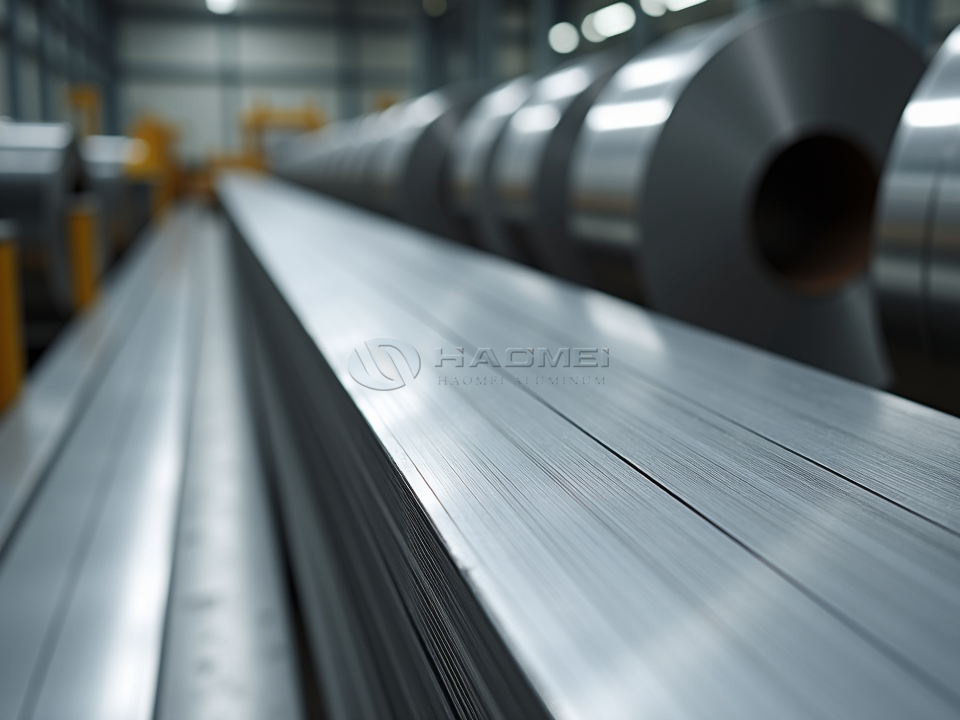
Mechanical properties should be matched to the fabrication process. Soft tempers bend easily with minimal risk of edge cracking. Harder tempers improve stiffness but require larger bending radii and carefully controlled tooling.
| Alloy and Temper | Tensile Strength | Yield Strength | Elongation | Forming Guidance |
|---|---|---|---|---|
| 1050-O | 60-95 MPa | ≥ 20 MPa | ≥ 25% | Excellent for tight curves and intricate letters |
| 1060-O | 60-95 MPa | ≥ 15 MPa | ≥ 25% | Very suitable for automated letter bending |
| 1100-H14 | 110-145 MPa | ≥ 95 MPa | ≥ 3% | Good balance for general sign returns |
| 3003-H14 | 120-160 MPa | ≥ 115 MPa | ≥ 3% | Better stiffness for larger letters |
| 5052-H32 | 195-245 MPa | ≥ 130 MPa | ≥ 10% | Strong, weather-resistant choice for severe environments |
Surface and Finish Possibilities
The visual impact of a channel letter often depends on the strip surface. Mill-finish aluminum is suitable when the fabricator will apply paint or powder coating after forming. Pre-painted coil supports faster production and consistent color across many letters. Brushed, mirror, embossed, or wood-grain finishes can create a premium architectural appearance without extensive post-processing.
Protective film may be applied to decorative surfaces to reduce scratches during slitting, bending, transport, and installation. For painted products, coating adhesion, color consistency, gloss level, and film thickness should be agreed before production. Outdoor applications benefit from weather-resistant coating systems designed to resist fading and chalking.
Typical Applications
| Application | Material Requirement | Recommended Direction |
|---|---|---|
| LED channel letters | Easy bending, clean surface, stable width | 1050-O, 1060-O, 1100-H14 |
| Storefront signs | Durable painted finish and moderate rigidity | 1100, 3003 |
| Building logos | Accurate forming and decorative surface options | 1050, 1060, 3003 |
| Airport and transit signage | High corrosion resistance and long service life | 3003, 5052 |
| Coastal commercial signs | Resistance to salt-laden moisture | 5052 |
| Interior display lettering | Fine forming and premium finish compatibility | 1050, 1060, 1100 |
Fabrication Benefits
A well-controlled aluminum coil can improve every stage of letter production. Consistent gauge helps benders maintain repeatable return depth. Burr-controlled slit edges protect operators, reduce scratching, and support cleaner joints. Flat coil winding promotes steady feeding into automated equipment, while a stable surface minimizes visible defects after coating.
Aluminum also offers a favorable strength-to-weight ratio. Compared with heavier metal alternatives, aluminum channel letters are easier to transport, install, and support on façades. Its natural oxide layer provides baseline protection against atmospheric corrosion, and an appropriate coating system extends appearance retention in outdoor service.
Purchasing Considerations
When specifying aluminum coil for letter aluminum strip, communicate the intended letter depth, bending method, minimum curve radius, finish requirement, coil dimensions, and outdoor exposure conditions. These details guide alloy, temper, thickness, and surface selection. Samples should be tested on the actual bending and finishing line, especially when producing small-radius letters, high-gloss surfaces, or tightly matched brand colors.
With the right alloy and coil control, letter aluminum strip becomes a dependable foundation for signage that is lightweight, visually precise, weather-resistant, and efficient to fabricate.