Aluminium Strips Tape 1050 1060 1070 for Capacitor
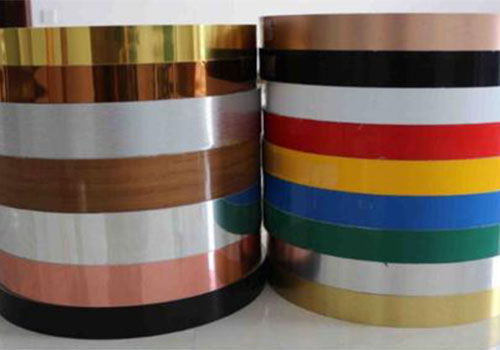
Aluminium strips tape in 1050, 1060, and 1070 alloys is a high-purity rolled material widely used in the production of electrolytic capacitors, power capacitors, capacitor housings, and electrical components. With high electrical conductivity, stable chemical composition, excellent formability, and a clean rolling surface, these aluminum strips provide a dependable foundation for capacitor electrode foil and related winding processes.
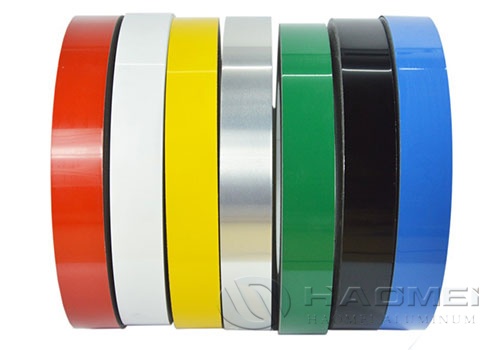
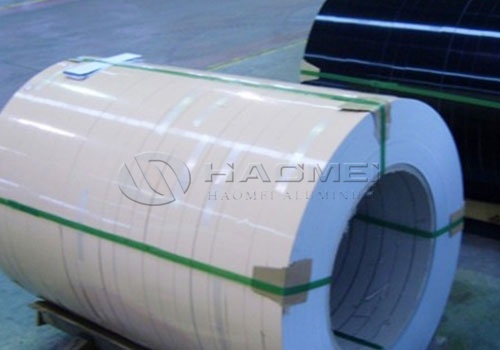
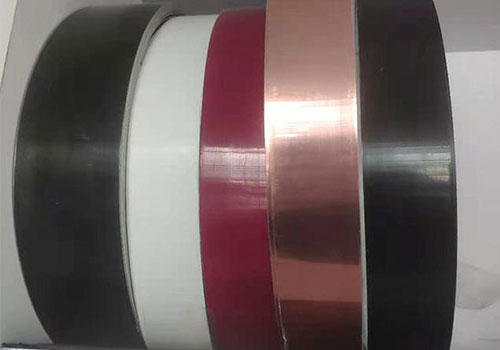
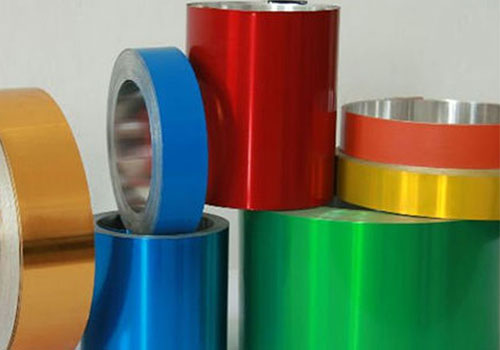
Capacitor-grade aluminum strip is normally supplied in narrow slit coils or precision-wound rolls. The material can be further etched, formed, annealed, coated, or wound according to the capacitor design. For demanding electronic and energy-storage applications, stable thickness, burr control, low surface oil, and consistent mechanical behavior are as important as alloy purity.
Why 1050, 1060, and 1070 Aluminum Are Used for Capacitors
The 1xxx aluminum series contains at least 99.0% aluminum. Grades 1050, 1060, and 1070 have low levels of alloying elements, giving them strong conductivity and corrosion resistance. Their relatively soft structure also supports precision slitting, winding, stamping, and foil-processing operations.
| Alloy | Minimum Aluminum Content | Typical Character | Suitable Capacitor Use |
|---|---|---|---|
| 1050 | 99.50% | Good ductility and balanced cost | General capacitor parts, shells, tabs, and formed components |
| 1060 | 99.60% | High conductivity and reliable processing | Electrolytic capacitor foil, wound components, conductive strips |
| 1070 | 99.70% | Higher purity and enhanced conductivity | High-performance etched foil and sensitive electrical applications |
The purity of 1060 and 1070 aluminum helps produce a more uniform microstructure. This is beneficial when the strip is chemically etched to create a large surface area for capacitor electrodes. A stable etched structure can support greater capacitance per unit volume after anodizing.
Functions in Capacitor Manufacturing
Aluminium strips tape performs several practical functions in capacitor production. Its role changes according to strip thickness, temper, and the subsequent manufacturing route.
| Function | How the Aluminum Strip Contributes |
|---|---|
| Electrode base material | Provides the metal substrate for etching and anodic oxide formation |
| Current collection | Transfers electrical current efficiently within the capacitor structure |
| Winding material | Supports tight, uniform winding with paper, separator film, or dielectric layers |
| Capacitor casing material | Forms lightweight, corrosion-resistant outer shells for selected designs |
| Connection components | Can be stamped into tabs, terminals, or conductive connectors |
| Heat dissipation | Helps conduct heat away from active capacitor elements |
For electrolytic capacitors, aluminum foil or thin strip may undergo electrochemical etching. The etched surface contains microscopic pits that increase effective area substantially. After formation, a dielectric aluminum oxide layer is created on the surface. This combination of large surface area and thin dielectric enables compact capacitance values.
Chemical Composition
Chemical composition is generally controlled according to GB/T 3190 or equivalent international material requirements. Values shown are typical maximum limits unless otherwise stated. Exact tolerances can be agreed in the purchase specification.
| Alloy | Al, Min. % | Si + Fe, Max. % | Cu, Max. % | Mn, Max. % | Mg, Max. % | Zn, Max. % | Ti, Max. % | Other Elements, Each Max. % |
|---|---|---|---|---|---|---|---|---|
| 1050 | 99.50 | 0.40 | 0.05 | 0.05 | 0.05 | 0.05 | 0.03 | 0.03 |
| 1060 | 99.60 | 0.35 | 0.05 | 0.03 | 0.03 | 0.05 | 0.03 | 0.03 |
| 1070 | 99.70 | 0.20 | 0.04 | 0.03 | 0.03 | 0.04 | 0.03 | 0.03 |
A low iron and silicon content is especially valuable for capacitor foil processing. Excessive impurities can influence etching uniformity, electrical behavior, and surface consistency. High-purity coil stock is therefore preferred for etched anode foil and other critical capacitor applications.
Available Temper Conditions
The correct temper is selected according to whether the strip will be etched, deeply formed, stamped, slit, or directly wound. Soft annealed material favors deformation, while hard tempers improve handling strength and dimensional stability.
| Temper | Condition | Typical Use |
|---|---|---|
| O | Fully annealed, soft | Deep drawing, forming, capacitor cases, flexible winding operations |
| H12 / H14 | Strain hardened, lower to medium hardness | General stamped parts and moderate-forming applications |
| H16 | Strain hardened, medium-high hardness | Components requiring improved rigidity |
| H18 | Full-hard condition | Precision foil, narrow slit tape, high-speed winding and etched foil feedstock |
| H19 | Extra-hard condition | Specialized applications requiring maximum strength in thin gauges |
| Property | O Temper, Typical | H14 Temper, Typical | H18 Temper, Typical |
|---|---|---|---|
| Tensile strength | 60-95 MPa | 95-125 MPa | 120-160 MPa |
| Elongation | 20% or higher | 4-12% | 1-5% |
| Formability | Excellent | Good | Limited |
| Winding stability | Good | Very good | Excellent |
Mechanical data varies with alloy, gauge, production route, and applicable standard. For capacitor foil, a buyer may specify tensile strength, elongation, earing behavior, grain structure, surface roughness, and coil set limits.
Technical Specifications for Aluminium Strips Tape
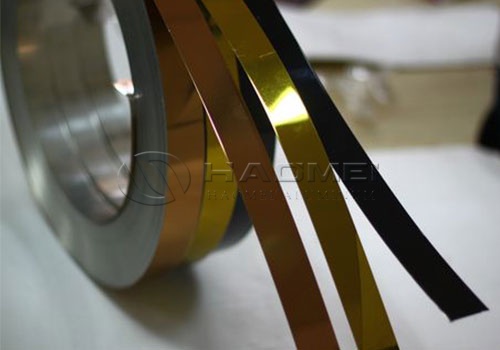
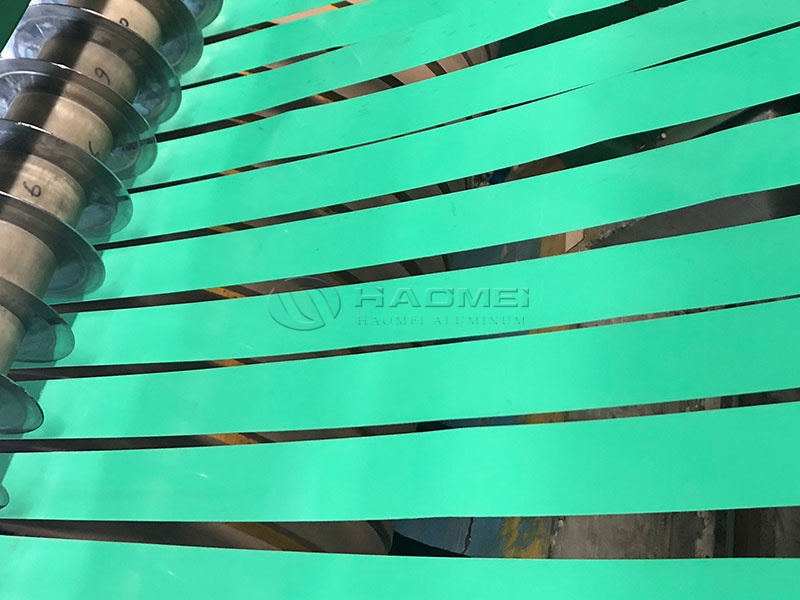
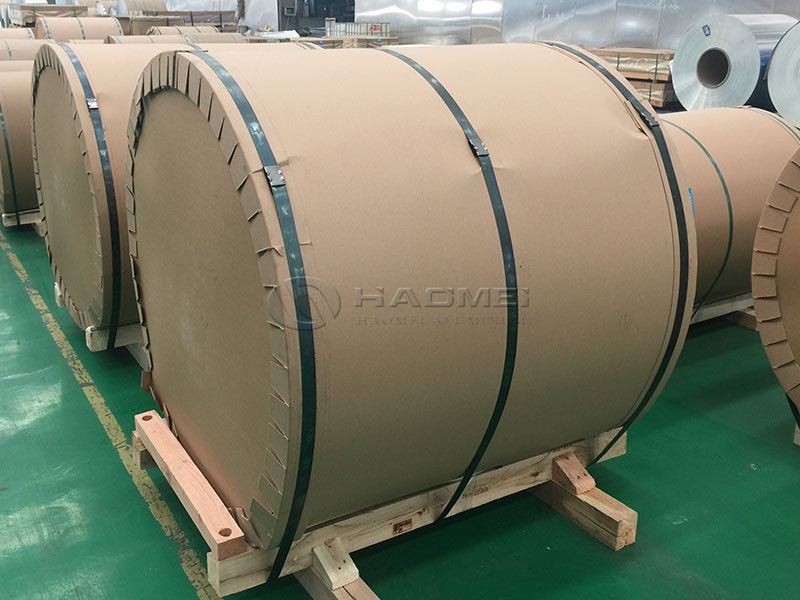
Capacitor aluminum strip can be supplied as slit coil, pancake coil, traverse-wound coil, or flat ribbon tape. Precision dimensions reduce waste during winding and improve production efficiency.
| Parameter | Common Supply Range | Custom Control Options |
|---|---|---|
| Alloy | 1050, 1060, 1070 | Other high-purity 1xxx grades on request |
| Thickness | 0.012-0.50 mm | Tight gauge tolerance for foil-grade orders |
| Width | 3-1,650 mm | Narrow slit widths for capacitor winding |
| Coil inner diameter | 150 mm, 300 mm, 400 mm, 500 mm | Selected for customer equipment |
| Coil outer diameter | Up to 1,500 mm | Based on handling and transport limits |
| Coil weight | 50-8,000 kg | Small coils or jumbo coils available |
| Edge condition | Slit edge, deburred edge | Low-burr control for high-speed processing |
| Surface | Mill finish, degreased, treated | Low rolling oil and surface inspection available |
| Flatness | Controlled | Enhanced flatness for stamping or laminating |
Electrical conductivity is a major consideration for capacitor aluminum. Depending on purity and temper, 1050 aluminum commonly reaches about 61% IACS, while 1060 and 1070 grades can provide approximately 61.5-62.5% IACS. Higher conductivity helps minimize resistive loss and supports dependable current transfer.
Standards and Quality Controls
Aluminium strip tape for capacitor production may be manufactured and inspected against recognized standards, together with customer-specific technical agreements.
| Standard | Scope |
|---|---|
| GB/T 3190 | Chemical composition of wrought aluminum and aluminum alloys |
| GB/T 3880 | Aluminum and aluminum alloy sheets, plates, and strips |
| ASTM B209 | Aluminum and aluminum-alloy sheet and plate requirements |
| EN 485 | Aluminum and aluminum alloy sheet, strip, and plate requirements |
| RoHS | Restriction of hazardous substances, when required for electronic products |
| REACH | Chemical compliance support for applicable markets |
Typical inspection items include chemical analysis, thickness measurement, width tolerance, tensile testing, elongation, coil weight, edge burr, surface cleanliness, pinholes for thin foil, and visual inspection. For capacitor foil, additional checks may include surface roughness, residual oil, grain quality, and etching performance.
Surface Quality and Processing Considerations
A capacitor strip should have a uniform, clean, and defect-controlled surface. Scratches, oxide marks, oil streaks, edge cracks, inclusions, and excessive burrs may disrupt later processing. During narrow-width slitting, controlled blade clearance helps create smooth edges and reduces metal particles that could affect winding quality.
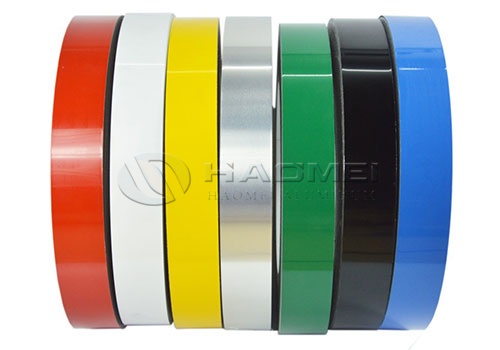
For applications needing insulation or environmental protection on non-active components, Coated Aluminum Strip can be considered separately from active capacitor foil. Coating selection must not interfere with electrical contact areas, etching operations, or dielectric formation.
Selection Guidance for Buyers
| Application Requirement | Recommended Alloy and Temper |
|---|---|
| Standard capacitor housing or formed part | 1050-O or 1060-O |
| General conductive strip and winding material | 1060-H14 or 1060-H18 |
| High-purity etched electrode foil | 1060-H18 or 1070-H18 |
| Thin, rigid slit tape for automated equipment | 1050-H18, 1060-H18, or 1070-H18 |
| Deep-drawn aluminum shell | 1050-O or 1060-O |
Aluminium Strips Tape 1050 1060 1070 for Capacitor combines purity, conductivity, corrosion resistance, and processing flexibility. By matching alloy grade, temper, dimensions, surface condition, and inspection requirements to the capacitor design, manufacturers can achieve more stable winding, efficient electrical performance, and reliable downstream production.