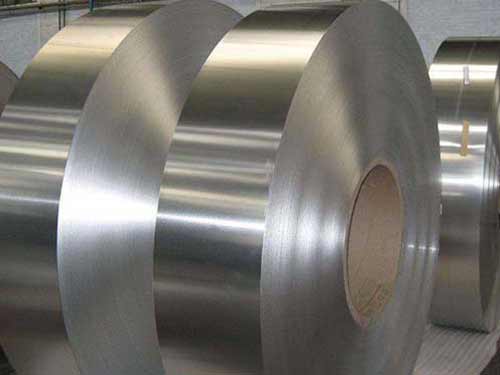
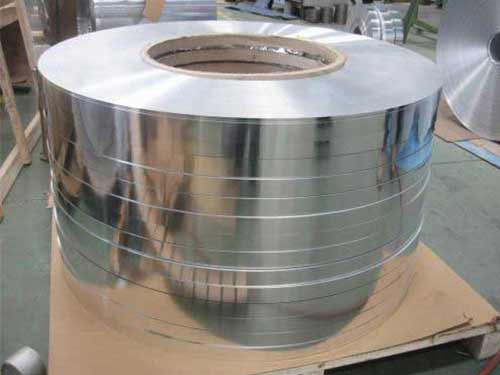
A1050 1060 1100 3003 3004 3105 Aluminum Strip Aluminum Coil With ASTM Standard
A1050, 1060, 1100, 3003, 3004, and 3105 aluminum strip and aluminum coil are widely used flat-rolled materials for customers who need stable forming behavior, clean surface quality, controlled thickness tolerance, and reliable performance under ASTM requirements. These alloys cover high-purity aluminum grades and Al-Mn alloy grades, making them suitable for electrical, stamping, packaging, construction, appliance, lighting, and heat-transfer production.
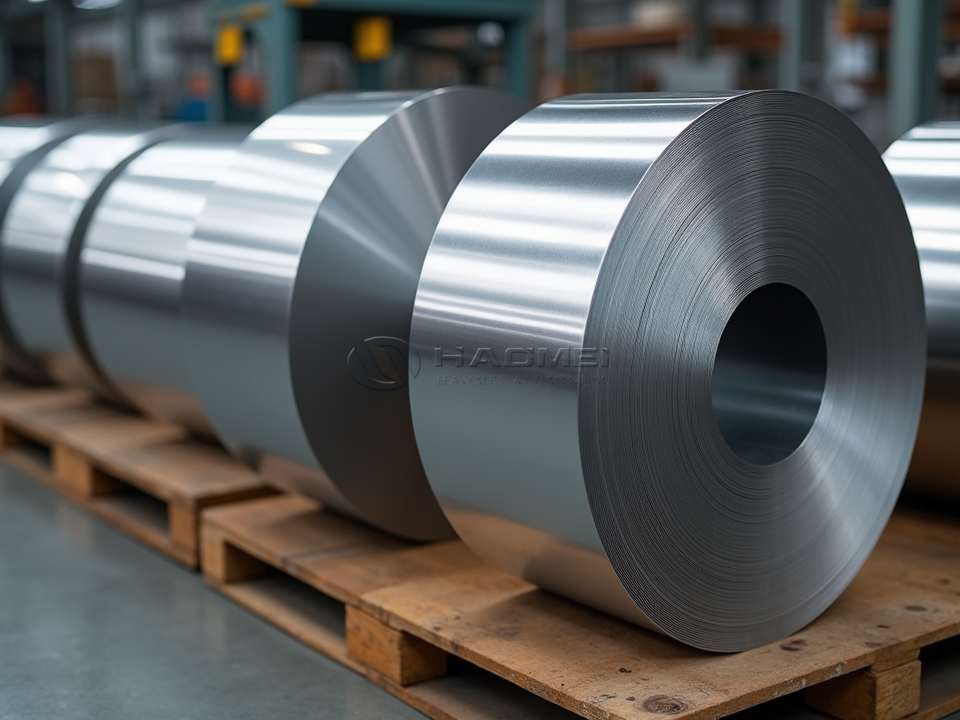
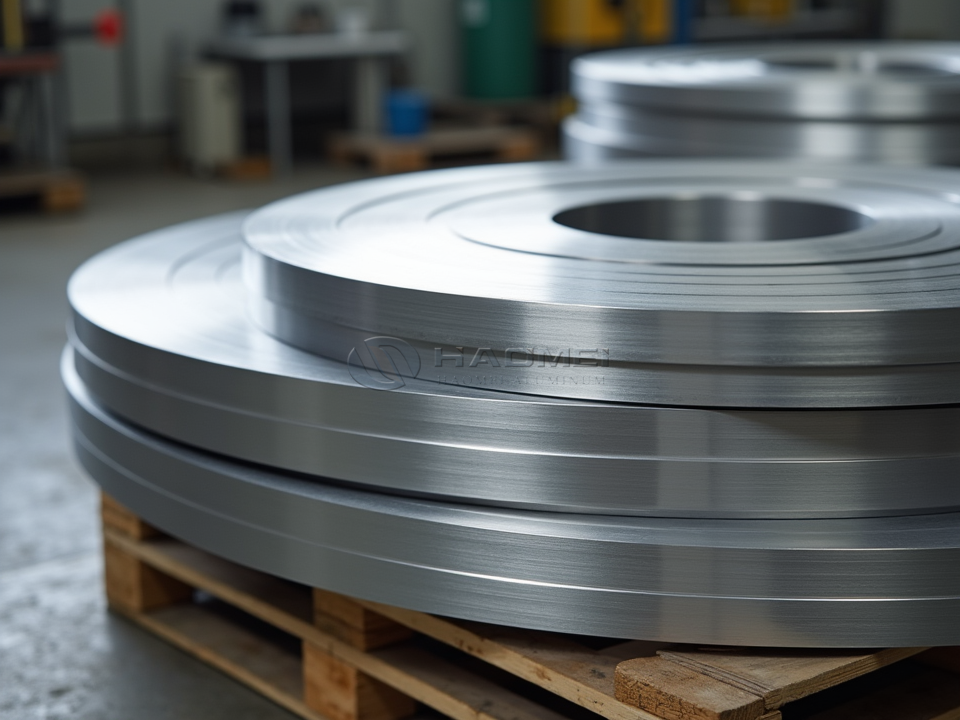
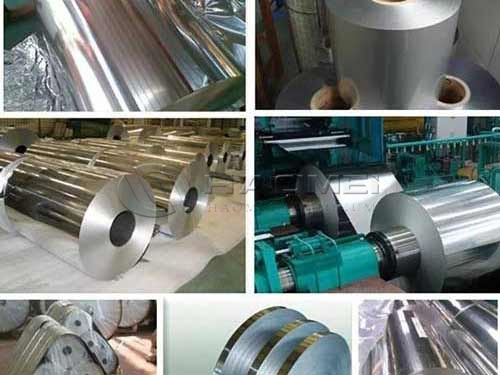
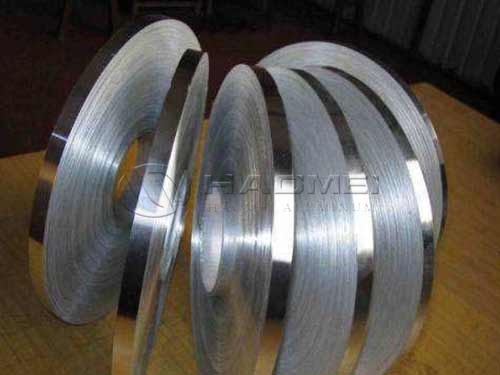
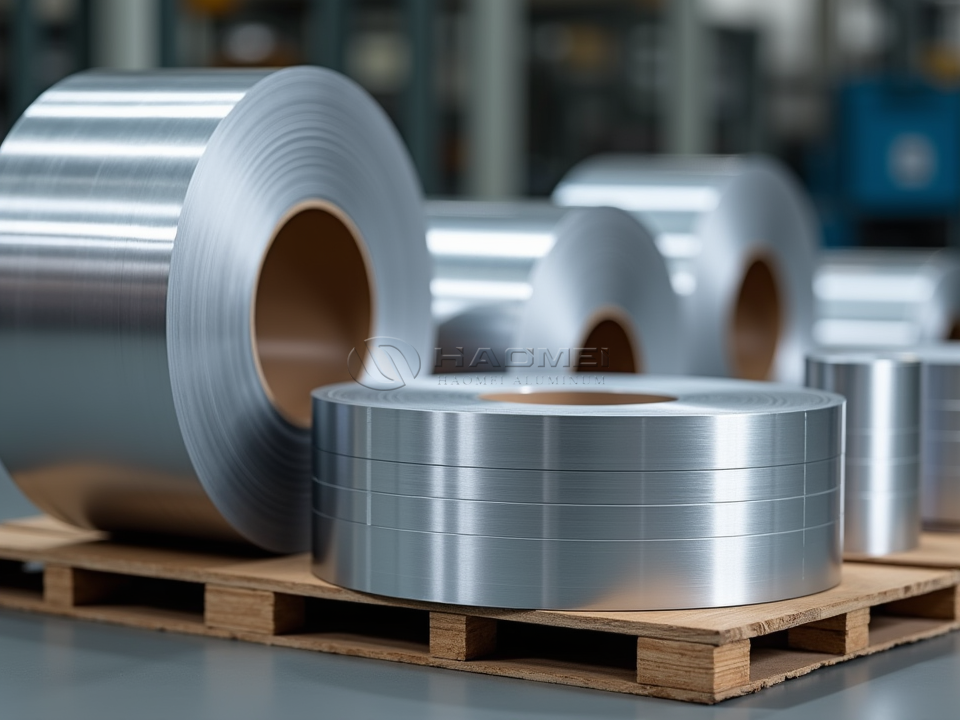
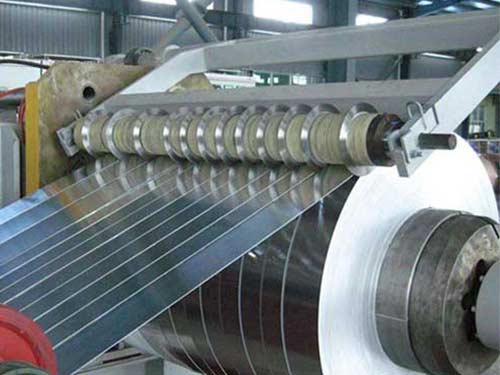
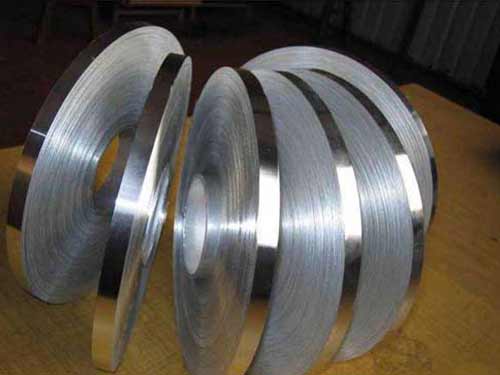
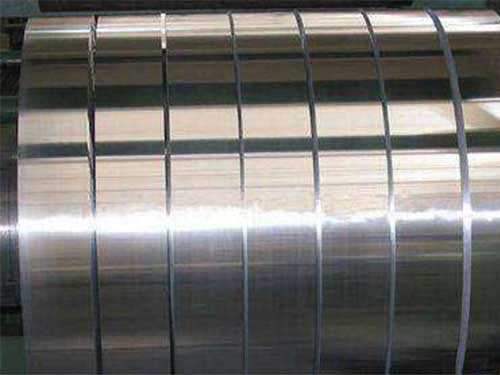
The product is supplied as slit strip, narrow coil, wide coil, or cut-to-length material. Thickness, width, temper, coil weight, surface finish, and edge condition can be matched to automated production lines, including roll forming, deep drawing, punching, embossing, bending, coating, and lamination.
Product Functions and Material Advantages
The main function of these aluminum strip and coil grades is to provide a lightweight, corrosion-resistant, and highly workable metal base for further fabrication. The 1000 series alloys, including A1050, 1060, and 1100, offer excellent electrical conductivity, thermal conductivity, ductility, and reflectivity. They are often selected for transformer windings, cable wrapping, lamp caps, heat sinks, nameplates, and soft stamping parts.
The 3000 series alloys, including 3003, 3004, and 3105, contain manganese as the main strengthening element. They offer higher strength than pure aluminum while maintaining good formability and atmospheric corrosion resistance. These alloys are common in roofing panels, painted coils, cookware, beverage closures, heat exchanger fins, decorative trim, and storage components.
For customers comparing high-purity grades, 1050 / 1060 Aluminum Strip is a practical choice when conductivity, softness, and surface cleanliness are critical.
Common Alloy Selection
| Alloy | Alloy Series | Main Feature | Typical Use |
|---|---|---|---|
| A1050 | 1000 series | High aluminum purity, soft forming, good conductivity | Transformer strip, reflective parts, cable shielding |
| 1060 | 1000 series | Higher purity than 1100, excellent ductility | Electrical strip, busbar wrapping, heat transfer parts |
| 1100 | 1000 series | Commercially pure aluminum with good processability | Utensils, labels, stamping, chemical containers |
| 3003 | 3000 series | Moderate strength, excellent corrosion resistance | Radiator fins, cookware, roofing, insulation jacketing |
| 3004 | 3000 series | Higher strength, good deep drawing behavior | Can stock, lamp bases, closures, painted coil |
| 3105 | 3000 series | Good strength with coating performance | Building panels, gutters, siding, caps, signage |
ASTM Implementation Standards
These aluminum strips and coils are usually produced according to ASTM flat-rolled aluminum specifications, with testing and inspection methods applied according to order requirements.
| Standard | Scope Applied to Aluminum Strip and Coil |
|---|---|
| ASTM B209/B209M | Aluminum and aluminum-alloy sheet and plate; commonly referenced for coil and strip supply |
| ASTM B557/B557M | Tension testing of wrought and cast aluminum alloy products |
| ASTM E8/E8M | General metallic tensile testing method, used when specified |
| ASTM E29 | Rounding and significant digits for test data compliance |
| ASTM E34 | Chemical analysis of aluminum and aluminum-base alloys |
| ASTM E1251 | Optical emission spectrometric analysis for aluminum alloy composition |
| ASTM B666/B666M | Practice for identification marking of aluminum products when requested |
Chemical Composition Reference
Composition ranges are typical references for ASTM aluminum alloy designation control. Final values should follow the certified material test report supplied with each batch.
| Alloy | Si | Fe | Cu | Mn | Mg | Zn | Ti | Al |
|---|---|---|---|---|---|---|---|---|
| 1050/A1050 | 0.25 max | 0.40 max | 0.05 max | 0.05 max | 0.05 max | 0.05 max | 0.03 max | 99.50 min |
| 1060 | 0.25 max | 0.35 max | 0.05 max | 0.03 max | 0.03 max | 0.05 max | 0.03 max | 99.60 min |
| 1100 | Si+Fe 0.95 max | Si+Fe 0.95 max | 0.05-0.20 | 0.05 max | -- | 0.10 max | -- | 99.00 min |
| 3003 | 0.60 max | 0.70 max | 0.05-0.20 | 1.00-1.50 | -- | 0.10 max | -- | Balance |
| 3004 | 0.30 max | 0.70 max | 0.25 max | 1.00-1.50 | 0.80-1.30 | 0.25 max | -- | Balance |
| 3105 | 0.60 max | 0.70 max | 0.30 max | 0.30-0.80 | 0.20-0.80 | 0.40 max | 0.10 max | Balance |
Tempering Conditions and Mechanical Behavior
Temper selection controls hardness, elongation, tensile strength, and forming performance. Soft tempers are better for drawing and bending, while strain-hardened tempers improve stiffness and dimensional stability.
| Temper | Condition | Processing Character | Typical Application |
|---|---|---|---|
| O | Annealed | Maximum softness and elongation | Deep drawing, spinning, soft bending |
| H12 | Strain hardened, quarter hard | Light strength increase with good formability | General forming, decorative parts |
| H14 | Strain hardened, half hard | Balanced strength and bendability | Stamping, lamp caps, panels |
| H16 | Three-quarter hard | Higher rigidity | Roll forming, narrow strip parts |
| H18 | Full hard | High strength, lower elongation | Flat parts, spacers, stiff strips |
| H22/H24 | Strain hardened and partially annealed | Improved forming consistency | Coating, bending, formed panels |
| H32/H34 | Stabilized strain hardened temper | Better stability after processing | 3003 and 3105 building products |
Typical Mechanical Properties
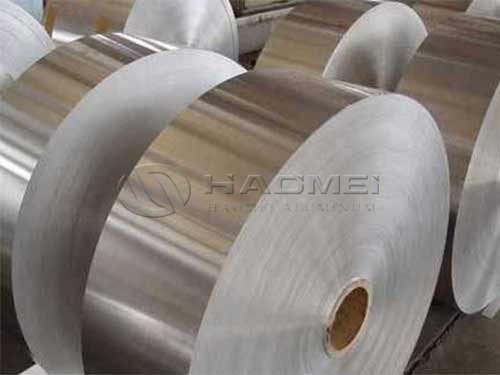
Values vary by thickness, coil width, annealing route, and testing direction. The table is for practical material comparison during early product selection.
| Alloy and Temper | Tensile Strength MPa | Yield Strength MPa | Elongation % | Notes |
|---|---|---|---|---|
| 1050 O | 65-95 | 20-35 | 25-35 | Very soft, excellent conductivity |
| 1060 H14 | 95-125 | 70-105 | 3-8 | Good for electrical and stamped strip |
| 1100 H18 | 125-165 | 115-155 | 1-4 | Full hard commercial pure aluminum |
| 3003 O | 95-130 | 35-55 | 20-30 | Good deep forming and corrosion resistance |
| 3003 H14 | 140-180 | 115-150 | 3-10 | Common for fins, panels, stamping |
| 3004 H24 | 180-240 | 145-200 | 4-12 | Higher strength with good shaping ability |
| 3105 H24 | 150-210 | 120-170 | 5-12 | Excellent for painted building coil |
Technical Specifications for Supply
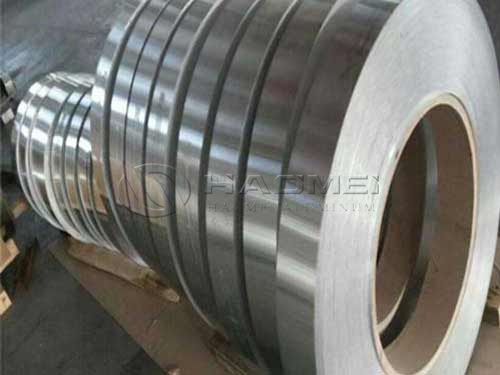
Aluminum strip and coil can be produced with close tolerance slitting for high-speed equipment. Flatness, burr height, edge camber, oil level, and surface protection can be customized according to downstream use.
| Item | Typical Supply Range |
|---|---|
| Thickness | 0.10 mm-6.00 mm |
| Width | 10 mm-1600 mm |
| Inner Diameter | 150 mm, 300 mm, 405 mm, 505 mm, 508 mm |
| Coil Weight | 50 kg-5000 kg per coil, depending on width and gauge |
| Surface | Mill finish, bright finish, anodized-ready, coated-ready, lubricated |
| Edge | Slit edge, deburred edge, round edge on request |
| Tolerance | ASTM B209/B209M or agreed tighter tolerance |
| Packing | Eye-to-wall or eye-to-sky, moisture-proof packaging, wooden pallet |
Application Fields
A1050 and 1060 aluminum strip are preferred for electrical and thermal parts because purity improves conductivity. In transformer winding, the strip must have consistent width tolerance, low burr, smooth edges, and stable resistivity. For cable shielding and armoring, soft aluminum strip provides flexibility and corrosion protection without adding unnecessary weight.
1100 aluminum coil is often chosen for chemical and food-related components because it is easy to clean, shape, and join. Its bright surface also supports labels, tags, trims, reflectors, and light-duty drawn parts.
3003 aluminum strip is a dependable material for heat exchanger fins, honeycomb core, kitchenware, storage tanks, and insulation jacketing. It offers better strength than pure aluminum and performs well in humid or outdoor environments.
3004 aluminum coil is suited to more demanding forming, including closures, lamp bases, drawn shells, and coated sheet products. Magnesium and manganese improve strength while preserving workable elongation.
3105 aluminum strip is frequently used in construction and decoration, especially where painting or coating is required. It works well for gutters, siding, roofing accessories, ceiling panels, sign blanks, and automotive trim.
Surface Quality and Processing Control
For aluminum strip and coil with ASTM standard, the surface should be free from defects that affect forming or appearance, such as heavy scratches, oil stains, roll marks, corrosion spots, edge cracks, and inclusions. Light handling marks may be acceptable when they do not impair final use.
| Control Point | Practical Requirement |
|---|---|
| Thickness uniformity | Stable gauge prevents wrinkling and feeding errors |
| Width precision | Important for transformer, cap, fin, and stamping lines |
| Burr control | Reduces short circuit risk and tool wear |
| Flatness | Supports coating, printing, laminating, and punching |
| Surface cleanliness | Improves adhesion for paint, film, and anodizing pretreatment |
| Coil winding | Tight, aligned winding prevents telescoping and edge damage |
Ordering Information
To receive the correct aluminum strip or coil, customers should provide alloy, temper, thickness, width, coil inner diameter, coil weight, surface finish, edge requirement, tolerance standard, packaging method, and end-use process. If the material will be used for deep drawing, transformer winding, coating, or precision stamping, these details should be stated in advance so the production route and inspection plan can be adjusted.
A1050, 1060, 1100, 3003, 3004, and 3105 aluminum strip aluminum coil with ASTM standard gives manufacturers a flexible material platform: soft and conductive for electrical work, strong and formable for stamping, stable for coated building products, and clean enough for decorative or packaging applications.