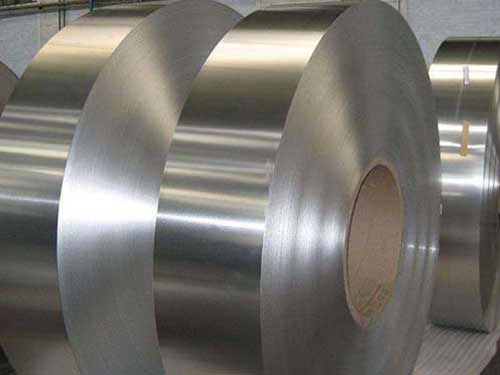
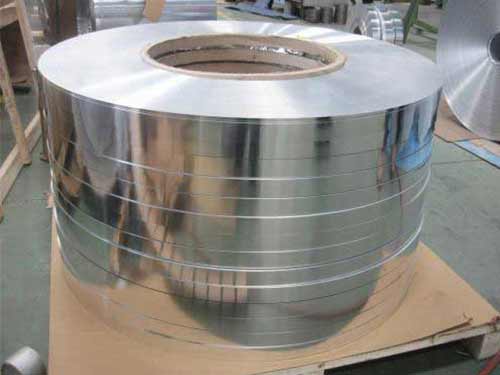
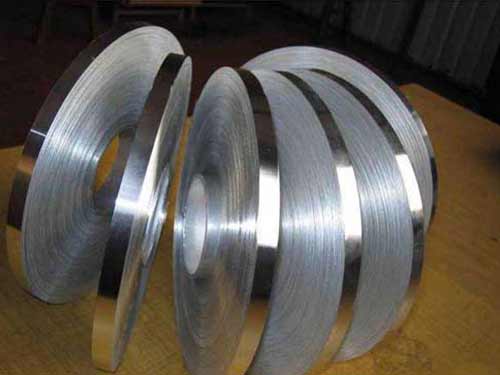
1050 1060 1100 Aluminum Strip for Caps
Aluminum caps may look simple, but they are produced through a demanding forming process. A closure must be stamped, drawn, threaded, lined, printed, and sealed without cracking, wrinkling, or showing surface defects. For this reason, 1050, 1060, and 1100 aluminum strip for caps is selected not merely for its aluminum content, but for its balanced response to high-speed cap-making equipment.
These commercial-purity aluminum alloys are widely used for beverage bottle caps, pharmaceutical closures, cosmetic caps, food packaging lids, wine closures, and screw caps. Their soft structure, clean surface, corrosion resistance, and excellent elongation allow manufacturers to create thin-walled closures with stable dimensions and an attractive finish.
Why Cap Production Depends on Strip Consistency
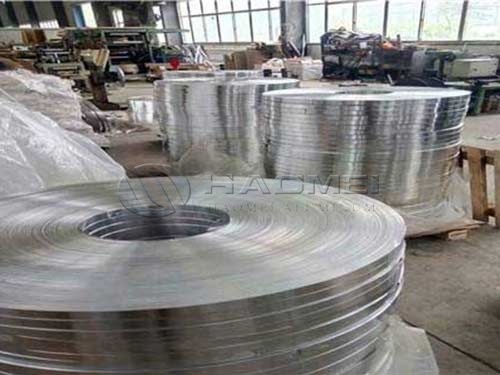
A cap line processes material continuously. Even a slight change in strip thickness, coil tension, edge condition, or hardness can interrupt stamping and increase scrap. Therefore, cap stock should be viewed as a forming material rather than simply a narrow aluminum coil.
1050 aluminum strip contains at least 99.50% aluminum and is valued for deep drawing and bright surface treatment. 1060 aluminum strip has a minimum aluminum content of 99.60%, giving it excellent ductility and electrical conductivity while maintaining dependable performance in closure forming. 1100 aluminum strip contains at least 99.00% aluminum and has slightly higher strength due to controlled additions of copper and other elements. It is commonly chosen when cap producers need a good combination of formability, rigidity, and decorative finishing ability.
For applications requiring soft, clean, highly workable material, 1050 / 1060 Aluminum Strip is often a practical choice. When the closure design needs somewhat greater strength after forming, 1100 alloy can offer a suitable alternative.
Typical Product Parameters for Aluminum Cap Strip
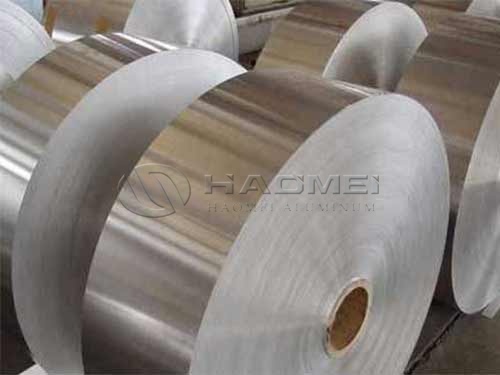
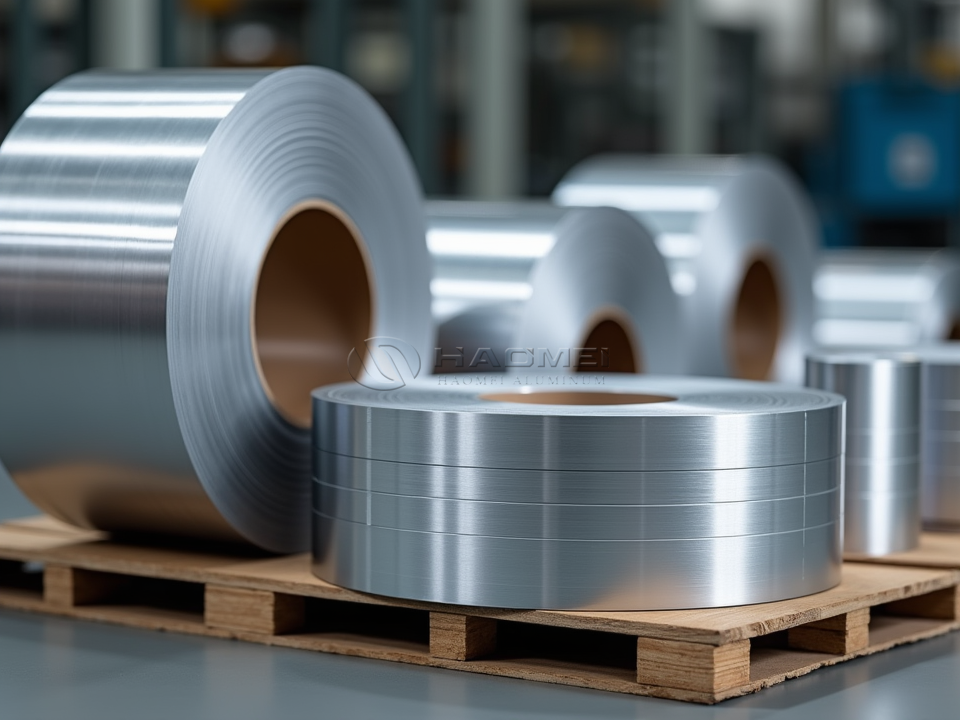
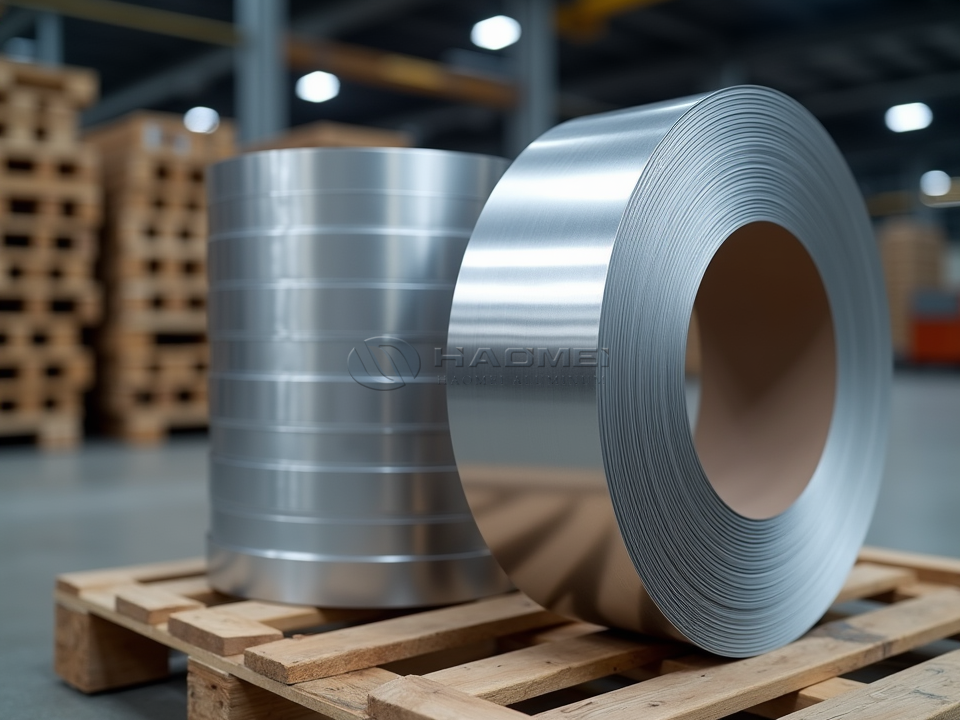
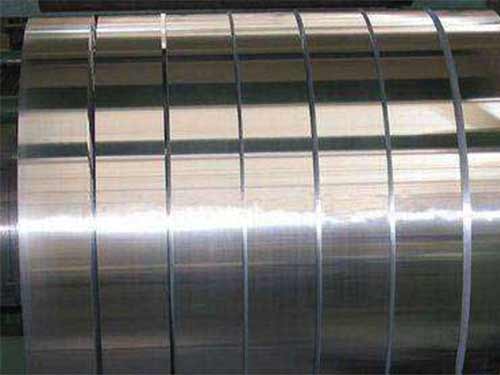
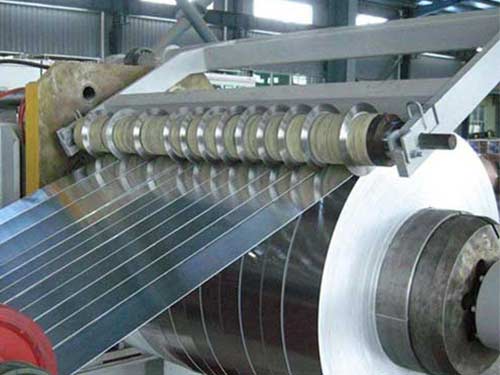
The exact dimensions depend on cap diameter, tooling design, and production method. Narrow slit coils are frequently supplied for automatic stamping lines, while wider coils may be used by processors that perform their own slitting.
| Parameter | Common Range for Cap Stock |
|---|---|
| Alloy | 1050, 1060, 1100 |
| Thickness | 0.16 mm to 0.50 mm |
| Common thickness | 0.20 mm, 0.22 mm, 0.24 mm, 0.25 mm, 0.28 mm, 0.30 mm |
| Width | 20 mm to 1,250 mm |
| Coil inner diameter | 150 mm, 300 mm, 405 mm, 505 mm, or as agreed |
| Coil outer diameter | Up to approximately 1,800 mm, subject to weight limits |
| Coil weight | 500 kg to 5,000 kg, customized |
| Surface | Mill finish, bright finish, degreased, coated, lacquered, printed-ready |
| Edge | Slit edge, smooth edge, burr-controlled edge |
Thickness tolerance is especially important. A stable gauge supports consistent drawing depth and helps maintain uniform cap skirt height. Narrow-width tolerance also affects tooling alignment and thread-forming accuracy. For high-speed production, customers commonly request controlled camber, flat strip profile, low burr, and reliable coil winding.
Chemical Properties of 1050, 1060 and 1100 Alloys
The composition of commercial-purity aluminum determines how the strip behaves during rolling, blanking, drawing, and decorating. The figures shown are typical maximum limits unless a minimum value is stated.
| Alloy | Al | Si | Fe | Cu | Mn | Mg | Zn | Ti |
|---|---|---|---|---|---|---|---|---|
| 1050 | 99.50 min | 0.25 | 0.40 | 0.05 | 0.05 | 0.05 | 0.05 | 0.03 |
| 1060 | 99.60 min | 0.25 | 0.35 | 0.05 | 0.03 | 0.03 | 0.05 | 0.03 |
| 1100 | 99.00 min | 0.95 Si + Fe | - | 0.05 to 0.20 | 0.05 | - | 0.10 | - |
The high aluminum level gives these strips strong corrosion resistance and makes them suitable for closures that may be exposed to moisture, acidic products, handling oils, and changing storage conditions. In most cap structures, the aluminum substrate is combined with internal lacquer, external coating, printing ink, or embossing to achieve the needed product protection and shelf appeal.
Temper Selection for Forming and Threading
Temper has a direct effect on whether the cap material flows smoothly into shape. Soft tempers are generally preferred for deep drawing, while harder tempers may be used for shallow caps or designs requiring increased stiffness.
| Temper | Forming Characteristic | Typical Cap Application |
|---|---|---|
| O | Fully annealed, maximum ductility | Deep-drawn caps, threaded closures, complex profiles |
| H12 | Quarter-hard, light strength increase | Shallow caps and decorative shells |
| H14 | Half-hard, improved rigidity | General screw caps and less demanding forming |
| H16 | Three-quarter-hard, higher strength | Limited-draw closures and rigid cap components |
| H18 | Full-hard, low formability | Mainly flat or lightly formed packaging parts |
For most aluminum screw caps, O temper is the preferred condition because it tolerates stretching and bending without edge cracking. H14 may be selected when a closure requires more resistance to denting, provided that the cap geometry does not demand aggressive drawing.
Applicable Implementation Standards
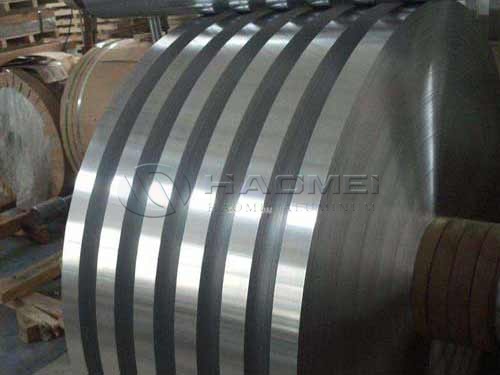
Aluminum strip for caps can be produced according to internationally recognized material and dimensional standards. The required standard should be confirmed during purchasing because cap plants may have their own inspection rules for surface appearance, lubrication, mechanical properties, and coil geometry.
Common references include ASTM B209 for aluminum and aluminum-alloy sheet and plate, EN 485 for tolerances and mechanical properties of wrought aluminum products, EN 573 for chemical composition and alloy designation, and GB/T 3880 for aluminum and aluminum alloy sheet and strip. Material can also be supplied according to customer drawings, approved samples, or internal closure-manufacturing specifications.
Surface Quality Is Part of the Finished Cap
The cap surface becomes visible packaging, so cosmetic control matters as much as mechanical performance. A suitable strip should be free from severe scratches, oil spots, black lines, corrosion marks, edge cracks, roller marks, pinholes, and inclusions that can affect printing or coating adhesion.
For lithographic printing and colored coating, a clean and uniform surface supports better ink appearance. For embossed closures, stable metal texture helps create clear logos and decorative patterns. When food, beverage, or pharmaceutical closures are involved, the substrate should also be compatible with the selected protective lacquer system.
Cap makers looking for broader options in commercial and industrial grades can also compare Alloy Aluminum Strip selections according to strength, forming depth, surface treatment, and end-use environment.
Choosing Between 1050, 1060 and 1100 for Caps
1050 is an excellent choice for soft, highly formable caps where appearance and drawing behavior are the main concerns. 1060 is widely used when manufacturers want slightly higher aluminum purity and dependable performance in deep drawing, threading, and coating operations. 1100 is often selected for closures requiring a little more mechanical support while retaining very good workability.
The best alloy is not always the softest or strongest option. It is the strip that matches the cap profile, tooling speed, coating process, and final package requirements. When thickness, temper, edge finish, coil winding, and surface cleanliness are controlled together, 1050, 1060, and 1100 aluminum strip can deliver efficient production and polished, reliable closures.