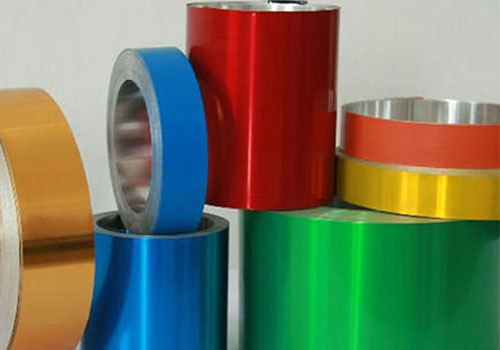
Customize Polychrome Color Aluminum Coil Strip
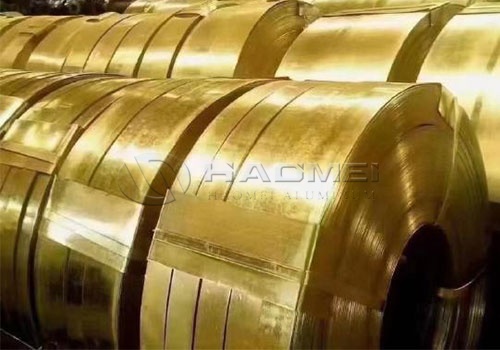
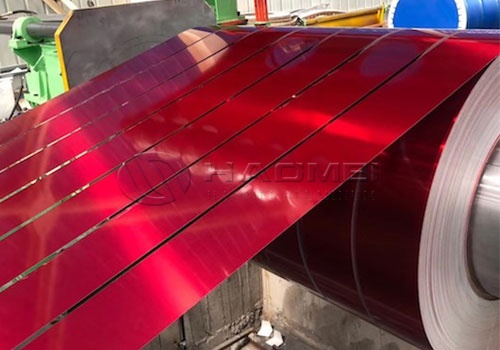
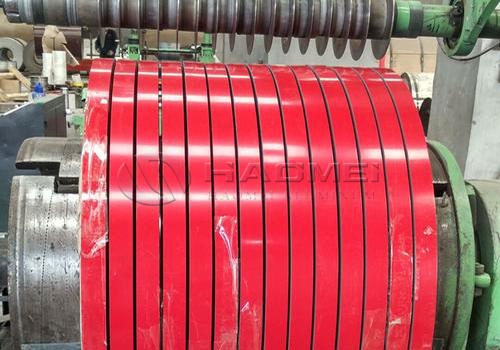
Customized polychrome color aluminum coil strip combines the light weight and formability of aluminum with a high-performance painted surface. It is produced by continuously coating aluminum coil before slitting, creating narrow strips with stable color, smooth edges, reliable adhesion, and efficient processing performance.
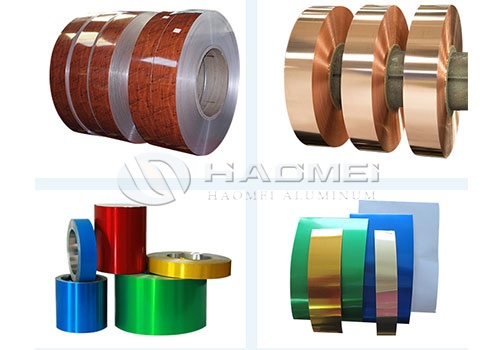
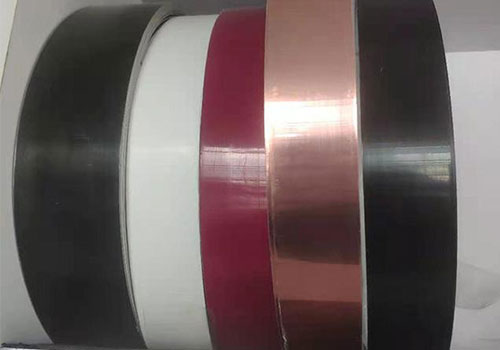
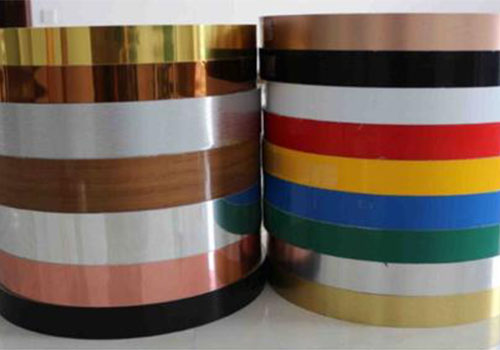
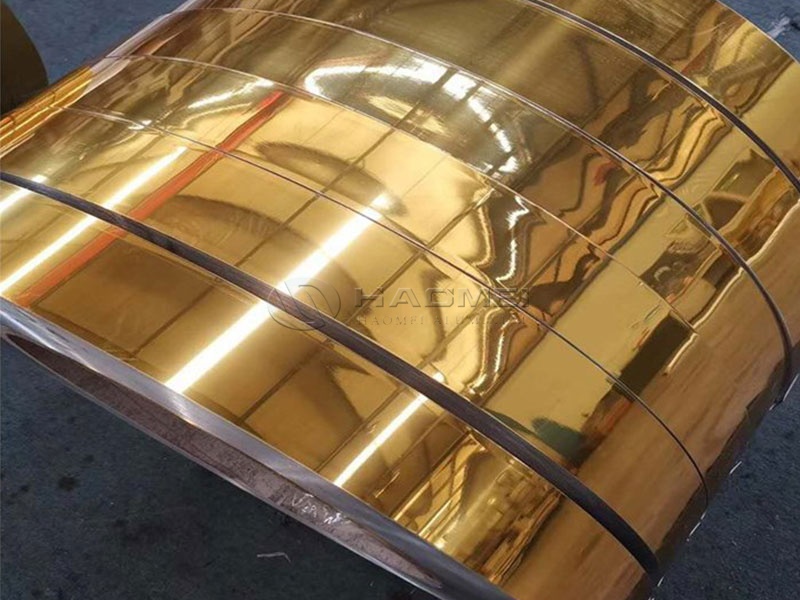
Polychrome finishes can include solid colors, metallic shades, matte surfaces, gloss finishes, brushed effects, woodgrain patterns, stone-like textures, and multi-tone printed designs. Customers can specify color systems such as RAL, Pantone, or approved physical samples. This flexibility makes color coated aluminum strip suitable for products where visual identity, weather resistance, and consistent batch appearance are important.
Product Functions and Material Advantages
The aluminum substrate provides corrosion resistance, low density, heat conductivity, and easy bending. The coating system adds decorative color, surface protection, chemical resistance, and improved durability in indoor or outdoor environments. Compared with post-painting fabricated parts, pre-painted coil strip helps reduce coating waste, shorten production time, and improve color consistency across large production runs.
| Function | Performance Value | Typical Customer Benefit |
|---|---|---|
| Decorative finish | Solid, metallic, matte, textured, printed, and multi-color options | Matches product styling and architectural color plans |
| Corrosion protection | Pretreatment plus organic coating barrier | Extends service life in humid or polluted environments |
| Formability | Suitable for roll forming, bending, stamping, and profiling | Supports efficient downstream fabrication |
| Light weight | Aluminum density is about 2.70 g/cm³ | Reduces structural load and transportation cost |
| Thermal conductivity | Approximately 205 W/m·K for pure aluminum grades | Useful in heat-transfer and lighting-related parts |
| Surface consistency | Continuous coil coating process | Delivers stable gloss and color from strip to strip |
| Recyclability | Aluminum can be recycled repeatedly | Supports lower-waste material selection |
For projects requiring a versatile pre-painted substrate, Color Coated Aluminum Strip can be tailored for surface appearance, coating thickness, alloy, temper, slit width, and packaging method.
Common Applications
Polychrome aluminum coil strip is widely used where narrow, decorative metal sections are needed. It can be slit to precise widths for automated production lines, reducing trimming work and improving material utilization.
| Application Area | Typical Components | Recommended Surface Direction |
|---|---|---|
| Building decoration | Ceiling systems, wall panels, soffits, fascia, shutters | PVDF or HDP for exterior exposure; PE for interior use |
| Roofing and drainage | Gutter coils, downspouts, edge trims, flashing | Weather-resistant PE, HDP, or PVDF coating |
| Home appliances | Refrigerator trims, cabinet panels, air-conditioner components | PE or polyester systems with gloss control |
| Lighting | Lamp housings, reflector frames, decorative channels | Smooth PE coating or specialized reflective finish |
| Transportation | Interior trim, caravan panels, signage frames | Flexible coating with good bend performance |
| Packaging and closures | Caps, decorative bands, container trims | Food-contact-compatible systems when specified |
| Furniture and interiors | Cabinet edging, partition profiles, roller shutters | Matte, embossed, woodgrain, or custom printed finishes |
| Signage and display | Channel letters, billboard trims, exhibition structures | Bright solid, metallic, or high-gloss surfaces |
Alloy Selection and Chemical Composition
The substrate alloy is selected according to strength, bend radius, corrosion conditions, and fabrication method. The 1xxx series offers high aluminum content and excellent workability. Alloy 3003 and 3105 provide higher strength through manganese and magnesium additions, making them popular for roofing, shutters, and formed building components.
| Alloy | Al | Si + Fe | Cu | Mn | Mg | Zn | Main Characteristics |
|---|---|---|---|---|---|---|---|
| 1050 | 99.50 min | 0.40 max | 0.05 max | 0.05 max | 0.05 max | 0.07 max | Excellent ductility and corrosion resistance |
| 1060 | 99.60 min | 0.35 max | 0.05 max | 0.03 max | 0.03 max | 0.05 max | High conductivity and smooth forming behavior |
| 1100 | 99.00 min | 0.95 max | 0.05-0.20 | 0.05 max | - | 0.10 max | Good workability for decorative uses |
| 3003 | Balance | 0.60 max | 0.05-0.20 | 1.00-1.50 | - | 0.10 max | Improved strength and atmospheric corrosion resistance |
| 3105 | Balance | 0.60 max | 0.30 max | 0.30-0.80 | 0.20-0.80 | 0.40 max | Strong, formable alloy for building profiles |
Values are typical composition limits in percent by mass. Final composition can be confirmed by mill test certificate and applicable standard requirements.
Temper Conditions and Mechanical Data
Temper determines the balance between strength and formability. Soft temper O is preferred for deep drawing and tight forming. H14 is a common half-hard condition for general roll forming and trim production. H16, H18, H24, and H26 offer increased hardness for applications requiring better dent resistance or shape retention.
| Alloy and Temper | Tensile Strength, MPa | Yield Strength, MPa | Elongation, % | Typical Use |
|---|---|---|---|---|
| 1050 O | 60-95 | 20 min | 20 min | Deep forming, soft decorative parts |
| 1050 H14 | 85-115 | 65 min | 3 min | General trim and light profiles |
| 1060 H14 | 85-115 | 65 min | 3 min | Appliance panels and channels |
| 1100 H14 | 95-135 | 75 min | 3 min | Formed decorative components |
| 3003 H14 | 130-170 | 115 min | 4 min | Roofing trims and gutter systems |
| 3003 H24 | 150-190 | 130 min | 3 min | Stiffer architectural profiles |
| 3105 H14 | 135-175 | 110 min | 4 min | Roll-formed building products |
| 3105 H24 | 155-195 | 135 min | 3 min | Shutters, siding, and durable trims |
Mechanical values are indicative and vary with thickness, mill practice, and governing specification.
Coil Strip Specifications
Customized production allows the strip dimensions and coating structure to fit the equipment and finished part. Narrow slitting can be supplied with controlled burr, camber, and edge quality for roll forming, stamping, or automated assembly.
| Parameter | Standard Supply Range | Custom Capability |
|---|---|---|
| Base metal thickness | 0.20-1.50 mm | 0.15-3.00 mm, subject to alloy and coating system |
| Strip width | 20-1,600 mm | Precision slit widths available to project requirement |
| Coil weight | 0.5-5.0 metric tons | Controlled to match line loading capacity |
| Coil inner diameter | 150 mm, 300 mm, 405 mm, 505 mm, 508 mm | Other IDs available by agreement |
| Surface finish | Gloss, semi-gloss, matte, textured, printed | Color matching from approved sample or color code |
| Front coating thickness | 15-35 μm | Higher build available for demanding environments |
| Back coating thickness | 5-10 μm | Epoxy, polyester, service coat, or custom backing |
| Protective film | Optional | Transparent, blue, black-and-white, or custom film |
Coating Systems and Chemical Performance
Coating selection should reflect UV exposure, installation location, pollutant level, cleaning chemicals, and target service life. PE coatings are economical for interior panels and moderate outdoor conditions. HDP provides stronger color retention. PVDF coating is selected for demanding façades, coastal projects, and high-UV regions.
| Coating Type | Typical Front Coating | Performance Characteristics | Suitable Environment |
|---|---|---|---|
| PE polyester | 15-25 μm | Good appearance, flexibility, and cost efficiency | Indoor use and moderate exterior conditions |
| SMP polyester | 20-25 μm | Improved weathering and hardness | Roofing, siding, and trim |
| HDP | 20-30 μm | Strong gloss retention and UV resistance | Long-life exterior building products |
| PVDF | 25-35 μm | Excellent weatherability, chalk resistance, and chemical stability | Curtain walls, coastal zones, intense sunlight |
| Printed or textured coating | 20-35 μm | Decorative patterns with protective clear topcoat options | Furniture, appliances, interior panels |
| Test Item | Typical Requirement | Reference Method |
|---|---|---|
| Coating adhesion | Grade 0-1 after cross-cut test | EN 13523-6 or ASTM D3359 |
| Pencil hardness | HB to 2H, depending on coating | EN 13523-4 |
| T-bend flexibility | 0T-2T, depending on alloy and coating | EN 13523-7 |
| Impact resistance | No cracking or peeling at specified impact | EN 13523-5 |
| Salt spray resistance | 500-1,000 hours or project-specific level | ASTM B117 or EN 13523-8 |
| Acid and alkali resistance | No significant blistering, discoloration, or delamination after specified exposure | Project test protocol |
Production Control and Implementation Standards
A typical manufacturing route includes aluminum coil inspection, alkaline cleaning, conversion pretreatment, primer application, finish coating, thermal curing, cooling, inspection, slitting, and protective packaging. Chromate-free pretreatment can be specified for projects requiring environmentally conscious surface preparation.
| Standard | Scope |
|---|---|
| ASTM B209 | Aluminum and aluminum-alloy sheet and plate requirements |
| EN 485 | Mechanical properties and tolerances for aluminum sheet, strip, and plate |
| EN 573 | Chemical composition and alloy designation for aluminum and aluminum alloys |
| GB/T 3880 | Aluminum and aluminum-alloy sheet and strip requirements |
| EN 13523 | Test methods for coil-coated metals |
| ASTM D2244 | Instrumental color difference measurement |
| ASTM B117 | Salt spray testing for coating corrosion resistance |
Color difference can be managed by approved master samples and instrumental measurement, commonly using Delta E tolerance agreed before mass production. For multi-coil installations, material should be installed in sequence to maintain the most consistent visual appearance under changing light.
Customization Notes for Better Results
Provide the intended application, service environment, desired color code, gloss range, thickness, width, alloy, temper, coating type, coil direction, and packaging preference during inquiry. For formed products, the minimum bend radius and fabrication route are particularly important because coating flexibility must match substrate hardness.
Customized polychrome color aluminum coil strip delivers a practical combination of visual freedom, mechanical reliability, and efficient coil-fed processing. With the proper alloy-temper and coating system, it performs effectively from interior decorative profiles to durable exterior architectural components.