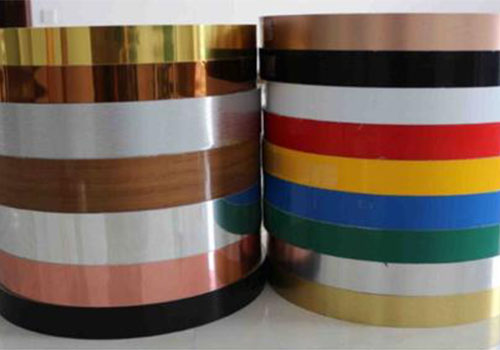
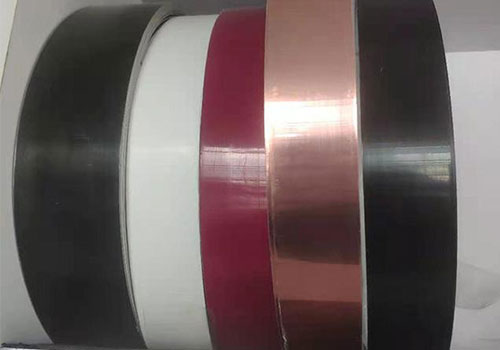
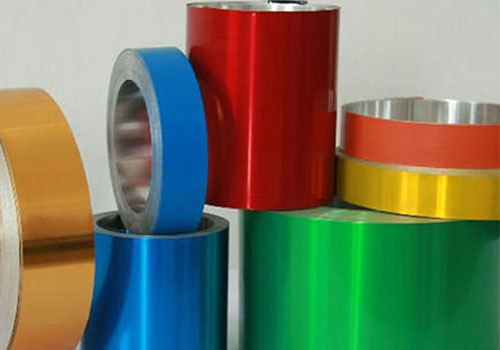
Aluminum Strip Aluminum Tape Temper: H1x, H2x, H3x, O, Hxxx
Aluminum strip and aluminum tape are often selected by width and thickness first, yet temper is frequently the factor that decides whether a coil bends cleanly, holds its shape, resists denting, or survives repeated forming. The same 3003 aluminum strip can behave very differently in O temper and H14 temper, even when its chemical composition is identical.
For buyers working with transformer winding, cable shielding, roofing accessories, fin stock, packaging, decorative trim, insulation systems, and coated panels, temper is not simply a hardness label. It is a record of how the metal was processed after rolling. This processing controls elongation, tensile strength, bending response, surface stability, and forming performance.
Aluminum Strip and Aluminum Tape: A Practical Difference
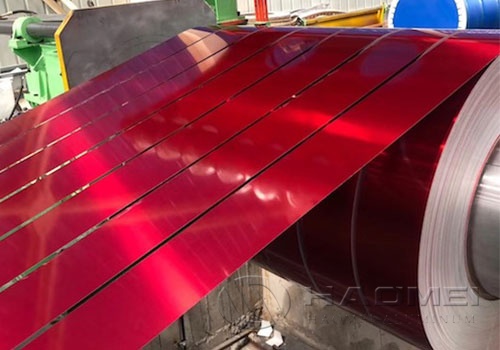
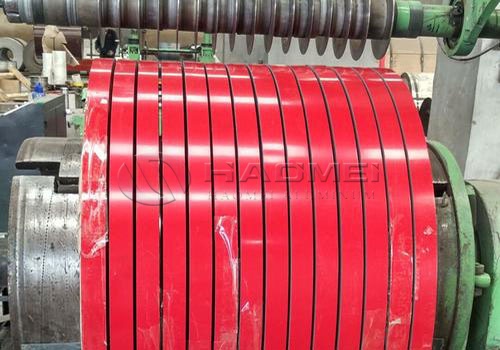
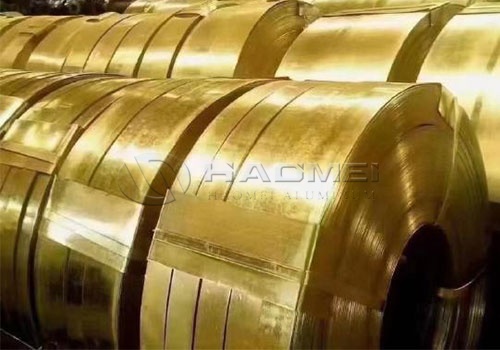
Aluminum strip generally refers to rolled aluminum supplied in narrow coil form. It may be plain mill finish, stucco embossed, painted, laminated, or coated. Typical strip widths range from 10 mm to 1,600 mm, while thickness commonly ranges from 0.20 mm to 6.00 mm depending on alloy, rolling capability, and end use.
Aluminum tape usually describes a thinner and narrower aluminum product designed for wrapping, sealing, shielding, insulation, joint protection, or surface covering. Some aluminum tape products include pressure-sensitive adhesive, paper liner, polymer film, or reinforced backing. In these applications, the aluminum layer must balance flexibility with tear resistance. An overly hard temper may crack at tight folds, while an overly soft temper may wrinkle or deform during application.
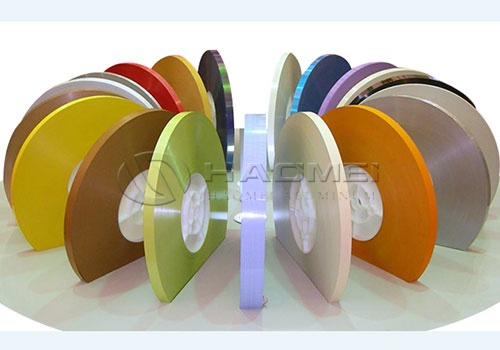
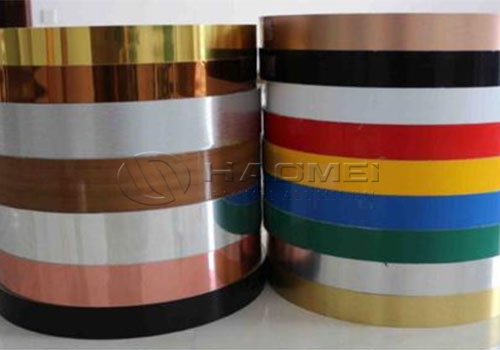
For painted decorative work, a Color Coated Aluminum Strip combines a controlled aluminum substrate with a durable visual finish. The temper of the base coil still matters because coating does not remove the metal's forming limits.
Reading H1x, H2x, H3x, O, and Hxxx Temper Designations
Temper designations for non-heat-treatable aluminum alloys commonly follow the principles described in standards such as EN 515 and ANSI H35.1. The letter identifies the basic condition, while following digits describe the degree and method of strain hardening.
O temper means annealed. The material has been heated in a controlled process to reduce internal stress and restore maximum ductility. O temper aluminum strip is suitable for deep drawing, bending, spinning, folding, and profiles with small radii. It offers lower strength than hardened material but has excellent workability.
H1x temper means strain hardened only. The aluminum is strengthened through cold rolling without a subsequent annealing or stabilization treatment. Common examples include H12, H14, H16, and H18. As the final digit rises, hardness and tensile strength generally increase while elongation decreases. H14 is often selected as a middle ground between forming ability and rigidity.
H2x temper means strain hardened and partially annealed. The metal is first cold worked to a level beyond the required final hardness, then partially annealed back to the intended condition. H24 and H26 are familiar examples. This route can provide a more controlled balance of strength and forming response, especially for strip that must withstand fabrication without becoming excessively brittle.
H3x temper means strain hardened and stabilized. Stabilization is commonly used for magnesium-containing alloys, particularly 5xxx series grades, to limit property changes over time. H32 and H34 are widely used conditions for 5052 aluminum strip in transportation, marine-related components, and formed sheet-metal parts.
Hxxx is a broad shorthand for three-digit H temper designations. The first digit after H identifies the treatment path, while the remaining digits express the degree of hardening or another specified condition. Actual acceptance should always state the complete temper, such as H14, H24, H32, H111, or H112, rather than relying only on the general Hxxx description.
Common Alloys for Aluminum Strip and Tape
The alloy family should be chosen alongside temper because each family brings a different chemical and mechanical character.
| Alloy | Main Alloying Elements | Typical Temper Options | Common Uses |
|---|---|---|---|
| 1050 | Aluminum purity grade, low impurities | O, H12, H14, H16, H18 | Electrical conductors, reflectors, insulation |
| 1060 | High aluminum content | O, H14, H16, H18 | Cable wrapping, transformer strip, decorative parts |
| 1100 | Aluminum with controlled copper content | O, H14, H24 | Chemical equipment, fins, general fabrication |
| 3003 | Manganese | O, H14, H16, H24 | Roofing, heat exchangers, cooking utensils |
| 3004 | Manganese and magnesium | O, H24, H26 | Beverage can stock, building panels |
| 3105 | Manganese and magnesium | H14, H24, H26 | Painted trim, siding, gutters |
| 5052 | Magnesium and chromium | O, H32, H34 | Marine fittings, tanks, formed components |
Chemical Composition Reference Table
The chemical ranges shown are commonly used reference values. Contract requirements, regional standards, and mill certificates remain the controlling documents for a specific order.
| Alloy | Si % | Fe % | Cu % | Mn % | Mg % | Cr % | Al % |
|---|---|---|---|---|---|---|---|
| 1050 | 0.25 max | 0.40 max | 0.05 max | 0.05 max | 0.05 max | - | 99.50 min |
| 1060 | 0.25 max | 0.35 max | 0.05 max | 0.03 max | 0.03 max | - | 99.60 min |
| 1100 | Si + Fe 0.95 max | Included | 0.05-0.20 | 0.05 max | - | - | 99.00 min |
| 3003 | 0.60 max | 0.70 max | 0.05-0.20 | 1.00-1.50 | - | - | Balance |
| 3004 | 0.30 max | 0.70 max | 0.25 max | 1.00-1.50 | 0.80-1.30 | - | Balance |
| 3105 | 0.60 max | 0.70 max | 0.30 max | 0.30-0.80 | 0.20-0.80 | 0.20 max | Balance |
| 5052 | 0.25 max | 0.40 max | 0.10 max | 0.10 max | 2.20-2.80 | 0.15-0.35 | Balance |
The aluminum oxide film formed naturally on the surface gives aluminum strip valuable corrosion resistance. Magnesium-containing 5xxx alloys provide stronger corrosion performance in demanding atmospheres, while 1xxx alloys offer high electrical conductivity and excellent reflectivity. Manganese-containing 3xxx alloys are popular where moderate strength, economical processing, and corrosion resistance must coexist.
Parameters That Should Appear on a Purchase Requirement
A clear aluminum strip or tape requirement normally identifies alloy, temper, thickness, width, coil weight, inner diameter, surface finish, edge condition, and applicable standard. Thickness tolerance is especially important for winding, stamping, coating, and lamination. Width tolerance affects automated feeding and slit-edge alignment. Burr limits should be stated when the strip will be used near insulation layers, sensitive films, or precision assembly surfaces.
Typical coil inner diameters include 150 mm, 300 mm, 405 mm, and 508 mm. Coil weight may range from small hand-applied rolls to several tonnes for industrial processing. Surface options can include mill finish, bright finish, embossed finish, pre-lubricated surface, chromated treatment, polyester coating, and PVDF coating.
For exterior cladding and weather-exposed trim, PVDF Coated Aluminum Strip is often considered where strong color retention and weathering performance are required. The chosen temper should still match the forming radius and fabrication method.
Applicable Implementation Standards
Aluminum strip and aluminum tape may be produced and inspected according to ASTM B209, EN 485, EN 573, EN 515, ISO 6361, JIS H4000, and GB/T 3880. ASTM B209 is widely referenced for aluminum and aluminum-alloy sheet and plate products. EN 573 addresses alloy chemical composition, EN 485 covers mechanical properties and tolerances, and EN 515 defines temper designations.
Material certification normally includes alloy verification, temper, chemical composition, tensile strength, yield strength where applicable, elongation, dimensions, and surface inspection results. For coated strip, coating thickness, color difference, adhesion, flexibility, pencil hardness, and solvent resistance may also be specified.
The best temper is the one that supports the actual production route. O temper favors aggressive forming. H14 and H24 offer practical balance for general strip conversion. H18 provides high stiffness for applications with limited forming. H32 and H34 support stronger magnesium-alloy strip where corrosion resistance and moderate fabrication are both important. When alloy, temper, dimensions, edge quality, and standard are written together, aluminum strip becomes a predictable engineered material rather than simply a coil of metal.