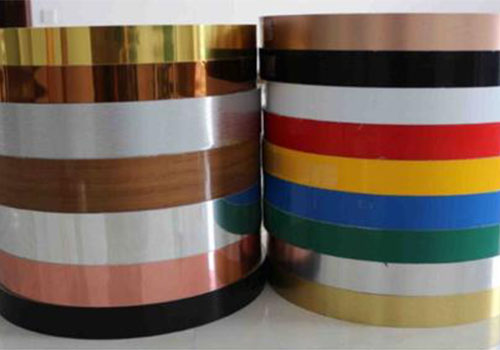
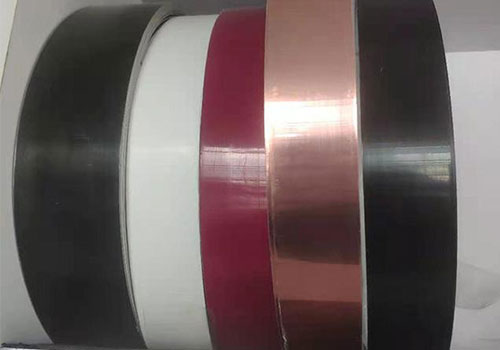
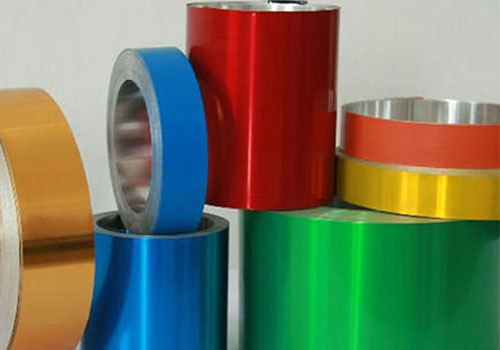
Colors Coated Mirror Aluminum Strips
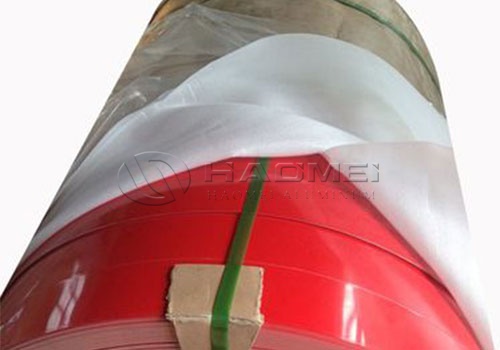
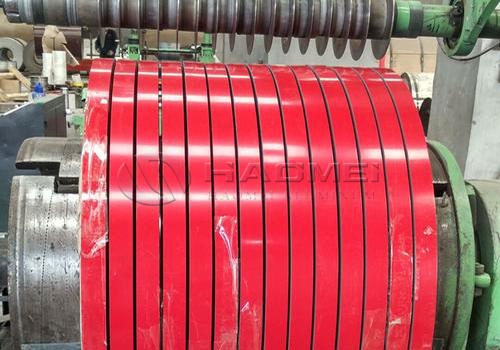
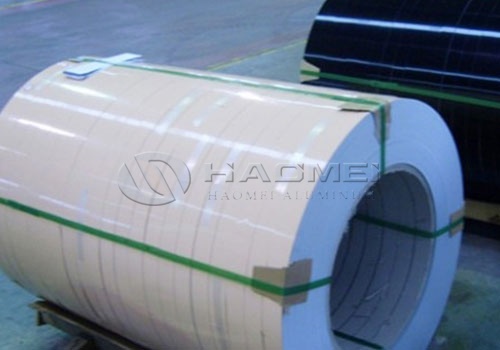
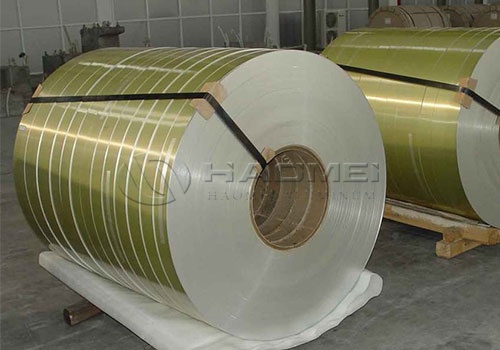
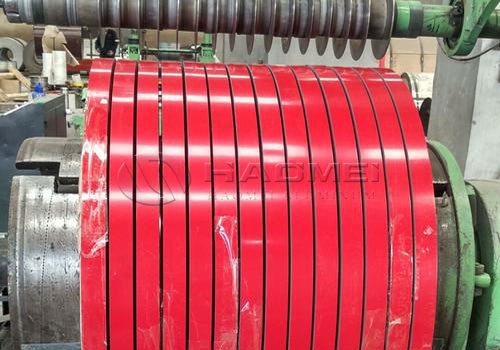
Colors coated mirror aluminum strips combine a bright reflective aluminum surface with durable colored coating systems. Produced from high-quality aluminum coil, these strips offer a clean metallic appearance, excellent formability, low weight, and long-term color stability. They are widely selected for decorative trim, lighting reflectors, appliance panels, signage, ceiling systems, furniture edging, and transportation interiors.
The material is supplied in slit coils or cut strips. Its mirror base reflects light efficiently, while the painted surface adds visual depth and surface protection. Compared with painted steel, mirror aluminum strip is lighter, naturally corrosion resistant, and easier to process into curved, stamped, folded, or roll-formed components.
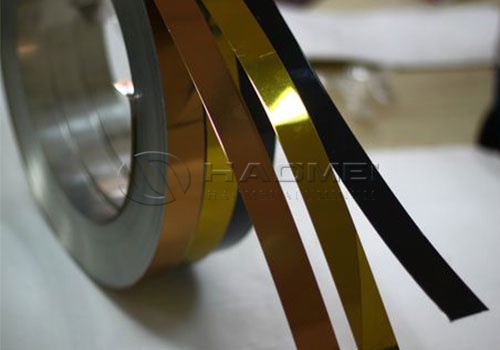
Material Structure and Working Functions
A colors coated mirror aluminum strip is normally built from an aluminum alloy substrate, a bright mirror treatment, chemical pretreatment, primer, color topcoat, and optional protective film. Each layer supports the final appearance and service performance.
| Layer or Feature | Function | Customer Benefit |
|---|---|---|
| Aluminum substrate | Provides strength, flexibility, and low density | Easy transport, fabrication, and installation |
| Mirror finish | Creates high surface brightness and light reflection | Premium decorative effect and improved illumination |
| Chemical pretreatment | Improves bonding between metal and coating | Better paint adhesion and corrosion resistance |
| Primer coat | Stabilizes the coating system | Reduces risk of peeling and blistering |
| Color topcoat | Delivers the required color and gloss | Consistent appearance for branded or architectural designs |
| Protective film | Prevents scratches during forming and handling | Cleaner finished parts and lower processing loss |
The reflective surface can support lighting efficiency in lampshades, luminaire housings, indoor reflective panels, and display equipment. In decorative applications, vivid colors paired with mirror brightness create a polished finish without the weight or fragility of glass mirrors.
For projects requiring standard painted coil instead of a mirror substrate, Color Coated Aluminum Strip is also suitable for roofing trim, channel letters, insulation jacketing, and general fabrication.
Common Alloy Grades and Temper Conditions
Alloy selection affects strip strength, bendability, corrosion resistance, and surface quality. Pure aluminum grades are preferred where brightness and deep drawing are important. Aluminum-manganese grades provide greater strength for structural decorative parts and outdoor trim.
| Alloy | Typical Temper | Main Characteristics | Typical Uses |
|---|---|---|---|
| 1060 | O, H14, H18 | High aluminum purity, very good reflectivity, soft forming behavior | Lighting reflectors, decorative edging, signage |
| 1100 | O, H14, H16 | Good corrosion resistance and workability | Appliances, ceilings, packaging trim |
| 3003 | H14, H16, H24 | Higher strength with good forming performance | Wall panels, lamp housings, transportation trim |
| 3105 | H14, H16, H24 | Good paintability and moderate strength | Building profiles, blinds, decorative strips |
| 5052 | H32, H34 | Strong corrosion resistance and higher mechanical strength | Marine-adjacent trim, equipment covers, durable panels |
Temper O is suitable for complex drawing and tight-radius forming. H14 and H16 are commonly used where moderate hardness is needed for roll forming, bending, and stable flatness. H18 provides a firmer strip for applications requiring greater stiffness, although bend radii should be increased to avoid coating stress.
Typical Chemical Composition
The aluminum balance and controlled alloying elements determine workability and final mechanical behavior. Values in the table are commonly used reference ranges; the actual mill certificate should govern procurement requirements.
| Alloy | Al | Si + Fe | Cu | Mn | Mg | Zn | Other Elements |
|---|---|---|---|---|---|---|---|
| 1060 | ≥99.60% | ≤0.35% | ≤0.05% | ≤0.03% | ≤0.03% | ≤0.05% | Ti ≤0.03% |
| 1100 | ≥99.00% | ≤0.95% | 0.05-0.20% | ≤0.05% | - | ≤0.10% | Ti ≤0.05% |
| 3003 | Balance | ≤0.70% | 0.05-0.20% | 1.00-1.50% | - | ≤0.10% | Ti ≤0.10% |
| 3105 | Balance | ≤0.60% | ≤0.30% | 0.30-0.80% | 0.20-0.80% | ≤0.40% | Ti ≤0.10% |
| 5052 | Balance | ≤0.45% | ≤0.10% | ≤0.10% | 2.20-2.80% | ≤0.10% | Cr 0.15-0.35% |
Technical Specifications
Colors coated mirror aluminum strips can be supplied to match drawing requirements, coil-processing equipment, and color standards such as RAL, Pantone, or customer-approved samples. The data shown represents common supply capability and may be adjusted by alloy, coating system, and order quantity.
| Parameter | Typical Range or Requirement |
|---|---|
| Base alloy | 1060, 1100, 3003, 3105, 5052 |
| Thickness | 0.20-1.50 mm |
| Strip width | 20-1,600 mm |
| Width tolerance | Typically ±0.10 mm to ±0.30 mm, depending on width |
| Coil inside diameter | 152 mm, 300 mm, 405 mm, or 508 mm |
| Coil outside diameter | Up to 2,000 mm, subject to safe handling limits |
| Surface finish | Bright mirror, colored mirror, high-gloss painted mirror |
| Mirror reflectivity | Typically 70-86%, depending on alloy and coating color |
| Color gloss | Approximately 20-95 GU at 60° |
| PE coating thickness | Normally 14-25 μm |
| PVDF coating thickness | Normally 25-35 μm |
| Protective film | Optional 30-80 μm PE film |
| Slitting edge | Mill edge, trimmed edge, burr-controlled slit edge |
Coating Systems and Surface Performance
PE coating is a practical choice for indoor decorative parts and general commercial products. It provides smooth color, good flexibility, and economical processing. PVDF coating is preferred for demanding exterior exposure because it offers stronger resistance to ultraviolet radiation, weathering, chalking, and color fading.
| Coating Type | Recommended Environment | Typical Performance |
|---|---|---|
| Polyester, PE | Indoor ceilings, appliances, furniture, signage | Good color uniformity, flexibility, and cost control |
| High-durability polyester | Semi-outdoor panels, retail fixtures, protected facades | Improved weather resistance compared with standard PE |
| PVDF | Exterior cladding, transport equipment, high-sunlight areas | Excellent UV resistance, color retention, and chemical durability |
| Epoxy primer plus topcoat | Industrial parts and specialized assemblies | Strong adhesion and enhanced substrate protection |
Color consistency is controlled through coil-coating processes using calibrated paint batches, controlled oven curing, and inspection of gloss, coating thickness, adhesion, and visible surface quality. For mirror products, careful packaging is especially important because scratches, pressure marks, and friction can affect appearance.
Applicable Standards and Inspection Practice
Material requirements can be aligned with regional standards, customer specifications, and project drawings. These references help define dimensional tolerances, chemical composition, mechanical properties, coating evaluation, and shipment acceptance.
| Standard | Scope of Use |
|---|---|
| ASTM B209 | Aluminum and aluminum-alloy sheet and plate requirements |
| EN 485 | Tolerances and mechanical properties for aluminum sheet, strip, and plate |
| EN 573 | Aluminum alloy designation and chemical composition |
| EN 13523 | Coil-coated metal testing methods for color, gloss, adhesion, and corrosion behavior |
| ASTM D3359 | Coating adhesion evaluation by tape test |
| ASTM D2244 | Instrumental color measurement and color difference assessment |
| ASTM D523 | Specular gloss measurement |
| RoHS and REACH | Restricted substance control when required by the destination market |
Processing and Application Guidance
Colors coated mirror aluminum strips can be slit, stamped, bent, punched, roll formed, laminated, or bonded. Tooling should be clean and smooth to protect the reflective coating. During bending, use a suitable inner radius based on alloy and temper; softer tempers tolerate tighter forming. Protective film should remain on the surface through fabrication and be removed only after final installation.
Common applications include the following:
- Decorative ceiling grids, curtain tracks, wall accents, and edging profiles
- LED reflector strips, lamp cups, lighting housings, and display surrounds
- Refrigerator trim, appliance panels, cabinet bands, and furniture accessories
- Channel letters, advertising frames, retail display systems, and nameplates
- Automotive interior trim, caravan fittings, luggage components, and train interiors
- Door and window accessories, roller shutter parts, blinds, and facade details
A properly specified colors coated mirror aluminum strip delivers more than visual appeal. It brings lightweight performance, dependable corrosion resistance, flexible fabrication, controlled color, and a reflective finish that raises the value of finished products.