Aluminum Strip Packaging Foil For Capsules
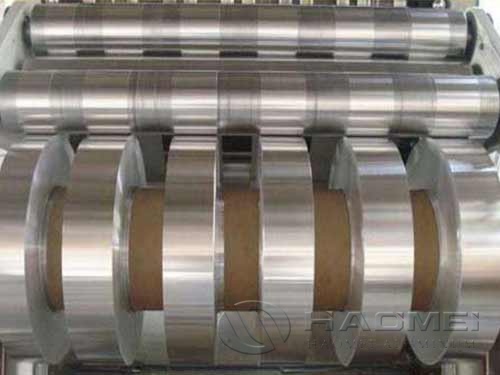
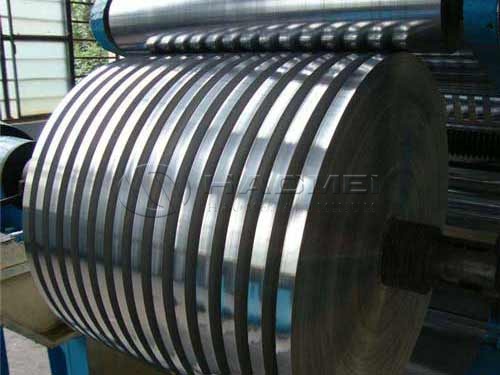
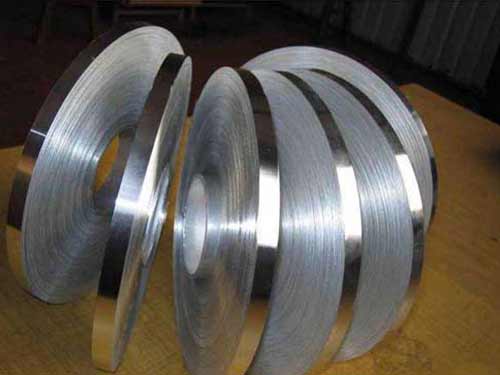
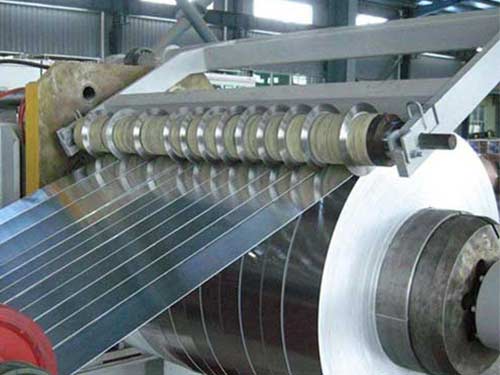
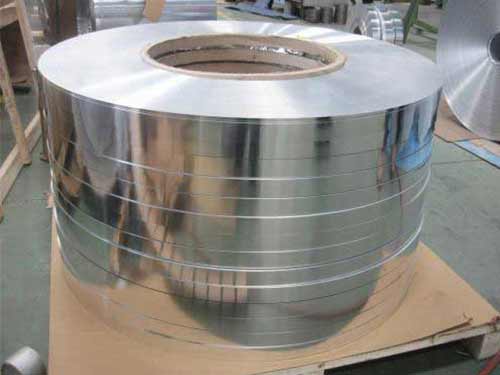
Aluminum strip packaging foil for capsules is engineered for high-barrier packaging systems where product safety, shelf stability, appearance, and production efficiency must work together. Manufactured from carefully controlled aluminum alloy coil, this foil is slit into precise widths and supplied with a clean, smooth surface suitable for printing, coating, laminating, embossing, and heat sealing.
For pharmaceutical capsules, nutritional supplements, healthcare products, and selected food capsules, aluminum foil creates a strong shield against moisture, oxygen, light, odors, and outside contaminants. Its opaque structure helps protect sensitive formulations from degradation during storage, transportation, and retail display.
Product Characteristics
The material is commonly produced from 8011 aluminum alloy, a widely used foil-grade alloy valued for stable rolling performance, excellent surface quality, and reliable conversion behavior. It can be supplied in hard or soft tempers according to whether the foil will be used as blister lidding stock, laminated capsule wrap, strip-pack foil, or an intermediate material for further coating.
| Feature | Performance Value for Capsule Packaging |
|---|---|
| Barrier protection | Blocks light and provides excellent resistance to moisture and oxygen transmission |
| Surface condition | Clean, uniform, pinhole-controlled surface suitable for coating and printing |
| Formability | Supports slitting, embossing, laminating, and controlled folding without random cracking |
| Heat-seal compatibility | Can be finished with heat-seal lacquer for PVC, PVDC, PET, paper, or other substrates |
| Printability | Accepts gravure and flexographic printing with clear graphics and batch information |
| Hygiene | Suitable for clean packaging processes when produced and handled under controlled conditions |
| Recyclability | Aluminum is widely recyclable and can support lower-waste packaging strategies |
A dependable foil substrate also improves line consistency. Stable thickness, even mechanical properties, low burr edges, and controlled coil winding help packaging equipment operate smoothly at high speed. This reduces web breaks, uneven sealing, registration errors, and unnecessary production downtime.
Chemical Composition of 8011 Aluminum Alloy
8011 alloy is frequently selected for capsule packaging foil because its iron and silicon content contributes to rolling stability and strength while retaining the ductility required for foil conversion.
| Element | Typical Specification, % by Weight |
|---|---|
| Silicon, Si | 0.50-0.90 |
| Iron, Fe | 0.60-1.00 |
| Copper, Cu | 0.10 max |
| Manganese, Mn | 0.20 max |
| Magnesium, Mg | 0.05 max |
| Zinc, Zn | 0.10 max |
| Titanium, Ti | 0.08 max |
| Other elements, each | 0.05 max |
| Other elements, total | 0.15 max |
| Aluminum, Al | Balance |
For projects requiring alternative alloy behavior, converters may also evaluate 1050 / 1060 Aluminum Strip for high-purity aluminum applications or 8011 material where stronger processing stability is required.
Technical Specifications
Specifications can be adjusted to suit capsule dimensions, packing-machine design, coating weight, seal layer, and print layout. The values shown represent commonly requested production ranges.
| Parameter | Standard Range | Customization Option |
|---|---|---|
| Alloy | 8011 | 1050, 1060, 8021, subject to application review |
| Temper | H18, H19, O | Selected for lidding, laminating, or forming requirements |
| Thickness | 0.016-0.040 mm | Tighter thickness range available on request |
| Width | 30-1,300 mm | Precision slitting for narrow capsule packaging strips |
| Width tolerance | ±0.20 mm typical | Tighter tolerance for automated high-speed lines |
| Coil inner diameter | 76 mm, 152 mm | Customized core sizes available |
| Coil outer diameter | Up to 800 mm typical | Determined by coil weight and equipment limits |
| Surface | Mill finish, bright finish, treated finish | Primer-coated, printed, lacquered, or laminated |
| Pinhole control | Inspected according to thickness and end use | Enhanced inspection for pharmaceutical-grade conversion |
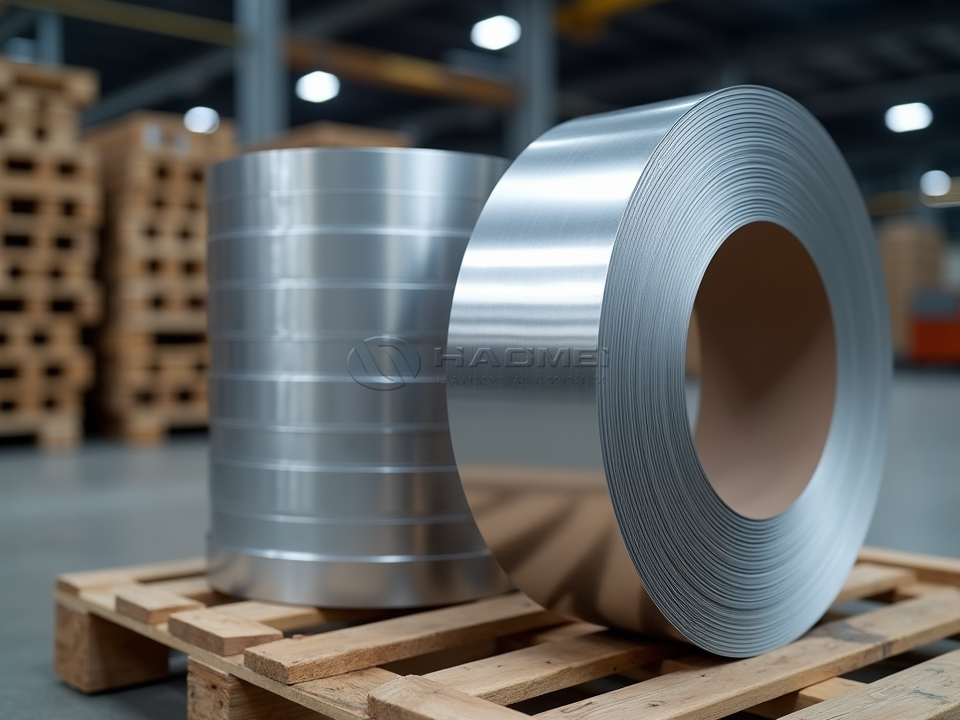
| Packaging | Export seaworthy coil packaging | Moisture-proof wrapping, wooden pallet, edge protection |

Mechanical and Processing Performance
Capsule foil must perform reliably not only in laboratory testing but also on continuous packaging equipment. Hard temper foil is often preferred for push-through blister lidding because it tears in a controlled manner when the capsule is pressed through the pack. Soft temper foil is more appropriate where folding, wrapping, or laminated structures require greater flexibility.
| Property | Typical 8011 H18 Foil Performance | Packaging Benefit |
|---|---|---|
| Tensile strength | 150-210 MPa | Supports web tension during printing and sealing |
| Elongation | 1.0-4.0% | Helps prevent unexpected breakage in conversion |
| Surface wettability | Typically 31 dynes/cm or above | Promotes stable ink, primer, and lacquer adhesion |
| Thickness tolerance | Typically within ±4% to ±5% | Supports uniform sealing and consistent pack appearance |
| Burr height | Controlled to low level | Reduces edge damage and improves safe handling |
| Flatness | Good coil shape control | Helps accurate printing registration and smooth feeding |
The surface may receive a heat-seal coating tailored to the target substrate. For example, blister lidding foil can be lacquered for sealing to PVC or PVDC blister cavities, while strip-pack foil can be laminated to a compatible polymer layer for sealed capsule pockets. Coating selection should consider seal temperature, dwell time, pressure, peel strength, opening behavior, and product-contact requirements.
Capsule Packaging Uses
This foil is suitable for a wide range of protective packaging formats. Its versatility allows packaging converters and healthcare brands to balance barrier performance with visual identity and consumer convenience.
| Packaging Format | Typical Use | Foil Contribution |
|---|---|---|
| Blister lidding foil | Hard gelatin capsules, softgels, tablets | Provides push-through opening and printed product information |
| Strip-pack foil | Unit-dose capsules and tablets | Forms a sealed, moisture-resistant pocket structure |
| Laminated sachet material | Supplement capsules and sample packs | Improves light and vapor protection |
| Coffee and beverage capsules | Portion-controlled capsule lids or seals | Supports aroma retention and clean sealing when properly coated |
| Veterinary product packs | Capsules and oral dosage products | Protects contents during distribution and storage |
For demanding applications, 8011 Aluminum Strip can be supplied as a controlled base material for further foil rolling, coating, laminating, and precision slitting operations.
Benefits for Packaging Converters and Brand Owners
Aluminum strip packaging foil provides more than an attractive metallic surface. It is a functional packaging layer that preserves product quality and helps brands meet practical production needs. The foil's excellent opacity protects light-sensitive ingredients, while its barrier performance helps retain potency, aroma, and intended product characteristics over the planned shelf life.
Its printable surface supports dosage instructions, lot codes, expiration dates, branding, anti-counterfeit patterns, and regulatory information. This makes each capsule pack both a protective container and an information carrier. With appropriate lacquer design, the foil can offer either easy peel opening or controlled push-through access depending on the final packaging concept.
Quality control commonly includes thickness measurement, pinhole inspection, surface cleanliness checks, coil geometry verification, slit-edge inspection, and packaging integrity review. These controls help ensure that each coil arrives ready for efficient downstream conversion.
Storage and Handling Guidance
Keep aluminum foil coils in a dry, clean warehouse away from corrosive chemicals, direct rain exposure, and rapid temperature changes. Coils should remain in protective wrapping until they enter the production area. Before processing, allow cold material to acclimatize in the packaging environment to reduce the risk of condensation.
With the right alloy, temper, coating system, and dimensional control, aluminum strip packaging foil for capsules becomes a dependable foundation for safe, visually appealing, and high-performance capsule packaging.