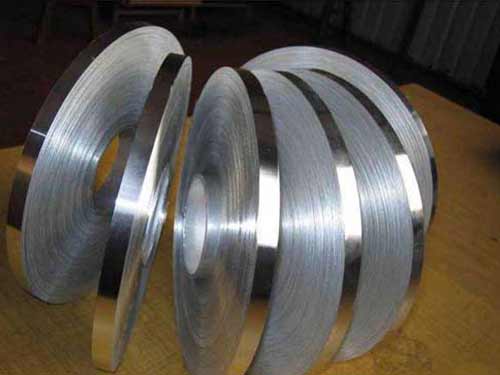
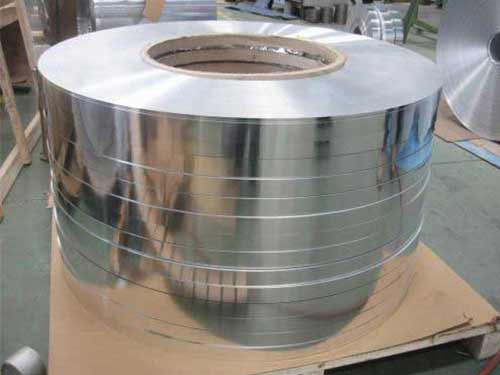
5052 H32 Aluminum Strip
5052 H32 aluminum strip is often selected when a component needs to do more than look clean after processing. It must resist moisture, survive bending, hold a stamped profile, and remain dependable through daily service. This makes it a practical material for transportation parts, appliance panels, marine accessories, electrical enclosures, architectural trims, and general fabrication.
The distinctive value of 5052 H32 aluminum strip lies in its balance. It is stronger than commercially pure aluminum grades, yet it is still workable enough for bending, roll forming, shallow drawing, and stamping. Its magnesium-based chemistry gives the strip excellent resistance to atmospheric and marine corrosion without relying on a heavy protective coating.
What H32 Means in 5052 Aluminum Strip
The alloy number and temper designation each tell an important part of the material story. Grade 5052 belongs to the 5xxx aluminum-magnesium alloy family. Magnesium is the primary alloying element, providing solid strength and excellent corrosion performance, especially in humid, coastal, and mildly chemical environments.
H32 is a strain-hardened and stabilized temper. The first digit, H, means the strip has been strengthened by cold working rather than heat treatment. The second digit, 3, indicates that the material has been strain hardened and then stabilized. The final digit, 2, represents approximately one-quarter hard condition.
In practical terms, H32 provides more strength than annealed O temper while retaining reliable formability. It is an intelligent middle ground for parts that cannot be too soft during assembly but should not crack or excessively spring back during fabrication.
For buyers comparing options within the same alloy family, 5052 Aluminum Strip can be specified in several tempers to match the forming severity and required mechanical performance.
Chemical Composition of 5052 H32 Aluminum Strip
Chemical composition directly affects corrosion behavior, strength, welding response, and surface consistency. The values commonly follow ASTM B209 and EN 573-3 requirements.
| Element | Content, % by Weight |
|---|---|
| Silicon, Si | 0.25 max |
| Iron, Fe | 0.40 max |
| Copper, Cu | 0.10 max |
| Manganese, Mn | 0.10 max |
| Magnesium, Mg | 2.2 - 2.8 |
| Chromium, Cr | 0.15 - 0.35 |
| Zinc, Zn | 0.10 max |
| Titanium, Ti | 0.15 max |
| Other elements, each | 0.05 max |
| Other elements, total | 0.15 max |
| Aluminum, Al | Balance |
Magnesium supplies the main strengthening effect, while chromium supports grain structure and corrosion resistance. Copper is tightly controlled because excessive copper can reduce corrosion performance. This composition is one reason 5052 H32 is widely trusted for exposed fabricated parts rather than being treated as only an indoor-use strip.
Typical Parameters and Mechanical Properties
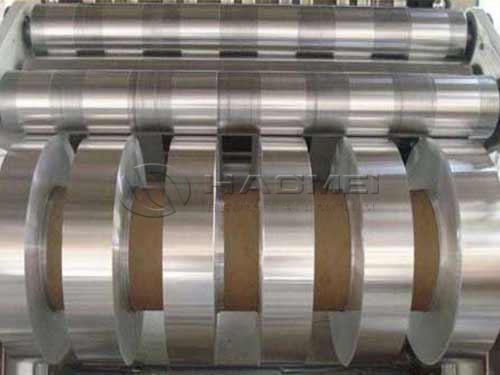
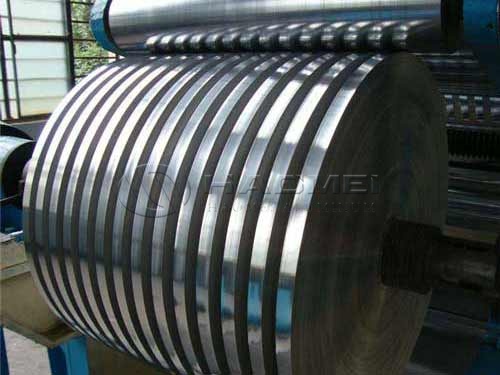
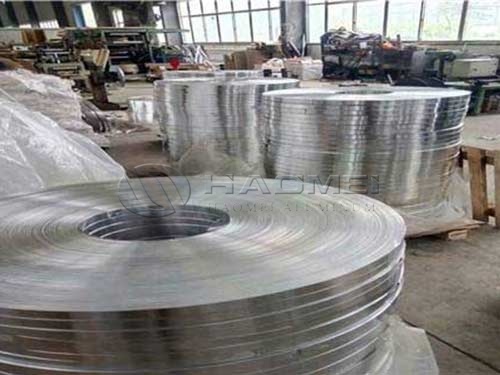
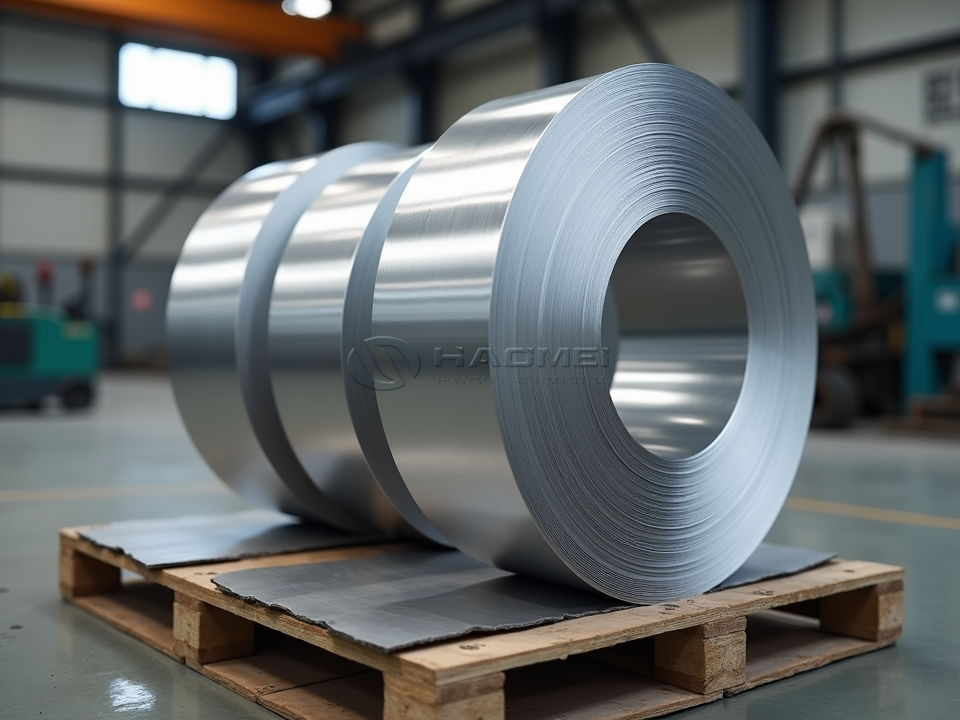
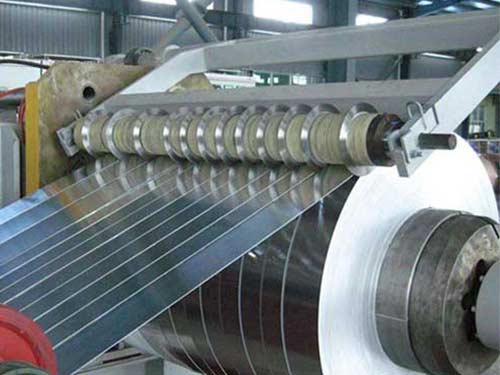
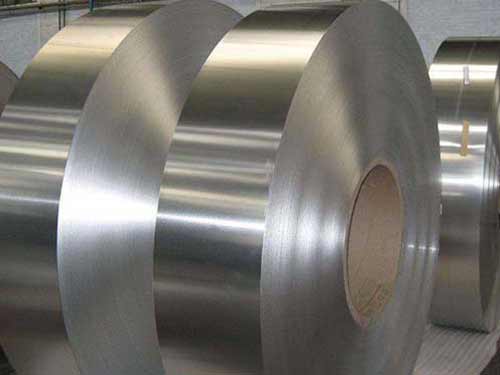
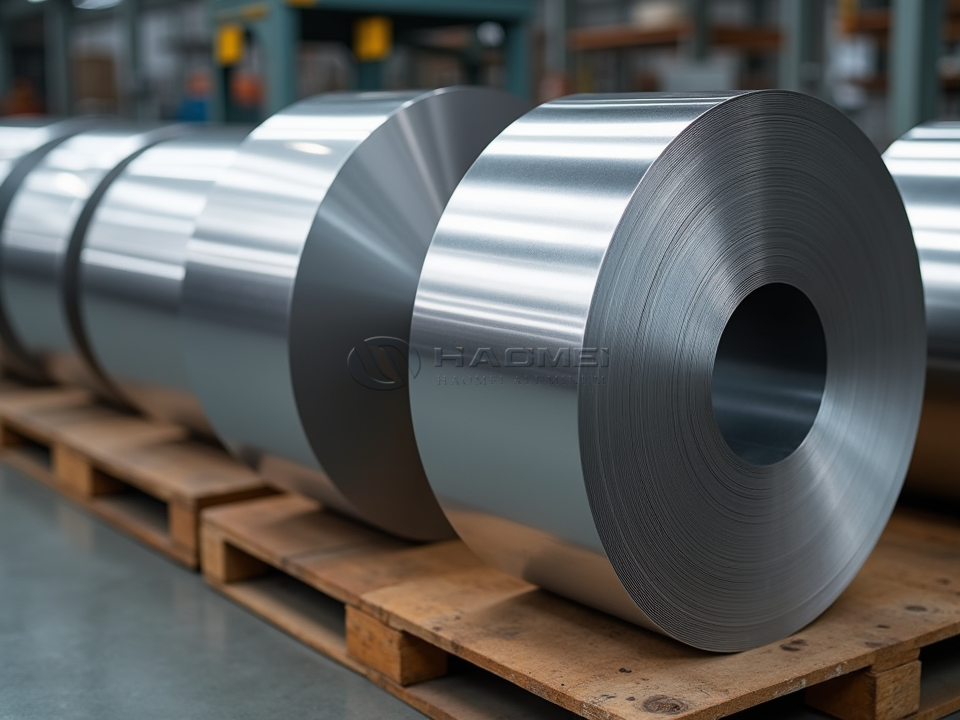
5052 H32 aluminum strip is generally supplied in coil form, slit to the width required for progressive stamping, roll forming, edging, blanking, or automated feeding. Actual mechanical values vary with thickness, applicable standard, and production route, so purchasing specifications should identify both temper and dimensional tolerances.
| Property | Typical Value or Range |
|---|---|
| Alloy | AA 5052 / EN AW-5052 |
| Temper | H32, quarter hard, stabilized |
| Thickness | 0.20 - 6.00 mm, commonly customized |
| Width | 10 - 1,600 mm, slit or mill edge |
| Tensile strength | Approx. 210 - 260 MPa |
| Yield strength | Approx. 130 MPa minimum, thickness dependent |
| Elongation | Approx. 7 - 15%, thickness dependent |
| Density | 2.68 g/cm³ |
| Melting range | Approx. 607 - 649°C |
| Electrical conductivity | Approx. 35% IACS |
| Surface options | Mill finish, brushed, polished, PVC protected, coated |
Because aluminum is lightweight, a 5052 H32 strip can reduce component mass while still offering useful rigidity. Its density is roughly one-third that of steel, a major advantage in equipment where handling, movement, fuel efficiency, or load reduction matters.
Standards Commonly Used for Supply
A clear standard prevents confusion between nominal alloy name and actual delivery condition. Common implementation standards for 5052 H32 aluminum strip include:
- ASTM B209 for aluminum and aluminum-alloy sheet and plate products
- ASTM B928/B928M for high-magnesium alloy sheet and plate used in marine environments, when applicable
- EN 485-2 for mechanical properties of wrought aluminum products
- EN 485-4 for tolerances on cold-rolled sheet, strip, and plate
- EN 573-3 for chemical composition and alloy designation
- GB/T 3880 for aluminum and aluminum-alloy plates, sheets, and strips
- JIS H4000 for aluminum and aluminum alloy sheets, strips, and plates
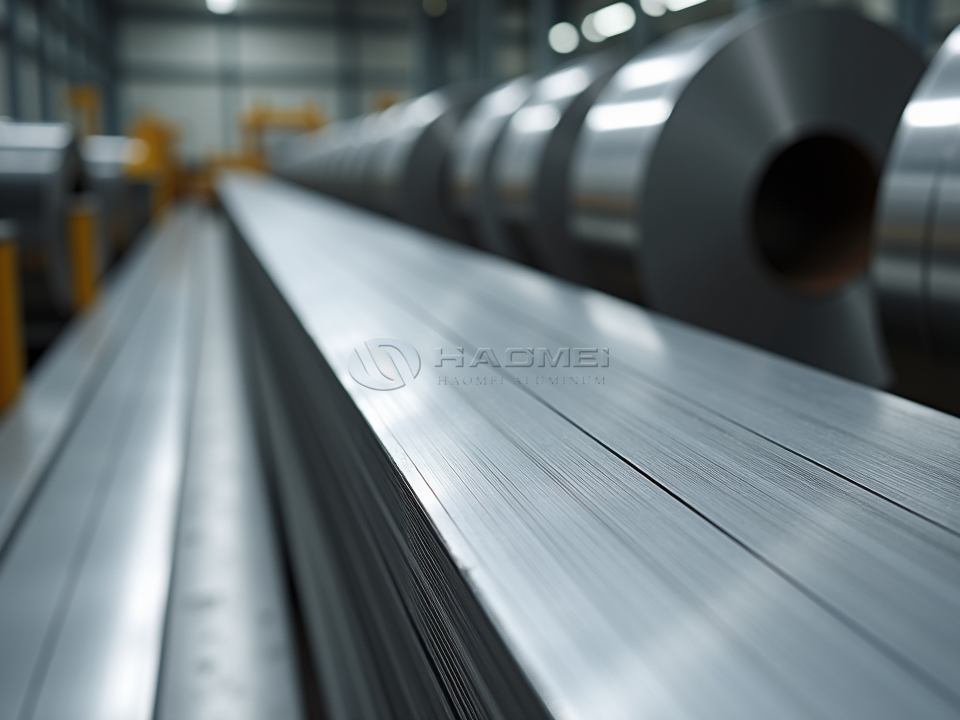
Standards should be paired with practical order details such as thickness tolerance, width tolerance, coil inner diameter, maximum coil weight, edge condition, surface quality, and protective film requirements. A strip may meet alloy chemistry requirements but still be unsuitable for a high-speed press line if coil build, burr level, or flatness is not controlled.
Processing Behavior: Where H32 Performs Best
5052 H32 aluminum strip performs particularly well in moderate forming operations. It can be bent, punched, sheared, riveted, welded, and roll formed. For sharp bends, bend direction and inside bend radius should be considered carefully. Bending transverse to the rolling direction is commonly preferred when demanding bend performance is required.
The H32 temper is well suited to shallow drawn components, brackets, covers, channel sections, nameplate backings, cabinet trims, truck body details, and marine hardware. For very deep drawing or severe stretching, a softer temper such as O may be a better choice. For applications demanding higher strength with limited forming, H34 may be considered.
5052 is readily welded by TIG and MIG methods. Its corrosion resistance remains strong after welding when appropriate filler material and fabrication practice are used. Unlike heat-treatable alloys, 5052 does not gain strength through precipitation heat treatment, so mechanical properties are mainly managed through cold work and temper selection.
Surface, Edge, and Coil Details Matter
Customers often focus on tensile strength first, but strip performance is frequently decided at the edges and surface. A narrow strip feeding into a stamping die needs controlled burrs and stable width. A decorative trim needs even color and low surface defects. A coated or laminated part may require a clean, oil-controlled surface for reliable adhesion.
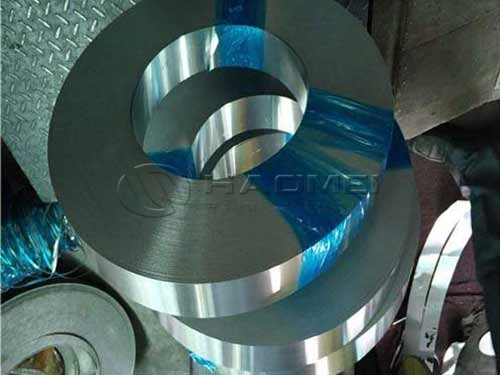
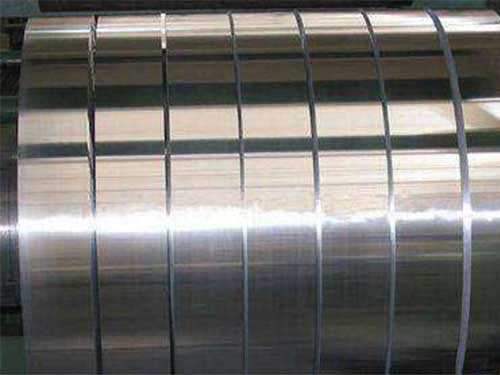
Available edge conditions usually include mill edge and slit edge. Slit edge is common for narrow coils and should be matched to the end use. For exposed products, PVC film can protect the face during handling, fabrication, and installation. Mill finish is economical and suitable for many industrial parts, while brushed, polished, anodized, or painted finishes can support visual applications.
When a project calls for alternatives in the broader 5xxx series, Alloy Aluminum Strip options can be compared by strength, corrosion exposure, formability, and finishing requirements.
Choosing the Right Purchase Specification
A useful purchase description for 5052 H32 aluminum strip should state the alloy, temper, thickness, width, coil weight, inner diameter, surface finish, edge type, and governing standard. It is also wise to define whether the strip will be stamped, bent, anodized, painted, welded, or used in salt-laden air.
5052 H32 aluminum strip is not simply a lightweight metal coil. It is a controlled engineering material that brings together moderate strength, dependable forming behavior, clean surface potential, and lasting corrosion resistance. When the temper, dimensions, and finishing conditions are aligned with the production process, it becomes a highly efficient choice for components expected to perform long after they leave the fabrication line.