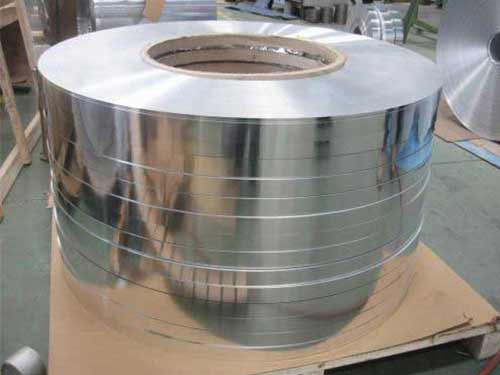
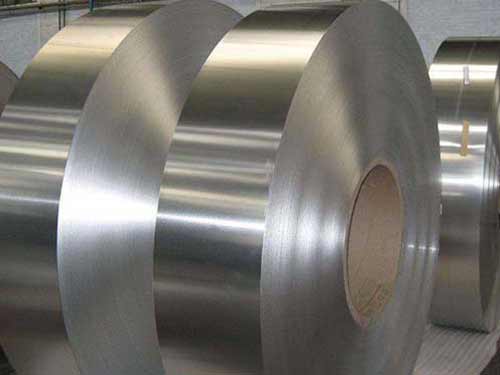
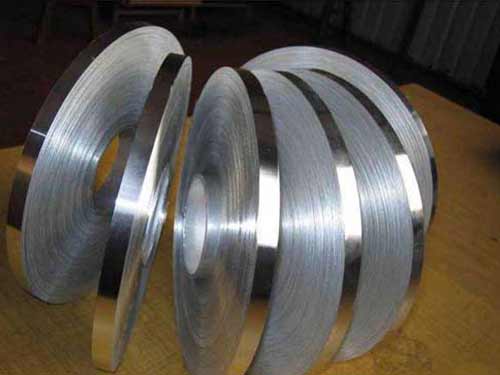
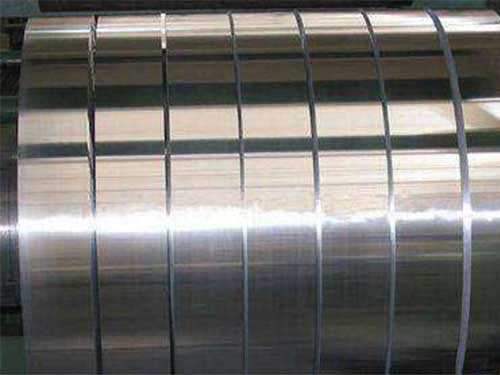
Aluminum Strip for Transformer Winding
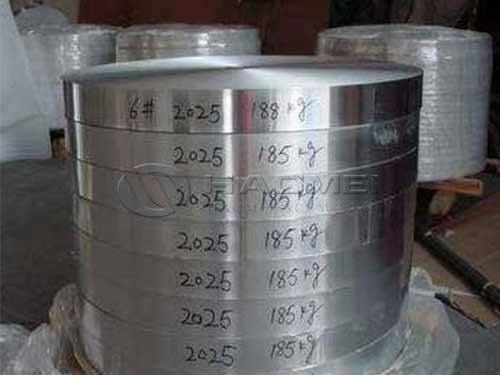
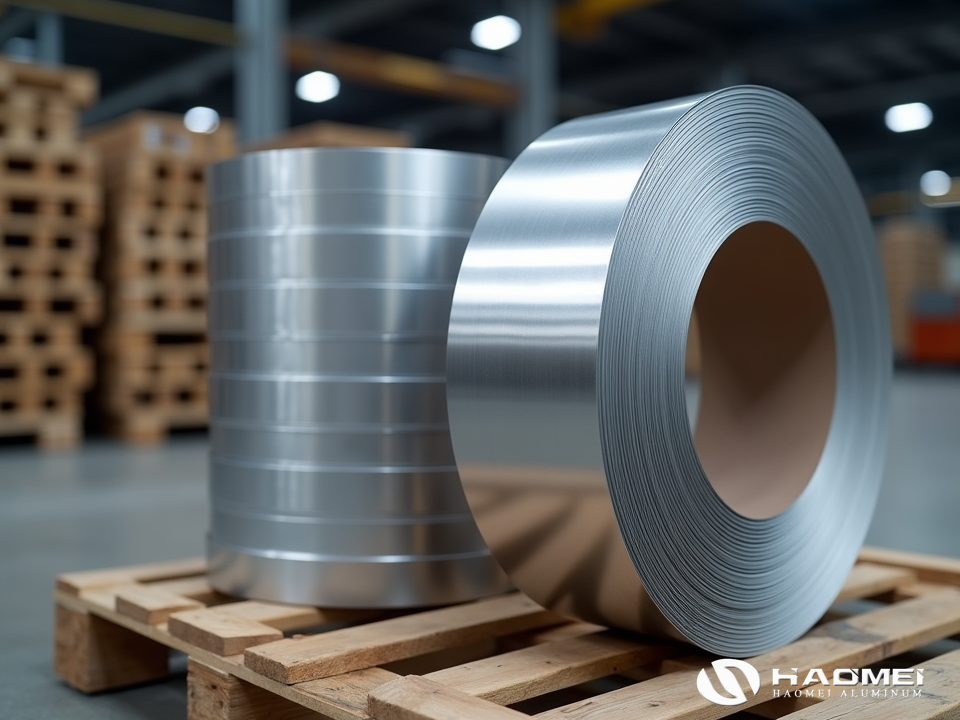
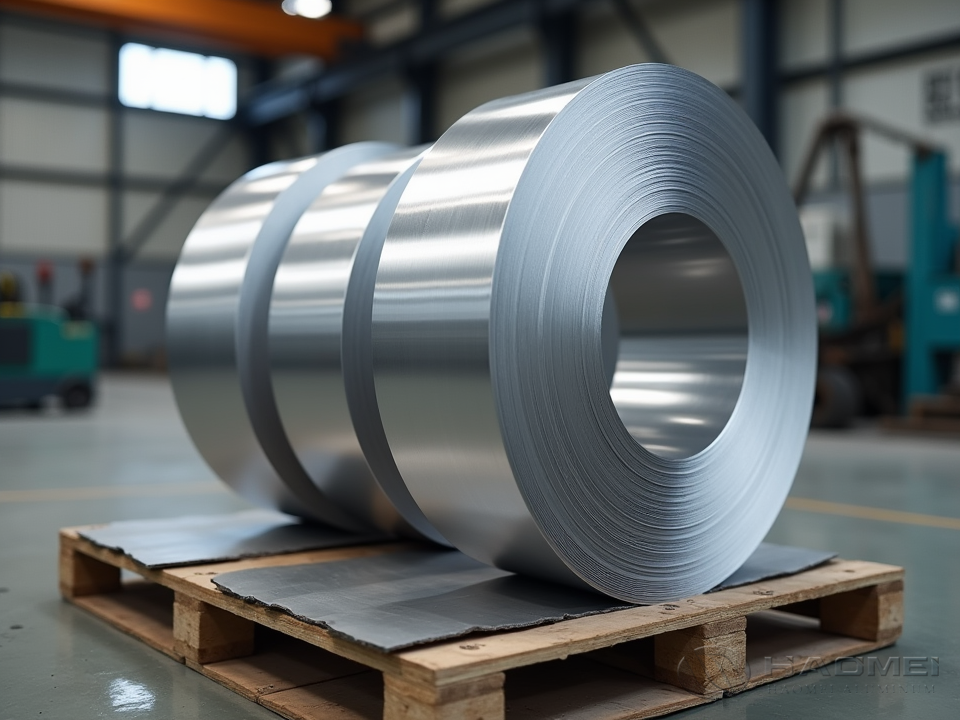
As an aluminum strip supplier working with overseas customers, we often receive inquiries for transformer winding materials. For this application, customers usually pay close attention to electrical conductivity, surface cleanliness, edge quality and thickness tolerance. Aluminum strip is widely used in dry-type transformers, oil-immersed transformers, reactors and electrical winding components.
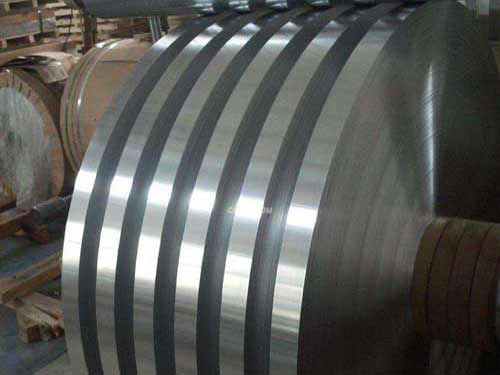
Compared with copper, aluminum strip has lower density and better cost performance. It can help reduce the total weight of the transformer while maintaining stable electrical performance. For many transformer manufacturers, aluminum strip is a practical and economical conductor material.
Recommended Specifications
| Item | Common Options |
|---|---|
| Alloy | 1050, 1060, 1070, 1350 |
| Temper | O, H12, H14 |
| Thickness | 0.2 mm – 3.0 mm |
| Width | 20 mm – 1200 mm |
| Surface | Mill finish, clean and oil-free |
| Edge | Slit edge, deburred edge, round edge available |
| Coil ID | 300 mm, 405 mm, 505 mm |
| Standard | ASTM B209, EN 485, GB/T 3880 |
Requirements
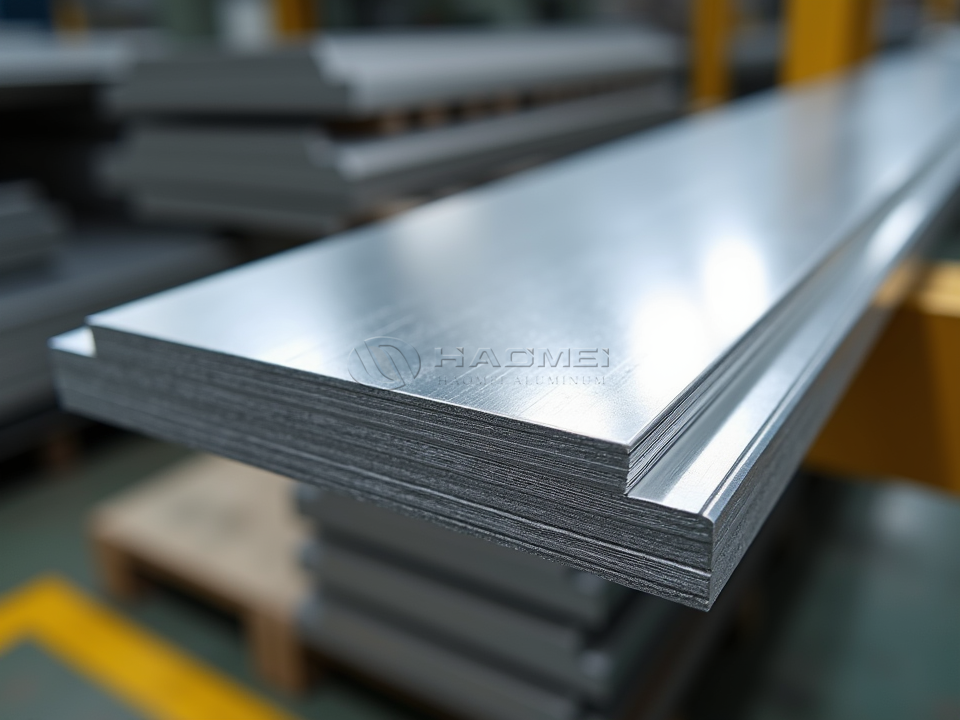
For transformer winding, burr control is very important. Sharp burrs may damage insulation paper or film during winding. Therefore, we recommend customers confirm the edge requirement before placing the order. In addition, the strip surface should be clean, smooth and free from serious scratches, oil stains or oxidation marks.
Why Choose HAOMEI Aluminum?
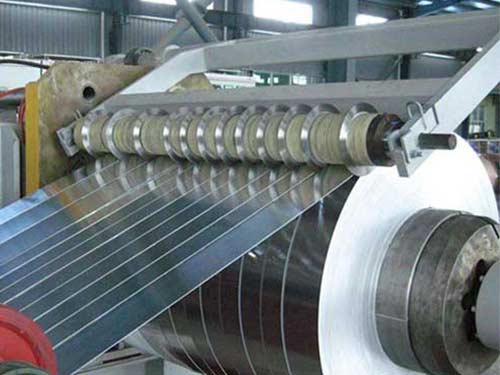
HAOMEI Aluminum can supply aluminum strip with stable conductivity, accurate dimensions and customized slitting width. Our export team can communicate clearly with customers about technical details such as thickness tolerance, edge condition, coil weight and packing method.
When sending an inquiry, customers can provide alloy, temper, thickness, width, coil ID and annual demand. Our team will reply with a suitable quotation and production solution.