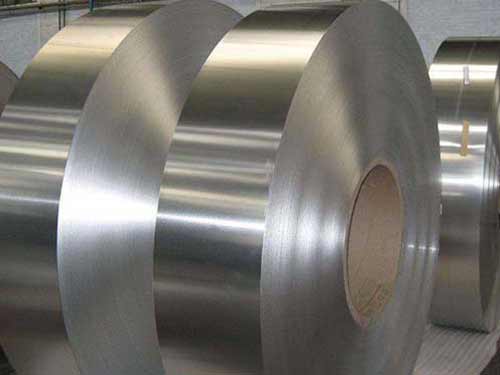
Solar Reflector Anodized Mirror Aluminium Strip
A Reflective Surface Designed to Direct Energy
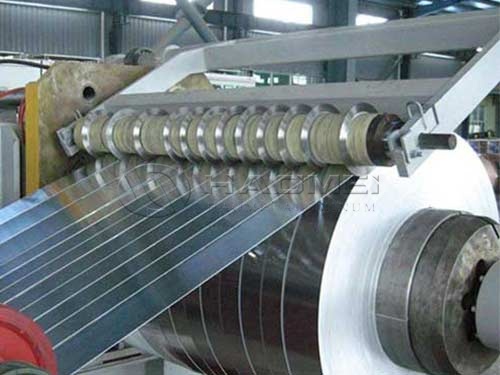
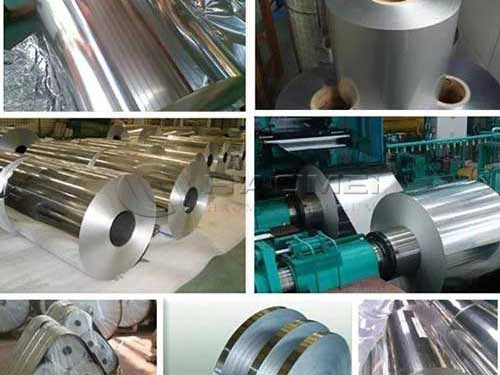
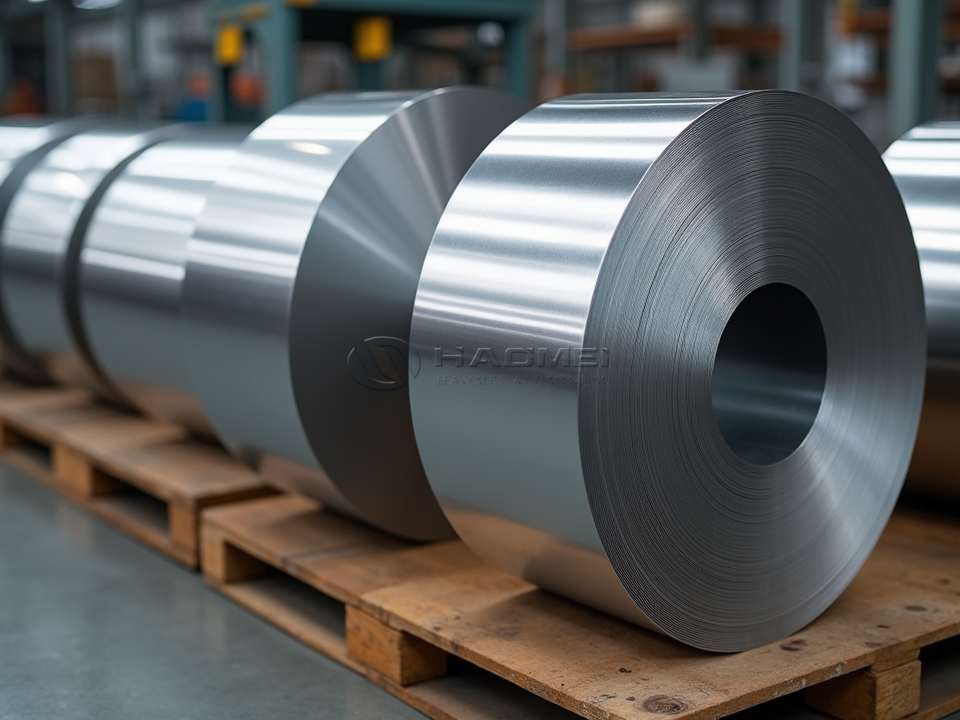
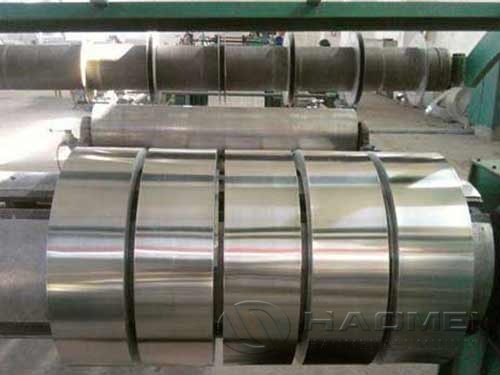
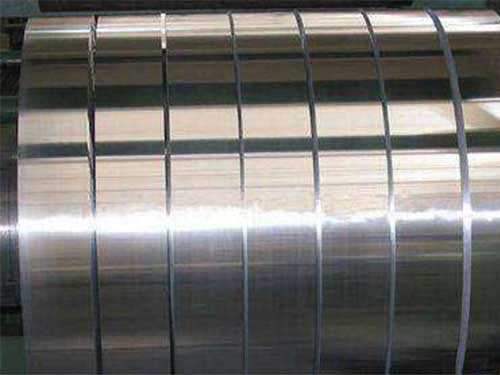
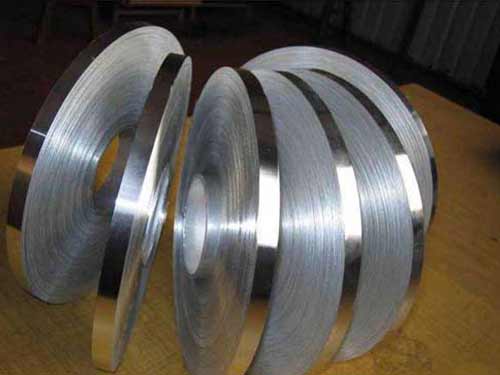
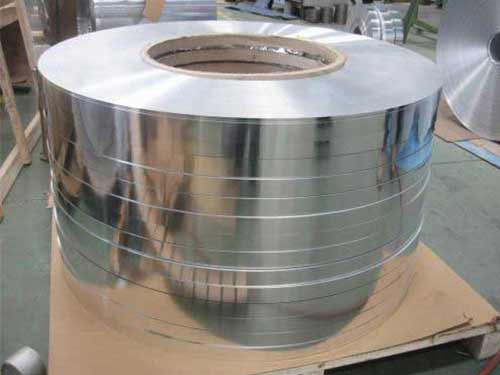
Solar reflector anodized mirror aluminium strip is not simply a bright metal strip. It is an engineered optical surface designed to guide sunlight toward a target area with controlled reflection, low weight, and long-term outdoor durability. In solar thermal collectors, daylight systems, agricultural lighting equipment, and concentrating solar installations, the strip helps turn available sunlight into usable heat or illumination.
Its performance comes from the interaction of three elements: a high-purity aluminium substrate, an exceptionally smooth mirror-finished surface, and an anodized protective layer. The polished surface provides high visible and solar reflectance, while anodizing strengthens resistance to oxidation, humidity, fingerprints, and mild atmospheric corrosion. This combination makes the material suitable for converting flat coil stock into curved reflectors, parabolic channels, louver components, and precision optical panels.
How the Reflective System Works
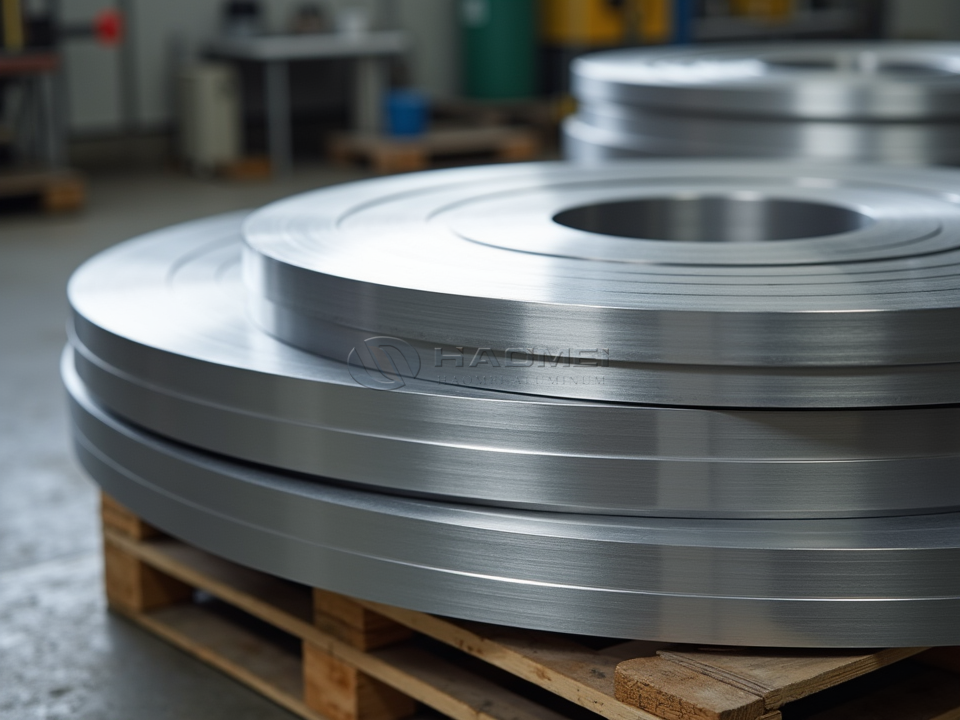
A solar reflector needs to do more than appear shiny. It must return as much incident radiation as possible in the desired direction. The mirror surface of anodized aluminium strip creates predominantly specular reflection, meaning light rays remain concentrated rather than scattering widely. For solar thermal systems, this allows reflected energy to be focused onto a receiver tube, absorber, or heat-transfer surface.
The anodized layer is transparent or lightly modified, preserving the metal's reflective character while providing a controlled oxide barrier. Aluminium naturally forms oxide in air, but production anodizing creates a more uniform and durable film. Depending on the operating environment, the film may be sealed to reduce pore activity and improve weathering resistance.
For designers, the practical measurement is not only total reflectance but also specular reflectance. A material may show high total reflectance while producing too much diffuse scatter for a concentrating reflector. Low surface roughness, stable coil flatness, careful slitting, and protection during forming all influence final optical efficiency.
Typical Material Parameters
Solar reflector anodized mirror aluminium strip is commonly produced from 1050, 1060, 1070, or 1100 series aluminium. These grades contain a high proportion of aluminium, offering excellent reflectivity, forming behavior, thermal conductivity, and resistance to atmospheric exposure. For applications requiring higher mechanical strength, selected 3xxx or 5xxx series alloys may be considered, although very high-purity alloys generally provide stronger optical performance.
| Parameter | Typical Range or Requirement |
|---|---|
| Alloy | 1050, 1060, 1070, 1100, selected 3003 or 5005 |
| Temper | O, H12, H14, H16, H18, H22, H24 |
| Thickness | 0.20 mm to 1.50 mm |
| Width | 20 mm to 1,600 mm |
| Coil inner diameter | 150 mm, 300 mm, 405 mm, 508 mm, or as required |
| Surface finish | Bright mirror, anodized mirror, polished anodized |
| Anodic film thickness | Commonly 3 to 10 μm, project-dependent |
| Total solar reflectance | Often 80% to 90% or higher, depending on finish |
| Specular reflectance | Determined by surface treatment, geometry, and test method |
| Surface protection | Interleaving paper, protective film, or both |
The final specification should identify the intended wavelength range, reflector geometry, forming method, installation climate, and cleaning practice. A strip used in an indoor daylight reflector does not require the same anodic film design as one installed in desert solar thermal equipment exposed to ultraviolet radiation, wind-borne sand, and large temperature cycles.
Alloy Temper and Forming Behavior
Temper selection is often the hidden decision that determines whether a reflector panel performs well after fabrication. Soft O temper strip bends easily and is suitable for deep curvature, roll forming, or components with small radii. However, it can be more vulnerable to handling marks and shape change during assembly.
H14 and H16 tempers offer a balanced combination of stiffness and formability. They are frequently selected for curved solar reflectors, slatted daylighting assemblies, and framed panels. H18 temper provides higher hardness and improved resistance to deformation, but it requires larger bending radii and stricter forming control to prevent surface stress marks.
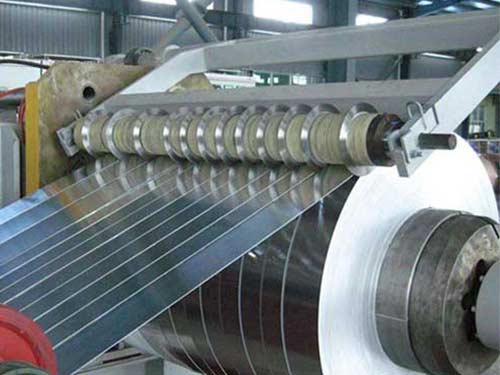
For highly polished anodized surfaces, forming tools must be clean, smooth, and free of metal chips. Even minor scratches can interrupt reflected light paths and create visible defects across large collector fields. Protective film should remain in place during slitting, stamping, bending, and assembly whenever process conditions allow.
For high-purity substrate options, 1050 / 1060 Aluminum Strip provides the brightness, ductility, and corrosion resistance commonly required for mirror-finish reflector production.
Chemical Composition and Its Effect on Performance
The chemistry of the base metal affects conductivity, reflectivity, corrosion behavior, and mechanical response. Iron and silicon are controlled because excess levels can reduce brightness and influence surface uniformity after polishing or anodizing. High aluminium content supports a cleaner reflective appearance and stable oxide formation.
| Element, % by Weight | 1050 Aluminium | 1060 Aluminium |
|---|---|---|
| Aluminium, Al | 99.50 min | 99.60 min |
| Silicon, Si | 0.25 max | 0.25 max |
| Iron, Fe | 0.40 max | 0.35 max |
| Copper, Cu | 0.05 max | 0.05 max |
| Manganese, Mn | 0.05 max | 0.03 max |
| Magnesium, Mg | 0.05 max | 0.03 max |
| Zinc, Zn | 0.05 max | 0.05 max |
| Titanium, Ti | 0.03 max | 0.03 max |
| Other elements, each | 0.03 max | 0.03 max |
Chemical limits can vary slightly according to the governing standard, mill practice, and customer agreement. Material certificates should state actual melt chemistry when the reflector project has strict optical or corrosion requirements.
Standards, Testing, and Surface Control
Production can be aligned with ASTM B209 for aluminium sheet and strip, EN 485 for tolerances and mechanical properties, or relevant customer specifications. Anodized coatings may be evaluated in accordance with ISO 7599 or EN 12373 practices, particularly when coating mass, film thickness, sealing quality, or corrosion resistance must be verified.
Reflective performance can be tested using methods such as ASTM E903 for solar absorptance, reflectance, and transmittance measurements. For architectural daylight applications, ISO 9050 methods may also be relevant. The test angle, wavelength range, backing condition, and whether total or specular reflection is measured must be defined before comparing results from different materials.
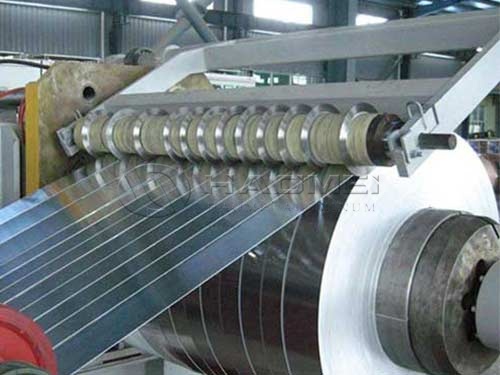
A dependable inspection program normally includes thickness tolerance, width tolerance, edge burr condition, coil set, surface waviness, anodic film thickness, gloss consistency, and reflectance testing. For solar concentration, surface flatness deserves particular attention. A highly reflective strip with excessive waviness can spread reflected rays away from the receiver and reduce system output.
Applications Beyond the Collector Field
Parabolic trough reflectors are a prominent application, but the material is also used in compact solar cookers, water-heating reflectors, solar drying units, portable concentrators, greenhouse light-management systems, skylight reflectors, and luminaires that redirect daylight deeper into buildings. It is also valuable in decorative energy-saving products where a durable mirror appearance is required without the weight and fracture risk of glass.
In humid, coastal, or industrial environments, alloy selection and anodizing quality should match the corrosion exposure. For applications where extra strength is needed alongside reliable corrosion resistance, 5052 Aluminum Strip can be evaluated for structural reflector parts, frames, and supporting components rather than the primary high-specular optical face.
Handling for Long-Term Reflective Value
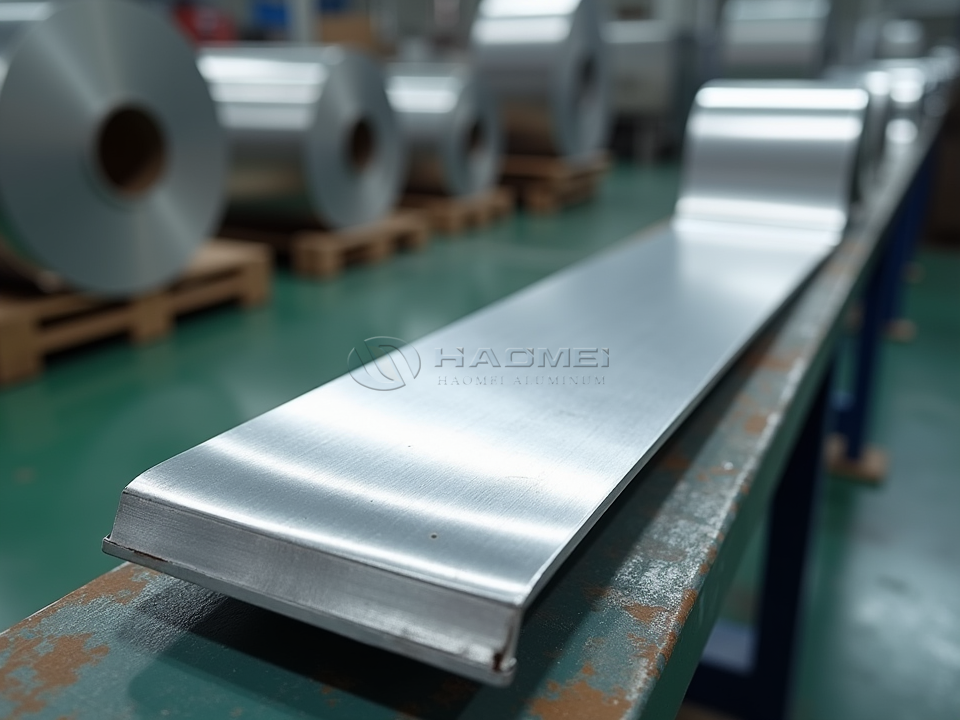
The most advanced mirror finish can lose performance through poor handling. Coils should be stored in dry, ventilated conditions and protected from condensation. Contact with alkaline cement, chloride-rich water, aggressive cleaners, or abrasive pads should be avoided. Cleaning with soft cloths, clean water, and compatible neutral detergents helps preserve the anodized surface.
Solar reflector anodized mirror aluminium strip gives designers a practical route to lighter, safer, and more adaptable reflective systems. When alloy purity, temper, anodic film, optical testing, and fabrication protection are specified together, the strip becomes an active component in solar energy capture rather than merely a polished metal surface.