RAL Color Aluminum Strip for Light
RAL color aluminum strip for light is a pre-painted aluminum material designed for modern lighting products where appearance, corrosion resistance, formability, and production efficiency must work together. It is widely used in LED light housings, linear light profiles, lamp covers, recessed fixtures, decorative lighting channels, reflector components, and architectural illumination systems.
Unlike post-painted metal parts, color coated aluminum strip is supplied with a finished surface before slitting, bending, stamping, roll forming, or assembly. This helps lighting manufacturers simplify processing, improve color consistency across batches, and reduce painting-related labor, energy consumption, and environmental emissions. With a broad selection of RAL shades, the strip can match interior decoration, commercial branding, exterior facades, or custom lighting concepts.
Clean Color Expression for Lighting Design
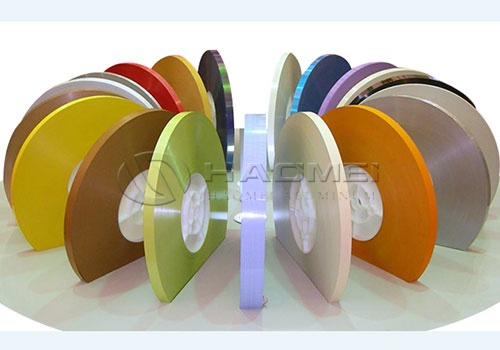
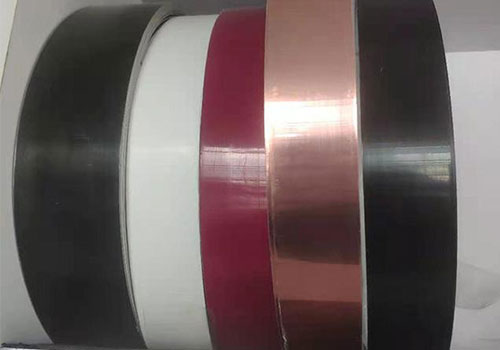
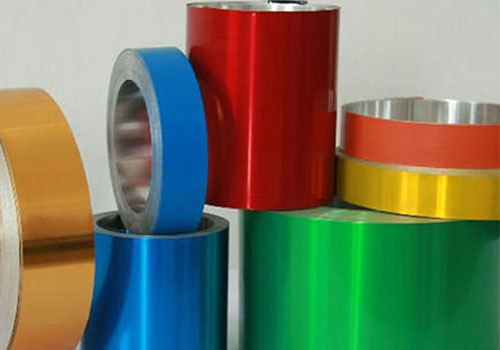
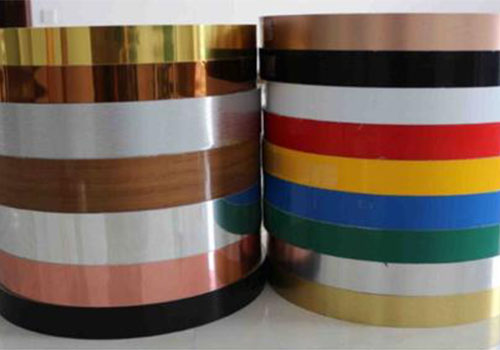
Color is increasingly important in lighting equipment. A lamp is no longer only a source of illumination; it is also a visible element of interior architecture, retail presentation, office design, hospitality spaces, and public infrastructure. RAL color aluminum strip gives designers a practical way to create white, black, silver, grey, red, green, yellow, blue, and other color finishes with stable visual quality.
Common choices include RAL 9016 Traffic White for clean office and residential lighting, RAL 9005 Jet Black for contemporary decorative luminaires, RAL 7035 Light Grey for industrial fixtures, and metallic silver finishes for technical LED profiles. Custom RAL colors can also be produced to suit project requirements, subject to color approval and minimum order conditions.
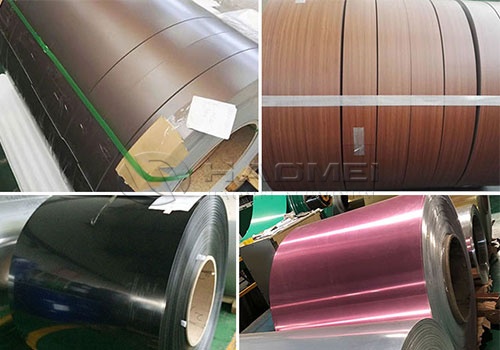
The painted surface can be supplied in gloss, semi-gloss, matte, textured, embossed, or special-effect finishes. Matte coatings are favored for reducing visual glare, while gloss finishes can create a sharper, more decorative appearance. Fine-texture surfaces may also help conceal minor handling marks in high-traffic installation environments.
Material Structure and Available Specifications
RAL color aluminum strip commonly uses aluminum alloys selected according to the forming method, mechanical strength requirement, and end-use environment. Alloy 1060 offers excellent formability and thermal conductivity. Alloy 3003 provides improved strength and corrosion resistance, making it suitable for demanding lighting housings and formed profiles. Alloy 5052 can be selected when higher mechanical performance is needed.
| Item | Typical Range or Option | Benefit for Lighting Products |
|---|---|---|
| Aluminum alloy | 1060, 1100, 3003, 3105, 5052 | Supports forming, strength, and corrosion requirements |
| Temper | O, H14, H16, H18, H24 | Adapted to bending, stamping, or roll forming |
| Thickness | 0.20 mm to 1.50 mm | Suitable for trim, covers, channels, and housings |
| Width | 20 mm to 1,500 mm | Can be slit to match production equipment |
| Coil weight | Customized | Improves line efficiency and handling convenience |
| Color system | RAL standard colors or custom colors | Matches design and project color requirements |
| Surface finish | Gloss, matte, semi-gloss, textured | Controls appearance, glare, and tactile quality |
| Coating type | PE, HDPE, PVDF, polyester-modified systems | Provides weathering and surface protection options |
For most indoor light fittings, polyester or PE coating provides an economical and attractive solution. For applications exposed to sunlight, moisture, industrial pollution, or outdoor conditions, a higher-performance coating system may be recommended. A PE Coated Aluminum Strip is often selected for indoor decorative light components, while more demanding exterior projects may benefit from fluorocarbon-based finishes.
Coating Performance That Supports Daily Use
The coating on aluminum strip performs more than a decorative role. It protects the substrate from oxidation, fingerprints, moisture, light abrasion, and common contaminants encountered during fabrication, transport, installation, and routine cleaning. A properly cured coating should retain adhesion after bending and resist cracking at normal processing radii.
| Performance Property | Typical Requirement | Practical Value |
|---|---|---|
| Coating thickness | Approximately 15 to 30 microns for standard finishes | Supports stable color and protective coverage |
| Adhesion | No coating loss after cross-hatch testing | Helps prevent peeling during bending and assembly |
| Pencil hardness | Commonly 2H or as specified | Improves scratch resistance in handling |
| Impact resistance | Determined by coating system and thickness | Helps surfaces tolerate fabrication and transport |
| Bend performance | T-bend tested according to requirement | Reduces coating cracks on formed light parts |
| Color tolerance | Controlled against approved sample | Maintains visual consistency among lamp batches |
| Salt spray resistance | Available according to application requirement | Supports humid and corrosive environments |
Lighting manufacturers often require uniform color between coils because fixture bodies, end caps, trims, and mounting parts may be produced at different times. Color control is therefore managed through approved samples, coating formulation, curing conditions, gloss measurement, and inspection under standard lighting conditions. For visible lighting components, this attention to shade consistency is especially important.
Efficient Fabrication for Light Housings and Profiles
The combination of low density and good formability makes aluminum strip an excellent material for lighting fabrication. It can be slit into narrow widths for LED channels, stamped into end plates, bent into U-shaped housings, roll formed into linear profiles, or deep drawn into selected reflector parts. Compared with heavier steel materials, aluminum can reduce fixture weight and improve installation convenience.
Color coated strip also avoids the need to paint finished parts after fabrication. This can shorten manufacturing flow, eliminate paint booth operations, and lower the risk of uneven coating accumulation around corners and edges. To preserve the finish during production, manufacturers should use clean rollers, suitable protective film where needed, controlled bending radii, and tooling free from sharp burrs.
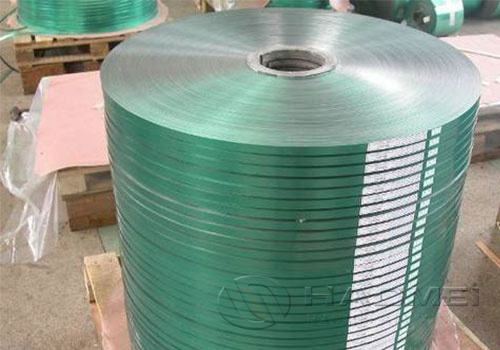
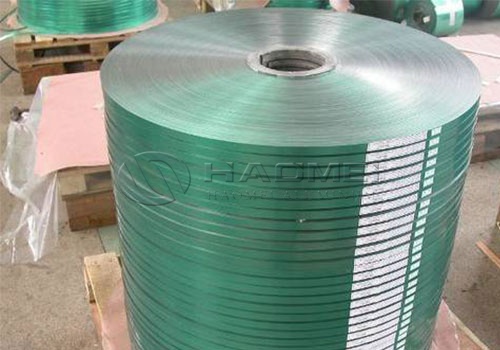
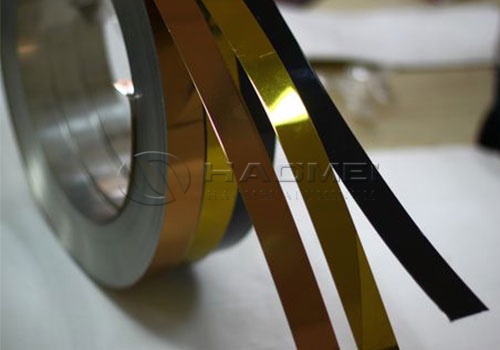
For narrow lighting trims and profile covers, coil slitting accuracy is important. Smooth edges and stable width tolerance help ensure reliable feeding during automated roll forming or punching. A quality Color Coated Aluminum Strip can be tailored in width, temper, coating thickness, and surface protection to fit the customer's production route.
Typical Lighting Applications
RAL color aluminum strip is suitable for a wide range of illumination products and supporting components:
- LED linear light housings and decorative channels
- Recessed ceiling light frames and trim rings
- Surface-mounted office and commercial lighting fixtures
- Pendant lamp bodies and profile-based luminaires
- Retail display lighting and shelf illumination systems
- Architectural facade lighting covers and mounting channels
- Emergency lighting housings and signage frames
- Outdoor garden lights, pathway lights, and wall lamps
- Smart-home lighting casings and control-box covers
- Reflector support parts and heat-dissipation assemblies
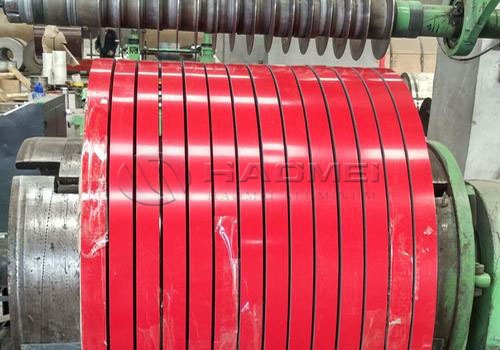
White coated aluminum remains a highly popular choice because it blends naturally with ceilings and enhances the clean appearance of linear fixtures. Black aluminum strip is widely used in track lights, suspended lighting, stage lighting, and premium interior designs. Strong colors such as red, yellow, and green are frequently chosen for decorative retail lighting, themed spaces, wayfinding fixtures, and branded commercial environments.
Selection Considerations for Better Results
The best RAL color aluminum strip depends on where the fixture will be used and how it will be processed. Indoor lamps in dry environments can normally use standard polyester-coated material. Fixtures for bathrooms, transportation areas, covered outdoor spaces, or coastal regions may require stronger corrosion protection and a more durable coating structure.
Thickness should match the design load and forming method. Thin gauges are efficient for light covers and narrow trims, while thicker material provides greater rigidity for long lamp bodies, mounting rails, and structural channels. Temper selection also matters: softer material supports more complex bending, while harder tempers improve flatness and stiffness.
When specifying a project, customers should confirm the RAL shade, gloss level, coating type, aluminum alloy, temper, thickness, width, coil direction, protective film requirement, and final application environment. Clear specifications help achieve a surface that looks refined on the production line and remains dependable after installation.
RAL color aluminum strip for light combines visual flexibility with practical manufacturing performance. It offers a durable, lightweight, and efficient foundation for lighting products that need to look as good as the light they produce.