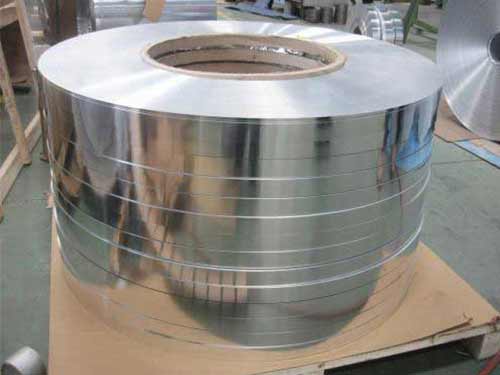
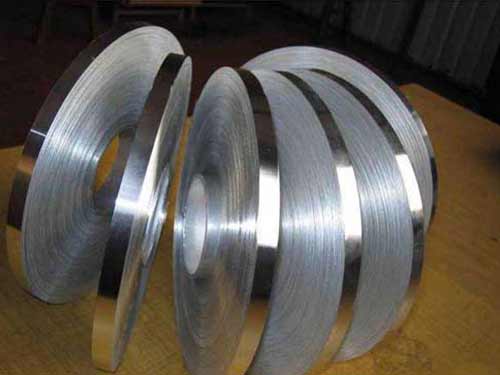
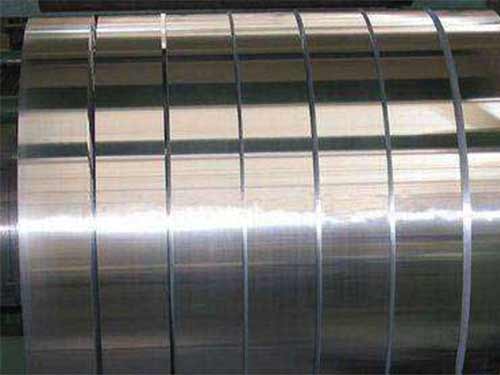
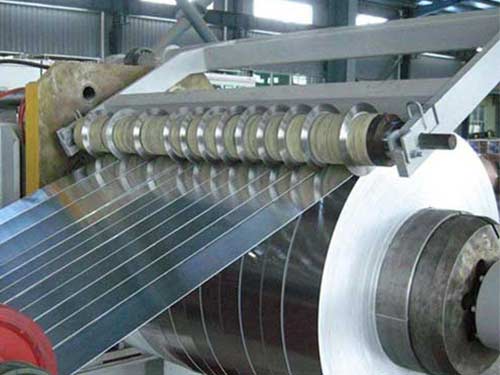
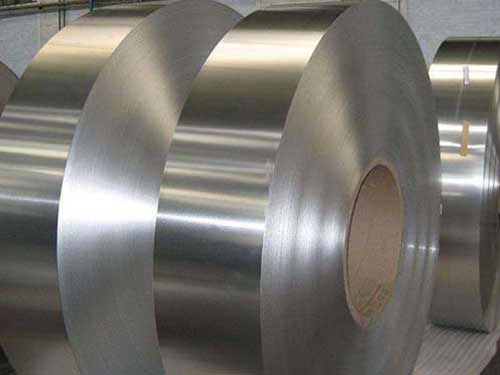
Hot Cold Rolled Mill Finish Aluminum Strip
Hot Cold Rolled Mill Finish Aluminum Strip: Built for the Next Process
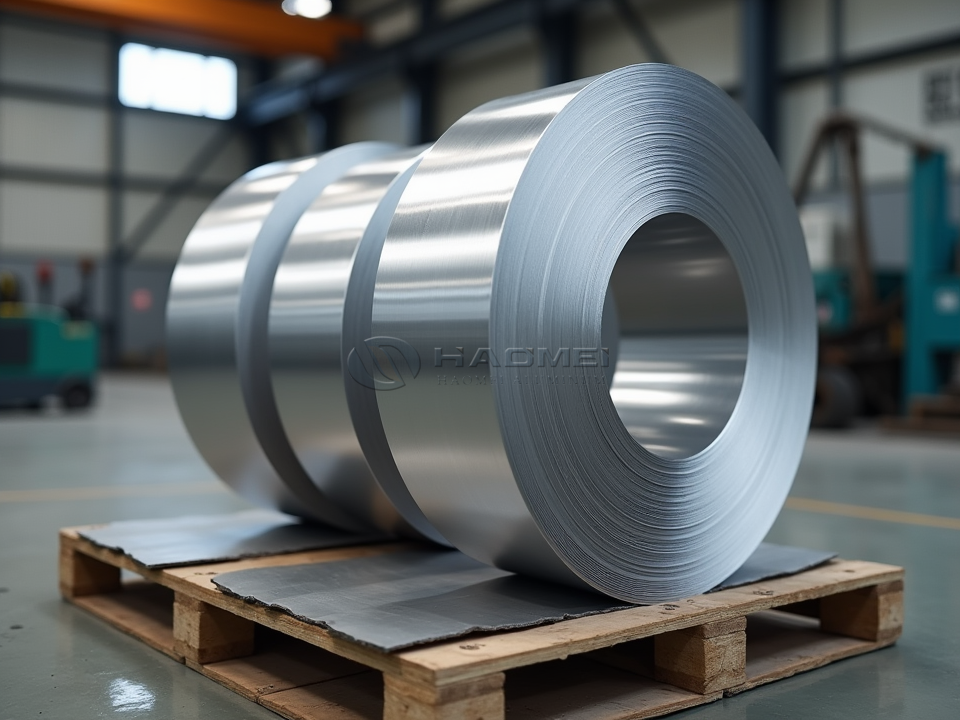
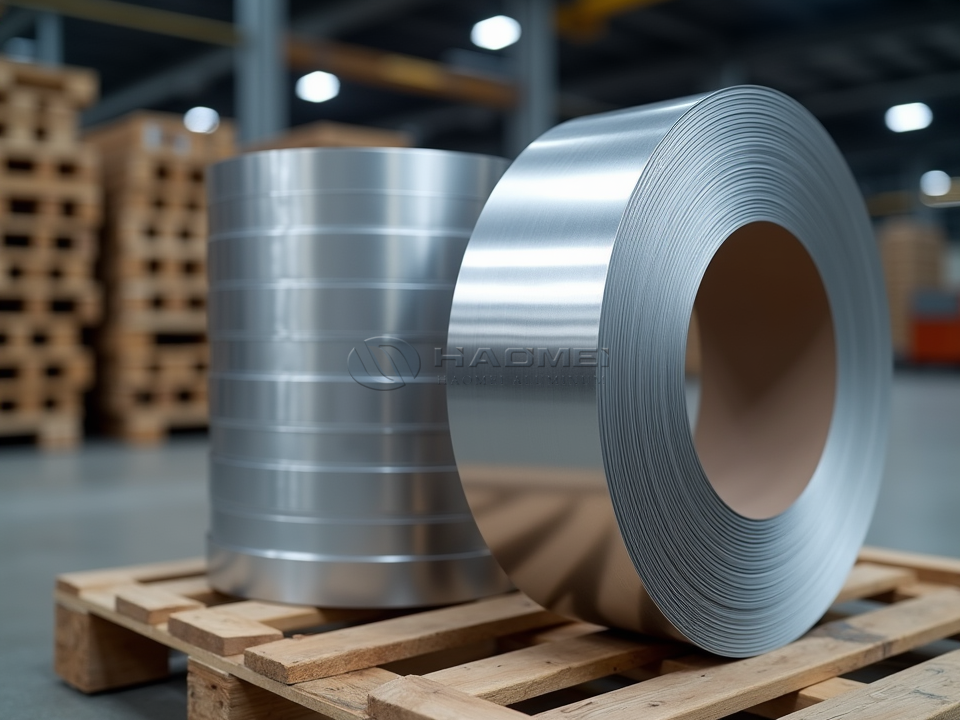
Hot cold rolled mill finish aluminum strip is often selected not for a decorative surface, but for what it allows the next manufacturing step to achieve. It is the practical working surface of aluminum: clean, metallic, uncoated, and ready for stamping, bending, slitting, welding, insulation, or coating.
The term combines several production realities. Hot rolling reduces cast aluminum slabs at elevated temperature, building the foundation for thickness reduction and grain structure. Cold rolling then brings the strip to tighter gauges, flatter profiles, and more controlled mechanical properties. Mill finish means the strip retains the natural surface produced by rolling and handling, without paint, anodizing, or protective decorative treatment.
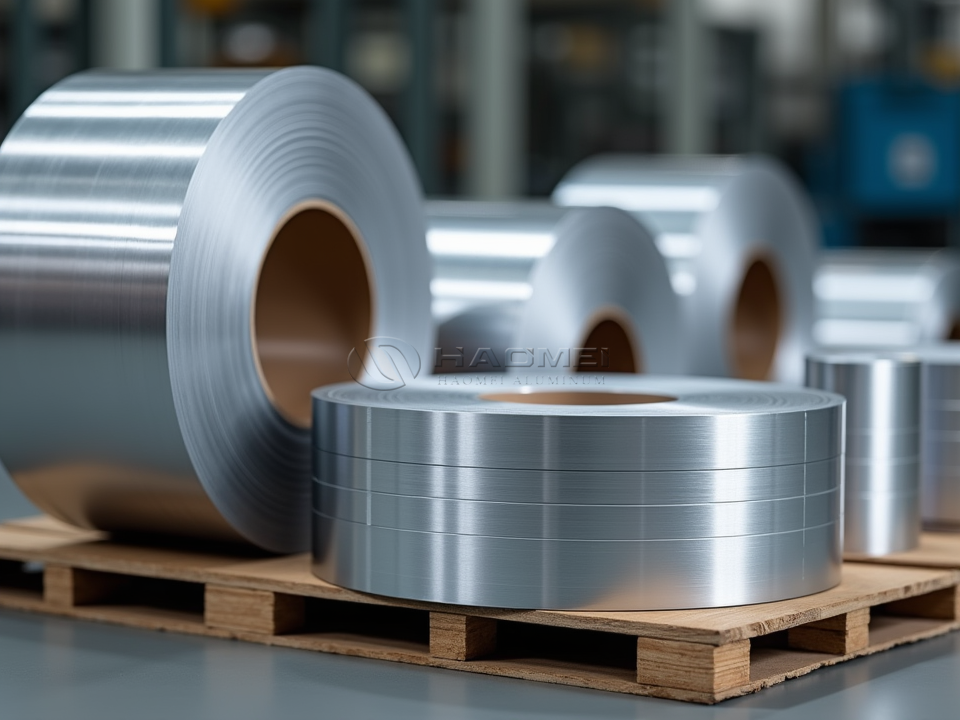
For buyers, the important question is not simply hot rolled versus cold rolled. It is whether the strip has the right alloy, temper, thickness tolerance, surface condition, and coil geometry for the fabrication line that follows.
What Makes Mill Finish Different
A mill finish aluminum strip has the bright-to-satin metallic appearance created during rolling. Its visual character can vary with alloy, rolling oil, reduction schedule, coil storage, and surface roughness. Fine roller marks, slight tonal variation, or minor surface traces may be acceptable when the strip will be painted, laminated, insulated, formed, or hidden inside an assembly.
Mill finish is valued because it avoids the cost and processing time of coated or anodized material. It is especially suitable for transformer windings, cable shielding, heat-transfer components, roofing accessories, lamp parts, packaging closures, cookware components, and general stamping.
When a visible final surface is required, customers should specify surface expectations in advance. A mill finish is not intended to equal mirror-polished, brushed, coated, or anodized aluminum. Clear agreement on allowable scratches, oil residues, edge quality, and coil joints helps prevent unnecessary inspection disputes.
Hot Rolled and Cold Rolled: Two Different Jobs in One Supply Chain
Hot rolled aluminum strip begins with a heated slab. At high temperature, aluminum becomes easier to reduce, allowing substantial thickness reduction while breaking down the cast structure. Hot rolled coil is commonly used as feedstock for further rolling, or supplied for thicker-gauge applications where surface refinement is less critical.
Cold rolled aluminum strip is processed at or near room temperature after hot rolling. This stage improves thickness precision, surface consistency, flatness, and hardness control. Most thin aluminum strip used in stamping, electrical, packaging, and precision fabrication is cold rolled.
A helpful way to view the difference is this: hot rolling creates the material platform, while cold rolling tunes the strip for production equipment. Cold rolling does not merely make aluminum thinner. It determines how predictably the strip feeds through a press, bends around a radius, holds a formed shape, or resists denting.
Common Alloys and Their Working Personalities
The 1000 series is chosen where electrical conductivity, thermal conductivity, corrosion resistance, and high formability matter most. Grades 1050, 1060, 1070, and 1100 contain high aluminum content and are frequently used for electrical conductors, transformer strip, chemical equipment, lighting parts, and deep-drawn products. For conductivity-focused coils, 1050 / 1060 Aluminum Strip is a practical choice because of its soft working behavior and stable electrical performance.
The 3000 series adds manganese, delivering higher strength than pure aluminum while retaining good formability and corrosion resistance. Alloy 3003 is widely specified for radiator parts, roofing components, cookware, building trim, and stamped products. Buyers seeking a balanced general-purpose material often select 3003 Aluminum Strip for its reliable forming response.
The 5000 series contains magnesium and offers stronger corrosion resistance, particularly in humid or marine-influenced environments. Alloys 5052, 5182, and 5754 are suited to transportation panels, tanks, brackets, appliance parts, and structural formed components. The 6000 series, including 6061, is generally selected when higher strength and heat-treatment capability are required, though its formability differs from softer 1000 and 3000 series grades.
Typical Product Parameters
| Item | Common Supply Range | Notes |
|---|---|---|
| Thickness | 0.10-6.00 mm | Thinner gauges are generally cold rolled |
| Width | 10-1,600 mm | Narrow slit strip can be produced to application requirements |
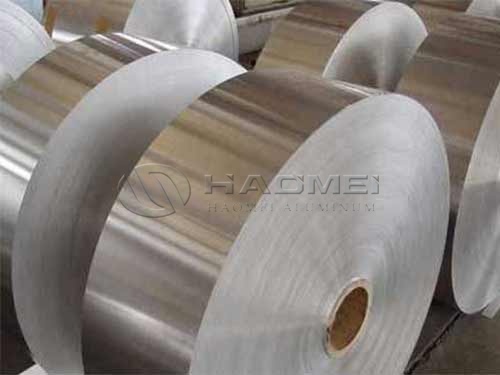
| Coil inner diameter | 150, 300, 400, 500, 505 mm | Confirm compatibility with uncoiling equipment |
| Coil outer diameter | Up to about 1,800 mm | Controlled by coil weight and transport limits |
| Coil weight | 0.3-10 tonnes | Small coils are available for narrow strip or special lines |
| Edge condition | Mill edge, slit edge, deburred edge | Slit edge is common for narrow strip |
| Surface | Mill finish, dry or lightly oiled | Protective film may be added where specified |
| Flatness | Standard or precision control | Critical for stamping and automated feeding |
Actual tolerances should be agreed according to alloy, thickness, width, and applicable standard. Narrower or thinner strip may require more careful control of camber, burr height, telescoping, and coil set.
Tempers and What They Mean on the Shop Floor
Temper describes the material condition after rolling and heat treatment. It strongly affects forming force, springback, hardness, and crack resistance.
| Temper | Condition | Typical Use |
|---|---|---|
| O | Fully annealed, soft | Deep drawing, bending, spinning, transformer winding |
| H12 / H14 | Quarter-hard / half-hard | General stamping, trim, moderate forming |
| H16 / H18 | Three-quarter-hard / full-hard | Closures, fins, stiff sections, high-strength thin parts |
| H22 / H24 | Strain hardened and partially annealed | Better formability than H12 or H14 in many applications |
| H32 / H34 | Stabilized strain hardened | Common for 5000 series corrosion-resistant strip |
| T4 / T6 | Solution heat treated and naturally or artificially aged | Strength-focused 6000 series components |
Soft O temper provides the greatest forming latitude, but it may mark more easily and has lower yield strength. Hard tempers improve rigidity and dent resistance, yet tight bends and deep draws demand larger bend radii. Selecting temper should start with the forming operation, not only the strength target.
Representative Chemical Composition
The values in this table are typical standard limits expressed as weight percent. Exact chemistry depends on the governing specification and mill certificate.
| Alloy | Si | Fe | Cu | Mn | Mg | Zn | Ti | Al |
|---|---|---|---|---|---|---|---|---|
| 1050 | ≤0.25 | ≤0.40 | ≤0.05 | ≤0.05 | ≤0.05 | ≤0.05 | ≤0.03 | ≥99.50 |
| 1060 | ≤0.25 | ≤0.35 | ≤0.05 | ≤0.03 | ≤0.03 | ≤0.05 | ≤0.03 | ≥99.60 |
| 1100 | Si+Fe ≤0.95 | - | 0.05-0.20 | ≤0.05 | - | ≤0.10 | - | ≥99.00 |
| 3003 | ≤0.60 | ≤0.70 | 0.05-0.20 | 1.0-1.5 | - | ≤0.10 | - | Balance |
| 5052 | ≤0.25 | ≤0.40 | ≤0.10 | ≤0.10 | 2.2-2.8 | ≤0.10 | - | Balance |
| 6061 | 0.40-0.80 | ≤0.70 | 0.15-0.40 | ≤0.15 | 0.80-1.20 | ≤0.25 | ≤0.15 | Balance |
Standards, Inspection and Purchase Details
Hot cold rolled mill finish aluminum strip may be produced to ASTM B209, EN 485, EN 573, EN 546, JIS H4000, GB/T 3880, or customer-specific technical requirements. The selected standard should match the end use and destination market. EN 573 is commonly referenced for chemical composition, while EN 485 addresses mechanical properties and tolerances for sheet, strip, and plate.
A complete purchase specification should identify alloy, temper, thickness, width, tolerance class, coil dimensions, edge type, surface condition, direction of rolling if relevant, packaging, and required test documentation. For electrical uses, conductivity and resistivity requirements should be stated. For stamping, burr limits, surface cleanliness, and mechanical-property consistency are often more important than appearance alone.
Mill finish aluminum strip succeeds when it disappears into a smooth production rhythm: coils unwind steadily, tools run cleanly, formed parts remain crack-free, and the final product performs as designed. Choosing the correct rolling route and temper makes that result repeatable rather than accidental.