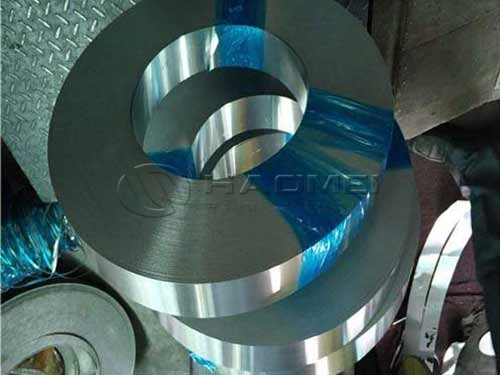
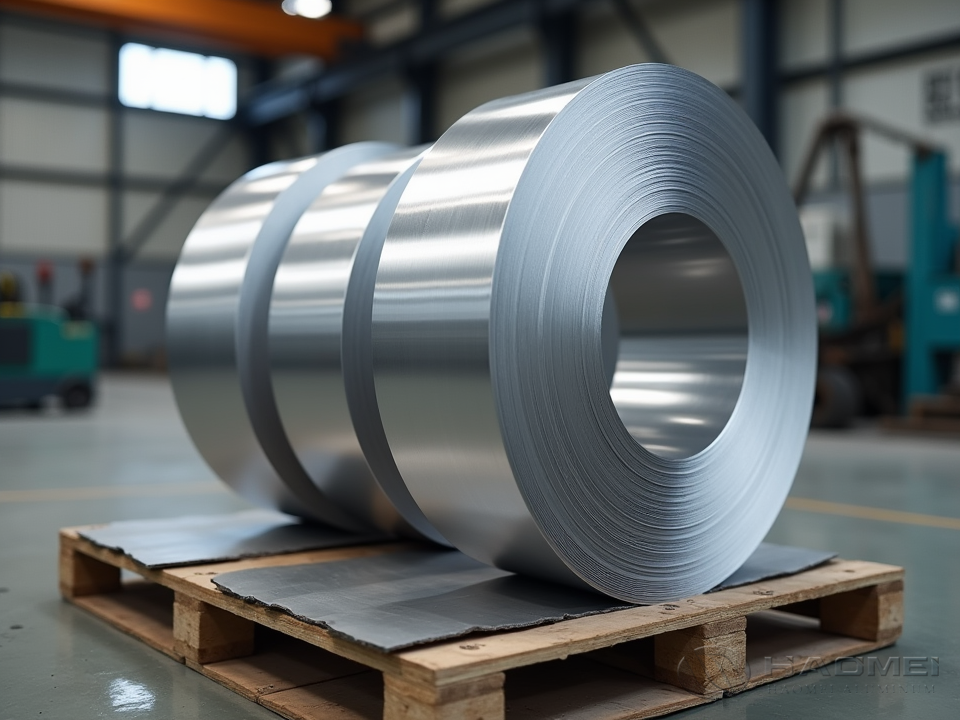
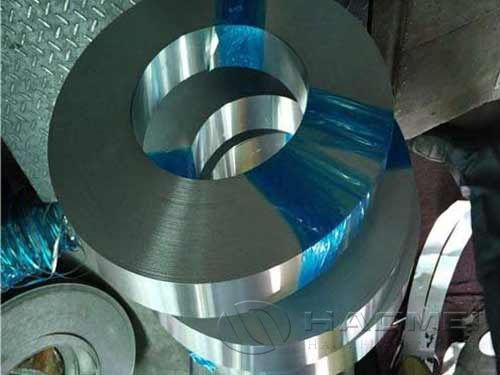
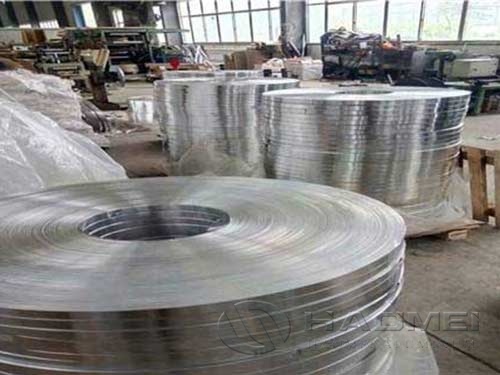
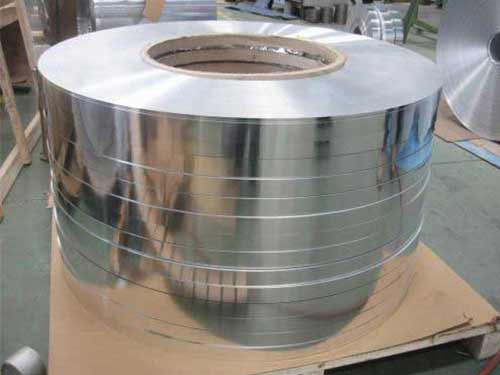
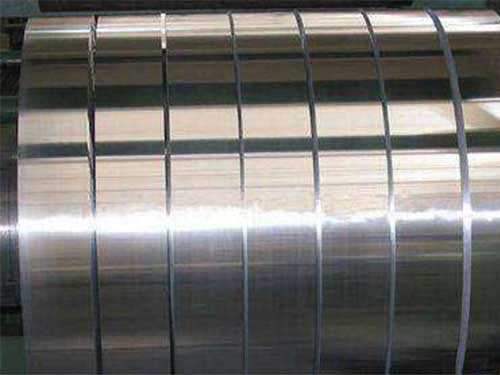
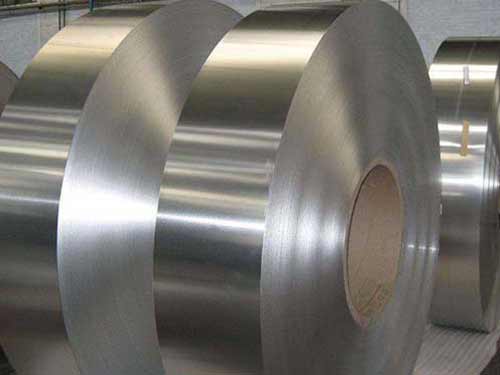
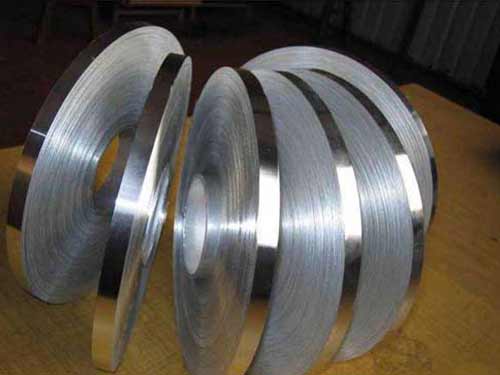
Grade 5052 Alloy Aluminum Strip
Grade 5052 Alloy Aluminum Strip is a magnesium-bearing, non-heat-treatable aluminum material valued for its balanced strength, excellent corrosion resistance, clean surface quality, and reliable formability. It belongs to the Al-Mg alloy family and is widely selected when parts must resist moisture, salt spray, vibration, and repeated forming without cracking.
Compared with pure aluminum strip, 5052 offers higher mechanical strength while still allowing bending, stamping, roll forming, punching, and surface finishing. For buyers who need a dependable material for housings, brackets, marine parts, electronic components, nameplates, packaging structures, and industrial assemblies, 5052 Aluminum Strip provides a practical balance between performance and cost.
Product Function and Material Character
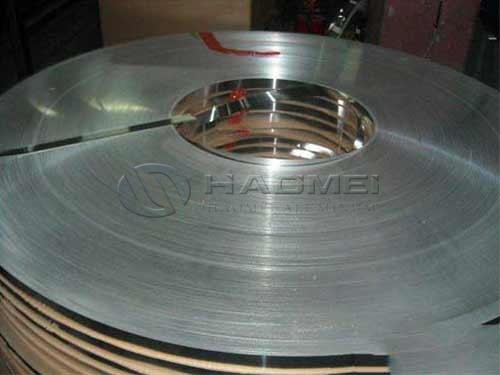
The main function of Grade 5052 Alloy Aluminum Strip is to provide a corrosion-resistant, formable, lightweight metal strip for precision manufacturing. The alloy does not gain strength through heat treatment. Instead, mechanical properties are controlled by cold working and temper selection, such as O, H32, H34, H36, and H38.
Its magnesium content improves strength and resistance to seawater, industrial atmosphere, and humid environments. Chromium addition helps stabilize the structure and supports better anti-corrosion behavior. This makes 5052 strip suitable for both indoor precision parts and outdoor components exposed to demanding service conditions.
| Product Item | Typical Description |
|---|---|
| Alloy grade | AA 5052, EN AW-5052 |
| Alloy family | 5xxx series Al-Mg alloy |
| Strengthening method | Strain hardening, not heat treatable |
| Main alloying element | Magnesium |
| Density | About 2.68 g/cm3 |
| General surface | Mill finish, bright finish, brushed, anodized-ready |
| Supply form | Coil, slit strip, narrow strip, cut-to-length strip |
| Main advantages | Corrosion resistance, medium-high strength, good bending, weldability |
Applicable Standards
Grade 5052 aluminum strip can be produced according to several international standards depending on market requirements, inspection method, and end-use industry. Customers often specify both alloy standard and dimensional tolerance standard during procurement.
| Standard | Scope Applied to 5052 Strip |
|---|---|
| ASTM B209 | Aluminum and aluminum-alloy sheet and plate, often referenced for strip properties |
| EN 485 | Aluminum and aluminum alloys sheet, strip, and plate mechanical and dimensional requirements |
| EN 573 | Chemical composition and product form designation |
| EN 515 | Temper designations for wrought aluminum alloys |
| JIS H4000 | Aluminum and aluminum alloy sheets, strips, and plates |
| GB/T 3880 | Chinese standard for aluminum and aluminum alloy plates, sheets, and strips |
| AMS-QQ-A-250/8 | Aerospace-related reference for 5052 aluminum sheet and plate applications |
Chemical Composition
The chemical profile of 5052 is carefully controlled to ensure stable corrosion resistance, forming performance, and surface quality. Magnesium is the dominant alloying element, while chromium contributes to improved durability in aggressive environments.
| Element | Composition Range, % |
|---|---|
| Aluminum, Al | Balance |
| Magnesium, Mg | 2.20-2.80 |
| Chromium, Cr | 0.15-0.35 |
| Iron, Fe | Max 0.40 |
| Silicon, Si | Max 0.25 |
| Copper, Cu | Max 0.10 |
| Manganese, Mn | Max 0.10 |
| Zinc, Zn | Max 0.10 |
| Other elements, each | Max 0.05 |
| Other elements, total | Max 0.15 |
Mechanical Properties by Temper
Temper selection affects strength, elongation, bending behavior, and forming results. Softer tempers are preferred for deep drawing and severe forming, while harder tempers are selected for panels, covers, reinforcement parts, and components requiring higher rigidity.
| Temper | Tensile Strength, MPa | Yield Strength, MPa | Elongation, % | Common Use |
|---|---|---|---|---|
| O | 170-215 | 65-90 | 15-25 | Deep forming, spinning, flexible bending |
| H32 | 210-260 | 130-180 | 8-14 | General sheet metal parts, covers, enclosures |
| H34 | 235-285 | 160-215 | 6-12 | Stamped parts, brackets, semi-rigid components |
| H36 | 255-305 | 190-240 | 4-8 | High-strength strip parts, reinforcement strips |
| H38 | 270-320 | 220-260 | 3-6 | Flat parts requiring higher hardness and stability |
Values vary with thickness, testing direction, and production standard. For tight engineering projects, actual mill test certificate data should be confirmed before mass production.
Technical Specifications
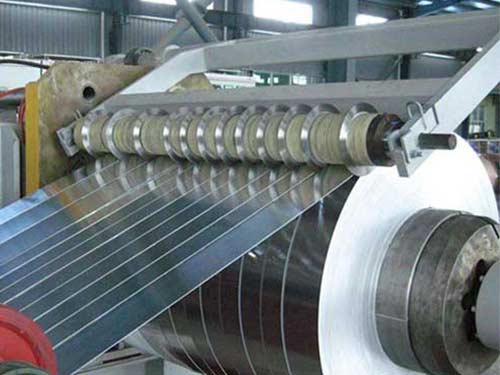
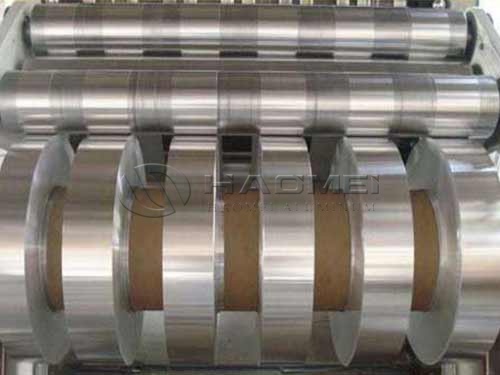
5052 aluminum strip is available in many thicknesses and widths. Precision slitting can create narrow coils for electronic parts, sealing components, cable wrapping, heat-exchange structures, and stamped industrial accessories.
| Parameter | Common Range |
|---|---|
| Thickness | 0.10-6.00 mm |
| Width | 10-1600 mm |
| Inner diameter | 150 mm, 300 mm, 405 mm, 508 mm, or customized |
| Coil weight | 50-5000 kg depending on strip size |
| Thickness tolerance | According to EN 485, ASTM B209, GB/T 3880, or customer drawing |
| Width tolerance | Precision slit tolerance available for narrow strip |
| Surface protection | Paper interleaving, PE film, oiling, moisture-proof packaging |
| Edge type | Slit edge, deburred edge, rounded edge on request |
| Surface condition | Free from severe scratches, oil stains, oxidation marks, and edge burrs affecting use |
Physical and Processing Data
Grade 5052 Alloy Aluminum Strip performs well in fabrication lines that require continuous feeding, stamping, bending, welding, and finishing. Its stability helps reduce cracking during forming and improves consistency in automated production.
| Property | Typical Value or Behavior |
|---|---|
| Density | 2.68 g/cm3 |
| Melting range | About 607-650°C |
| Electrical conductivity | About 35% IACS |
| Thermal conductivity | About 138 W/m·K |
| Elastic modulus | About 70 GPa |
| Weldability | Excellent by TIG, MIG, resistance welding |
| Machinability | Fair; better in harder tempers |
| Anodizing response | Good protective anodizing, moderate decorative appearance |
| Brazing suitability | Limited compared with brazing-specific alloys |
| Corrosion resistance | Excellent in marine, humid, and mildly chemical environments |
Common Applications
5052 aluminum strip is used wherever strength, corrosion resistance, appearance, and workability must support long-term service. It is especially valuable in wet, outdoor, and marine-related environments.
| Industry | Application Examples |
|---|---|
| Marine and transport | Boat panels, deck parts, vehicle trim, fuel tank components |
| Electronics | Battery cases, shielding parts, brackets, device housings |
| Lighting | Lamp bases, reflector support strips, decorative covers |
| Construction | Roofing accessories, curtain wall parts, sealing strips, trim components |
| Packaging and closures | Bottle caps, container parts, pull-tab related structures where specified |
| HVAC and heat exchange | Fins, formed channels, casings, anti-corrosion structural parts |
| Hardware and stamping | Hinges, clips, gaskets, nameplates, reinforcement parts |
| Cable and insulation | Armoring strip, wrapping strip, protective layers |
Forming, Welding, and Surface Treatment
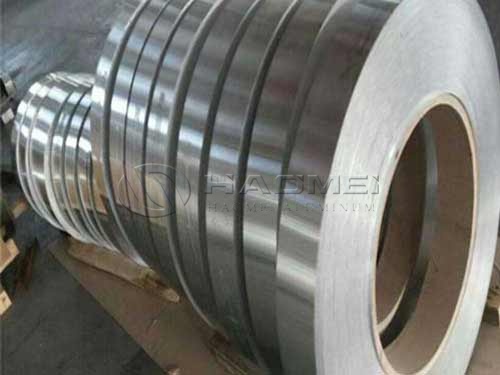
For bending and stamping, the recommended temper depends on part geometry. O temper offers the highest ductility and is suitable for deep drawing or tight-radius forming. H32 and H34 are frequently used for general manufacturing where both strength and formability matter. H36 and H38 should be selected when the forming ratio is moderate and final stiffness is more important.
5052 aluminum strip welds well by MIG and TIG processes, with good joint corrosion resistance when the correct filler is used. Common filler alloys include 5356 and 5183, depending on service conditions. Heat input should be controlled to avoid distortion, especially for thin strip.
Surface treatment options include degreasing, brushing, polishing, anodizing, coating, and film lamination. For decorative parts, surface inspection requirements should be defined early because 5052 is often selected for visible components. For outdoor products, anodizing or coating can further improve weather resistance.
Purchasing Notes for Stable Production
When ordering Grade 5052 Alloy Aluminum Strip, buyers should define alloy, temper, thickness, width, tolerance, coil ID, edge condition, surface finish, packing method, and applicable standard. For stamping projects, sample testing is recommended before bulk production because die clearance, feeding direction, burr control, and lubrication can affect final performance.
For corrosion-sensitive applications, request traceable chemical composition and mechanical test data. For automatic lines, coil shape, flatness, camber, burr height, and surface cleanliness should be controlled to reduce downtime and scrap rate.
Why 5052 Strip Is a Practical Choice
Grade 5052 Alloy Aluminum Strip combines medium-high strength, excellent anti-corrosion performance, smooth processing behavior, and broad availability. It is lighter than steel, stronger than many pure aluminum grades, and more suitable for humid or marine environments than many general-purpose alloys. With the correct temper and tolerance control, it can support efficient forming, attractive finishing, and reliable long-term use across industrial and consumer products.