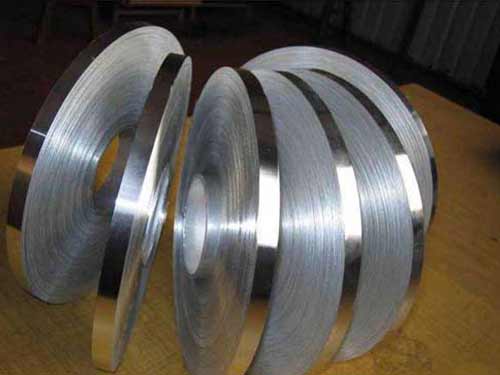
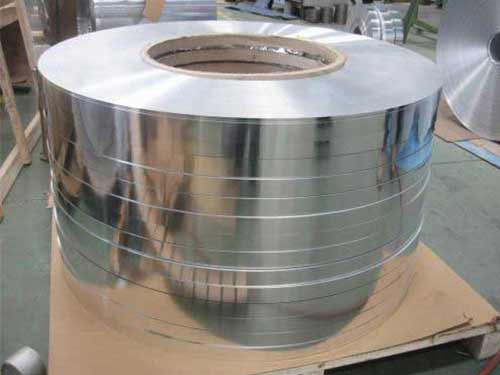
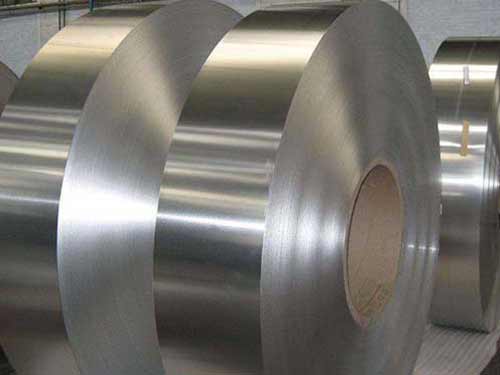
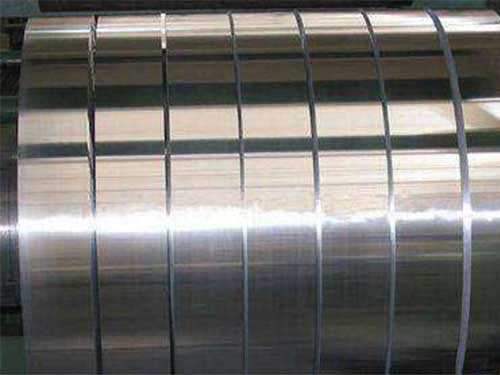
Directly Bulk Supply Aluminium Strip Alloy
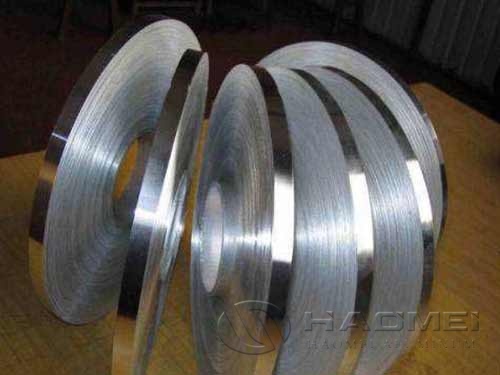
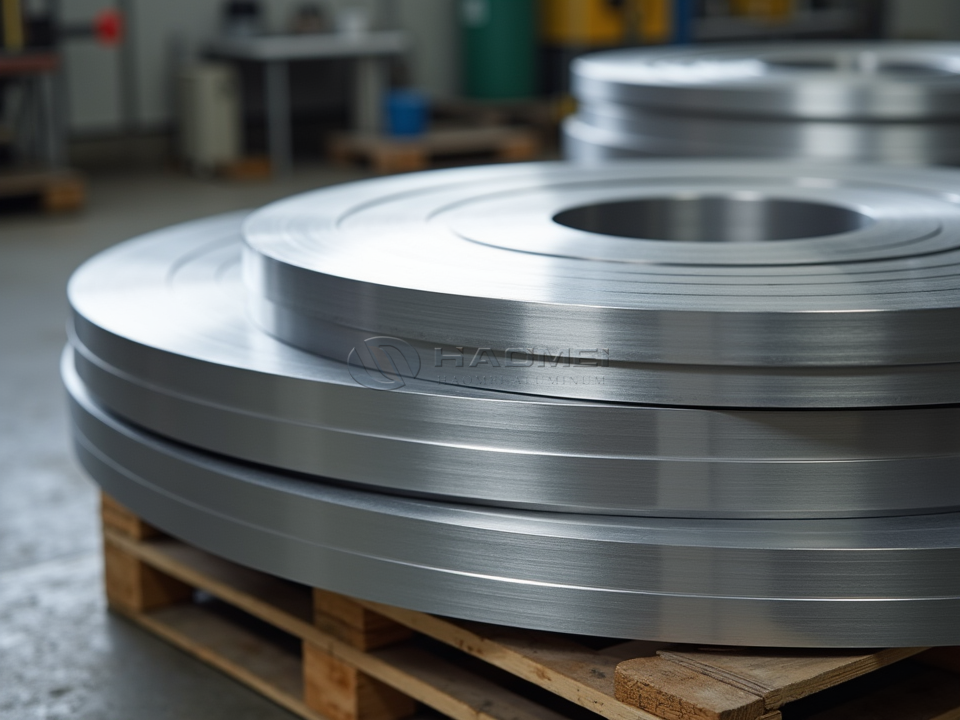
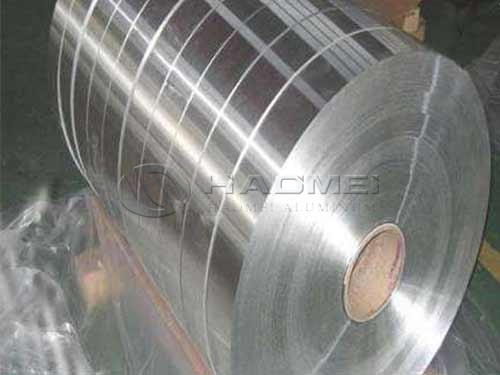
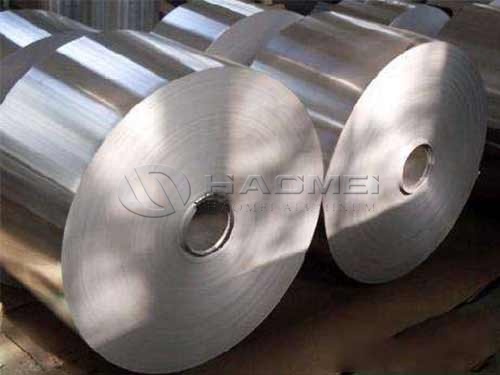
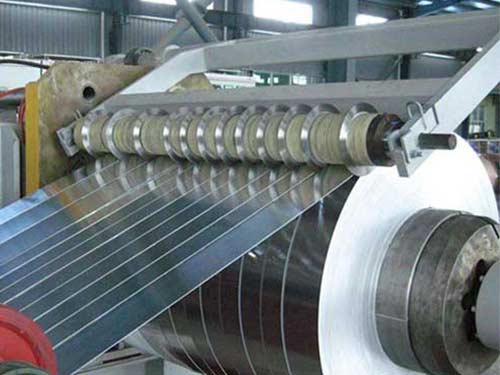
Directly bulk supply aluminium strip alloy provides manufacturers with a lightweight, formable, corrosion-resistant material in coil form for continuous production. Aluminium strip is slit from rolled aluminium sheet into narrow widths, then supplied with controlled thickness, edge quality, coil weight, temper, and surface condition. It supports fast stamping, bending, deep drawing, insulation wrapping, roll forming, and precision fabrication.
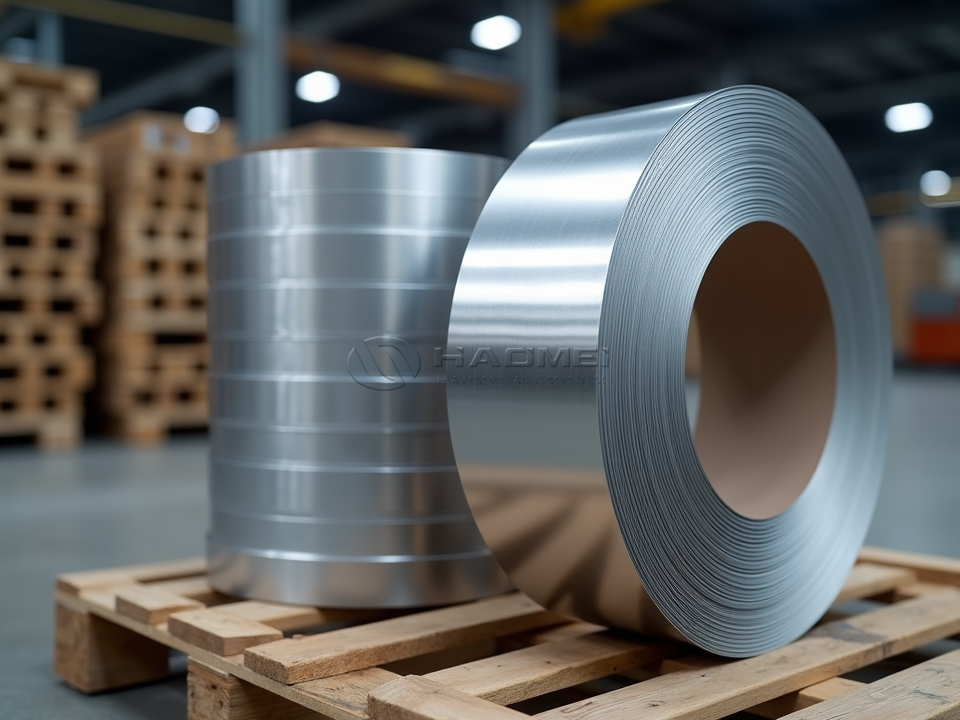
From electrical transformer windings to lamp caps, roofing components, beverage closures, heat exchangers, vehicle panels, and cable shielding, aluminium strip combines processing efficiency with dependable mechanical performance. Bulk coil supply helps reduce material interruptions, improve yield in automated lines, and support consistent finished-part quality.
Functions and Performance Benefits
Aluminium strip alloy performs several practical functions in industrial manufacturing. Its low density, approximately one-third that of steel, helps reduce the weight of fabricated parts while retaining useful strength. The strip can be selected in soft annealed tempers for demanding drawing operations or harder tempers where stiffness and shape retention are needed.
| Function | Aluminium Strip Contribution | Typical Industries |
|---|---|---|
| Electrical conductivity | Carries current efficiently in suitable 1xxx grades | Transformers, busbars, cables |
| Corrosion resistance | Forms a stable oxide film in air and many environments | Construction, packaging, marine equipment |
| Formability | Supports bending, stamping, spinning, drawing, and roll forming | Lamp caps, cookware, closures |
| Weight reduction | Reduces component mass compared with steel alternatives | Automotive, transport, appliances |
| Thermal conductivity | Transfers heat effectively in selected alloys | Heat exchangers, HVAC parts |
| Surface protection | Can be coated, anodized, laminated, or painted | Decorative trim, roofing, insulation |
The best alloy depends on the working environment and manufacturing route. High-purity 1050, 1060, and 1070 materials are widely used when conductivity and softness matter most. Manganese-bearing 3003 and 3004 alloys provide improved strength with reliable forming behavior. Magnesium-containing 5052, 5182, and 5754 grades offer higher corrosion resistance and strength for transport, marine, and structural applications. Heat-treatable 6061 strip is selected for engineering components requiring higher mechanical properties.
For projects requiring balanced strength and workability, Alloy Aluminum Strip can be supplied in tailored widths, tempers, and coil dimensions for production equipment.
Available Alloy Grades and Applications
| Alloy | Main Alloying Element | Common Tempers | Typical Applications |
|---|---|---|---|
| 1050 | Aluminium, minimum 99.5% | O, H14, H18, H24 | Transformer strip, reflectors, chemical equipment |
| 1060 | Aluminium, minimum 99.6% | O, H14, H18, H24 | Electrical conductors, lamp parts, signs |
| 1100 | Aluminium, minimum 99.0% | O, H14, H18, H24 | Deep drawing, packaging, decorative products |
| 3003 | Manganese | O, H14, H16, H18, H24 | Roofing, radiators, cooking utensils, stamping |
| 3004 | Manganese, magnesium | O, H19, H34 | Beverage can stock, building panels |
| 5052 | Magnesium | O, H32, H34, H36 | Marine parts, fuel tanks, cabinets |
| 5182 | Magnesium, manganese | O, H19, H34 | Automotive panels, can ends |
| 5754 | Magnesium | O, H22, H24, H32 | Vehicle bodies, flooring, pressure vessels |
| 6061 | Magnesium, silicon | O, T4, T6 | Structural and machined engineering parts |
| 8011 | Iron, silicon | O, H14, H18, H22 | Closures, packaging, cable wrap |
Chemical Composition Reference
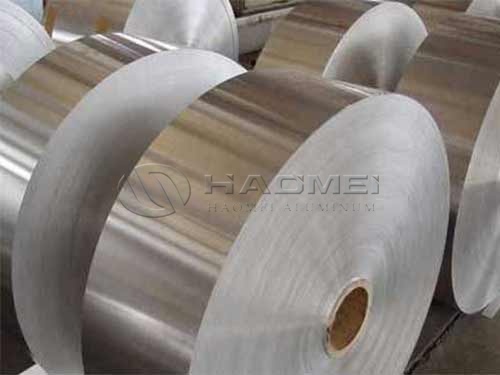
Chemical composition is controlled to meet the applicable alloy specification. Values shown are typical maximum or designated ranges in percent by mass. Exact limits can be confirmed against the requested standard and mill certificate.
| Alloy | Si | Fe | Cu | Mn | Mg | Zn | Ti | Al |
|---|---|---|---|---|---|---|---|---|
| 1050 | 0.25 | 0.40 | 0.05 | 0.05 | 0.05 | 0.05 | 0.03 | Balance, minimum 99.50 |
| 1060 | 0.25 | 0.35 | 0.05 | 0.03 | 0.03 | 0.05 | 0.03 | Balance, minimum 99.60 |
| 1100 | Si + Fe 0.95 | - | 0.05-0.20 | 0.05 | - | 0.10 | - | Balance, minimum 99.00 |
| 3003 | 0.60 | 0.70 | 0.05-0.20 | 1.0-1.5 | - | 0.10 | - | Balance |
| 5052 | 0.25 | 0.40 | 0.10 | 0.10 | 2.2-2.8 | 0.10 | - | Balance |
| 5754 | 0.40 | 0.40 | 0.10 | 0.50 | 2.6-3.6 | 0.20 | 0.15 | Balance |
| 6061 | 0.40-0.80 | 0.70 | 0.15-0.40 | 0.15 | 0.8-1.2 | 0.25 | 0.15 | Balance |
| 8011 | 0.50-0.90 | 0.60-1.0 | 0.10 | 0.20 | 0.05 | 0.10 | 0.08 | Balance |
Temper Conditions and Mechanical Characteristics
Temper identifies the condition created by annealing, strain hardening, or heat treatment. Selecting the correct temper is essential because it affects bend radius, tensile strength, elongation, springback, and tool wear.
| Temper | Condition | Performance Characteristic | Suitable Processing |
|---|---|---|---|
| O | Fully annealed | Maximum ductility, lowest strength | Deep drawing, spinning, complex forming |
| H12 / H14 | Strain hardened, quarter or half hard | Moderate strength and good workability | General stamping, bending, panels |
| H16 / H18 | Strain hardened, three-quarter or full hard | Higher strength and stiffness | Fins, closures, insulation, roll forming |
| H22 / H24 | Strain hardened and partially annealed | Strength with improved formability | Roofing, appliance panels, formed parts |
| H32 / H34 | Stabilized strain-hardened temper | Reliable corrosion resistance and strength | Marine, transport, tanks |
| T4 | Solution heat-treated and naturally aged | Good formability before final aging | Engineering forming operations |
| T6 | Solution heat-treated and artificially aged | High mechanical strength | Structural and precision components |
Typical tensile strength varies by alloy, thickness, and temper. For example, 1050-O commonly offers tensile strength around 60-95 MPa, while 3003-H14 may reach approximately 130-170 MPa. 5052-H32 commonly falls near 190-240 MPa, and 6061-T6 can exceed 260 MPa. Material certificates should be specified when mechanical limits are critical.
Technical Specifications for Bulk Coil Supply
| Parameter | Standard Supply Range | Custom Supply Possibilities |
|---|---|---|
| Thickness | 0.10-6.00 mm | Thinner foil-gauge or heavier strip upon request |
| Width | 10-1,650 mm | Precision slit widths for dedicated tooling |
| Coil inner diameter | 150 mm, 200 mm, 300 mm, 405 mm, 508 mm | Matched to customer decoiler requirements |
| Coil outer diameter | Up to approximately 2,000 mm | Controlled by transport and handling limits |
| Coil weight | 100-8,000 kg | Light coils or jumbo coils available |
| Edge condition | Mill edge, slit edge, deburred edge | Low-burr edge for winding and stamping |
| Surface | Mill finish, bright, brushed, coated, embossed | Protective film, paper interleave, custom finish |
| Flatness | Standard commercial flatness | Enhanced flatness for precision forming |
Implementation Standards and Inspection
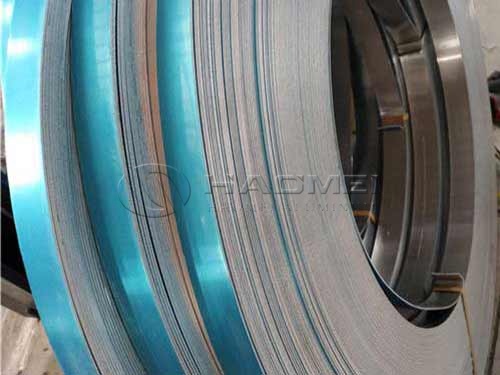
Bulk aluminium strip can be produced in accordance with international standards selected for the destination market and end-use requirement.
| Standard | Scope |
|---|---|
| ASTM B209 | Aluminium and aluminium-alloy sheet and plate, commonly referenced for strip orders |
| EN 485 | Tolerances, mechanical properties, and technical delivery conditions for wrought aluminium products |
| EN 573 | Chemical composition and alloy designation system |
| GB/T 3880 | Chinese standard for aluminium and aluminium alloy plates, sheets, and strips |
| JIS H4000 | Japanese industrial specification for aluminium and aluminium alloy sheet, strip, and plate |
| ISO 6361 | Wrought aluminium and aluminium alloy sheets, strips, and plates |
Quality inspection commonly includes alloy chemistry verification, thickness measurement, width measurement, surface inspection, coil weight confirmation, hardness testing, tensile testing, and edge-burr assessment. For electrical strip, conductivity and resistivity testing may also be requested. For coated or laminated materials, adhesion, coating thickness, and appearance controls can be included.
Ordering Considerations for Reliable Production
A complete bulk order should define alloy, temper, thickness, width, coil inner diameter, maximum coil weight, surface requirement, edge condition, applicable standard, and final application. This information enables accurate slitting, packaging, and inspection planning.
Moisture-resistant export packaging protects aluminium strip coils from condensation, abrasion, and transit damage. Coils may be wrapped with protective paper, plastic film, steel or composite strapping, and reinforced wooden pallets or frames. Clear coil labels support traceability from receiving inspection through finished-product manufacturing.
Directly bulk supply aluminium strip alloy gives buyers a practical route to stable material availability, controlled specifications, and efficient conversion on high-volume production lines. With the proper alloy-temper pairing, aluminium strip delivers dependable performance across electrical, packaging, construction, transportation, and precision metal-forming operations.