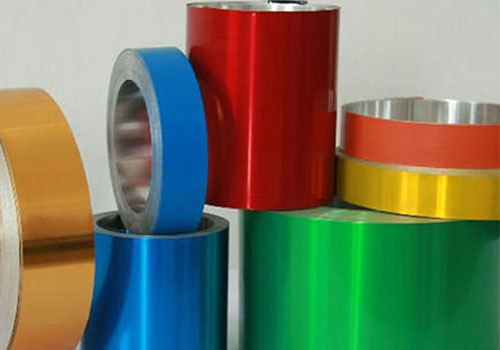
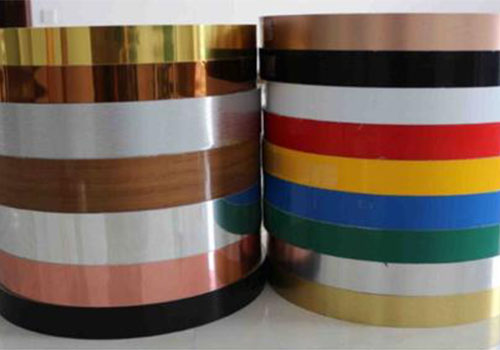
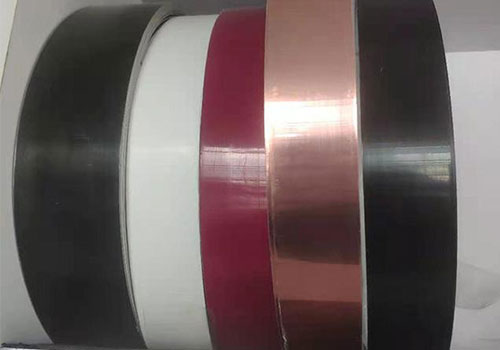
Customization PPGL Color Coated Aluminum Strip Sheet
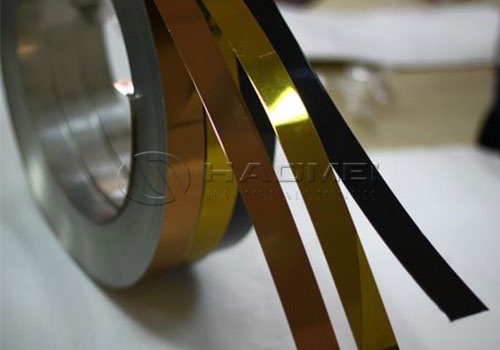
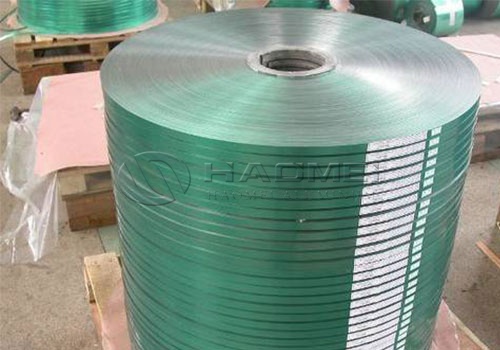
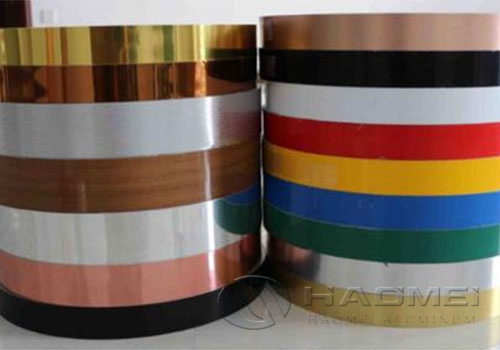
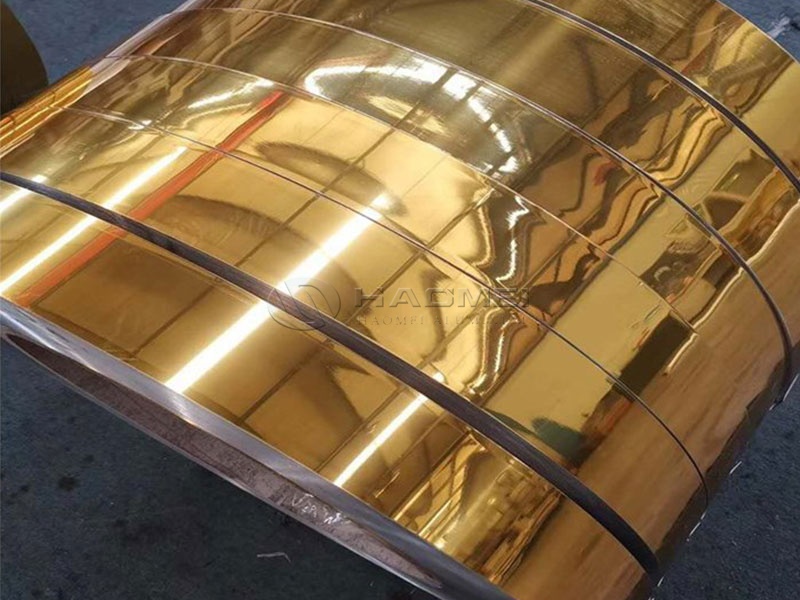
Customization PPGL color coated aluminum strip sheet is best understood as a performance-designed material rather than simply colored metal. The color is only the visible layer. Under it are carefully matched substrate, pretreatment, primer, topcoat, thickness, width, temper, and coil-processing requirements. When these layers are specified correctly, the strip becomes a practical solution for roofing trims, shutters, gutters, ceiling systems, appliance parts, signage, insulated panels, and decorative profiles.
A technical point deserves attention: PPGL commonly means pre-painted galvalume steel, whose metallic coating is based on aluminum-zinc alloy. In some commercial conversations, the term is also used loosely for pre-painted aluminum products. For a true aluminum strip sheet, the purchase specification should clearly state the aluminum alloy substrate, such as 3003, 3105, 3004, 5052, or 1060. This distinction affects weight, corrosion behavior, bendability, magnetic response, and applicable implementation standards.
More Than a Colored Surface
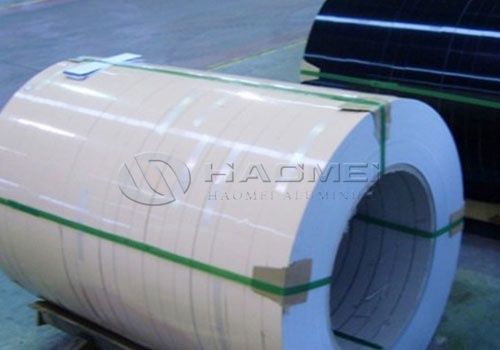
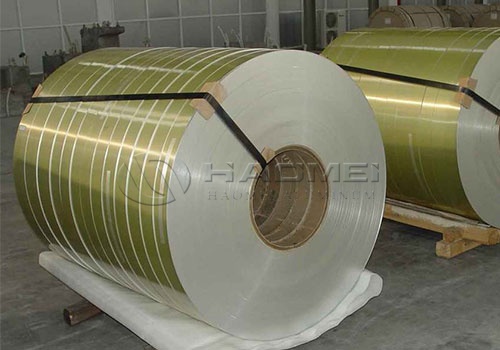
Color coated aluminum strip begins with a clean aluminum coil. The metal receives chemical conversion treatment to improve coating adhesion and corrosion resistance, followed by primer and finish coats that are baked in a continuous coil-coating line. This method creates a more even finish than post-painting fabricated parts and supports high-volume roll forming, slitting, stamping, and bending.
The function of the coating system is not limited to decoration. It serves as a thin protective architecture. The pretreatment anchors the coating to the aluminum, the primer supports adhesion and moisture resistance, and the topcoat provides color, gloss, stain resistance, and weatherability. A backside coat may also be added where insulation, adhesive bonding, or internal corrosion protection is needed.
For indoor products, polyester or PE paint is often a balanced option because it offers attractive color and economical processing. See PE Coated Aluminum Strip for applications requiring flexible surface protection in interior trims, ceilings, appliance components, and light-duty architectural profiles. For exterior facades, coastal installations, or high-UV zones, PVDF finishes provide stronger color retention and chalking resistance. In those conditions, PVDF Coated Aluminum Strip is commonly selected for longer service exposure.
Custom Parameters That Shape Performance
A customized order should define the product by its final forming and environmental demands. Width and temper matter as much as paint color. A narrow, soft strip for edge trim behaves very differently from a wider, harder strip for roll-formed cladding.
| Parameter | Common Custom Range | Selection Purpose |
|---|---|---|
| Base metal thickness | 0.20-3.00 mm | Controls stiffness, forming response, and service strength |
| Strip width | 20-1,600 mm | Matched to slitting, stamping, or roll-forming equipment |
| Coil weight | 1-8 tonnes | Adapted to line capacity and handling equipment |
| Paint thickness | 15-35 μm, customizable | Determines appearance and environmental protection |
| Back coating | 5-15 μm | Supports internal protection or bonding requirements |
| Gloss | 10-90 GU | Produces matte, satin, or high-gloss visual effects |
| Color | RAL, Pantone, customer sample | Aligns with architectural or brand design |
| Surface film | PE protective film optional | Reduces scratches during fabrication and transport |
The paint thickness should be evaluated with the bending radius. Thick coatings provide stronger barrier protection, but an overly rigid coating may crack if the strip is sharply folded. For deep drawing or narrow-radius bending, a flexible paint formulation and suitable substrate temper should be selected together.
Alloy and Temper Selection
The aluminum alloy determines what the painted strip can do after it leaves the coil line. Non-heat-treatable 3xxx series alloys are widely used because they combine corrosion resistance, formability, and moderate strength. The 5xxx series is more suitable where higher strength or marine exposure is expected. Pure aluminum grades offer excellent corrosion resistance and conductivity but lower mechanical strength.
| Alloy | Typical Temper Options | Practical Characteristics | Typical Uses |
|---|---|---|---|
| 1060 | O, H14, H24 | High aluminum content, soft forming, good conductivity | Reflective trim, insulation jacketing, light decorative parts |
| 3003 | H14, H16, H24 | Good workability and corrosion resistance | Roofing accessories, gutters, ceiling panels |
| 3004 | H24, H26 | Higher strength than 3003, stable forming | Shutters, panel profiles, appliance shells |
| 3105 | H14, H16, H24 | Common painted-coil substrate, balanced performance | Siding, fascia, rainwater systems |
| 5052 | H32, H34 | Higher strength and strong marine corrosion resistance | Transport panels, coastal trims, industrial covers |
Temper is the material's controlled hardness condition. O temper is soft and suited to demanding forming. H14 and H24 offer a useful middle ground between rigidity and bendability. H32 and H34 are stronger choices for 5052 alloy, but forming tools must be set to avoid surface marking or paint stress.
Typical Chemical Composition of Aluminum Substrates
The chemical composition confirms whether the strip has the intended corrosion resistance and mechanical profile. Values shown are typical maximum limits or nominal ranges in percent by mass; final requirements should follow the selected alloy standard and mill certificate.
| Alloy | Si | Fe | Cu | Mn | Mg | Zn | Al |
|---|---|---|---|---|---|---|---|
| 1060 | 0.25 | 0.35 | 0.05 | 0.03 | 0.03 | 0.05 | 99.60 min |
| 3003 | 0.60 | 0.70 | 0.05-0.20 | 1.0-1.5 | - | 0.10 | Balance |
| 3004 | 0.30 | 0.70 | 0.25 | 1.0-1.5 | 0.8-1.3 | 0.25 | Balance |
| 3105 | 0.60 | 0.70 | 0.30 | 0.30-0.80 | 0.20-0.80 | 0.40 | Balance |
| 5052 | 0.25 | 0.40 | 0.10 | 0.10 | 2.2-2.8 | 0.10 | Balance |
Standards and Inspection Conditions
For genuine color coated aluminum strip sheet, implementation standards may include ASTM B209 for aluminum sheet and strip, EN 485 for tolerances and mechanical properties, and EN 573 for aluminum alloy chemical composition. Coil coating quality can be assessed using EN 13523 test methods, covering gloss, color difference, coating thickness, flexibility, impact resistance, solvent resistance, and corrosion performance.
If the project specifically requires PPGL steel rather than aluminum, ASTM A792/A792M and EN 10346 are more relevant substrate standards. Confirming this point before production avoids a costly mismatch between design expectations and delivered material.
Inspection commonly includes coil width and thickness measurement, paint thickness testing, color comparison under controlled light, T-bend testing, pencil hardness, adhesion checks, impact testing, and salt-spray testing when specified. Exterior materials may also require accelerated weathering criteria and protective-film confirmation.
Applications Designed Around Fabrication
Color coated aluminum strip is especially effective where a part must be lightweight, visually consistent, and ready for fabrication without a secondary painting operation. Roll-forming plants use it for fascia, gutters, downspouts, roofing edges, and cladding trims. Ceiling systems use painted aluminum for clean, low-maintenance surfaces. Appliance and furniture producers use narrow strips for decorative bands, cabinet edges, and panel details. Sign makers value the material for stable color, clean cutting, and low weight.
The most reliable customization process starts with the end use: exposure environment, required bend radius, finished profile, color target, coil dimensions, and coating system. When these elements are aligned, customization PPGL color coated aluminum strip sheet becomes a controlled material system that protects the metal, improves production efficiency, and gives finished products a durable visual identity.