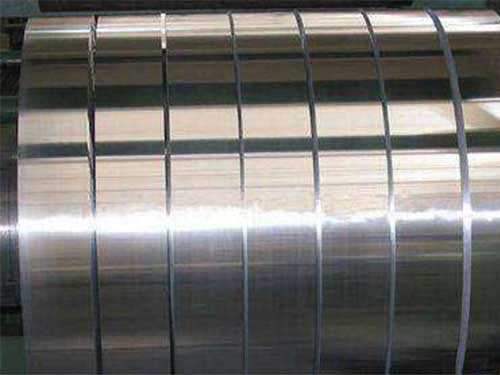
Custom Brushed Round Aluminum Strip
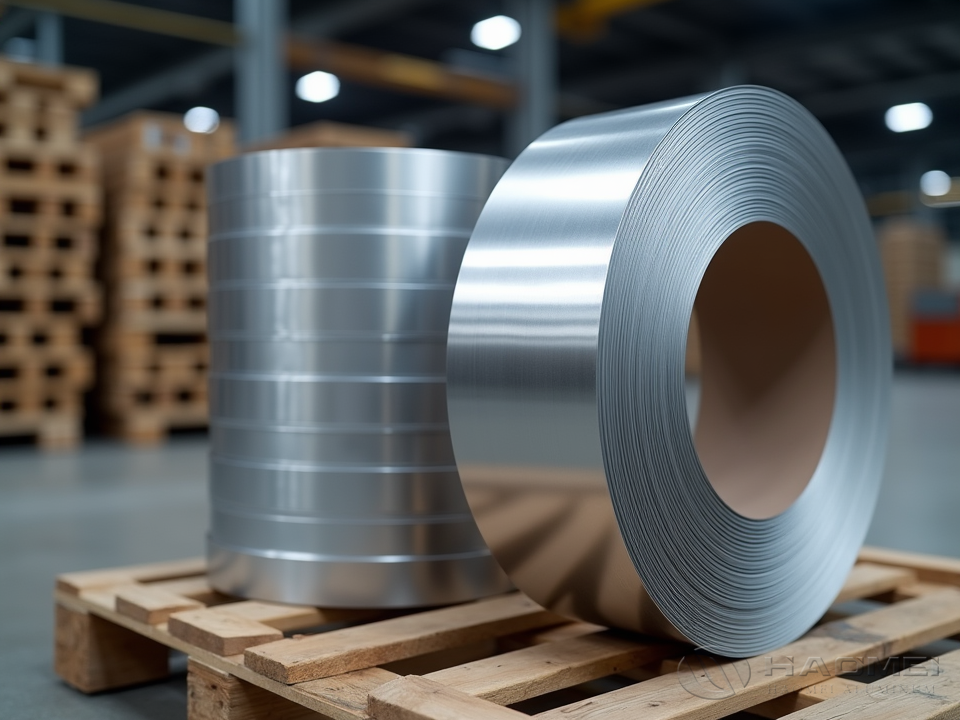
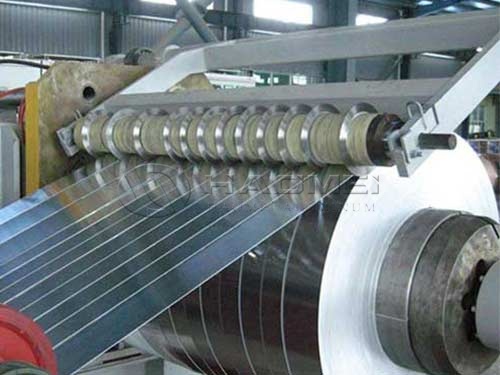
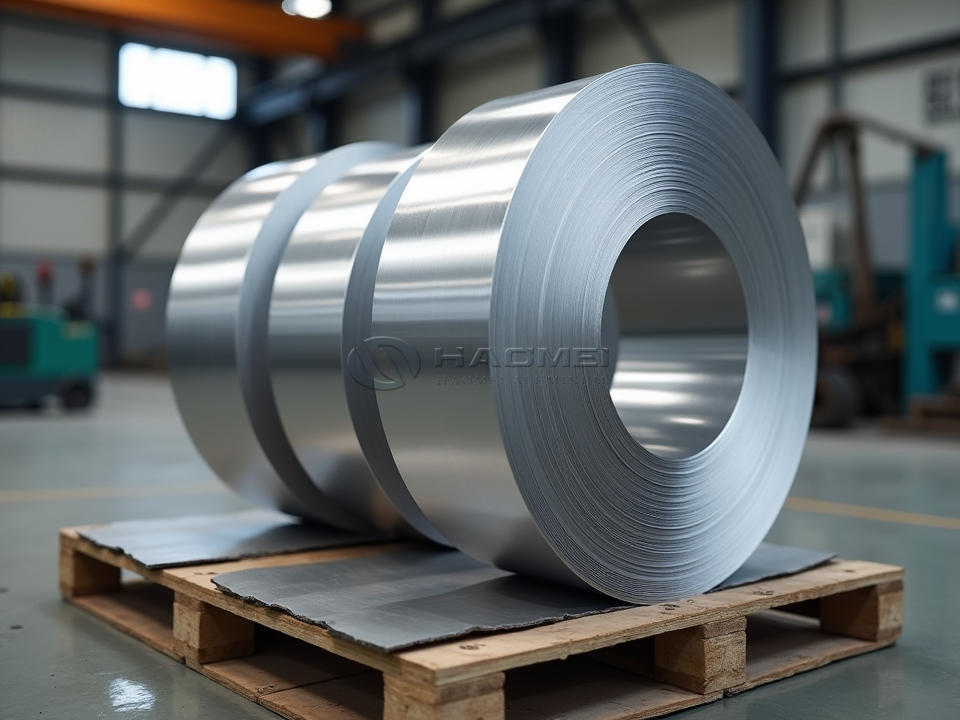
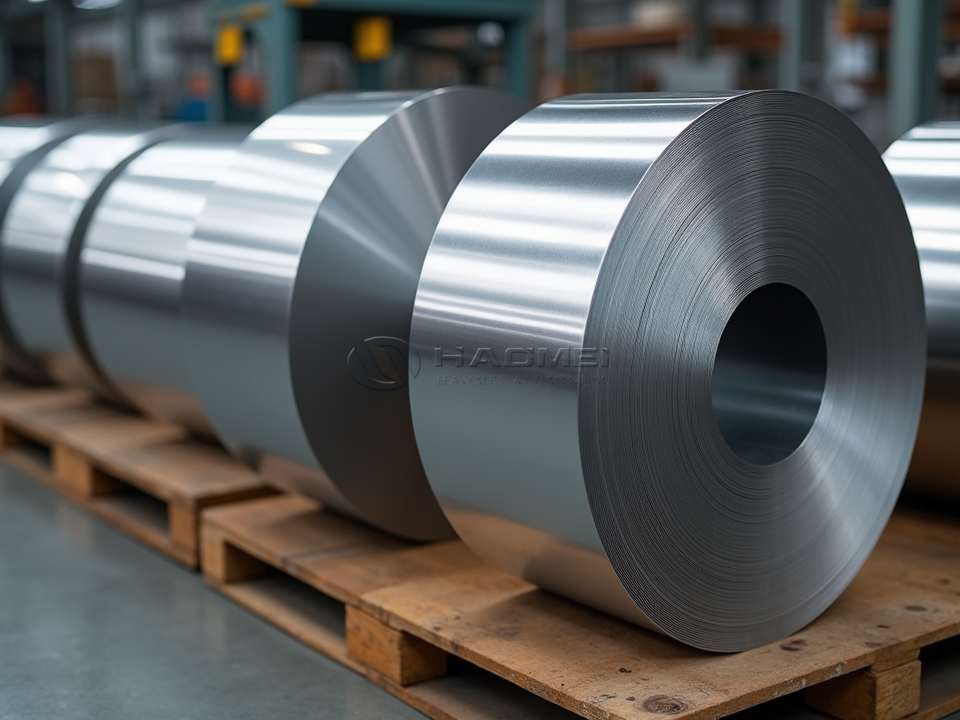
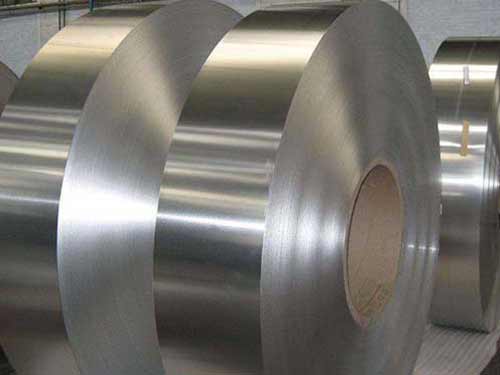
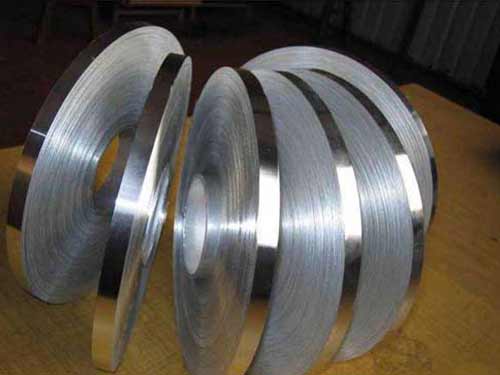
Custom brushed round aluminum strip is best understood as a material that sits between engineering precision and visual design. It is not only a narrow aluminum coil with a satin directional grain; it is also shaped, slit, edge-treated, and tempered so it can move smoothly through stamping dies, rolling tools, bending lines, trim assemblies, lighting housings, signage frames, appliance parts, and decorative channels.
The word round can refer to several customer requirements. It may describe a strip used to form circular parts, a coil with controlled roundness and stable winding, or a strip with rounded edges to reduce scratching, cutting risk, and coating failure. In many purchasing drawings, all three meanings matter at the same time: the strip must look refined, coil correctly, and perform safely during fabrication.
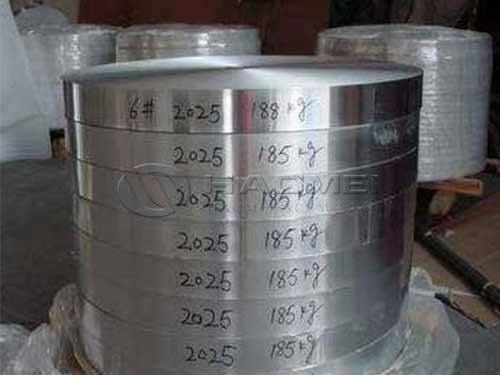
Why the brushed surface changes the way the strip is specified
A plain aluminum strip is usually judged first by alloy, thickness, width, and mechanical performance. A brushed round aluminum strip adds another layer: surface direction. The brushing line becomes part of the product. If the grain is too coarse, the part looks industrial. If it is too fine, fingerprints and small dents become more visible. If brushing is uneven from coil to coil, assembled panels can show color variation under shop lighting.
For this reason, surface control is often written into the purchase specification together with alloy and temper. Common brushing options include straight hairline brushing, short-grain satin brushing, Scotch-Brite style matte finishing, and brushed plus anodized finishing. Protective film can be applied after brushing to preserve the grain during slitting, packing, transport, and installation.
For decorative trim, lighting parts, and electronic housings, commercially pure alloys such as 1050 / 1060 Aluminum Strip are often selected because they offer excellent formability, bright appearance, and stable surface response. For parts exposed to moisture, vibration, or outdoor service, 5052 Aluminum Strip provides higher strength and better corrosion resistance.
Typical custom parameters
| Item | Common Custom Range | Practical Notes |
|---|---|---|
| Thickness | 0.15 mm to 6.00 mm | Thin gauges suit caps, labels, and flexible trim; thicker gauges suit structural decoration and channels |
| Width | 5 mm to 1600 mm | Narrow strip can be slit for edging, lamp caps, spacers, and round trim rings |
| Coil inner diameter | 150 mm, 300 mm, 405 mm, 508 mm | Selected according to decoiler, press, or forming line |
| Coil outer diameter | Usually up to 1200 mm | Depends on strip thickness, winding tension, and logistics limits |
| Edge condition | Slit edge, deburred edge, rounded edge | Rounded edges help protect coatings and reduce handling damage |
| Brushed grain | Fine, medium, coarse, hairline | Grain direction should match final visible surface orientation |
| Surface protection | Paper interleaving, PE film, PVC film | Film adhesion must match later bending or stamping requirements |
| Flatness | Controlled by tension leveling | Important for panels, channels, and visible decorative strips |
| Width tolerance | Commonly ±0.05 mm to ±0.50 mm | Tighter tolerance depends on gauge and slit width |
| Thickness tolerance | Per ASTM, EN, or customer drawing | Precision orders may require tighter mill control |
Alloy and temper selection
Temper is the hidden behavior of the strip. Two coils may have the same alloy and brushed finish, yet bend very differently because the temper is different. Soft temper improves deep drawing and round forming. Harder temper improves stiffness, springback control, and dent resistance.
| Alloy | Common Tempers | Main Benefit | Typical Uses |
|---|---|---|---|
| 1050 | O, H12, H14, H18 | High purity, excellent workability | Decorative strips, nameplates, soft formed parts |
| 1060 | O, H12, H14, H16, H18 | Clean surface, strong conductivity | Lighting, electrical parts, trim rings |
| 1100 | O, H14, H16, H18 | Good corrosion resistance and forming | Kitchenware, labels, decorative edging |
| 3003 | O, H14, H24 | Better strength than pure aluminum | Appliance trim, covers, channels, general forming |
| 3004 | O, H16, H18, H24 | Strength plus formability | Lamp parts, rolled shapes, decorative housings |
| 5005 | H14, H24, H32, H34 | Excellent anodizing appearance | Architectural decoration, panels, strips |
| 5052 | O, H32, H34, H36 | High corrosion resistance | Outdoor trim, marine-adjacent parts, durable edging |
| 8011 | O, H14, H18 | Good barrier and forming properties | Packaging-related strip, caps, closures |
O temper is suitable when the strip must be drawn, spun, or tightly rolled into round parts. H14 and H24 are balanced choices for bending and decorative stiffness. H18 and H36 are chosen when rigidity is more important than severe forming. For brushed material, the temper also affects surface stability: softer coils can mark more easily, while harder coils may show micro-cracks if bent too sharply.
Implementation standards and inspection references
Custom brushed round aluminum strip is commonly produced and inspected according to international standards, customer drawings, or both. ASTM B209/B209M is widely used for aluminum and aluminum-alloy sheet and plate requirements. EN 485 covers sheet, strip, and plate tolerances and technical conditions. EN 573 defines alloy chemical composition, while EN 515 covers temper designations. GB/T 3880 is frequently used for aluminum and aluminum alloy plates, sheets, and strips in many procurement projects.
For surface treatment, anodized or chemically finished brushed strip may also refer to ISO 7599 or customer-specific appearance boards. In visual products, a signed sample is often more practical than text alone. A small approved sample can define grain density, gloss, color tone, edge feel, film type, and acceptable minor marks.
Chemical properties table
The chemical composition determines corrosion behavior, anodizing response, strength potential, and forming stability. Values shown are typical standard limits by percentage, with aluminum as the balance unless otherwise noted.
| Alloy | Si | Fe | Cu | Mn | Mg | Cr | Zn | Ti | Al |
|---|---|---|---|---|---|---|---|---|---|
| 1050 | ≤0.25 | ≤0.40 | ≤0.05 | ≤0.05 | ≤0.05 | - | ≤0.05 | ≤0.03 | ≥99.50 |
| 1060 | ≤0.25 | ≤0.35 | ≤0.05 | ≤0.03 | ≤0.03 | - | ≤0.05 | ≤0.03 | ≥99.60 |
| 1100 | Si+Fe ≤0.95 | Si+Fe ≤0.95 | 0.05-0.20 | ≤0.05 | - | - | ≤0.10 | - | ≥99.00 |
| 3003 | ≤0.60 | ≤0.70 | 0.05-0.20 | 1.00-1.50 | - | - | ≤0.10 | - | Balance |
| 5005 | ≤0.30 | ≤0.70 | ≤0.20 | ≤0.20 | 0.50-1.10 | ≤0.10 | ≤0.25 | - | Balance |
| 5052 | ≤0.25 | ≤0.40 | ≤0.10 | ≤0.10 | 2.20-2.80 | 0.15-0.35 | ≤0.10 | - | Balance |
| 8011 | 0.50-0.90 | 0.60-1.00 | ≤0.10 | ≤0.20 | ≤0.05 | ≤0.10 | ≤0.10 | ≤0.08 | Balance |
Brushing, edge rounding, and round forming in real production
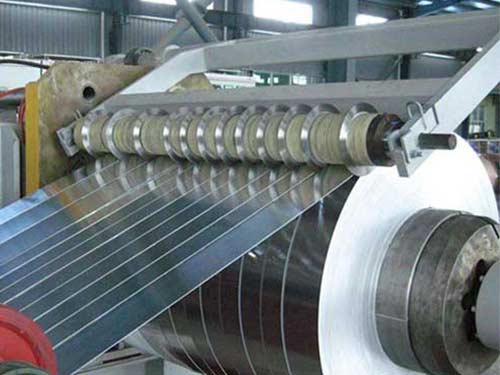
The brushed surface is usually created after rolling and before final protection. The strip passes through abrasive belts or brushing wheels under controlled pressure. Grain depth depends on abrasive grade, belt speed, lubrication, and feed rate. If the strip will later be anodized, the brushing pattern must be consistent because anodizing can amplify surface differences rather than hide them.
Edge rounding is a separate operation. Slitting leaves edges that may be sharp or slightly burred. For premium decorative strip, the edge can be mechanically deburred, chamfered, or rounded. This small detail matters in round trim rings and curved channels because sharp edges may crack coatings, scratch adjacent parts, or create unsafe handling conditions.
Round forming demands attention to minimum bend radius. Pure aluminum in soft temper can accept tight curves, while harder 5xxx alloy strip needs a larger radius to prevent surface whitening or edge cracking. For visible brushed material, test forming is recommended before mass production because the grain direction can influence how light reflects around a curve.
Ordering details that prevent delays
A clear order should include alloy, temper, thickness, width, coil ID, coil weight, edge condition, brushing style, grain direction, film requirement, tolerance class, standard reference, and packing method. If the strip will be stamped, the drawing should also state burr direction. If it will be rolled into circular components, the inside diameter, bend radius, and visible side should be defined.
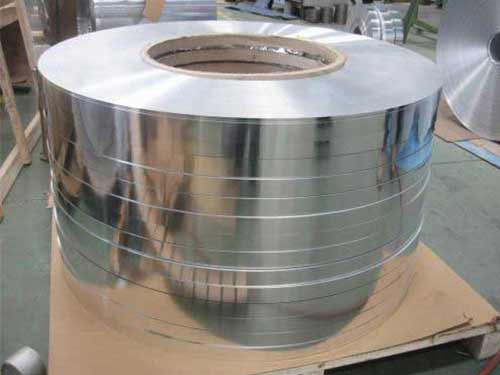
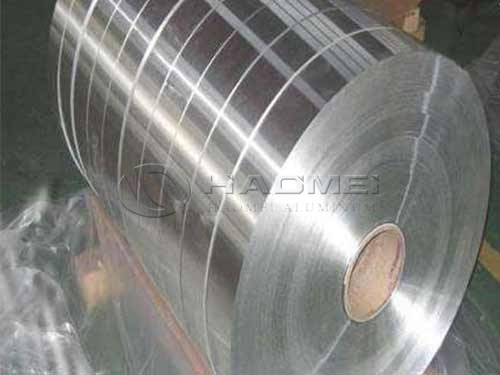
Packaging should protect both geometry and appearance. Export coils are commonly wrapped with moisture-proof paper, plastic film, edge protectors, and wooden pallets or cases. For fine brushed surfaces, interleaving paper or high-quality protective film reduces abrasion between coil layers.
A practical material choice for visible precision
Custom brushed round aluminum strip succeeds when appearance and mechanics are treated as one specification. Alloy gives the strip its corrosion resistance and forming character. Temper controls the way it bends. Brushing creates the visual language. Edge rounding protects the part during handling and service. When these details are aligned, the result is a clean, stable, easy-to-process strip that can move from coil to finished product with fewer surprises.