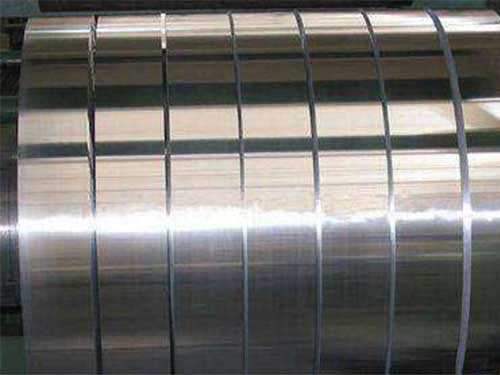
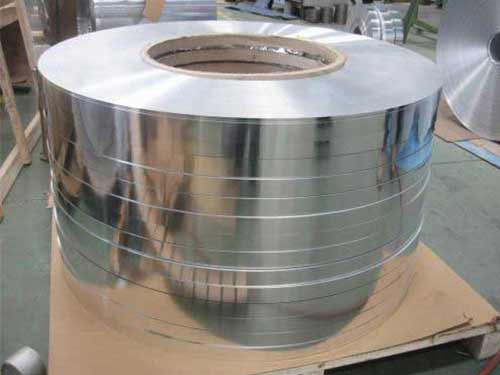
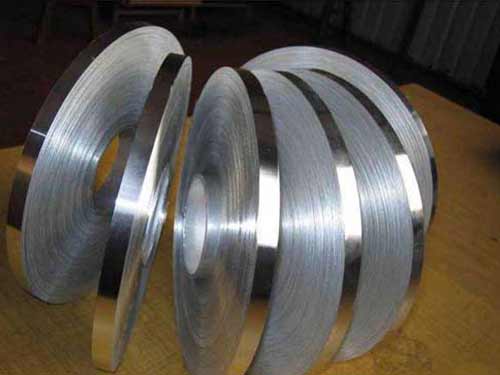
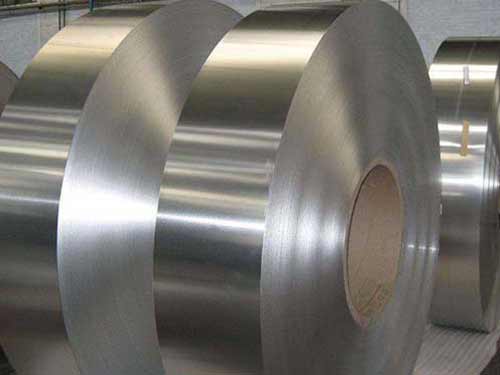
Aluminium Strip 3003
Aluminium Strip 3003 is a widely used non-heat-treatable aluminum-manganese alloy supplied in slit coils or cut lengths. It combines better strength than commercially pure aluminum with excellent resistance to atmospheric corrosion, stable forming behavior, and an attractive mill or painted surface. For manufacturers seeking a practical material for bending, stamping, roll forming, drawing, and general fabrication, 3003 provides a balanced solution.
The alloy is strengthened primarily by manganese. It cannot be significantly hardened through heat treatment, but its mechanical properties can be adjusted through cold rolling and temper selection. This makes Aluminium Strip 3003 suitable for high-volume components where repeatable processing, reliable coil quality, and economical material use are important.
Material Characteristics
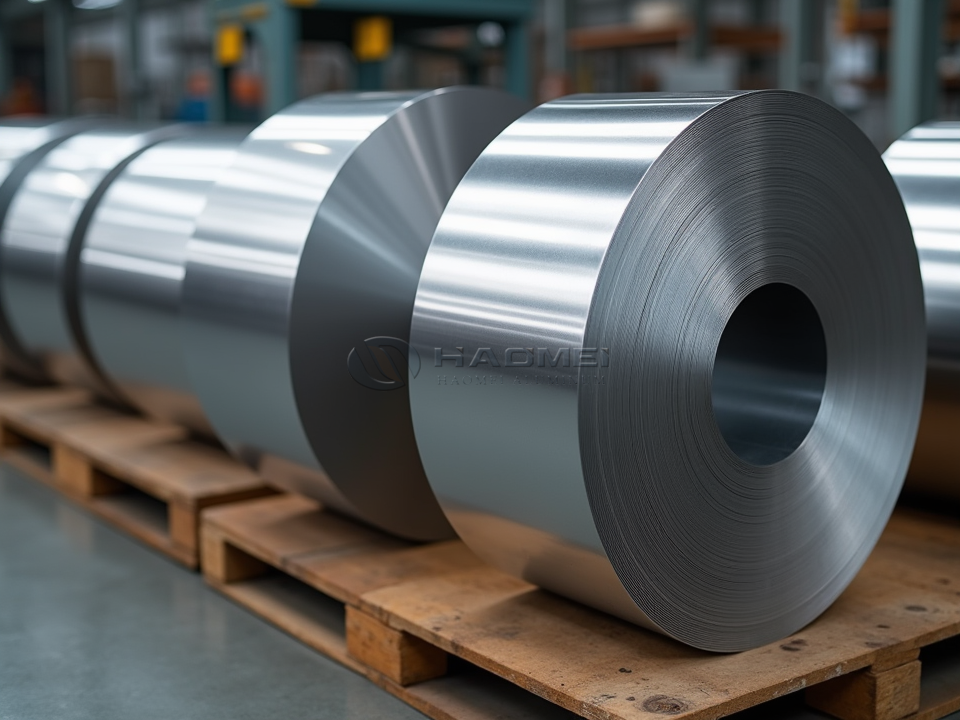
3003 belongs to the 3xxx aluminum alloy family. Its manganese content improves strength over 1050 and 1060 grades while preserving good ductility. It performs particularly well in ordinary industrial and outdoor environments, including humid air, rain exposure, and many mildly corrosive service conditions.
| Property | Performance of Aluminium Strip 3003 | Customer Value |
|---|---|---|
| Alloy family | Aluminum-manganese, 3xxx series | Better strength than pure aluminum grades |
| Heat treatment response | Non-heat-treatable | Properties controlled through temper selection |
| Corrosion resistance | Very good | Long service life in atmospheric environments |
| Formability | Excellent in O and H14 tempers | Suitable for bending, drawing, and stamping |
| Weldability | Good | Compatible with common aluminum welding methods |
| Thermal conductivity | Good | Useful for heat-transfer and enclosure applications |
| Electrical conductivity | Moderate | Not generally selected for high-conductivity conductors |
| Surface finish | Mill finish, brushed, coated, or treated | Flexible appearance and downstream finishing options |
Compared with 1050 / 1060 Aluminum Strip, 3003 provides higher mechanical strength and improved resistance to certain service conditions. Compared with higher-magnesium alloys, it offers easier forming for many moderate-strength applications.
Chemical Composition
The composition of 3003 aluminum strip is controlled to maintain a consistent combination of strength, workability, and corrosion performance. Values are commonly supplied in accordance with ASTM B209, EN 573, or equivalent customer specifications.
| Element | Typical Specification, wt.% | Function in the Alloy |
|---|---|---|
| Aluminum, Al | Balance | Provides low density and natural corrosion resistance |
| Manganese, Mn | 1.0-1.5 | Main strengthening element; improves durability |
| Copper, Cu | 0.05-0.20 | Supports strength development within specified limits |
| Iron, Fe | 0.0-0.7 | Controlled impurity element |
| Silicon, Si | 0.0-0.6 | Controlled impurity element |
| Zinc, Zn | 0.0-0.10 | Limited to maintain alloy consistency |
| Other elements, each | 0.05 max. | Restricted by applicable standards |
| Other elements, total | 0.15 max. | Restricted by applicable standards |
Mechanical Properties by Temper
Temper determines how much cold work is applied after annealing. Soft tempers favor deep drawing and complex shaping, while harder tempers provide greater resistance to denting and deformation.
| Temper | Tensile Strength, MPa | Yield Strength, MPa | Elongation, % | Typical Use |
|---|---|---|---|---|
| O | 95-130 | 35 min. | 25 min. | Deep drawing, spinning, complex forming |
| H12 | 110-145 | 75 min. | 12 min. | Light forming and general fabrication |
| H14 | 120-155 | 95 min. | 8 min. | Roofing, cladding, stamped parts |
| H16 | 145-185 | 130 min. | 5 min. | Stiffer formed profiles and panels |
| H18 | 170-210 | 160 min. | 3 min. | Applications requiring higher hardness |
Mechanical values are indicative and vary with thickness, governing standard, production route, and test direction.
Technical Supply Range
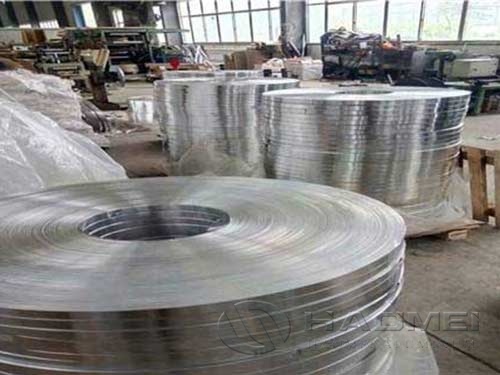
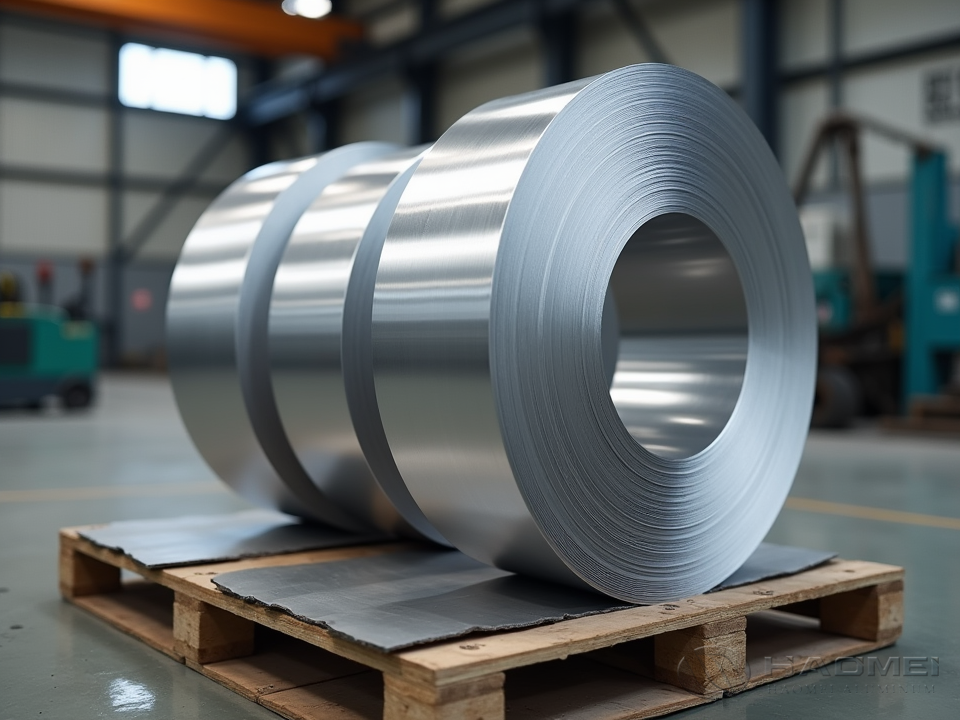
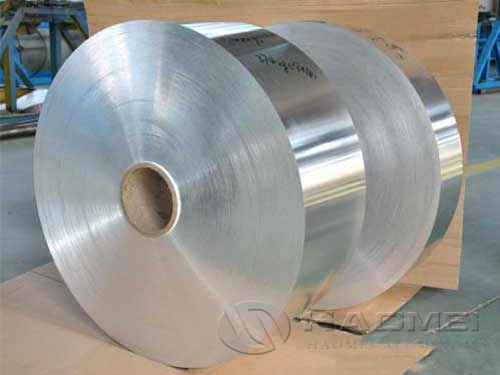
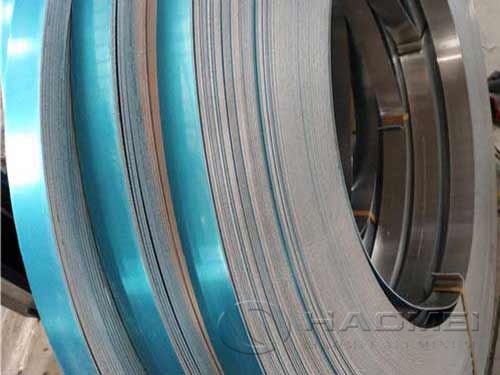
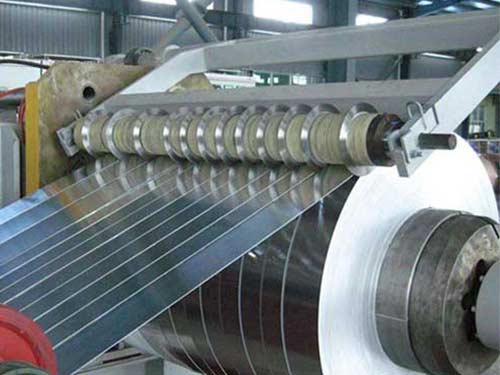
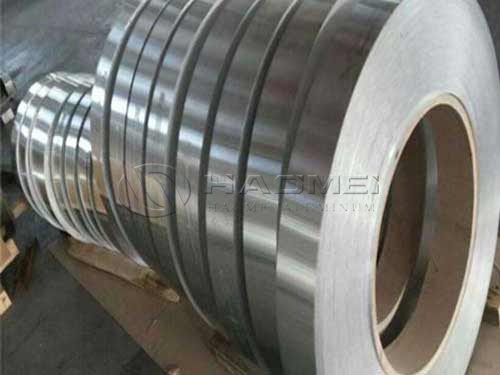
Aluminium Strip 3003 is typically produced from hot-rolled or cast-rolled coil, then cold rolled, annealed where required, leveled, slit, and packaged for safe transport. Narrow widths can be supplied for automated stamping lines, fin production, roll-forming equipment, and coil-fed fabrication.
| Parameter | Common Supply Range | Available Options |
|---|---|---|
| Thickness | 0.20-6.00 mm | Tighter gauge tolerances by agreement |
| Strip width | 10-1,600 mm | Precision slit widths available |
| Coil inner diameter | 150 mm, 300 mm, 400 mm, 500 mm | Matched to customer decoilers |
| Coil outer diameter | Up to approximately 2,000 mm | Controlled by weight and handling limits |
| Coil weight | 0.5-10 metric tons | Small coils or jumbo coils available |
| Temper | O, H12, H14, H16, H18 | Custom hardness targets available |
| Surface | Mill finish | Oiled, dry, coated, brushed, or treated |
| Edge condition | Slit edge or deburred edge | Burr control for sensitive forming operations |
Applications Across Industry
The blend of moderate strength and ready formability allows Aluminium Strip 3003 to serve many sectors. In building products, it is used for roofing accessories, gutters, flashing, fascia, siding components, insulation jacketing, and decorative trim. Its natural oxide layer helps protect the base metal in normal outdoor exposure.
HVAC and refrigeration manufacturers use 3003 strip for heat-exchanger fins, evaporator components, condensate pans, duct accessories, and appliance panels. The alloy's thermal performance and formability support thin-gauge designs with efficient production rates.
Packaging and consumer-product producers use it for caps, closures, canister parts, cookware elements, lamp components, nameplates, and stamped housings. In transportation and industrial equipment, it can be formed into non-structural panels, brackets, shields, tanks, covers, and protective housings.
For projects requiring higher strength and better resistance in marine or chemically demanding environments, 5052 Aluminum Strip may be a more suitable alternative. Material selection should consider forming severity, exposure conditions, required strength, and joining method.
Processing Advantages
3003 strip responds well to conventional fabrication operations. O temper is preferred when deep drawing, severe bending, or spinning is required. H14 is commonly selected for parts that need a useful balance between rigidity and formability. Proper bend radius, tooling clearance, lubrication, and burr direction help maintain clean edges and minimize surface marking.
| Fabrication Method | Suitability | Practical Consideration |
|---|---|---|
| Slitting | Excellent | Specify edge burr limits for automated processing |
| Stamping | Excellent | Choose temper according to draw depth and part geometry |
| Roll forming | Very good | H14 and H16 offer useful profile stiffness |
| Bending | Very good | Use appropriate inside radius for harder tempers |
| Deep drawing | Excellent in O temper | Lubrication and draw-bead control improve results |
| Welding | Good | Clean surfaces before welding; select compatible filler |
| Painting and coating | Excellent | Pretreatment improves coating adhesion |
Value for Buyers and Fabricators
Aluminium Strip 3003 helps reduce component weight while retaining sufficient stiffness for many non-structural applications. Its corrosion resistance can reduce maintenance needs, and its favorable forming response supports efficient presswork with less cracking risk than harder alloy families. The material is also recyclable without loss of fundamental metal value, supporting circular manufacturing targets.
For dependable purchasing, specify alloy designation, temper, thickness tolerance, width tolerance, coil ID, maximum coil weight, surface condition, edge requirement, and applicable standard. When the final part has a demanding cosmetic surface or deep-drawing geometry, production trials are recommended before full-volume release.
Aluminium Strip 3003 remains a practical choice where corrosion resistance, economical strength, consistent forming, and flexible supply dimensions must work together. From narrow stamped parts to wide architectural coil, it provides dependable performance across a broad range of fabricated products.