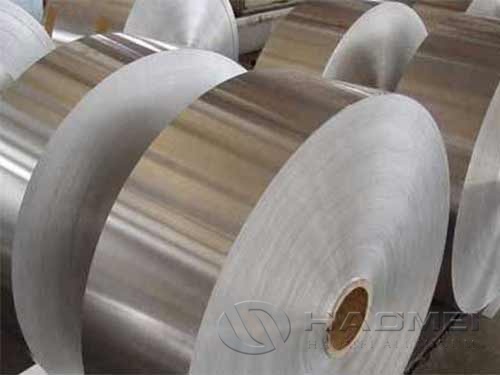
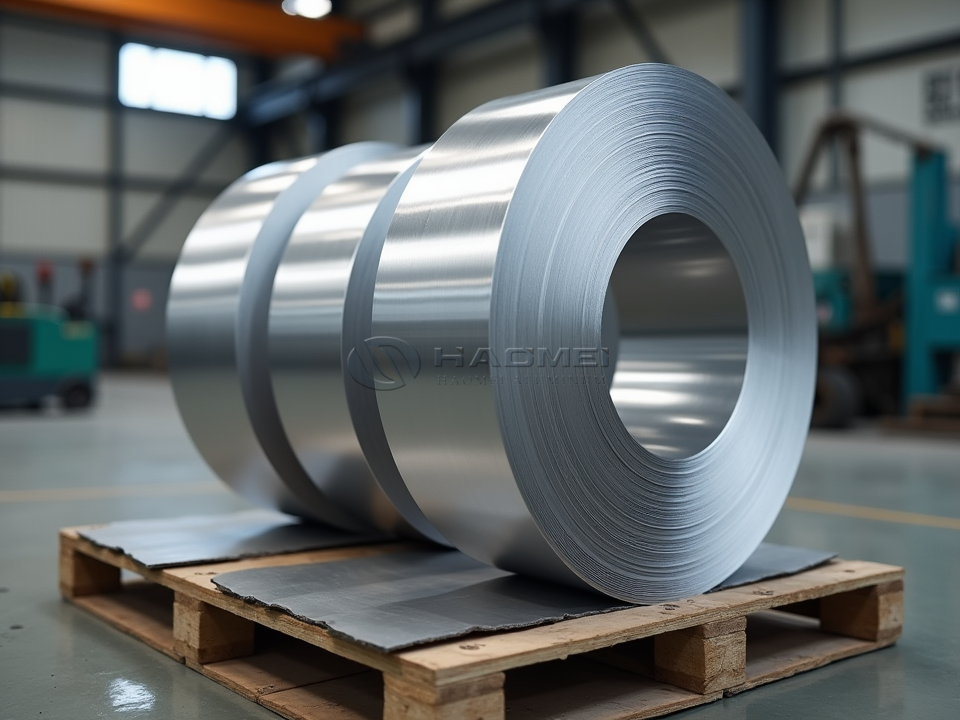
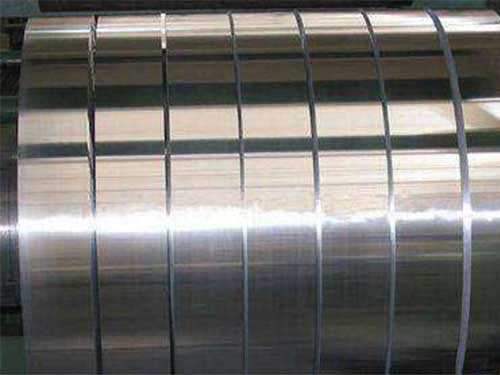
5052 H32 Aluminum Strip Anodized Aluminum
5052 H32 aluminum strip is a magnesium-alloyed, non-heat-treatable material valued for its corrosion resistance, medium strength, smooth surface quality, and dependable forming performance. When anodized, it develops a controlled aluminum oxide layer that improves surface hardness, weather resistance, appearance, and long-term protection.
This material is widely selected when a lightweight strip must withstand humidity, salt spray, industrial atmospheres, or repeated handling. It is suited to decorative trim, marine fittings, equipment panels, transportation components, appliance parts, enclosures, signage, and architectural details.
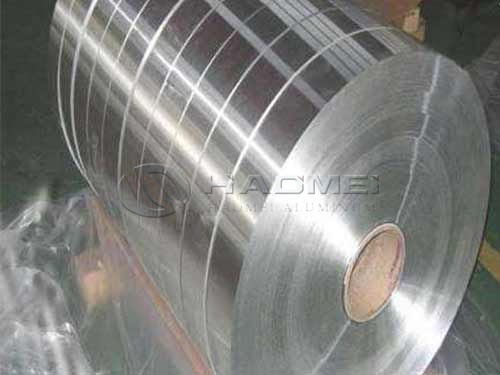
Material Characteristics
The H32 temper indicates that the strip has been strain hardened and then stabilized to obtain a practical balance between strength and formability. Compared with fully hard tempers, H32 material is easier to bend, stamp, roll form, and shape without excessive risk of cracking at reasonable bend radii.
The 5052 alloy contains magnesium as its primary alloying element, supported by chromium. This composition produces better corrosion resistance than many common aluminum strip alloys, particularly in wet and mildly salty environments. Unlike heat-treatable 6xxx alloys, 5052 gains strength mainly through cold working rather than solution heat treatment and artificial aging.
| Property | 5052 H32 Aluminum Strip Performance |
|---|---|
| Alloy family | 5xxx aluminum-magnesium alloy |
| Temper | H32, strain hardened and stabilized |
| Density | 2.68 g/cm³ |
| Melting range | Approximately 607-649°C |
| Electrical conductivity | Approximately 35% IACS |
| Thermal conductivity | Approximately 138 W/m·K |
| Corrosion resistance | Excellent in marine and industrial environments |
| Weldability | Excellent by MIG and TIG welding |
| Machinability | Fair |
| Anodizing response | Good, suitable for clear and colored finishes |
For projects requiring reliable coil processing, 5052 Aluminum Strip can be supplied in slit widths and surface conditions matched to forming, stamping, and finishing requirements.
Chemical Composition
Chemical composition is controlled to recognized aluminum alloy standards. Magnesium provides strength and corrosion resistance, while chromium helps maintain grain structure and improves resistance to stress-corrosion effects. Iron and silicon are kept within controlled limits to support stable processing and surface quality.
| Element | Composition Limit, % by Weight |
|---|---|
| Silicon, Si | 0.25 max |
| Iron, Fe | 0.40 max |
| Copper, Cu | 0.10 max |
| Manganese, Mn | 0.10 max |
| Magnesium, Mg | 2.20-2.80 |
| Chromium, Cr | 0.15-0.35 |
| Zinc, Zn | 0.10 max |
| Titanium, Ti | 0.15 max |
| Other elements, each | 0.05 max |
| Other elements, total | 0.15 max |
| Aluminum, Al | Balance |
Mechanical Properties of H32 Temper
Mechanical values vary with thickness, rolling practice, testing direction, and the applicable specification. The following figures represent commonly referenced ranges for 5052-H32 flat-rolled products and should be confirmed against the purchase specification when a project has strict compliance requirements.
| Mechanical Property | Typical Requirement or Value |
|---|---|
| Tensile strength | 210-260 MPa |
| Yield strength, 0.2% offset | 130 MPa minimum |
| Elongation, 50 mm gauge length | 10-14% typical, thickness dependent |
| Brinell hardness | Approximately 60 HB |
| Elastic modulus | Approximately 70 GPa |
| Poisson's ratio | Approximately 0.33 |
H32 is especially useful for parts that need a more stable shape than annealed O temper material while retaining enough ductility for moderate bends and drawn features. For tightly formed geometries, bending trials are recommended because inside bend radius, strip thickness, rolling direction, and tooling condition all influence performance.
Anodized Aluminum Surface Treatment
Anodizing is an electrochemical process that converts the natural aluminum surface into a thicker, integrated oxide coating. Since the layer grows from the aluminum substrate rather than being simply applied on top, it has strong adhesion and does not peel like many painted finishes.
Clear anodizing preserves the metallic appearance of 5052 aluminum, while dyed anodizing can create black, bronze, gold, blue, or custom colors. The finish may be specified as matte, brushed, satin, or bright, depending on the pre-treatment and intended appearance.
| Anodizing Feature | Practical Benefit |
|---|---|
| Oxide layer growth | Improved surface durability and oxidation resistance |
| Sealed pores | Better stain resistance and color retention |
| Clear finish | Natural metallic appearance for trim and panels |
| Colored finish | Decorative identification and branded visual effects |
| Typical coating thickness | 5-25 μm for general decorative and protective use |
| Heavy-duty anodizing | 25 μm or greater when stronger environmental protection is required |
| Surface hardness | Higher than bare aluminum, depending on process conditions |
5052 anodized strip is commonly used in architectural trim and marine-adjacent applications because its magnesium-rich base alloy already resists corrosion effectively. The anodic film adds a further protective barrier, although care should be taken to prevent deep scratches, aggressive alkaline cleaner exposure, and galvanic contact with dissimilar metals in wet service.
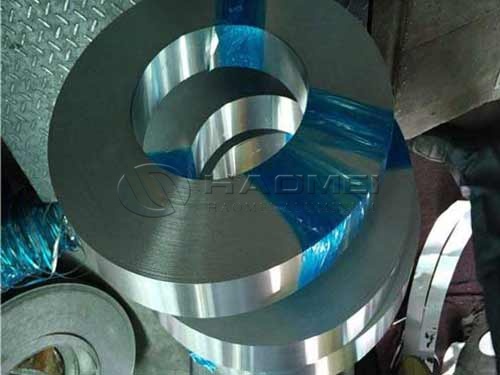
Dimensions, Tolerances, and Supply Forms
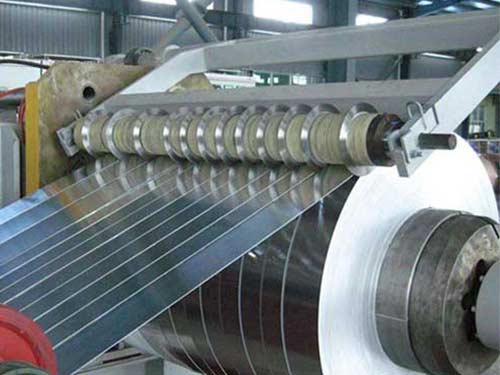
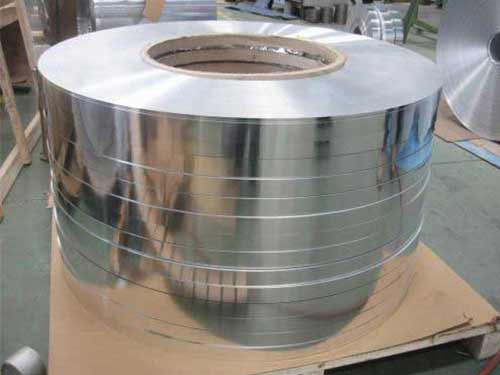
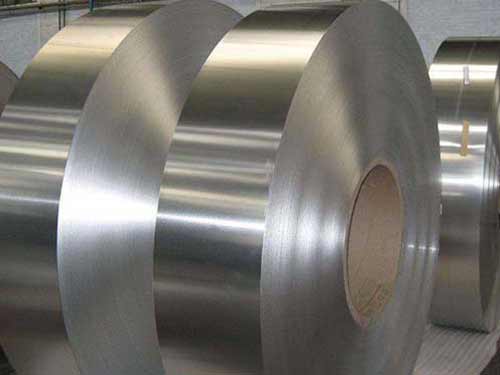
5052 H32 anodized aluminum strip can be produced from rolled coil and precision slit to customer widths. The most suitable dimensions depend on press capacity, bending method, component geometry, and final finish requirements.
| Parameter | Common Supply Range |
|---|---|
| Thickness | 0.20-6.00 mm |
| Width | 10-1,600 mm |
| Coil inner diameter | 150 mm, 300 mm, 400 mm, 500 mm, or customized |
| Coil outer diameter | According to weight and transport limits |
| Coil weight | Customized according to processing equipment |
| Edge condition | Mill edge, slit edge, deburred edge |
| Surface options | Mill finish, brushed, polished, clear anodized, colored anodized |
| Protective film | Available for scratch-sensitive decorative surfaces |
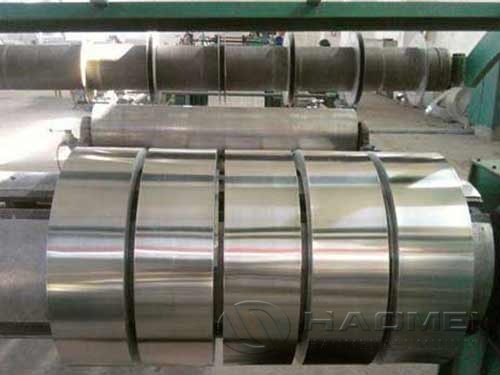
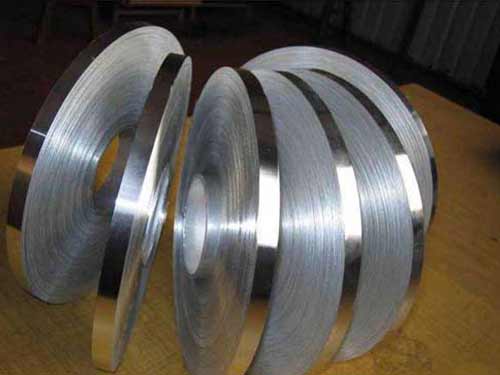
Narrow slit coils are efficient for continuous roll forming, stamping, and automated feeding. Wider strip and sheet-format material are more suitable for panel fabrication, shearing, CNC cutting, and architectural profiles.
Applicable Standards and Temper Designations
Material compliance should be matched to the destination market and the application. ASTM, EN, and ISO-based requirements may specify chemistry, mechanical properties, dimensions, flatness, inspection procedures, and packaging expectations.
| Standard | Scope or Relevance |
|---|---|
| ASTM B209 | Aluminum and aluminum-alloy sheet and plate |
| ASTM B221 | Aluminum-alloy extruded bars, rods, wire, profiles, and tubes where applicable |
| EN 485-2 | Mechanical properties of aluminum and aluminum alloy sheet, strip, and plate |
| EN 573-3 | Chemical composition and alloy designation |
| EN 515 | Temper designation system for wrought aluminum alloys |
| ISO 6361 | Wrought aluminum and aluminum alloy sheets, strips, and plates |
| AA 5052 | Aluminum Association alloy designation |
Temper notation follows the H-series system for strain-hardened aluminum. In H32, the first digit indicates strain hardening followed by stabilization, while the final digit indicates the degree of hardening. This condition offers an effective combination of strength, flatness, and fabrication flexibility.
Functions and Typical Applications
5052 H32 anodized aluminum strip serves both structural and decorative functions. Its low mass reduces handling loads and transportation weight, while its corrosion resistance supports a long service life in challenging surroundings. The anodized surface also creates a clean, professional appearance that requires minimal maintenance.
| Application Field | Typical Component or Function |
|---|---|
| Architecture | Window trim, facade details, ceiling strips, edge profiles |
| Marine equipment | Interior panels, fittings, covers, storage components |
| Transportation | Trailer trim, vehicle panels, protective strips, interior fittings |
| Appliances | Control panels, handles, decorative bands, housings |
| Electronics | Chassis covers, heat-dissipating panels, enclosure trim |
| Signage | Nameplates, display frames, letter returns, mounting strips |
| Industrial equipment | Guards, covers, machine labels, protective edge components |
| Consumer products | Luggage fittings, sporting goods, furniture trim, lighting parts |
Fabrication and Handling Guidance
For best results, use clean tools and avoid embedding steel particles into the anodized surface. Protective film should remain in place during cutting, bending, and assembly whenever possible. Film should be removed soon after installation to avoid adhesive aging in high-temperature storage conditions.
5052 H32 strip can be sheared, punched, laser cut, waterjet cut, bent, roll formed, and welded. When welding is required, filler alloys such as 5356 are often considered for magnesium-containing base metals, subject to the engineering requirements of the finished assembly. Anodizing is normally completed after welding and heavy fabrication because heat-affected areas and weld zones may show color variation after anodic finishing.
For outdoor assemblies, isolate aluminum from copper, untreated steel, and other dissimilar metals where moisture may be trapped. Suitable sealants, coatings, insulating washers, and drainage design help maintain the appearance and corrosion resistance of anodized 5052 H32 aluminum strip over extended service periods.
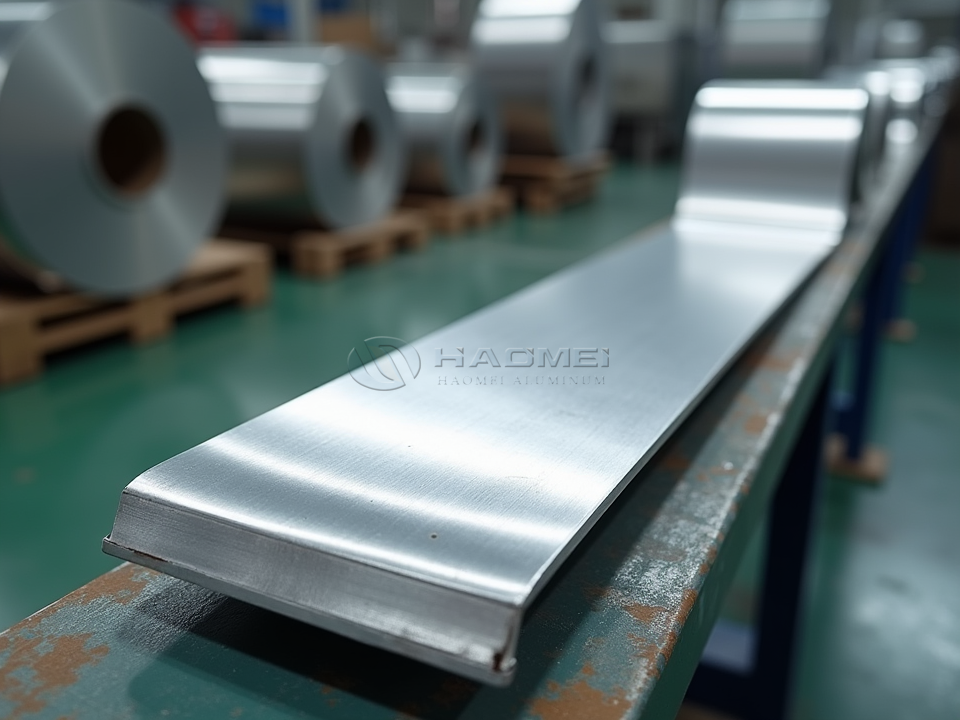
5052 H32 anodized aluminum combines durable corrosion performance, controlled mechanical strength, attractive finishing potential, and flexible fabrication. It is an efficient material choice for products that require a refined surface and dependable service in demanding indoor or outdoor environments.