5052 Coated Aluminum Strip
5052 coated aluminum strip combines the corrosion resistance of an Al-Mg alloy with a decorative, protective coil-coated surface. It is widely selected where moisture, salt exposure, forming performance, and visual consistency must work together. Compared with many general-purpose aluminum grades, 5052 offers stronger resistance to marine and industrial atmospheres while remaining easy to bend, stamp, roll-form, and fabricate.
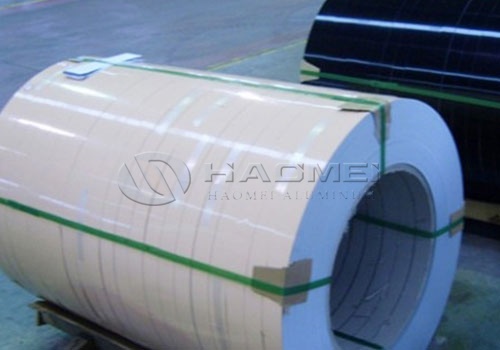
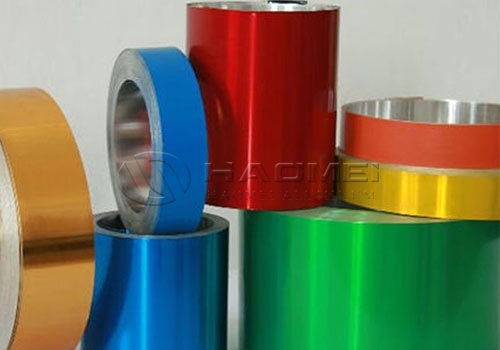
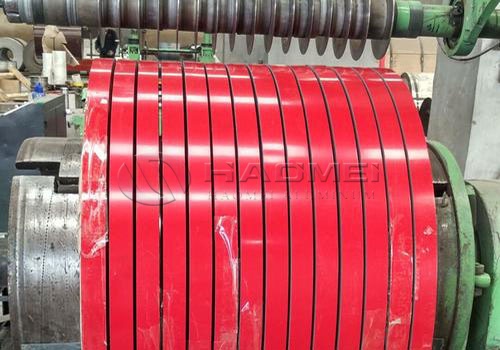
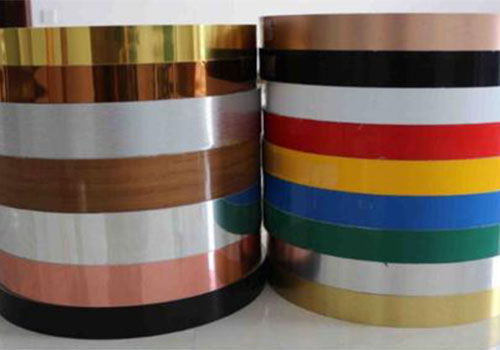
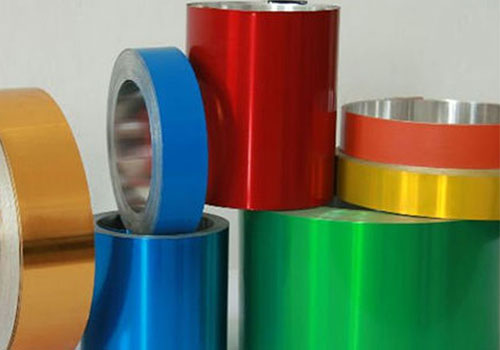
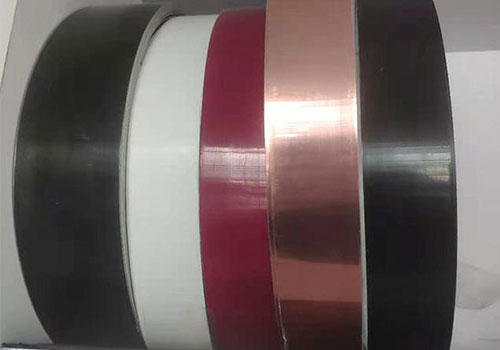
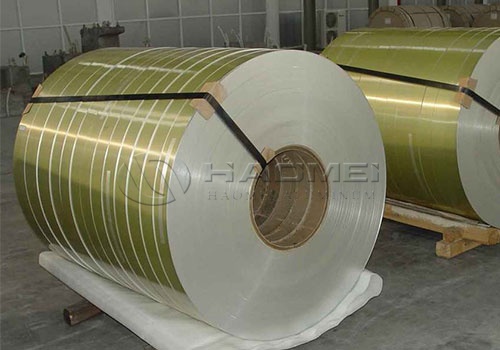
The strip is produced from 5052 aluminum coil, slit into required widths, chemically pretreated, and coated through a continuous coil-coating process. The finished material can be supplied in white, black, grey, red, gold, green, yellow, and customized RAL or Pantone colors. For projects requiring dependable surface quality and consistent coil performance, Coated Aluminum Strip options can be matched to forming method, environment, and appearance requirements.
Functions and Material Advantages
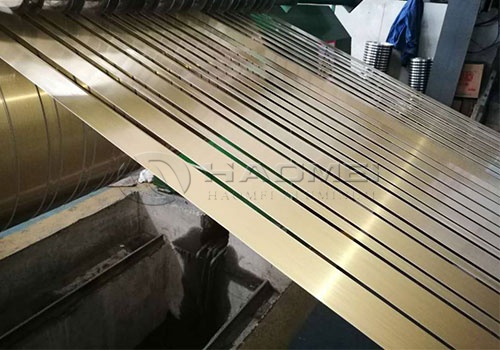
The aluminum substrate provides lightweight strength, while the coating system creates a barrier against weathering, stains, UV exposure, and surface abrasion. This combination reduces maintenance needs and supports long service life in exterior and interior components.
| Function | Performance Benefit | Typical Result |
|---|---|---|
| Corrosion protection | Magnesium-bearing 5052 alloy resists humid and salt-laden conditions | Suitable for coastal, rainy, and industrial areas |
| Decorative finish | Coil coating delivers stable color and gloss | Clean, uniform panels, trims, and appliance surfaces |
| Formability | Appropriate tempers allow bending and roll forming | Reduced risk of cracking during fabrication |
| Lightweight construction | Aluminum density is about 2.68 g/cm³ | Easier handling and lower structural load |
| Heat reflection | Light-colored coatings can improve solar reflectance | Useful for roofing and thermal-management parts |
| Electrical isolation | Organic coating separates the metal surface from direct contact | Supports insulated decorative and enclosure applications |
Chemical Composition of 5052 Aluminum Alloy
5052 belongs to the 5xxx aluminum-magnesium alloy family. Magnesium is the principal alloying element and gives the strip its favorable corrosion resistance and medium strength. Chromium improves resistance to stress-corrosion effects and helps stabilize the alloy structure.
| Element | Content, % by Weight |
|---|---|
| Silicon, Si | 0.25 max |
| Iron, Fe | 0.40 max |
| Copper, Cu | 0.10 max |
| Manganese, Mn | 0.10 max |
| Magnesium, Mg | 2.20-2.80 |
| Chromium, Cr | 0.15-0.35 |
| Zinc, Zn | 0.10 max |
| Titanium, Ti | 0.15 max |
| Other elements, each | 0.05 max |
| Other elements, total | 0.15 max |
| Aluminum, Al | Balance |
Available Tempers and Mechanical Characteristics
5052 is non-heat-treatable. Its strength is developed through strain hardening rather than precipitation hardening. Temper selection affects bendability, tensile strength, springback, and suitability for deep drawing.
| Temper | Condition | Tensile Strength, MPa | Yield Strength, MPa | Elongation, % | Typical Use |
|---|---|---|---|---|---|
| O | Annealed, soft | 170-215 | 65 min | 12 min | Deep drawing, complex shapes |
| H22 / H32 | Quarter hard | 210-260 | 130 min | 5 min | Roofing trim, gutters, channels |
| H24 / H34 | Half hard | 230-280 | 160 min | 4 min | Cladding, appliance panels, shutters |
| H26 / H36 | Three-quarter hard | 250-300 | 180 min | 3 min | Stiffer profiles and formed covers |
| H38 | Full hard | 270 min | 220 min | 2 min | Flat components requiring higher rigidity |
Mechanical values may vary with thickness and applicable standard. Confirm project tolerances before production.
Coating Systems and Surface Construction
Coatings are applied after degreasing and chemical conversion treatment, which improves adhesion between aluminum and paint. A primer is commonly placed between the substrate and topcoat to enhance durability. The reverse side may receive a backing coat, service coat, or protective treatment according to end use.
| Coating Type | Typical Dry Film Thickness | Weather Resistance | Recommended Environment |
|---|---|---|---|
| Polyester, PE | 15-25 μm | Good | Indoor use, general roofing, signage |
| High-durability polyester | 20-30 μm | Very good | Exterior building panels and fascia |
| PVDF | 25-35 μm | Excellent | Coastal construction, curtain walls, premium roofing |
| PU | 20-30 μm | Very good | Abrasion-prone industrial surfaces |
| Epoxy backing coat | 5-10 μm | Good chemical resistance | Insulated panels and bonded assemblies |
PE coatings provide an economical decorative finish with good flexibility. PVDF systems are preferred where UV radiation, color retention, chalking resistance, and demanding climates are major considerations. Surface options can include smooth, matte, high-gloss, embossed, brushed-look, and protective-film finishes.
Technical Specifications
| Parameter | Common Supply Range | Notes |
|---|---|---|
| Alloy | 5052 | Aluminum-magnesium alloy |
| Base metal thickness | 0.20-3.00 mm | Custom gauges may be available |
| Strip width | 20-1,600 mm | Slit widths made to order |
| Coil inner diameter | 150 mm, 300 mm, 405 mm, 505 mm | Selected for processing equipment |
| Coil outer diameter | Up to about 1,800 mm | Depends on gauge and coil weight |
| Coil weight | 0.5-8.0 metric tons | Export and processing requirements considered |
| Top coating thickness | 15-35 μm | Depends on PE, PVDF, or PU system |
| Back coating thickness | 5-10 μm | Can be modified for bonding or insulation |
| Gloss range | 10-90 GU | Matte, satin, or glossy surface |
| Color | RAL, Pantone, customized | Color sample approval is recommended |
| Protective film | Optional | Helps prevent handling scratches |
Implementation Standards
The applicable standard depends on destination market, base-metal requirement, coating system, and intended product. Material certificates can be prepared according to agreed purchasing conditions.
| Standard | Coverage |
|---|---|
| ASTM B209 / B209M | Aluminum and aluminum-alloy sheet and plate requirements |
| EN 485-2 | Mechanical property requirements for aluminum sheet, strip, and plate |
| EN 573-3 | Chemical composition and alloy designation |
| JIS H4000 | Japanese requirements for aluminum and aluminum alloy sheet, strip, and plate |
| EN 13523 | Test methods for coil-coated metals |
| AAMA 2605 | High-performance organic coating requirements for architectural applications |
Common Applications
5052 coated aluminum strip performs well in roll-formed and bent products that face moisture, changing temperatures, and regular handling. It is often used for roofing accessories, rainwater systems, wall cladding trims, ceiling profiles, window shutters, insulation jacketing, appliance facings, traffic signage, lighting housings, trailer components, and decorative metal edging.
In building envelopes, it can be formed into gutters, flashing, ridge caps, fascia, soffits, and edge trims. In transport and equipment production, its low weight and resistance to atmospheric corrosion support covers, interior fittings, protective casings, and non-structural panels. The coating also makes the strip suitable for color-coded industrial components and visually coordinated architectural systems.
Processing and Handling Guidance
Select a softer temper when tight radii or deep drawing are required. H32 is a practical balance for many roll-forming jobs, while H34 and harder tempers provide improved rigidity for flatter profiles. Bend direction, tool cleanliness, coating thickness, and forming radius should be reviewed together to avoid surface marks or coating cracks.
Store coils indoors in a dry, ventilated area and keep packaging intact until processing. Avoid condensation between coil layers, contact with aggressive chemicals, and direct exposure to wet floors. During fabrication, use smooth rollers and non-marking protective surfaces to preserve the painted finish.
5052 coated aluminum strip offers a balanced solution for durable color, corrosion resistance, lightweight fabrication, and efficient processing. With the right temper, coating, and dimensional tolerance, it can serve demanding architectural and industrial applications with reliable long-term appearance.