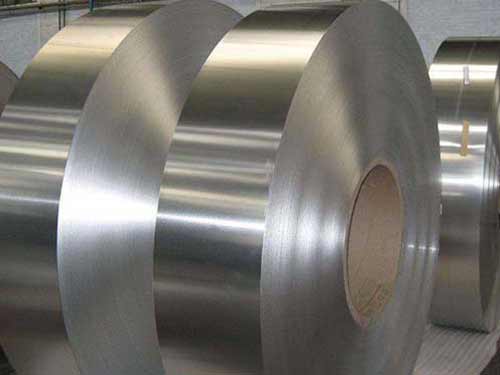
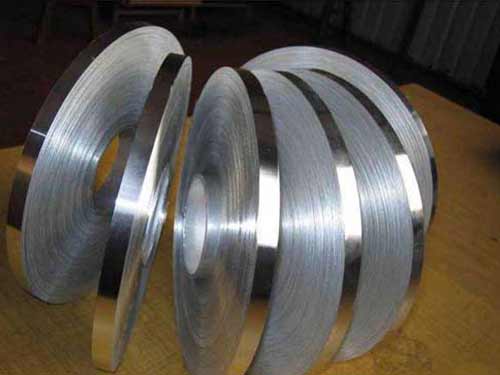
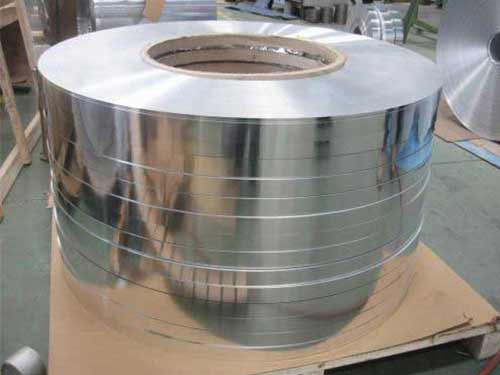
2mm Thick 3003 6061 5005 5052 5754 5083 Alloy Aluminum Strip
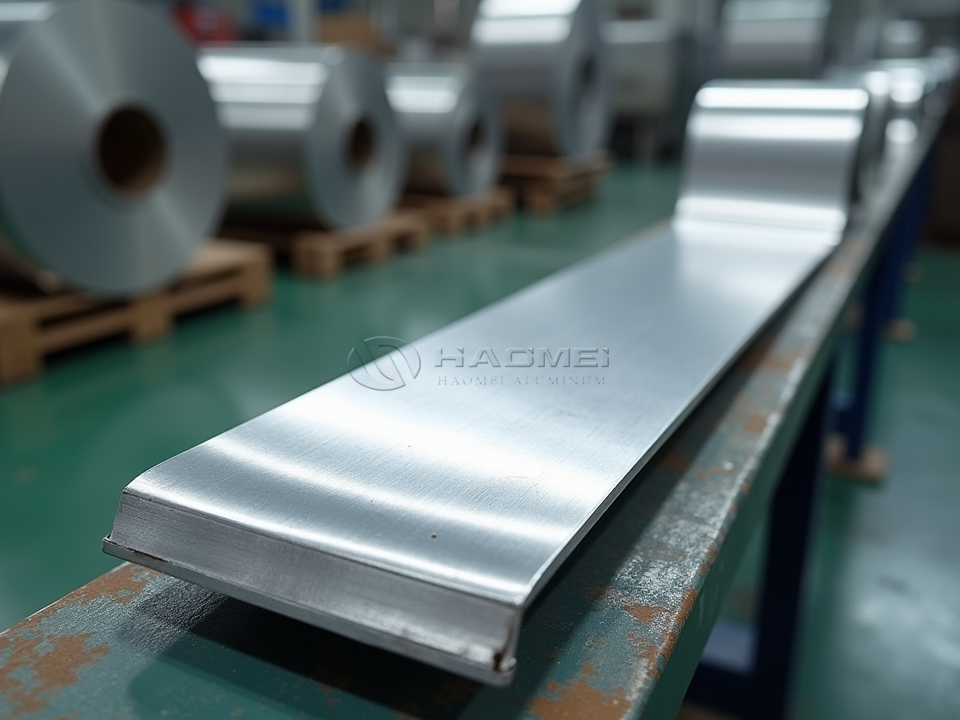
A 2mm thick aluminum strip provides a practical balance between rigidity, low weight, formability, and corrosion resistance. It is widely processed into narrow coils, cut lengths, stamped components, folded profiles, brackets, panels, tanks, covers, and transportation parts. With alloy options from the 3xxx, 5xxx, and 6xxx series, customers can match strip performance to the actual service environment rather than relying on a one-grade solution.
The available grades, including 3003, 6061, 5005, 5052, 5754, and 5083, serve different production needs. Some are selected for easy bending and attractive anodized surfaces, while others are designed for higher strength, saltwater exposure, welding, or structural fabrication. At 2mm thickness, the strip remains convenient for slitting, punching, laser cutting, roll forming, and press brake work.
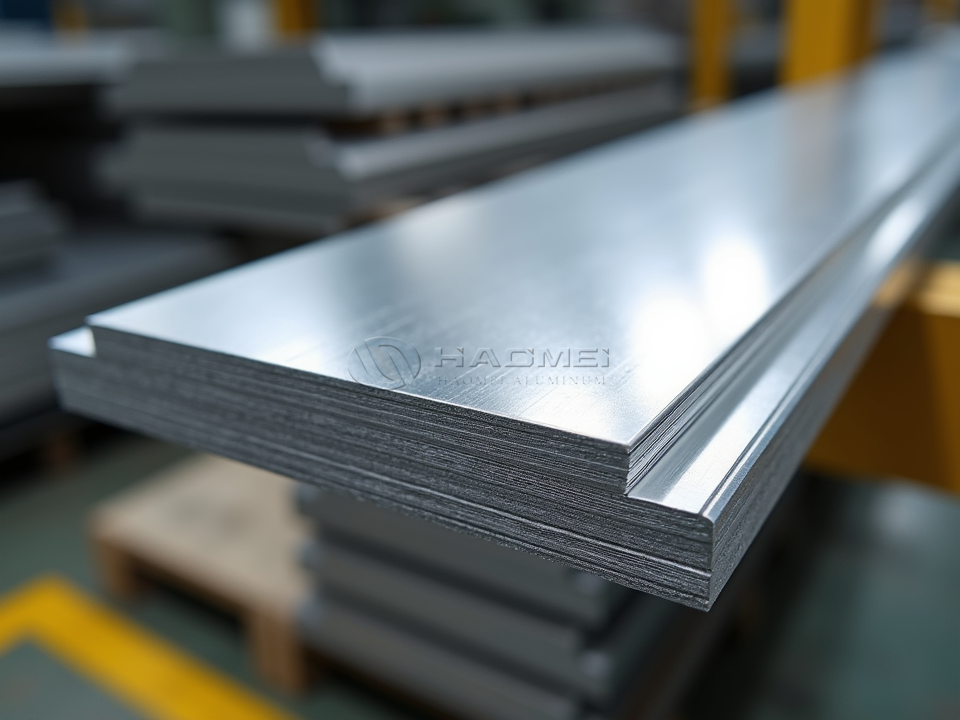
Material Range and Typical Characteristics
| Alloy | Alloy Family | Common Tempers | Primary Performance | Typical Use |
|---|---|---|---|---|
| 3003 | Al-Mn | O, H14, H24 | Good formability and moderate strength | Roofing parts, utensils, cladding, stamped components |
| 5005 | Al-Mg | O, H14, H24, H34 | Smooth anodizing response and corrosion resistance | Architectural trim, decorative panels, appliance skins |
| 5052 | Al-Mg | O, H32, H34 | Strong corrosion resistance and good bending ability | Cabinets, fuel tanks, marine fittings, brackets |
| 5754 | Al-Mg | O, H22, H24, H111 | Good weldability and resistance to industrial atmospheres | Vehicle panels, pressure vessels, flooring, tanks |
| 5083 | Al-Mg-Mn | O, H111, H116, H321 | High strength and excellent marine resistance | Shipbuilding, offshore structures, heavy-duty tanks |
| 6061 | Al-Mg-Si | O, T4, T6 | Heat-treatable strength and machinability | Structural parts, frames, trailers, precision components |
The correct temper is as important as the alloy selection. Annealed O temper offers the greatest ductility for deep bending and complex forming. H-temper products have been strain hardened for greater strength, making them suitable for panels and fabricated components that require better dent resistance. T6 temper 6061 provides substantially higher mechanical strength, although bend radii must be larger than with softer 5xxx or 3xxx alloys.
Chemical Composition Reference
The chemical limits shown are typical values based on commonly used international alloy standards. Exact requirements may vary according to ASTM, EN, JIS, or customer-specific specifications.
| Alloy | Mn % | Mg % | Si % | Fe % | Cu % | Cr % | Main Balance |
|---|---|---|---|---|---|---|---|
| 3003 | 1.0-1.5 | - | 0.60 max | 0.70 max | 0.05-0.20 | - | Aluminum |
| 5005 | 0.20 max | 0.50-1.10 | 0.30 max | 0.70 max | 0.20 max | 0.10 max | Aluminum |
| 5052 | 0.10 max | 2.2-2.8 | 0.25 max | 0.40 max | 0.10 max | 0.15-0.35 | Aluminum |
| 5754 | 0.50 max | 2.6-3.6 | 0.40 max | 0.40 max | 0.10 max | 0.30 max | Aluminum |
| 5083 | 0.40-1.0 | 4.0-4.9 | 0.40 max | 0.40 max | 0.10 max | 0.05-0.25 | Aluminum |
| 6061 | 0.15 max | 0.8-1.2 | 0.4-0.8 | 0.70 max | 0.15-0.40 | 0.04-0.35 | Aluminum |
Why 2mm Aluminum Strip Is a Popular Processing Gauge
At 2mm, aluminum strip has enough body for reliable fabrication while retaining the weight-saving advantages associated with aluminum. Compared with steel components of similar dimensions, aluminum parts can significantly reduce handling weight, shipping load, and assembly effort. This is valuable for transport equipment, electrical enclosures, building components, and portable machinery.
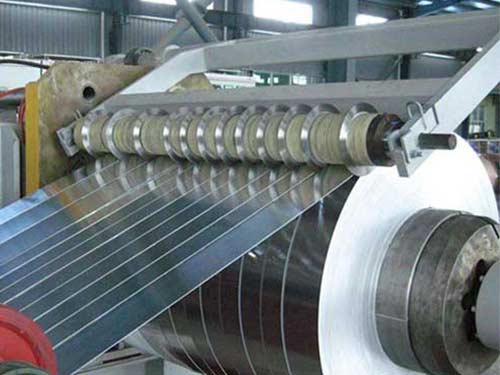
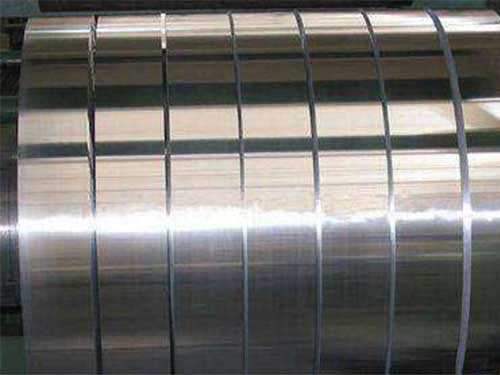
The strip format also supports efficient material utilization. Wide coil can be slit into narrow widths for automated stamping, progressive dies, roll forming lines, and profile production. Customers can specify mill finish, brushed finish, PVC protective film, paper interleaving, or surface treatment suitable for painting and anodizing.
For applications where drawing and bending are central to the process, 3003 Aluminum Strip is often chosen for its dependable workability. It forms smoothly into covers, reflectors, housings, and general sheet-metal parts while offering better strength than commercially pure aluminum grades.
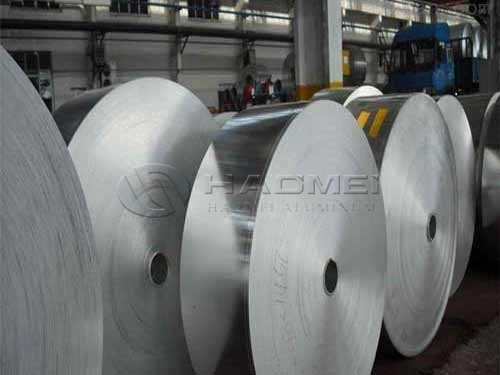
Alloy Selection for Real Service Conditions
3003 is a cost-effective choice for indoor and moderately corrosive environments. Its manganese content improves strength without sacrificing practical forming behavior. It is frequently used for insulation cladding, cooking equipment parts, architectural sheet-metal work, and general stamped goods.
5005 is valued where appearance matters. It delivers a clean, relatively uniform anodized finish and works well in decorative trim, ceiling systems, sign panels, lighting parts, and architectural facing materials. It is generally preferred over 3003 when surface color consistency after anodizing is important.
5052 offers a stronger combination of magnesium-based corrosion resistance and fabrication flexibility. It performs well in humid, coastal, and industrial environments. A 2mm 5052 strip is suitable for machine guards, control boxes, vehicle accessories, marine hardware, and formed brackets. For projects requiring this balance, 5052 Aluminum Strip is a dependable material option.
5754 is widely used in transportation and welded fabrication. It has good resistance to atmospheric corrosion and is commonly selected for truck bodies, trailer panels, flooring, storage tanks, and vehicle interior structures. Its welding behavior makes it especially suitable where assemblies are joined by MIG or TIG methods.
5083 is intended for demanding environments. With higher magnesium content, it has excellent resistance to seawater and maintains strong performance in welded structures. It is used for marine vessels, offshore equipment, cryogenic tanks, pressure vessels, and heavy transport structures. Due to its higher strength, forming should be planned with suitable tooling and bend allowances.
6061 differs from the non-heat-treatable grades because it can be strengthened through solution heat treatment and aging. In T6 temper, it is commonly used for structural rails, frames, support members, precision machined parts, and industrial fixtures. Where tight bends are required, 6061-O or 6061-T4 may be more suitable than T6.
Supply Dimensions and Processing Options
| Item | Typical Capability |
|---|---|
| Thickness | 2.00mm, with tolerance according to applicable standard or agreement |
| Strip width | Narrow slit strip through wide coil, commonly 10mm to 1,500mm |
| Coil inner diameter | Commonly 150mm, 300mm, 405mm, or 505mm |
| Coil weight | Customized to handling equipment and production requirements |
| Edge condition | Mill edge, slit edge, deburred edge, rounded edge where required |
| Surface | Mill finish, brushed, polished, coated, anodizing-ready, PVC protected |
| Delivery form | Coil, narrow coil, cut strip, sheet, or precision slit package |
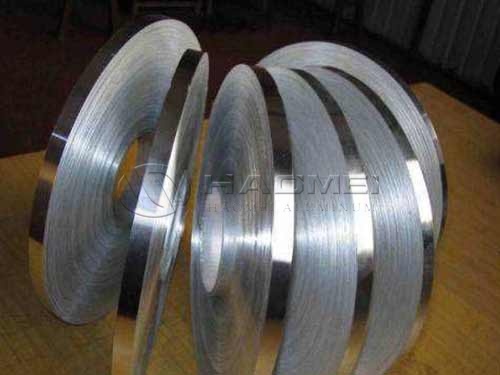
Fabrication Notes
A clean, burr-controlled slit edge helps reduce scratching, cracking, and feeding interruptions in automated equipment. For stamped or bent parts, the selected alloy temper should correspond with the smallest required bend radius. Softer tempers generally accommodate tighter bends, while high-strength materials need more generous radii.
For welding, 5052, 5754, and 5083 are well suited to many fabricated structures. Filler alloy selection should be based on the parent metal, required corrosion performance, and final service condition. For 6061, welding can reduce strength in the heat-affected zone, so structural designs should account for this effect.
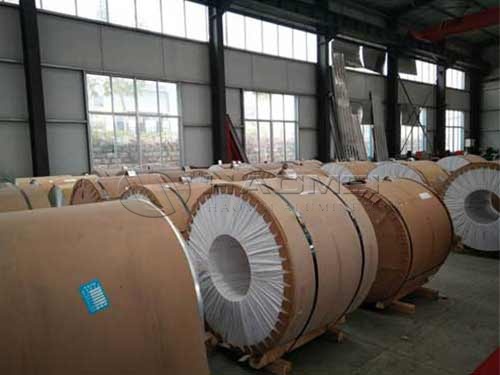
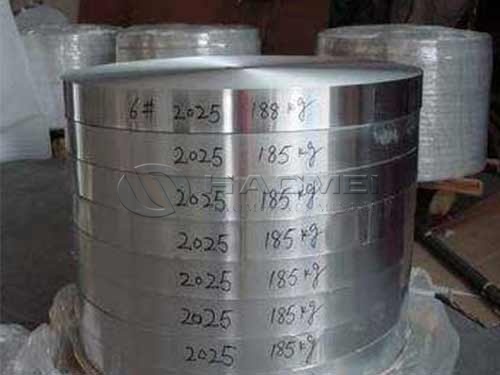
Proper packaging protects 2mm aluminum strip from moisture, abrasion, and coil-edge damage during storage and transport. Export-grade packing may include moisture-proof paper, plastic film, steel or composite strapping, edge protectors, wooden pallets, and reinforced outer wrapping.
A well-selected 2mm aluminum strip can make fabrication faster, reduce component weight, and provide long-term resistance to corrosion. From decorative 5005 trim to rugged 5083 marine structures and high-strength 6061 frames, this alloy range gives manufacturers a flexible material foundation for demanding modern products.