1100 Color Mirror Aluminum Strips
1100 Color Mirror Aluminum Strips combine the soft workability of commercially pure aluminum with a polished reflective surface and controlled color finish. For customers who need a strip material that looks refined, bends easily, and stays lightweight, this product offers a practical balance of appearance and processing performance. It is widely used where metal must catch light, carry color, resist everyday corrosion, and run smoothly through stamping, slitting, bending, or roll-forming lines.
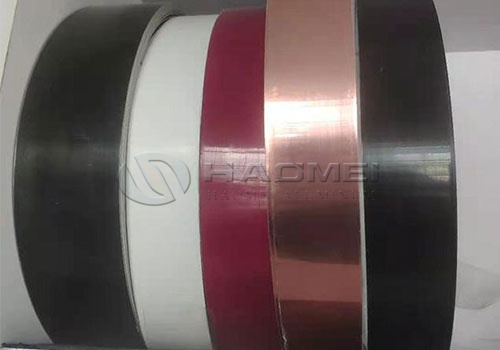
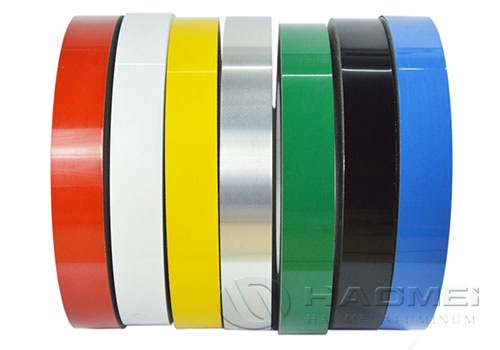
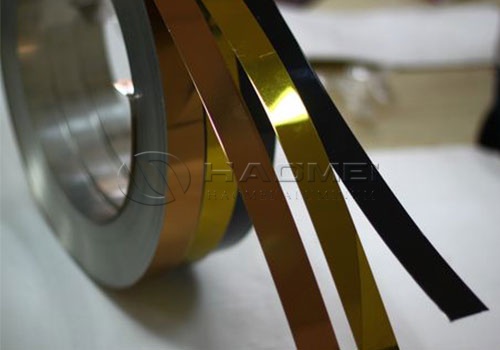
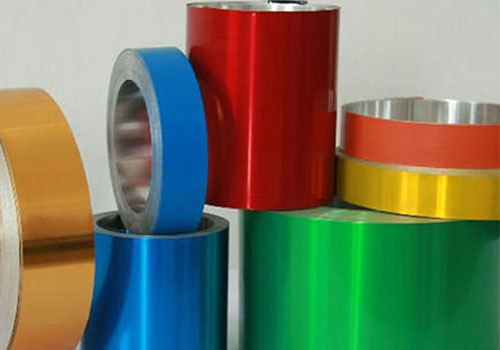
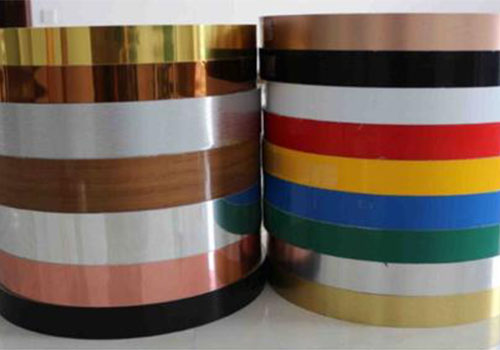
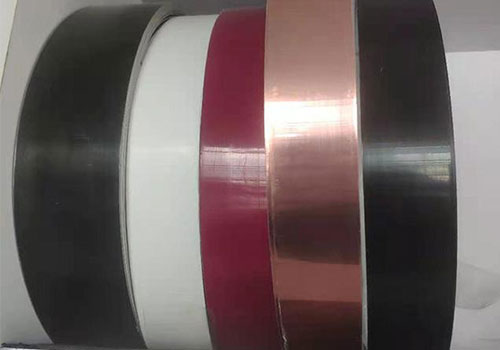
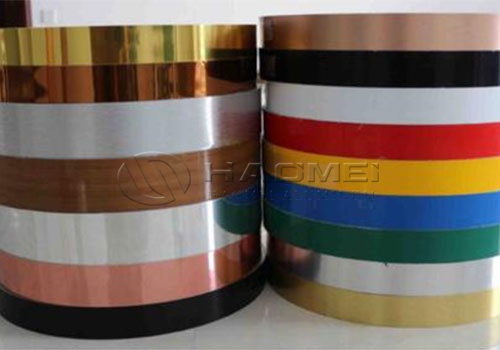
The 1100 alloy belongs to the high-purity aluminum family, with aluminum content of at least 99.00%. This gives the strip excellent ductility, good corrosion resistance, and a clean surface response during polishing and coating. When processed into a mirror finish, the surface becomes bright and smooth; when combined with color treatment, it can deliver gold, red, black, blue, green, champagne, silver, or customized decorative tones.

What Makes 1100 Alloy Suitable for Color Mirror Strips
The main advantage of 1100 aluminum is its ability to deform without cracking under normal forming conditions. Compared with harder heat-treatable alloys, 1100 is gentler on tooling and better suited for decorative parts with curved edges, narrow profiles, embossed patterns, or shallow drawn shapes. It is not selected for high structural strength, but it performs very well in applications where surface quality, light weight, and forming reliability matter more than load-bearing capacity.
A color mirror strip normally starts with carefully rolled aluminum coil. The surface is mechanically or chemically polished to raise reflectivity, then treated with color coating, anodizing, protective film, or lacquer depending on the intended environment. This layered approach protects the bright base while giving the customer a stable visual effect from coil to coil.
For projects already using Color Coated Aluminum Strip, 1100 color mirror material can be chosen when a glossier, more reflective finish is required for premium decoration or visual contrast.
Typical Technical Data
| Item | Common Range or Description |
|---|---|
| Alloy | AA1100, EN AW-1100 equivalent grades available by request |
| Temper | O, H12, H14, H16, H18, selected by forming need |
| Thickness | 0.15 mm to 2.00 mm, with tighter ranges available for precision use |
| Width | Narrow slit strip from 20 mm, wider coil strip up to about 1250 mm |
| Surface | Mirror polished, color mirror, protected mirror, brushed mirror options |
| Color Options | Silver, gold, champagne, black, red, blue, green, bronze, customized tones |
| Reflectivity | Commonly 75% to 90%, depending on finish system and color depth |
| Coating Options | PE, PVDF, anodized layer, clear lacquer, anti-fingerprint film |
| Coil ID | 300 mm, 405 mm, 505 mm, or customer machine requirement |
| Protective Film | PE film, laser film, paper interleaf, or no film as required |
These values are typical production references. Final tolerances depend on thickness, width, temper, surface route, and end-use processing method.
Chemical Composition of 1100 Aluminum
| Element | Standard Content |
|---|---|
| Aluminum | 99.00% minimum |
| Silicon + Iron | 0.95% maximum |
| Copper | 0.05% to 0.20% |
| Manganese | 0.05% maximum |
| Zinc | 0.10% maximum |
| Other Elements, Each | 0.05% maximum |
| Other Elements, Total | 0.15% maximum |
The high aluminum purity is the reason this strip has such favorable corrosion behavior and surface brightness. It also helps during color finishing because the base metal offers a clean, consistent foundation.
Surface Features Customers Notice First
The most visible feature is reflectivity. A well-made 1100 color mirror aluminum strip provides a bright surface that can enlarge visual space, enhance lighting effects, and make decorative components look more refined. This is especially valuable in interior trim, signage, ceiling systems, display shelves, and appliance decoration.
Color stability is another important feature. The color layer should appear even across the strip width and along the coil length, without obvious streaks, clouds, pinholes, or color deviation. For brand-oriented products such as nameplates, labels, cosmetic packaging trim, or retail display profiles, repeatable color is often as important as mechanical performance.
The strip also offers excellent formability. Soft and half-hard tempers can be bent, edged, stamped, curled, laminated, or profiled with low risk of splitting. This makes the material friendly for continuous production lines where downtime from cracking or surface peeling must be avoided.
Its low density is useful too. Aluminum weighs about one-third as much as steel, so long decorative runs, ceiling components, lamp reflectors, and trim parts remain easy to handle and install. The corrosion resistance of 1100 aluminum also helps preserve appearance in indoor and mildly outdoor conditions.
Coating and Finish Choices
Different surface systems are selected according to service environment. PE coating is economical and works well for indoor decoration, light-duty panels, appliance trim, and short-to-medium service requirements. PVDF coating provides stronger weathering resistance, better UV stability, and improved performance for outdoor or high-exposure areas. Customers seeking long outdoor service often compare color mirror finishes with PVDF Coated Aluminum Strip when selecting materials for signage, facade trim, or architectural accents.
Anodized mirror strip gives a metallic look with an oxide layer bonded to the aluminum surface. Clear lacquered mirror strip helps protect polished brightness while retaining a strong metallic reflection. Anti-fingerprint treatment can be added for products that will be touched often, such as appliance faces, elevator trim, and consumer product parts.
Processing Advantages in Production
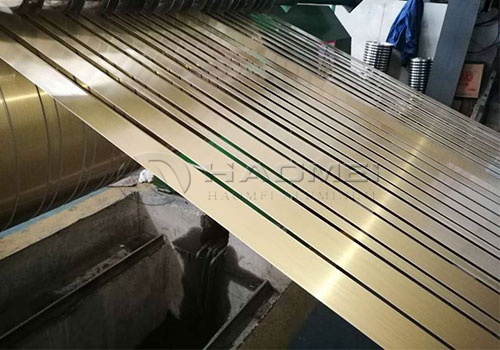
1100 color mirror aluminum strips are made for efficient downstream fabrication. Precision slitting produces clean edges and uniform width, reducing burr-related scratches during coiling or feeding. Good flatness supports stable stamping and laminating. Controlled hardness helps customers match the strip to the part design: softer tempers for deeper forming, harder tempers for flat trim or parts requiring better shape retention.
Protective film plays an important role during transport and fabrication. Mirror surfaces can be damaged by dust, friction, or rough handling, so film selection should match the process. Easy-peel film is common for decorative trim. Stronger laser film can be used when cutting or high-contact handling is expected.
Application Areas
In architectural decoration, 1100 color mirror aluminum strips are used for ceiling strips, wall trim, edge bands, partition accents, decorative louvers, and reflective borders. Gold, champagne, black, and silver tones are especially popular for hotel, retail, and commercial interiors.
In signage and display, the strip is used for channel letters, advertising borders, illuminated sign trim, shelf edging, and exhibition frames. The reflective surface increases visual impact, while the light weight reduces installation difficulty.
In home appliances, color mirror aluminum strip appears on refrigerator trim, range hood decoration, microwave panels, control panel edging, and small appliance shells. It offers a modern metallic finish without the weight and cost of stainless steel.
In lighting, mirror aluminum strip can be used for reflector components, lamp housings, decorative light channels, and LED profile covers. While surface color may reduce reflectivity compared with pure silver mirror, it can create attractive ambient effects.
In packaging and consumer goods, narrow strips are used for cosmetic caps, bottle collars, gift box decoration, labels, and premium product bands. The material is easy to stamp and emboss, helping brands create bright details with metallic texture.
Transport interiors, elevator cabins, furniture trim, curtain accessories, blinds, and craft products also benefit from this material. Wherever a part must be light, bright, colorful, and easy to shape, 1100 color mirror aluminum strip is a strong candidate.
Selection Notes for Better Results
Customers should match temper, thickness, coating, and protective film to the forming method. For tight bends or stamped parts, softer tempers are safer. For straight decorative lines, H16 or H18 may provide better stiffness. For outdoor exposure, PVDF or anodized finishes are more suitable than standard indoor coatings. For visible parts, confirm color tolerance, gloss level, reflectivity, surface defect standard, and packaging method before mass production.
1100 Color Mirror Aluminum Strips are not just decorative metal; they are a practical production material for clean forming, consistent color, and elegant reflective design. With the right finish and temper, they can improve product appearance while keeping fabrication smooth and efficient.