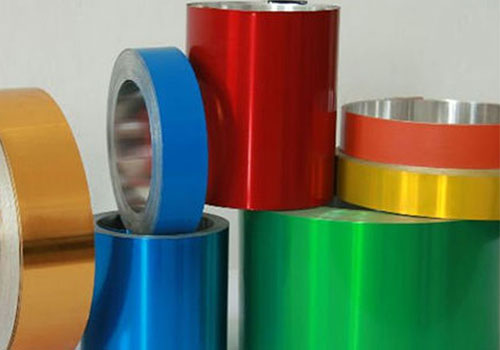
Coated Aluminium Strip
Coated aluminium strip is a lightweight, corrosion-resistant aluminium product finished with an organic paint layer before fabrication. It combines the practical benefits of aluminium with stable color, decorative appeal, and dependable surface protection. Supplied in slit coils, this material can be stamped, bent, roll formed, laminated, or assembled into finished components with less post-processing than bare aluminium.
From bright architectural trims to appliance panels and cable wrapping, coated strip provides a clean, consistent finish that helps manufacturers improve production efficiency while maintaining an attractive final appearance. The available colors, gloss levels, coating systems, and alloy choices allow the material to match both indoor decorative requirements and demanding outdoor service conditions.
Material Structure and Production
A coated aluminium strip begins with an aluminium coil selected for its formability, strength, and corrosion performance. The coil is cleaned and chemically pretreated to improve coating adhesion. Primer and topcoat are then applied continuously on a coil-coating line, followed by controlled baking. This process creates a uniform, tightly bonded painted surface over large coil lengths.
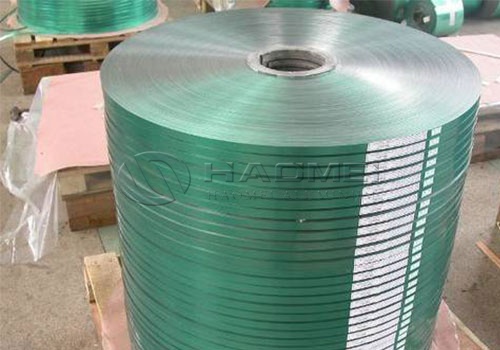
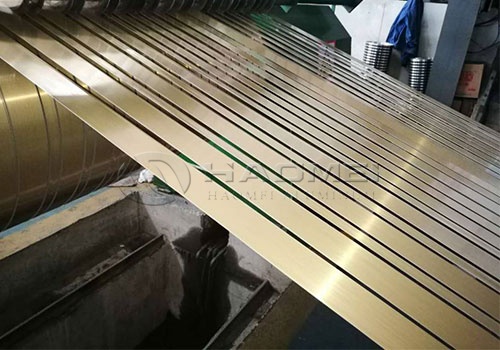
The finished coil is slit into customer-required widths and packed to protect the edges and painted face during transportation. Compared with painting fabricated parts individually, continuous coating delivers more stable film thickness, better color consistency, and lower handling time.
A typical coated strip construction includes:
- Aluminium substrate for low weight, thermal conductivity, and formability
- Chemical conversion layer that supports adhesion and corrosion resistance
- Primer coat that improves bonding and reinforces protection
- Finish coat that provides color, gloss, weatherability, and surface character
- Optional protective film for preventing scratches during fabrication
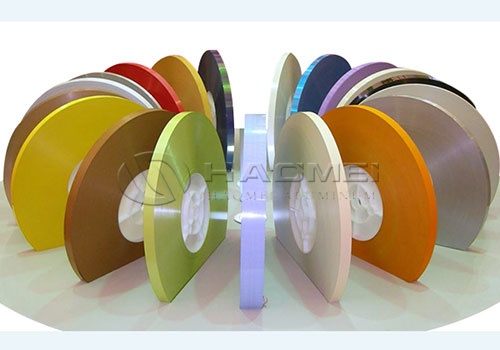
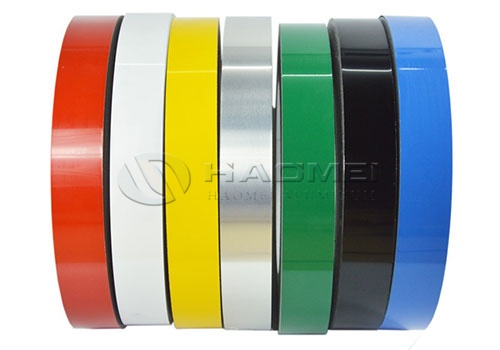
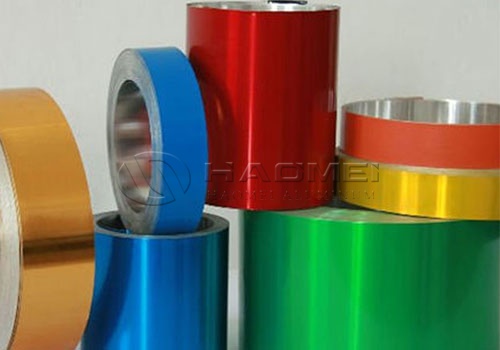
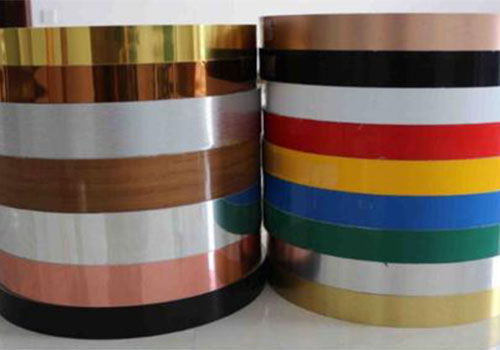
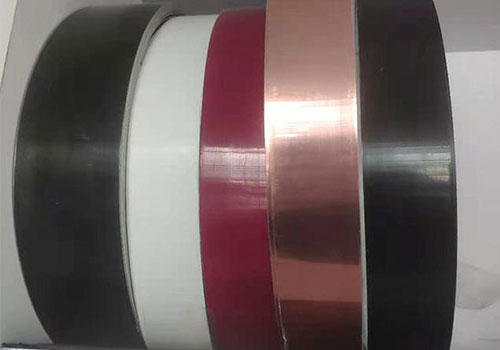
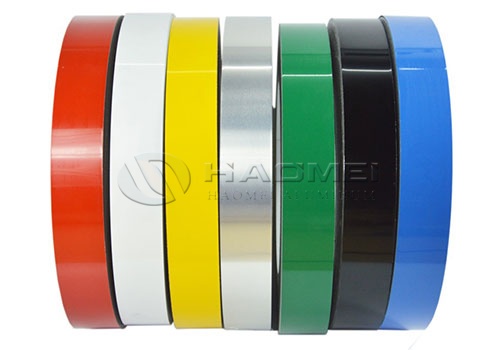
For products requiring a versatile decorative finish, Color Coated Aluminum Strip is available in a broad range of standard and custom shades, including white, black, red, blue, green, grey, gold, and wood-grain-inspired patterns.
Features That Add Value to Fabrication
The most visible advantage of coated aluminium strip is its ready-to-use finish. Its painted surface avoids the extra painting, drying, and cleaning stages often needed after forming. This can shorten processing cycles and reduce paint-related waste.
Aluminium naturally develops an oxide film that helps resist corrosion. With a suitable coating system, the strip gains an additional barrier against moisture, airborne contaminants, and ultraviolet exposure. This makes it a practical choice for products exposed to changing temperatures and humid environments.
The material also remains easy to process. Properly selected alloy, temper, coating thickness, and bend radius enable roll forming, press bending, punching, drawing, and profiling without excessive cracking or paint loss. Softer alloys such as 1050, 1060, 1100, and 3003 are commonly selected where forming performance is especially important, while 3004 and 5052 may be used where greater strength is required.
| Property | Typical Range or Option | Customer Benefit |
|---|---|---|
| Aluminium alloy | 1050, 1060, 1100, 3003, 3004, 5052 | Matches forming, strength, and corrosion requirements |
| Strip thickness | 0.20-2.00 mm | Suitable for fine trims through stronger formed sections |
| Standard width | 20-1,600 mm before slitting | Flexible dimensions for production lines |
| Coating thickness | 15-35 microns, customizable | Balances appearance, durability, and cost |
| Surface finish | Glossy, matte, satin, textured, embossed | Supports decorative and functional designs |
| Color | RAL, Pantone, customer sample matching | Improves brand and product consistency |
| Protective film | Optional PE film | Helps prevent handling marks during processing |
Coating Choices for Different Service Conditions
Coating selection has a direct impact on strip durability. Polyester coatings are widely used for indoor products and general exterior applications because they provide good color, adhesion, and cost control. PE finishes are suitable for ceiling systems, interior trims, appliance parts, and signs in moderate environments. Customers seeking an economical, smooth decorative surface can consider PE Coated Aluminum Strip for many everyday fabrication projects.
PVDF coatings are typically selected for demanding exterior environments. They offer strong resistance to ultraviolet light, chalking, fading, and weather exposure. These coatings are frequently specified for architectural cladding components, exterior louver systems, curtain-wall accessories, and building trims expected to retain their appearance over extended service periods.
Other coating options can include polyurethane, epoxy primer systems, high-gloss finishes, anti-scratch coatings, and special textures. The right choice depends on exposure conditions, required color retention, forming method, expected service life, and budget.
| Coating System | Typical Use Environment | Performance Focus |
|---|---|---|
| PE polyester | Indoor and general-purpose exterior use | Decorative appearance, economy, good processability |
| HDP polyester | Moderate to strong outdoor exposure | Enhanced color retention and weather resistance |
| PVDF | Severe outdoor and architectural applications | Excellent UV stability and long-term durability |
| Epoxy primer | Base layer under finish coating | Adhesion and added corrosion protection |
| Protective film | Processing and installation stages | Scratch and contamination prevention |
Chemical Composition of Common Aluminium Substrates
Substrate chemistry affects mechanical behavior, corrosion resistance, and processing response. The values shown are typical maximum or nominal ranges and should be confirmed against the applicable standard or purchase specification.
| Alloy | Main Chemical Composition, % | Common Characteristics |
|---|---|---|
| 1050 | Al ≥ 99.50 | High ductility, excellent reflectivity, easy bending |
| 1060 | Al ≥ 99.60 | Very good electrical and thermal conductivity |
| 1100 | Al ≥ 99.00, Cu 0.05-0.20 | Good workability and corrosion resistance |
| 3003 | Mn 1.0-1.5, Cu 0.05-0.20 | Better strength than pure aluminium, strong forming capability |
| 3004 | Mn 1.0-1.5, Mg 0.8-1.3 | Improved strength for formed panels and housings |
| 5052 | Mg 2.2-2.8, Cr 0.15-0.35 | High corrosion resistance and medium strength |
Applications Across Modern Manufacturing
Coated aluminium strip is used wherever a light, neat, durable metal surface is needed. In construction, it is formed into rainwater goods, roofing accessories, ceiling grids, roller shutter profiles, insulation jacketing, facade details, and decorative edge trims. Its low weight makes handling easier during installation, while its finish can coordinate with doors, windows, wall panels, and roof systems.
In household appliance manufacturing, the strip is processed into refrigerator trims, washing machine panels, air-conditioner components, cooker hoods, cabinet facings, and decorative frames. Coated surfaces provide a polished appearance without requiring a separate finishing operation after stamping.
Lighting, furniture, signage, transportation, packaging, and electrical industries also benefit from coated strip. Typical examples include LED channel profiles, display shelves, label plates, venetian blind slats, bus interior trims, cable armor layers, insulated duct wraps, and advertising boards.
For high-volume producers, consistent coil quality is especially important. Stable color between coils, controlled thickness tolerance, clean slit edges, reliable coating adhesion, and secure packaging all contribute to smooth feeding and fewer interruptions on downstream equipment.
Selecting the Right Coated Aluminium Strip
A suitable specification starts with the final application. Consider the forming severity, exposure environment, color requirement, desired gloss, strip thickness, width tolerance, and whether the finished part will face abrasion or chemical contact. Deeply formed products generally need a ductile substrate and flexible coating. Exterior building products need a weather-resistant system with dependable UV performance. Highly visible decorative components may require close color matching and a protective film.
Coated aluminium strip brings together appearance, efficiency, and long service capability in one adaptable material. With the appropriate alloy and coating combination, it supports clean fabrication and durable finished products across a wide range of industries.