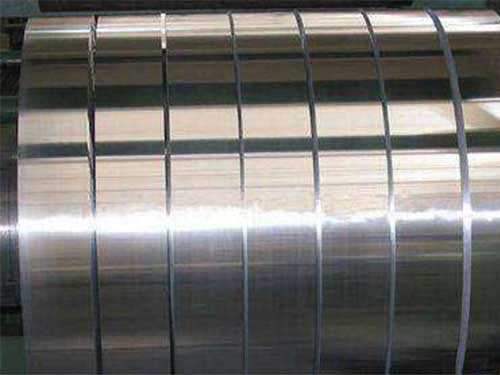
CCA Aluminum Foil Aluminum Clad Coil Strip
CCA Aluminum Foil Aluminum Clad Coil Strip
CCA aluminum foil and aluminum clad coil strip are engineered composite materials designed to combine the light weight of aluminum with a functional surface layer. In common CCA constructions, a high-conductivity aluminum core is metallurgically bonded with copper cladding. Aluminum-clad constructions may also use an aluminum alloy core with a lower-melting or corrosion-resistant aluminum alloy surface layer. The selected structure depends on whether the finished part requires electrical conductivity, solderability, brazing behavior, heat transfer, corrosion resistance, or decorative appearance.
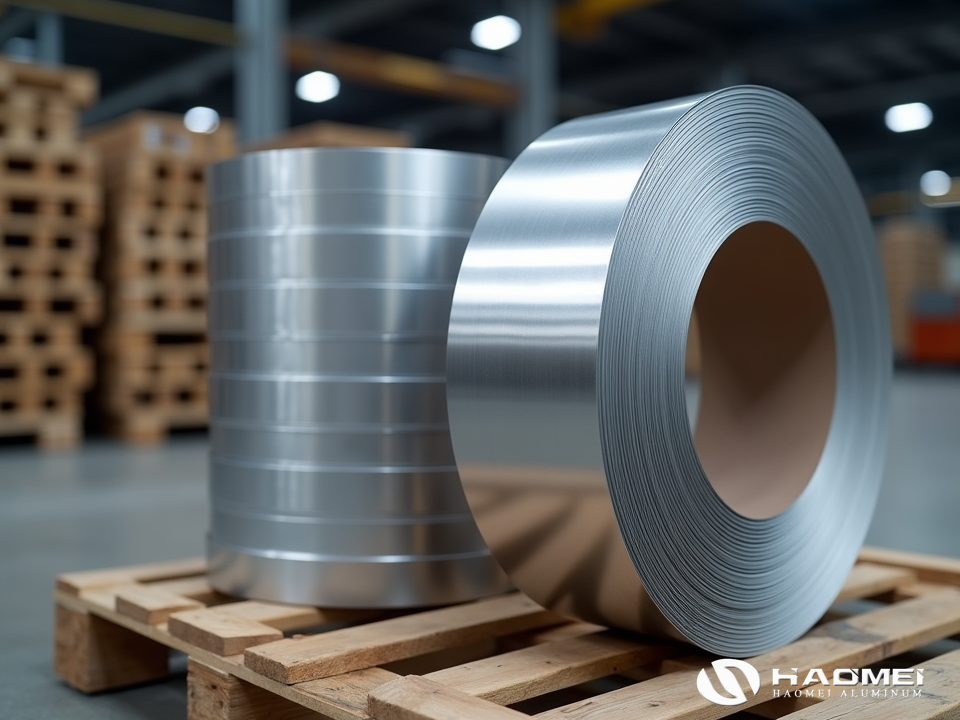
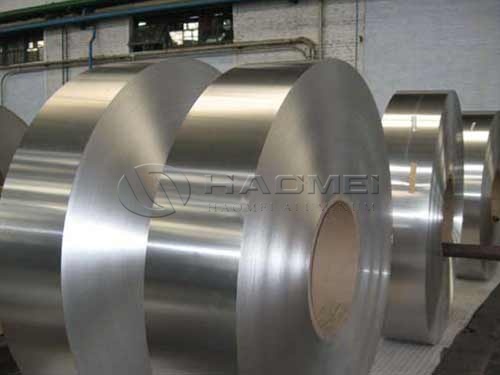
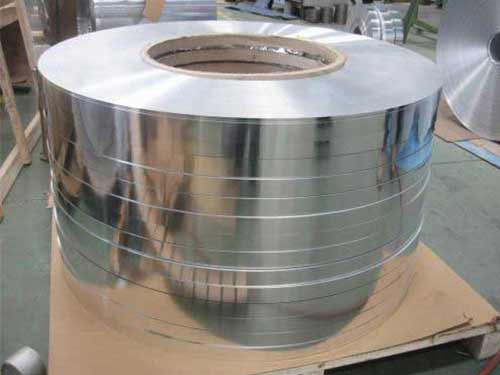
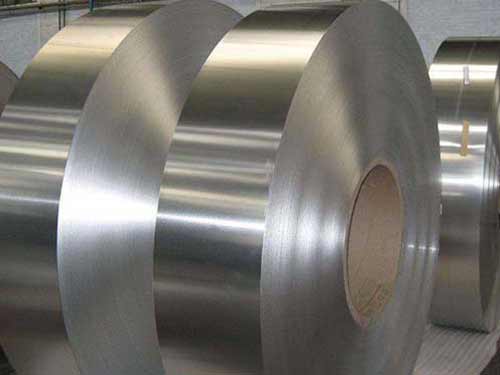
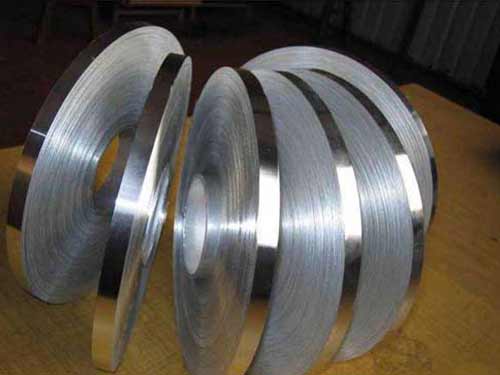
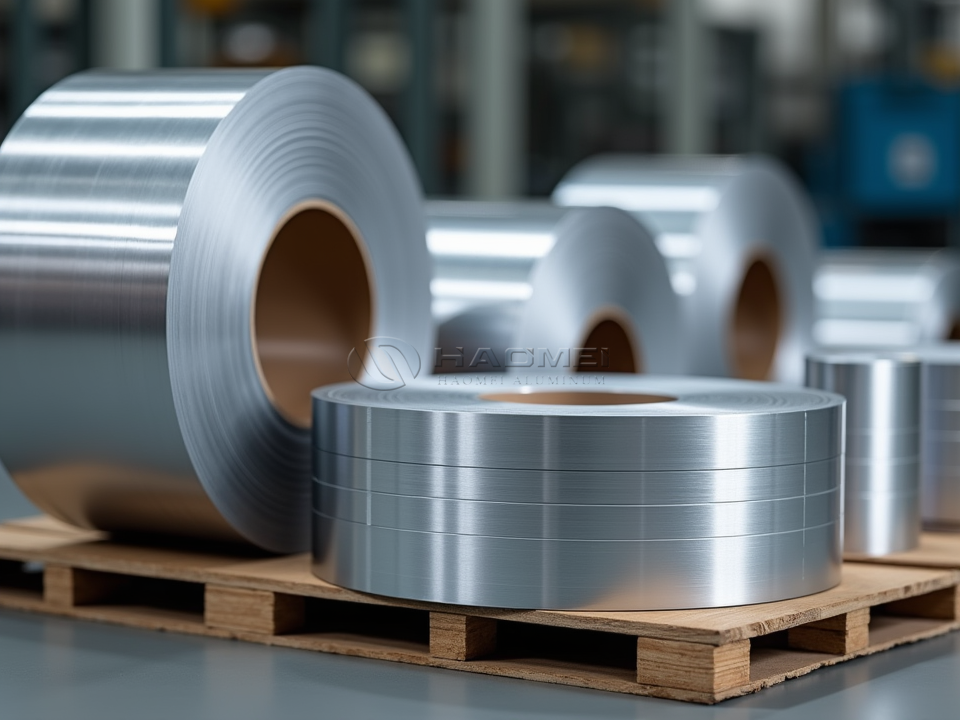
Unlike painted or plated material, properly produced clad strip has a bonded interface formed through rolling and heat treatment. This gives the material dependable continuity during slitting, stamping, bending, coiling, and controlled deep drawing. It is supplied as foil, narrow strip, slit coil, or wide coil for continuous production lines.
Material Structure and Product Characteristics
The core layer provides most of the mechanical strength, weight efficiency, and bulk conductivity. The cladding layer provides the working surface. Copper cladding can improve electrical contact performance, solderability, and surface conductivity, while aluminum alloy cladding can support controlled-atmosphere brazing and enhanced corrosion behavior.
A well-designed CCA aluminum foil or clad coil strip offers several practical benefits:
- Lower mass than solid copper strip while retaining an electrically efficient copper contact surface.
- Good thermal conductivity for heat-spreading and thermal-management assemblies.
- Stable coil form for high-speed stamping, roll forming, corrugating, and slitting.
- Excellent formability when temper, thickness, and cladding ratio are matched to the forming radius.
- Reduced material cost compared with a solid-copper alternative in many conductor and connector designs.
- A bonded surface that does not peel like a laminated film under normal fabrication conditions.
The copper-to-aluminum bond is especially important. A clean, continuous interface helps current move consistently through the material and minimizes the risk of local separation during bending. For brazing-grade aluminum clad coil, cladding chemistry and cladding thickness are controlled to create a repeatable melting window while preserving the integrity of the core.
Typical Technical Parameters
| Property | CCA Copper-Clad Aluminum Foil/Strip | Aluminum-Clad Coil Strip for Brazing | Customization Range |
|---|---|---|---|
| Base metal | 1xxx or 3xxx aluminum core | 3xxx aluminum alloy core | Selected by strength and forming need |
| Cladding material | High-purity copper or copper alloy | 4xxx-series aluminum-silicon alloy | Single-side or double-side clad |
| Total thickness | 0.05-2.00 mm | 0.10-3.00 mm | Thinner foil and heavier gauge on request |
| Width | 5-1,600 mm | 10-1,600 mm | Precision slit widths available |
| Copper cladding ratio | Commonly 5-20% by volume | Not applicable | Tailored to conductivity and cost target |
| Aluminum cladding ratio | Not applicable | Commonly 5-15% per side | Tailored to brazing requirement |
| Temper | O, H12, H14, H18, H24 | O, H14, H24 | Matched to forming process |
| Surface | Mill finish, degreased, treated | Mill finish, brazing-ready | Protective film available |
| Coil ID | 150 mm, 200 mm, 300 mm, 500 mm | 150 mm, 200 mm, 300 mm, 500 mm | Customer line compatibility |
Actual tolerances should be agreed according to thickness, width, alloy, coil weight, edge condition, and end-use process. Narrow strip for automated stamping may require tighter width and burr control than wide coil intended for further slitting.
Chemical Composition Reference
The exact chemistry is selected for the intended application. Copper-clad aluminum products usually use a commercially pure aluminum core for conductivity-focused parts, while higher-strength aluminum alloy cores can be used where stiffness is more important. Brazing clad products commonly pair a manganese-containing core with an aluminum-silicon cladding alloy.
| Layer | Typical Alloy Family | Main Elements | Functional Role |
|---|---|---|---|
| Conductive aluminum core | 1050, 1060, 1070 | Al with controlled Fe and Si | Low density and good electrical conductivity |
| Strength-oriented aluminum core | 3003, 3005, 3105 | Al-Mn, sometimes Mg | Improved strength and processing stability |
| Copper cladding | C11000-type copper or specified copper alloy | Cu, trace residual elements | Surface conductivity, solderability, contact performance |
| Brazing cladding | 4045, 4343, 4047 family | Al-Si | Lower melting surface for furnace brazing |
For applications requiring high conductivity, 1050 / 1060 Aluminum Strip is often selected as the aluminum foundation because of its clean chemistry, soft temper availability, and consistent fabrication response. Where added strength and improved resistance to deformation are required, a manganese-alloy core such as 3003 Aluminum Strip can be a suitable choice.
Performance in Processing
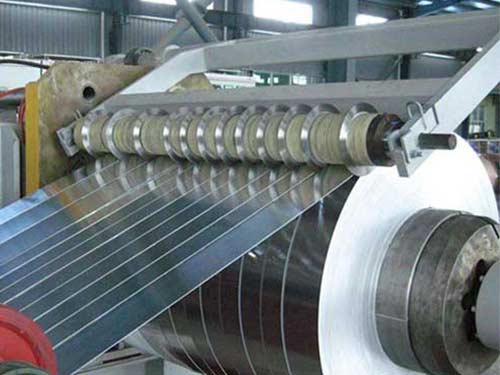
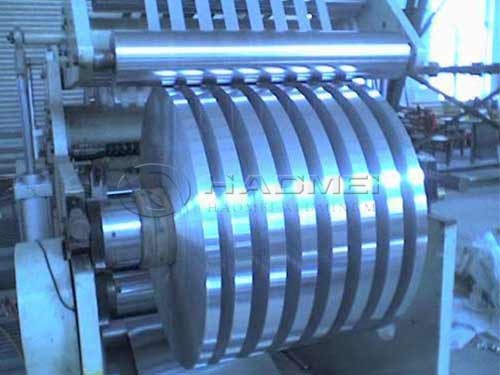
CCA aluminum foil is well suited to precision slitting and stamping when the edge condition is carefully controlled. Excessive burrs can affect electrical contact, insulation clearance, and later forming. For connector tabs, cable shielding components, battery current collectors, or terminal parts, customers commonly specify burr direction, camber, coil set, flatness, and allowable splice conditions.
During bending, the cladded side should be positioned according to the part geometry. Tight-radius forming may place the cladding in tension, so bend testing is recommended before mass production. Soft O temper provides the greatest forming latitude, while H14 or H24 material offers greater shape retention for stamped parts.
Aluminum clad coil strip used in brazing assemblies must be handled with particular attention to surface cleanliness. Oil, moisture, and heavy fingerprints can interfere with flux action or controlled-atmosphere brazing. Degreased surfaces, protected coils, and clean storage conditions help maintain stable brazing results.
Applications Across Industry
CCA aluminum foil is widely used where weight reduction and electrical functionality must work together. It can be processed into cable shielding layers, electromagnetic interference shielding components, transformer winding elements, conductive tapes, connector blanks, laminated conductor parts, and electrical contact substrates. Copper on the exterior provides a workable conductive surface, while the aluminum core reduces overall material mass.
In power and electronics systems, CCA strip can support busbar-related parts, flexible conductive structures, battery-module interconnect components, and terminal elements where design validation confirms suitability. It is particularly attractive in equipment that benefits from lower weight without requiring a fully solid-copper cross section.
Aluminum clad coil strip is commonly used in automotive heat exchangers, HVAC coils, refrigeration components, charge-air coolers, condensers, evaporators, and industrial thermal systems. The aluminum-silicon cladding melts first during brazing and creates joints between tubes, fins, headers, or formed plates while the core remains structurally intact.
Other uses include lamp components, packaging hardware, appliance heat-transfer parts, decorative trim, reflector-related products, and lightweight formed housings. The product can be delivered with slit edges, mill edges, paper interleaving, protective film, or export-grade packaging according to production needs.
Selection Guidance
A successful specification begins with the final process rather than only the alloy name. Electrical applications should define required conductivity, cladding ratio, contact resistance, bending direction, and soldering or welding method. Brazing applications should define furnace atmosphere, peak temperature, dwell time, core alloy, cladding alloy, and joint configuration.
Thickness should account for the complete part requirement, not only the aluminum core. In copper-clad material, the cladding contributes to total gauge and influences conductivity, forming behavior, and cost. In aluminum brazing sheet, cladding thickness influences filler availability and brazed-joint reliability.
CCA aluminum foil and aluminum clad coil strip provide a practical material platform for manufacturers seeking lighter components, controlled surface performance, and repeatable coil-fed processing. With the right core alloy, cladding design, temper, and dimensional control, the material can serve demanding electrical, thermal, and fabrication applications efficiently.