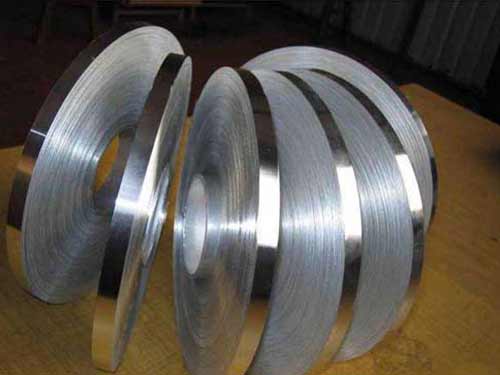
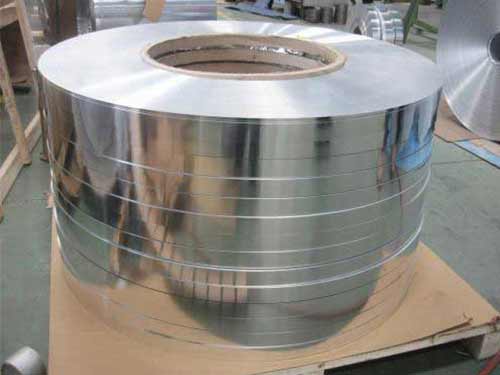
3004 O Aluminium Strip for Lamp Caps
3004 O aluminium strip for lamp caps is a high-formability Al-Mn-Mg alloy material developed for press forming, deep drawing, rolling, curling, and shaping of lighting components. It is widely used in the production of threaded lamp caps, bulb bases, reflector-related parts, and other metal fittings that require a clean appearance and dependable dimensional stability.
Lamp caps may look like small components, but their production places demanding requirements on strip quality. The material must flow smoothly during drawing, resist cracking at folded areas, maintain a uniform wall profile, and provide a stable surface for coating, lacquering, or electroplating. 3004 aluminium strip in O temper meets these needs by combining soft annealed condition with stronger alloy support than commercially pure aluminum grades.
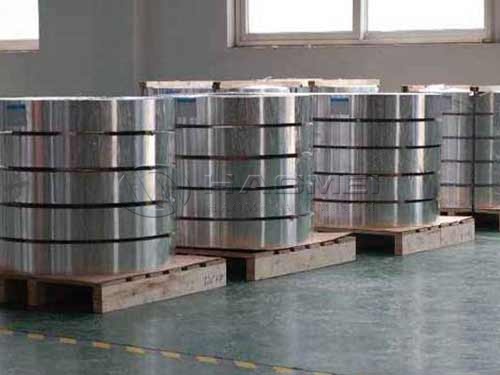
Why 3004 O Temper Fits Lamp Cap Production
The O temper means the strip has been fully annealed. This soft condition provides high ductility, allowing the metal to stretch and redistribute during complex stamping operations. When a flat strip blank is converted into a lamp cap shell, the material may undergo several forming stages, including blanking, drawing, necking, threading, curling, and edge finishing. A stable O temper helps the strip endure these operations without excessive work hardening or premature tearing.
Compared with pure aluminum strip, 3004 contains manganese and magnesium, which improve strength while preserving very good forming behavior. This balance is particularly useful for lamp caps that need to be light in weight but sufficiently rigid after shaping. The finished cap can retain its geometry during bulb assembly, transport, socket engagement, and routine handling.
For manufacturers producing E14, E27, B22, and similar lamp cap formats, 3004 O aluminium strip offers a practical material route where surface consistency, process yield, and finished-part strength must work together.
Chemical Composition
The alloy chemistry of 3004 aluminium strip is controlled to achieve reliable workability, corrosion resistance, and mechanical stability. The composition range may be adjusted according to applicable standards and customer requirements.
| Element | Typical Specified Range, % |
|---|---|
| Silicon, Si | 0.30 max |
| Iron, Fe | 0.70 max |
| Copper, Cu | 0.25 max |
| Manganese, Mn | 1.00-1.50 |
| Magnesium, Mg | 0.80-1.30 |
| Zinc, Zn | 0.25 max |
| Other elements, each | 0.05 max |
| Other elements, total | 0.15 max |
| Aluminum, Al | Balance |
Manganese contributes to strength and structure stability, while magnesium supports solid-solution strengthening and helps the material retain useful rigidity after forming. The result is a strip that remains highly workable in the annealed state yet provides more body than softer, low-alloy alternatives.
Product Features That Matter on the Press Line
Smooth deep drawing behavior
3004 O aluminium strip is designed for deformation. During deep drawing, the strip flows into the die cavity with reduced risk of edge splitting, bottom cracking, or irregular thinning. This is important for lamp caps with cylindrical walls, rounded shoulders, and narrow neck sections.
Stable mechanical response
Consistent coil-to-coil properties make press adjustment easier. When tensile behavior and elongation remain within a controlled range, manufacturers can reduce frequent tooling changes and maintain more predictable drawing depth.
Clean, uniform surface
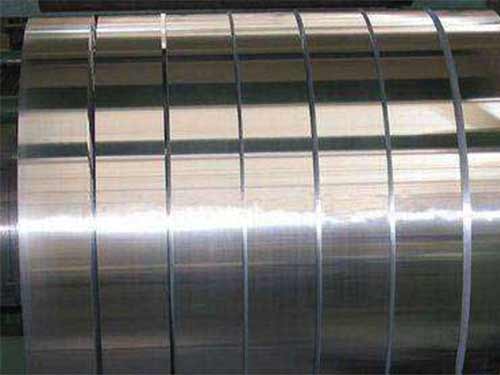
Lamp cap material commonly requires a smooth, even surface because the finished part may be lacquered, plated, printed, or left with a metallic appearance. Properly processed 3004 strip can be supplied with a clean mill finish and controlled surface condition suitable for downstream finishing operations.
Good corrosion resistance
Aluminum naturally forms a dense oxide film that protects the substrate from normal atmospheric exposure. The corrosion resistance of 3004 supports the service requirements of household lighting, commercial lamps, industrial fixtures, and decorative bulb assemblies.
Lightweight finished components
Aluminum lamp caps reduce component weight compared with many steel-based solutions. This supports efficient handling, lower transportation mass, and easier integration into modern lighting products.
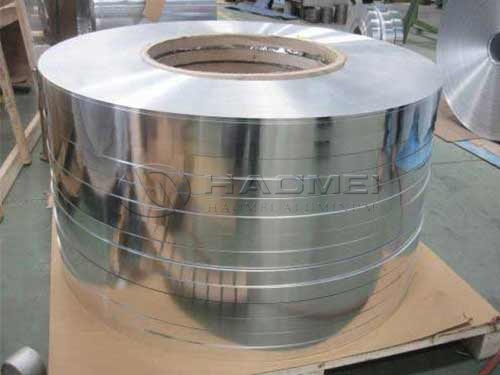
Typical Technical Parameters
| Property | Common Range or Requirement |
|---|---|
| Alloy | AA 3004 |
| Temper | O, fully annealed |
| Thickness | 0.20-1.50 mm, customizable |
| Width | 10-1,600 mm, slit width available |
| Coil inner diameter | 150 mm, 300 mm, 505 mm, or customized |
| Surface | Mill finish, clean and oil-controlled |
| Edge condition | Mill edge, slit edge, deburred edge on request |
| Tensile strength | Approximately 150-190 MPa, depending on gauge and standard |
| Elongation | Typically suitable for deep drawing applications |
| Processing methods | Stamping, drawing, bending, rolling, curling, threading |
Mechanical values should be confirmed against the required thickness, delivery standard, and forming method. For demanding cap geometries, trial material can be evaluated with the customer's die design and lubricant system before volume production.
Applications in Lighting Components
The most common application is the production of metal lamp caps for incandescent, LED, decorative, and specialty bulbs. In these products, the aluminum strip is blanked into discs or profiles and then formed into cap shells. The shell may later receive threads, grooves, insulating inserts, contact components, or protective coatings.
Typical uses include:
- Screw lamp cap shells for E14, E26, and E27 bulb bases
- Bayonet-style lamp cap components
- LED bulb base sleeves and housings
- Decorative lamp fittings and socket-related metal parts
- Reflector support rings and lighting assembly components
- Thin-walled stamped shells requiring a bright or coated surface
For applications needing a closely related alloy with slightly different processing behavior, 3003 Aluminum Strip may also be considered. However, 3004 O temper is often selected when lamp cap producers require a stronger combination of drawability and post-form rigidity.
Processing Considerations for Better Results
Successful lamp cap production depends on both material quality and process control. The strip should be kept clean before entering the press line to avoid surface marks or contamination during drawing. Appropriate lubrication reduces friction between the blank and die, helping preserve the surface and improve material flow.
Tooling radii should match the chosen strip thickness and drawing depth. Excessively sharp die corners can concentrate stress and increase the risk of tearing, even when using a ductile O-temper alloy. Controlled blank-holder pressure is also important: too little pressure may cause wrinkling, while too much can restrict flow and create cracks.
After forming, lamp caps may be threaded, curled, coated, painted, or joined to insulating and electrical parts. The clean surface and corrosion resistance of 3004 aluminum make it suitable for these downstream operations when correct pretreatment and coating procedures are used.
Coil Quality and Supply Options
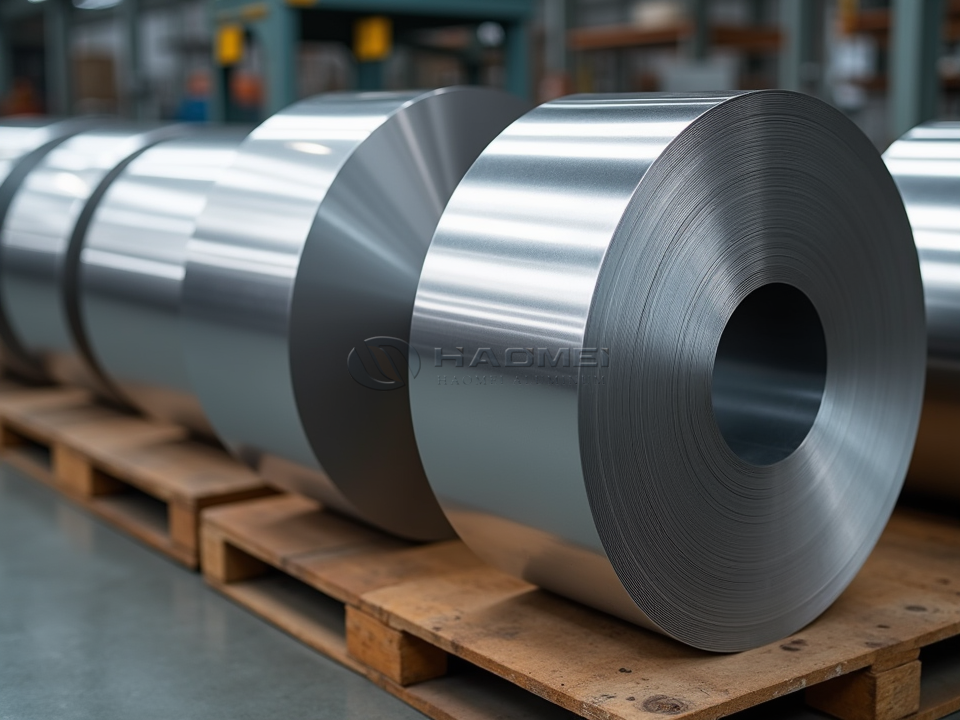
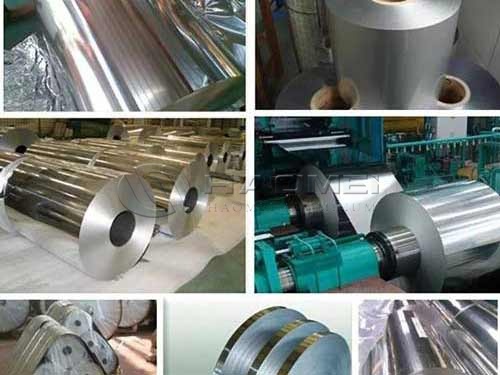
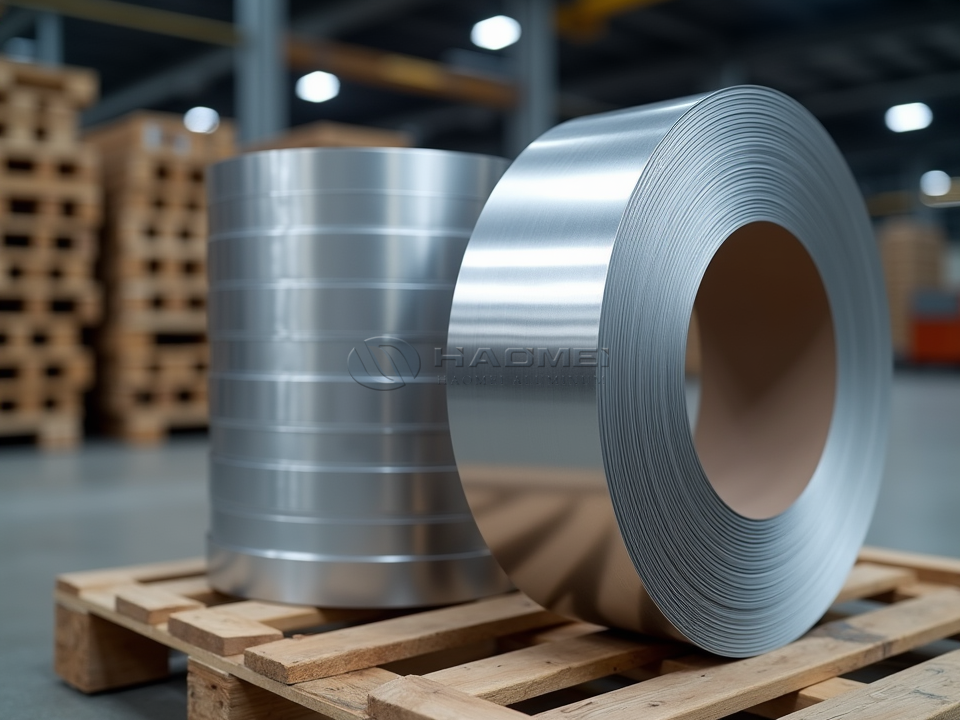
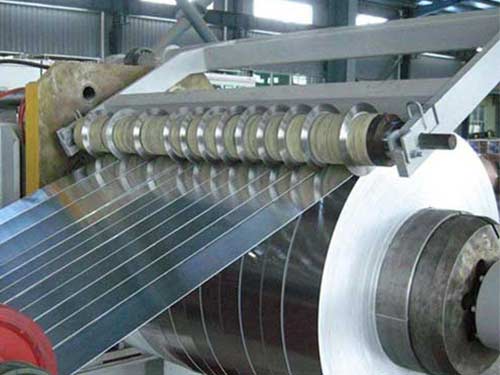
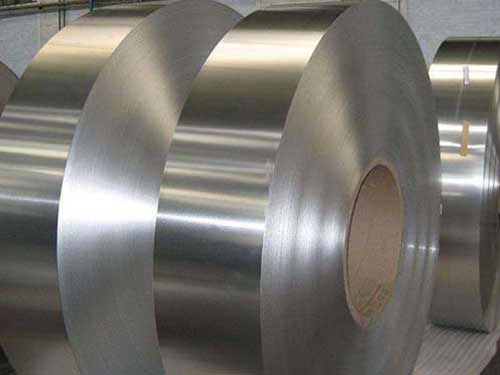
A dependable 3004 O aluminium strip should have stable thickness tolerance, uniform flatness, accurate slit width, and tightly managed coil winding. Poor edge quality can create splitting during high-speed stamping, while unstable thickness may alter drawing performance from one batch to another.
Customers can specify thickness, width, coil weight, inner diameter, outer diameter, surface requirements, and packaging method according to equipment capability. For broader material selection across manganese, magnesium, and other aluminum systems, Alloy Aluminum Strip options can be matched to different forming and strength requirements.
3004 O aluminium strip for lamp caps provides an effective combination of softness for deep drawing, strength for finished-part stability, and surface quality for modern lighting production. It is a dependable choice for manufacturers seeking efficient press performance and consistently formed lamp cap components.