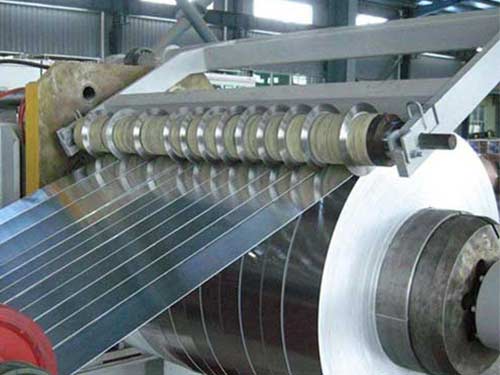
Automatic Double Aluminum Strip for Tablet and Capsule
Automatic Double Aluminum Strip for Reliable Pharmaceutical Packaging
Automatic double aluminum strip is designed for strip-packing lines that seal tablets or capsules between two aluminum-based packaging webs. Rather than using a plastic blister cavity and lidding foil, this format encloses each dose in a compact aluminum laminate pocket. The result is a packaging structure with strong protection against moisture, oxygen, light, odor transfer, and external contamination.
For moisture-sensitive tablets, soft capsules, effervescent products, probiotics, herbal medicines, and hygroscopic formulations, the material is not simply a metal strip. It is a functional sealing system. Its performance depends on the relationship between aluminum alloy, temper, thickness consistency, surface treatment, primer, heat-seal lacquer, and machine settings.
A Packaging Material That Works With the Machine
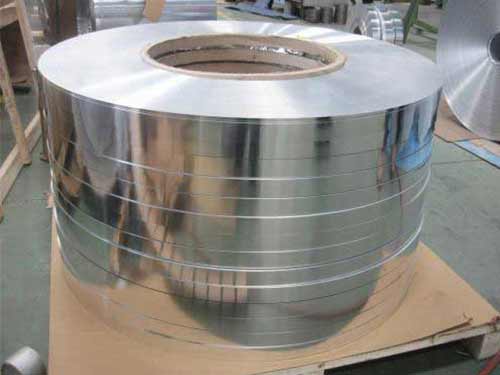
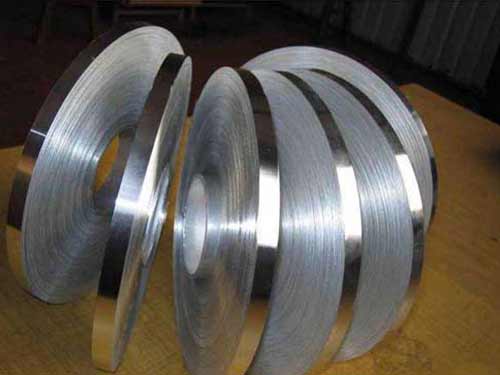
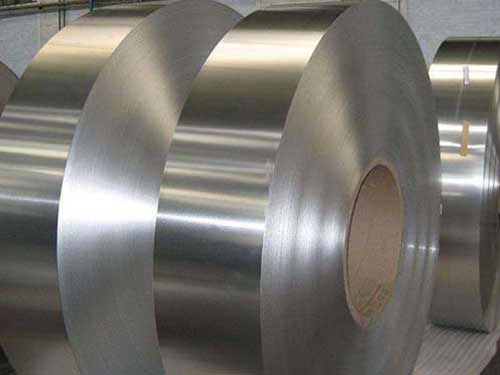
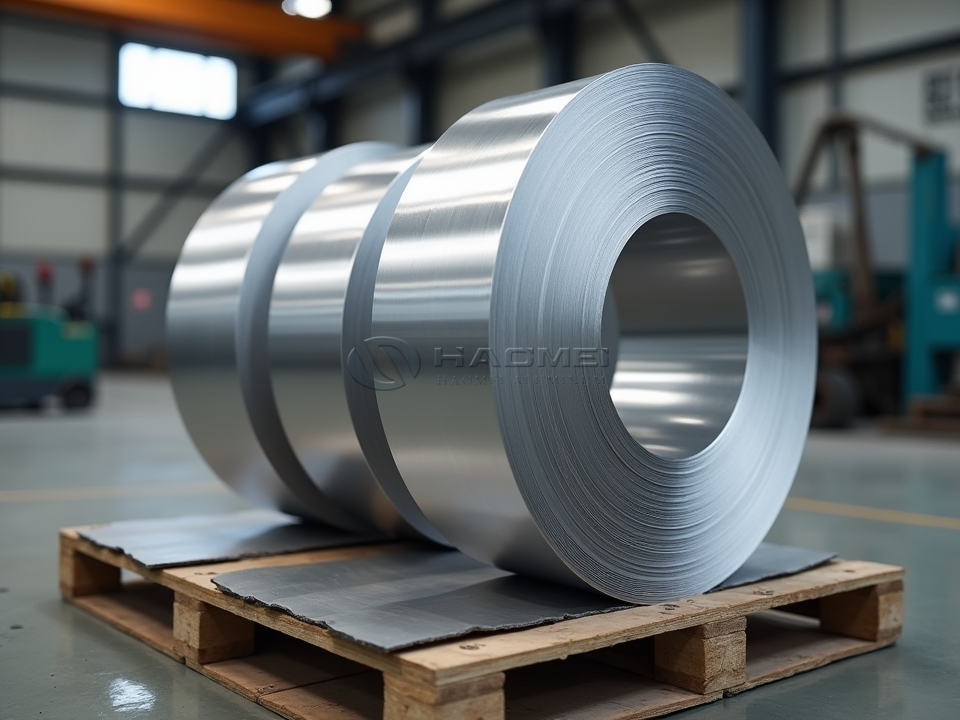
The most practical way to understand automatic double aluminum strip is to view it as a moving component in a continuous packaging process. Two reels enter the automatic strip-packing machine. Tablets or capsules are positioned between the webs, after which heated sealing rollers create separated pockets and perforation lines. The finished strip can then be cut into unit-dose packs.
The aluminum layer creates the barrier, while the heat-seal coating creates the package. If either layer is unstable, the packaging line may experience wrinkling, weak seals, pinholes, registration errors, or inconsistent pocket appearance.
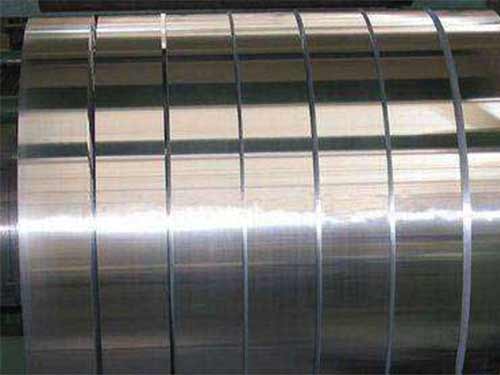
A suitable pharmaceutical strip should provide stable unwinding tension, low edge burr, controlled coil flatness, uniform coating weight, and dependable heat-seal response. These properties help high-speed equipment maintain clean sealing tracks around each tablet or capsule without damaging the dosage form.
For products requiring a high barrier, 8011 Aluminum Strip is commonly selected as the aluminum substrate because it combines good strength, workability, and reliable conversion performance for pharmaceutical foil laminates.
Functions Beyond Simple Wrapping
Automatic double aluminum strip performs several functions at once. Its first role is environmental isolation. Aluminum has an extremely low water-vapor and oxygen transmission rate when the foil is continuous and free from pinholes. This protects medicines that lose potency when exposed to humidity or oxidation.
Its second role is light protection. Many active pharmaceutical ingredients are sensitive to ultraviolet or visible light. An opaque aluminum layer prevents light penetration, helping protect color, activity, aroma, and shelf stability.
Its third role is dose separation. Each sealed pocket isolates one tablet or capsule from the rest of the pack. Once a patient opens one pocket, the remaining doses stay protected. This is especially valuable for long treatment cycles and products stored in humid climates.
The material also supports pharmaceutical identification. The outer printed surface can carry product names, dosage information, batch codes, expiration dates, instructions, and anti-counterfeit graphics. A controlled white base coat or printable primer improves ink adhesion and visual clarity.
Typical Material Structure
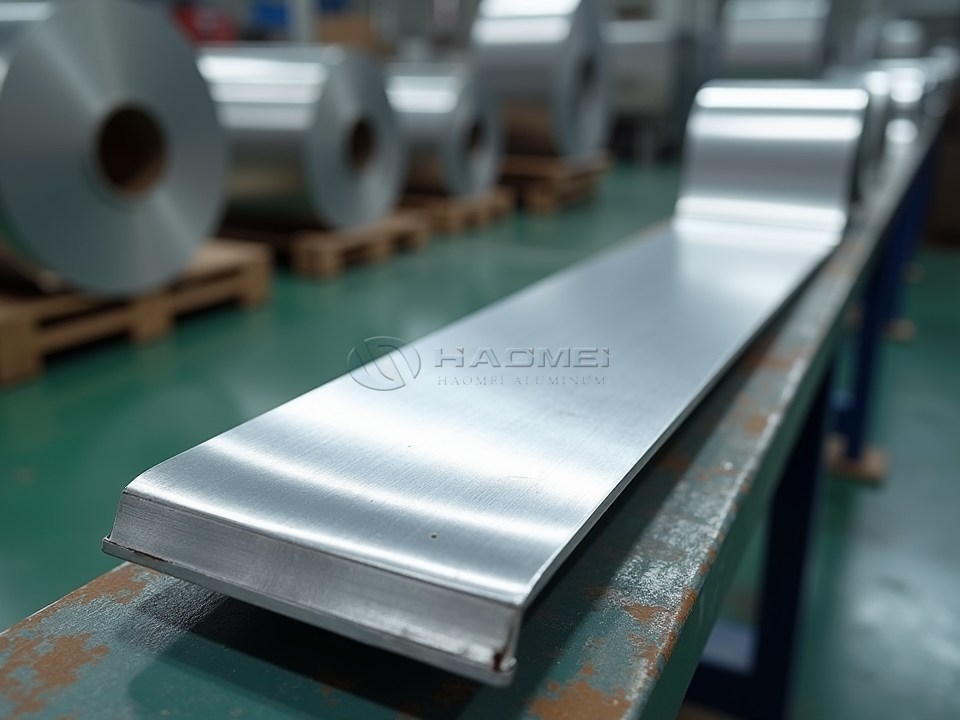
Automatic double aluminum strip is usually not bare aluminum alone. It is commonly supplied as a coated or laminated structure suited to heat sealing. A typical construction may include an outer printing layer, protective lacquer, aluminum foil substrate, primer, and inner heat-seal lacquer. Certain designs include polymer films when additional mechanical strength, print performance, or tailored sealing behavior is required.
The two facing webs are sealed through their heat-seal layers. Seal performance is affected by temperature, dwell time, pressure, roller condition, tablet dust, and coating compatibility. The sealant must create a consistent bond while allowing controlled opening by the patient.
For conventional tablets and hard capsules, common foil thicknesses range from 20 to 30 microns. Thicker material may be used where greater puncture resistance or improved handling stiffness is needed. The correct thickness depends on product shape, edge sharpness, machine speed, pocket pitch, and targeted barrier level.
Common Technical Parameters
| Property | Typical Range or Requirement |
|---|---|
| Aluminum alloy | 8011, 8021, 8079, 1235, or approved equivalent |
| Temper | H18, H19, or controlled hard temper |
| Aluminum foil thickness | 20-30 μm, customized for application |
| Strip width | 30-500 mm, according to packing machine and pocket design |
| Coil inner diameter | 76 mm or 152 mm, subject to machine mandrel |
| Coil outer diameter | Usually up to 600 mm, subject to handling requirements |
| Surface | Mill finish, printed, lacquered, primed, or heat-seal coated |
| Pinholes | Controlled according to foil thickness and customer specification |
| Tensile strength | Commonly 150-220 MPa for hard-temper foil substrates |
| Elongation | Typically 1.0-5.0%, dependent on alloy and gauge |
| Heat-seal temperature | Commonly 140-220°C, dependent on lacquer system |
| Print side | Suitable for gravure or flexographic pharmaceutical printing |
The figures are typical production references rather than a fixed material formula. Final parameters should be matched to the packing machine, tablet hardness, capsule geometry, sealing roller profile, and validation protocol.
Alloy and Temper Selection
8011 aluminum is widely used because its iron and silicon content helps provide strength after rolling while retaining good foil-making behavior. In H18 temper, it offers the stiffness needed for stable high-speed feeding and clean pocket formation. For demanding barrier structures, 8021 and 8079 alloys may also be selected because they are frequently used in thin-gauge pharmaceutical foil applications.
Alloy Aluminum Strip selection should not focus only on nominal chemistry. Grain structure, thickness tolerance, rolling oil residue, surface wettability, and coil shape all influence downstream coating, printing, slitting, and heat sealing.
A hard temper is normally preferred for automatic strip packaging because it resists stretching and reduces deformation during roller transport. However, excessively brittle foil can crack at sharp folding points or perforations. The best condition balances rigidity with controlled flexibility.
Chemical Composition of Typical 8011 Aluminum Strip
| Element | Composition, % by Weight |
|---|---|
| Silicon, Si | 0.50-0.90 |
| Iron, Fe | 0.60-1.00 |
| Copper, Cu | 0.10 maximum |
| Manganese, Mn | 0.20 maximum |
| Magnesium, Mg | 0.05 maximum |
| Zinc, Zn | 0.10 maximum |
| Titanium, Ti | 0.08 maximum |
| Other elements, each | 0.05 maximum |
| Other elements, total | 0.15 maximum |
| Aluminum, Al | Balance |
Chemical composition is generally verified against applicable aluminum alloy specifications. The final coated packaging material should also be evaluated for its intended pharmaceutical contact conditions, migration behavior, odor, coating adhesion, seal integrity, and print durability.
Implementation Standards and Quality Controls
Production and inspection may follow recognized material and packaging references such as ASTM B479 for aluminum and aluminum-alloy foil, EN 546 requirements for foil properties and tolerances, and GB/T 3190 for alloy chemical composition. Pharmaceutical packaging operations commonly align their quality systems with ISO 15378, which applies GMP principles to primary packaging materials for medicinal products.
For export projects, regulatory acceptance should be assessed according to the destination market and the complete packaging structure. Aluminum foil, printing ink, primer, adhesive, and heat-seal lacquer must be considered together. Material testing commonly includes thickness measurement, width tolerance, pinhole inspection, tensile testing, coating weight, seal-strength testing, peel behavior, residual solvent testing, and visual examination for oil marks, scratches, edge damage, and telescoping.
Applications for Tablets and Capsules
Automatic double aluminum strip is especially suited to products requiring high barrier protection in small, portable packs. It is widely used for antibiotics, vitamins, nutraceuticals, traditional herbal tablets, digestive enzymes, pain-relief tablets, anti-allergy medicines, and hard gelatin capsules.
It is also appropriate where patients need unit-dose convenience. The perforated strip format supports controlled dispensing and reduces unnecessary exposure of the remaining medicine. For pharmaceutical brands, the printable outer surface creates space for compliant labeling and product differentiation without adding a separate carton-level message for every dose.
The strongest packaging result comes from treating the strip as part of a full process: alloy selection, hard temper control, coating design, machine compatibility, sealing validation, and storage conditions. When these elements work together, automatic double aluminum strip becomes a dependable barrier system that protects every tablet and capsule from the production line to the patient.