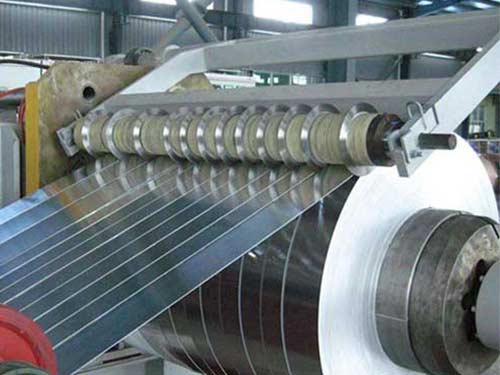
Aluminum Strip Transformer Winding
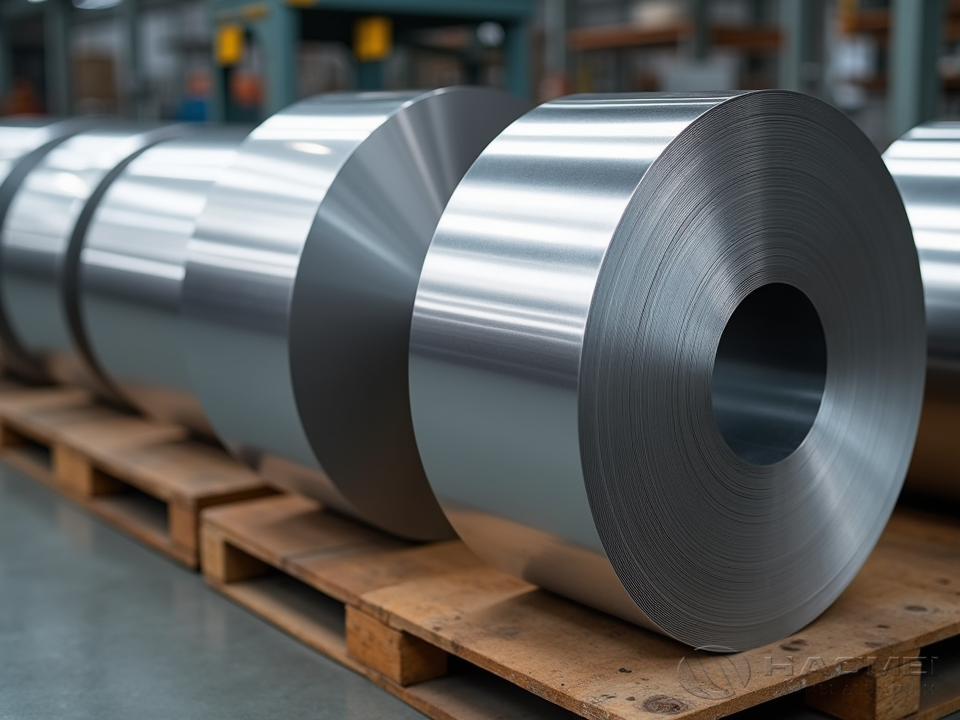
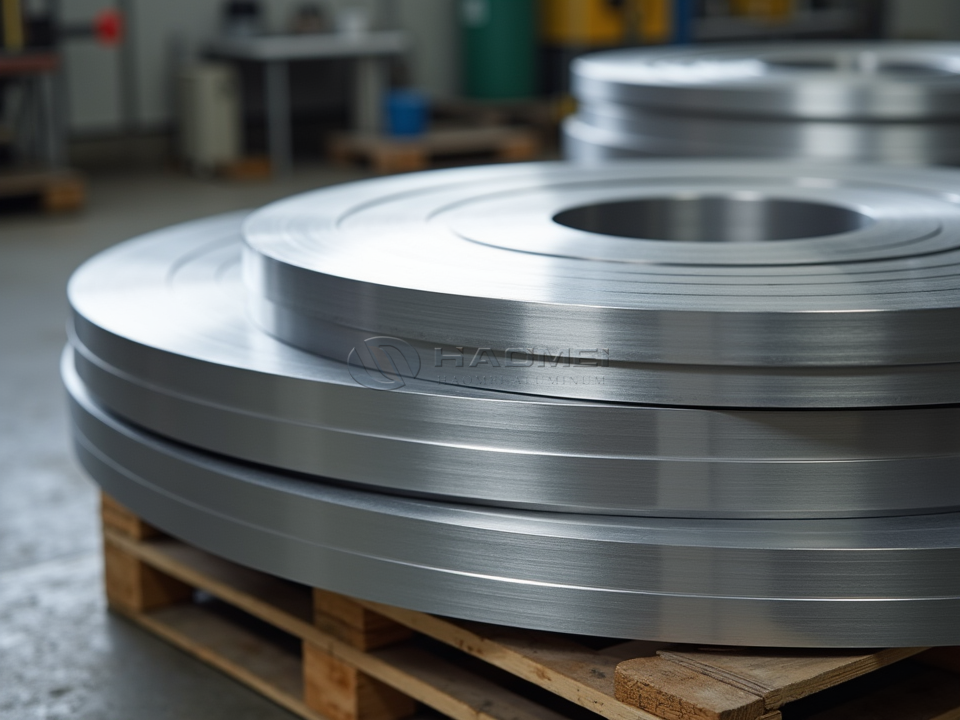
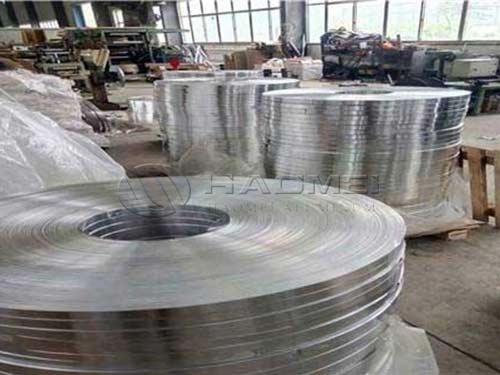
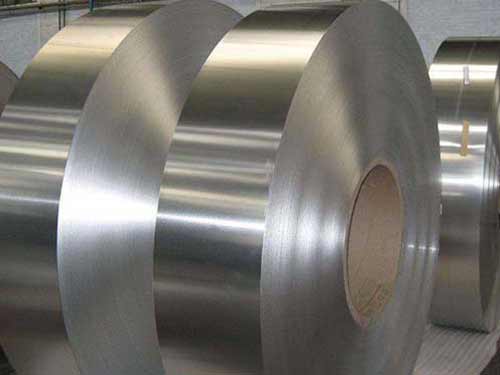
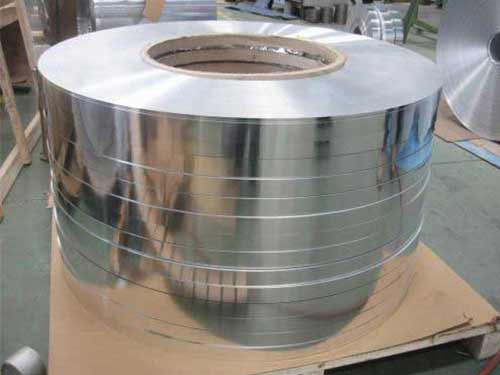
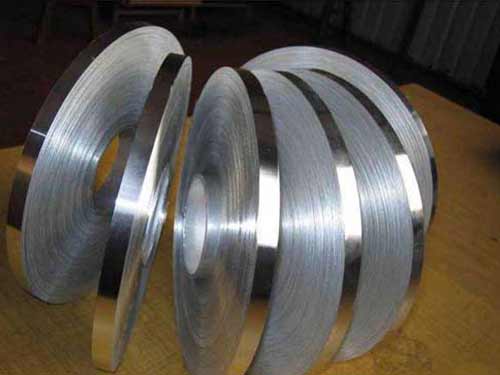
Aluminum strip transformer winding is a flat conductor material used to build low-voltage and medium-voltage coils in power transformers, distribution transformers, dry-type transformers, reactors, and special electrical equipment. Compared with round wire, strip winding offers a broad contact area, compact coil geometry, stable heat transfer, and excellent mechanical balance during short-circuit stress.
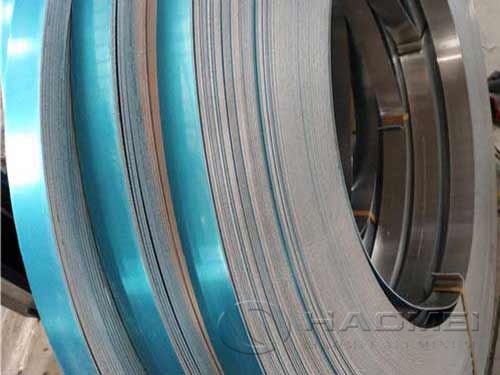
For transformer manufacturers, the value of aluminum strip is not only its metal purity. The real performance comes from controlled conductivity, smooth edges, clean surface, accurate width, consistent thickness, and dependable winding behavior. A well-produced strip runs through foil winding machines without scratches, waviness, burrs, or sudden tension changes. This helps reduce insulation damage, improves coil consistency, and supports long service life.
What Makes Aluminum Strip Suitable for Transformer Winding
Aluminum has about one third the density of copper, which makes it attractive for transformers where weight, cost control, and stable supply matter. Although aluminum has lower conductivity than copper by volume, designers can compensate by using a larger cross-section. The result can be a cost-efficient winding with good thermal performance and reliable electrical output.
High-purity grades such as 1050, 1060, and 1070 are widely selected because they combine high conductivity with excellent ductility. Many dry-type and oil-immersed designs use 1050 / 1060 Aluminum Strip when the project needs clean surface quality, predictable elongation, and stable current carrying capacity.
The strip format also improves layer arrangement. Flat aluminum lays tightly, giving the coil a neat radial build. This supports better insulation placement, easier resin casting or oil impregnation, and more uniform heat paths from conductor to cooling medium.
Main Technical Parameters
| Parameter | Common Range | Benefit in Transformer Coils |
|---|---|---|
| Alloy grade | 1050, 1060, 1070, 1350 | High conductivity and good winding formability |
| Temper | O, H12, H14, H16 | Balance between softness, strength, and dimensional stability |
| Thickness | 0.20 mm to 3.50 mm | Suitable for foil coils and strip-wound coils |
| Width | 10 mm to 1600 mm | Supports small reactors to large distribution transformers |
| Conductivity | 60% to 62% IACS typical | Helps reduce electrical loss in properly designed windings |
| Edge condition | Slit edge, deburred edge, rounded edge | Protects insulation paper, film, and enamel systems |
| Surface | Bright, clean, oil-controlled | Reduces contamination during winding and insulation bonding |
| Coil inner diameter | As required by machine | Smooth feeding and stable unwinding tension |
These values can be adjusted according to transformer rating, winding machine type, insulation system, and customer drawing. In practice, width tolerance and burr control often decide whether a strip is easy to use. Even a highly conductive strip can cause production trouble if its edge scratches insulation or if coil telescoping occurs during unwinding.
Chemical Composition Reference
| Grade | Al Minimum | Si | Fe | Cu | Mn | Mg | Zn | Ti |
|---|---|---|---|---|---|---|---|---|
| 1050 | 99.50% | 0.25% max | 0.40% max | 0.05% max | 0.05% max | 0.05% max | 0.05% max | 0.03% max |
| 1060 | 99.60% | 0.25% max | 0.35% max | 0.05% max | 0.03% max | 0.03% max | 0.05% max | 0.03% max |
| 1070 | 99.70% | 0.20% max | 0.25% max | 0.04% max | 0.03% max | 0.03% max | 0.04% max | 0.03% max |
| 1350 | 99.50% min | Controlled | Controlled | 0.05% max | 0.01% max | 0.05% max | 0.05% max | 0.03% max |
Low impurity levels support higher electrical conductivity. Iron and silicon influence strength and workability, while copper, magnesium, manganese, and zinc are usually kept low for electrical applications. For projects requiring different alloy families beyond standard electrical grades, Alloy Aluminum Strip options can be matched to mechanical or forming needs.
Feature Profile Customers Should Notice
The first feature is conductivity stability. Transformer winding is a repetitive process: every meter of strip becomes part of the electrical path. Stable conductivity helps designers calculate losses more accurately and keeps production batches consistent.
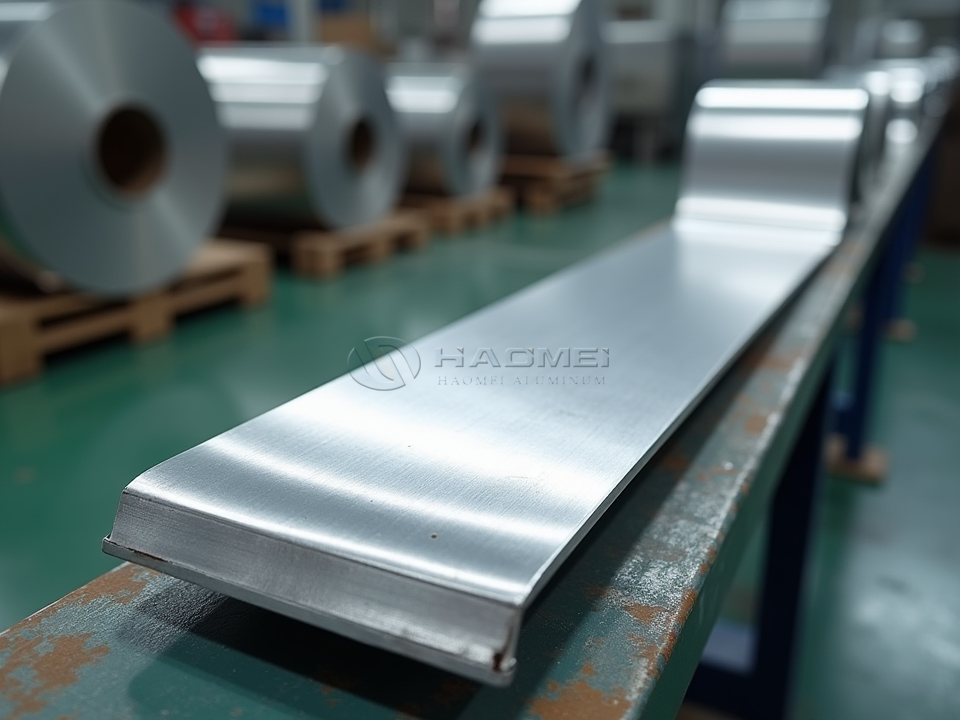
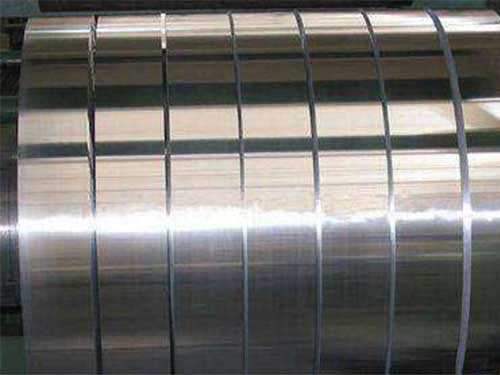
The second feature is edge safety. Transformer insulation is often thin and sensitive. A rough slit edge can cut kraft paper, polyester film, NOMEX paper, or epoxy insulation during winding. A good transformer aluminum strip should have low burr height, neat edges, and no sharp metal flakes.
The third feature is surface cleanliness. Oil stain, oxide powder, rolling marks, black lines, or embedded particles can weaken insulation bonding and affect local electric field behavior. Clean strip supports better interlayer contact and reduces the risk of partial discharge in dry-type designs.
The fourth feature is flatness. Strip that waves or bends sideways may create uneven coil layers. This affects radial pressure, insulation spacing, and finished coil shape. Stable flatness allows high-speed winding and reduces manual correction.
The fifth feature is ductility. Soft O-temper strip is easy to wind and fold, while half-hard tempers give improved shape retention. The best choice depends on coil structure, conductor thickness, bending radius, and clamping design.
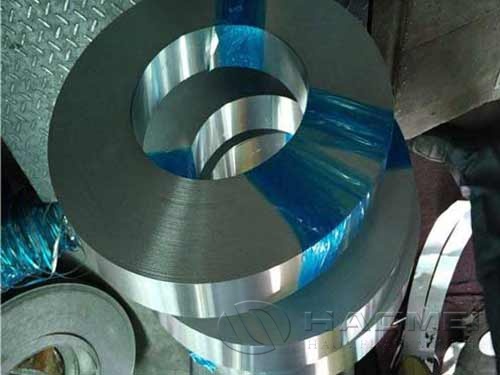
Performance in Transformer Manufacturing
During production, aluminum strip is exposed to repeated tension, bending, and compression. If the strip is too hard, cracks or springback may appear at lead bends. If it is too soft, coil deformation may occur during assembly. This is why temper control is so valuable.
In foil winding, aluminum strip can form compact layers with insulation inserted between turns. This method gives excellent short-circuit strength because electromagnetic forces are distributed across broad surfaces rather than concentrated at small wire contact points. The broad conductor also improves heat dissipation, helping the transformer operate within thermal limits.
For oil-immersed transformers, clean aluminum strip works well with oil-paper insulation systems. For cast resin transformers, surface cleanliness and edge quality are even more critical because voids, particles, or damaged insulation can reduce dielectric reliability.
Common Applications
Aluminum strip transformer winding is used across many electrical products, especially where compact structure and cost efficiency are needed.
- Distribution transformers for residential, industrial, and utility networks
- Dry-type transformers for buildings, data centers, rail stations, and renewable energy systems
- Oil-immersed transformers for grid and factory power supply
- Low-voltage foil windings in cast resin transformers
- Reactors, chokes, stabilizers, and filter coils
- Solar and wind power step-up transformer coils
- Furnace transformers and special equipment requiring large current paths
In these applications, aluminum strip helps reduce total conductor weight and supports economical coil design. It is also easier to source in wide formats, making it practical for high-volume transformer plants.
Quality Points Before Purchase
Customers should confirm the drawing requirements before ordering, including alloy, temper, thickness, width, edge shape, burr limit, conductivity, coil weight, inner diameter, and packing method. If the strip will run on automatic winding equipment, coil alignment and tension stability should also be discussed.
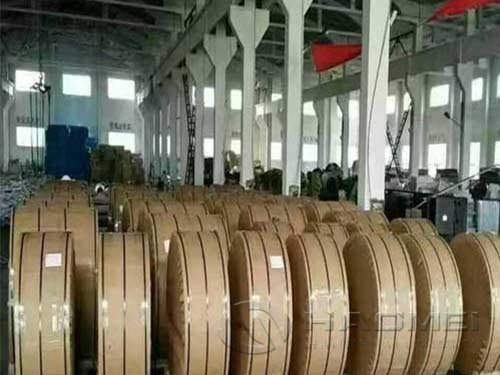
Packaging matters as much as the strip itself. Moisture, impact, and dust can damage bright aluminum surfaces before production starts. Export packing often uses moisture-proof film, paper interleaving when required, wooden pallets, and protective edge boards. Proper packing keeps coils round, clean, and ready for machine feeding.
Final Selection Advice
A good aluminum strip transformer winding product should feel simple to use: it unwinds smoothly, keeps its shape, protects insulation, and delivers stable electrical performance. For customers, the best purchase is not always the cheapest coil. It is the strip that reduces winding stoppage, lowers scrap, supports transformer efficiency, and stays consistent from batch to batch.
When selecting a supplier, ask for conductivity data, mechanical test results, dimensional tolerance records, surface inspection standards, and packing details. With the right grade and processing control, aluminum strip becomes a dependable conductor for modern transformer manufacturing.