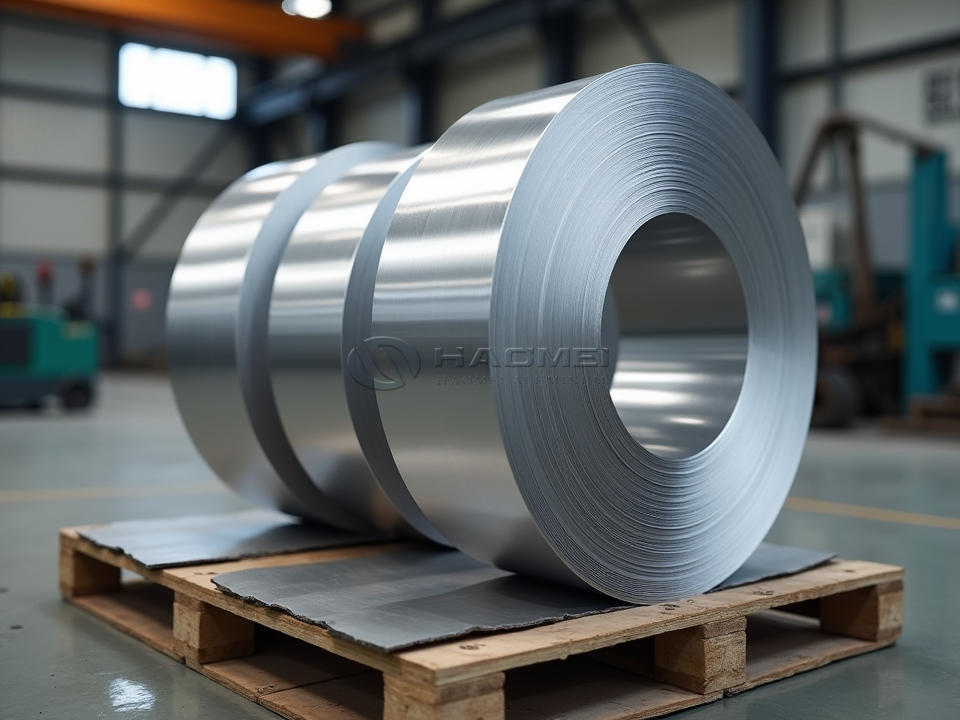
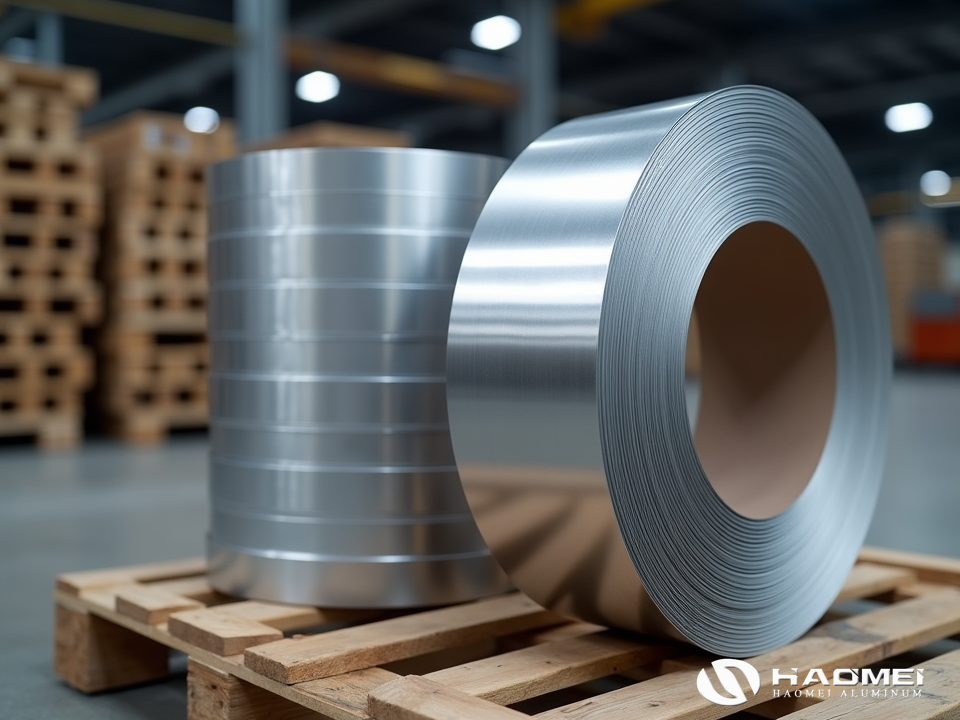
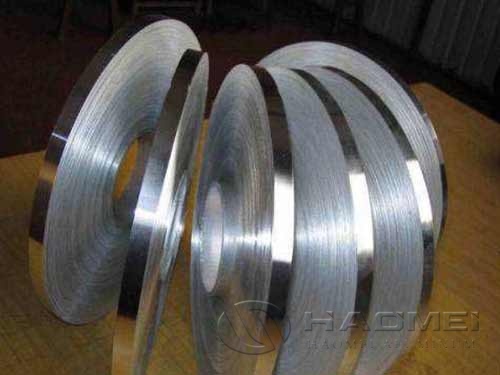
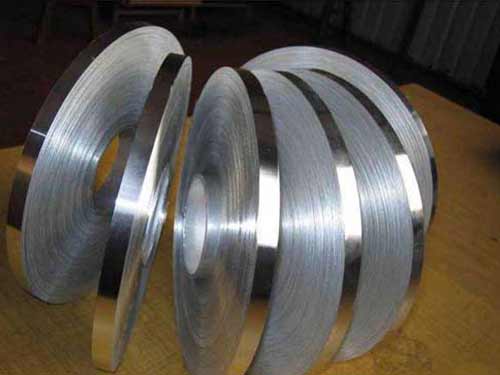
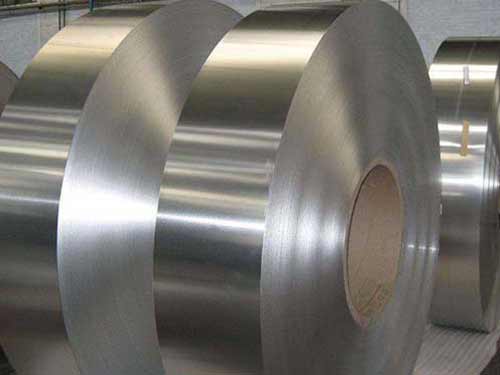
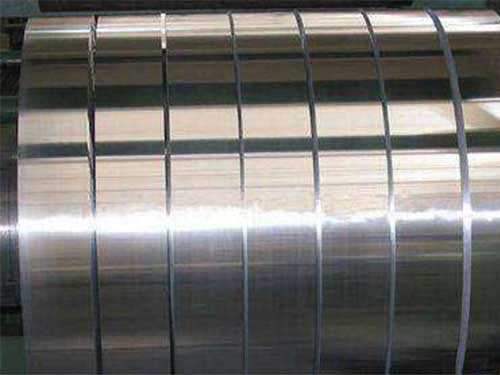
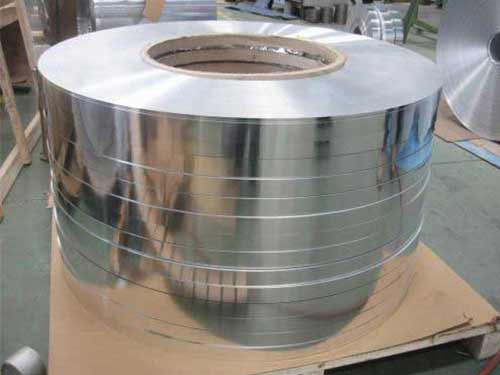
Aluminum Strip for Air Ventilation Duct
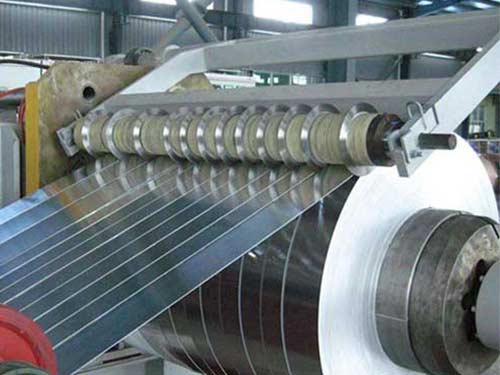
Aluminum strip for air ventilation duct is a narrow coil material supplied for HVAC duct forming, flexible duct reinforcement, spiral duct seams, edge bands, collars, dampers, connectors, and sealing components. Compared with galvanized steel, aluminum offers low weight, clean surface quality, natural corrosion resistance, and easy forming, making it well suited for commercial buildings, industrial ventilation, clean rooms, kitchens, workshops, and transport ventilation systems.
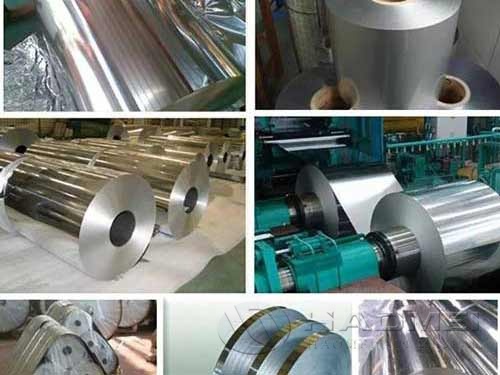
For duct producers, the strip must run smoothly through slitting, roll forming, bending, stamping, riveting, and locking equipment. Stable thickness, precise width, burr control, and suitable temper are just as important as alloy chemistry. A high-quality strip helps reduce air leakage, improve assembly speed, and keep finished ducts neat and durable.
Main Functions in Air Ventilation Duct Systems
Aluminum strip plays several roles in duct manufacturing and installation. In spiral duct production, it can be formed into locking seams or reinforcing ribs. In rectangular ductwork, it is used for edge protection, sealing strips, flanges, corners, and connection bands. For flexible ducts, thin aluminum strip or foil strip can strengthen the tube structure while maintaining bendability.
| Function | Material Requirement | Benefit to Duct Performance |
|---|---|---|
| Duct wall strip | Good flatness, stable gauge, smooth surface | Light duct body with clean appearance |
| Spiral lock seam | Medium ductility, controlled hardness | Tight seam, reduced leakage risk |
| Reinforcement band | Higher strength temper | Better shape retention under airflow pressure |
| Flange and collar | Good bending and punching behavior | Faster installation and accurate connection |
| Flexible duct support | Thin gauge, soft to semi-hard temper | Easy bending with reliable rebound control |
| Sealing and edge strip | Burr-free slitting, clean surface | Safer handling and better sealing contact |
Common Applications
Aluminum strip for air ventilation duct is used in HVAC systems where corrosion resistance and weight reduction matter. It is also chosen when the duct surface needs to remain bright, clean, or suitable for coating.
| Application Area | Typical Use | Suggested Alloy |
|---|---|---|
| Commercial HVAC | Spiral ducts, rectangular duct seams, flanges | 3003, 3105 |
| Industrial ventilation | Exhaust ducts, equipment ventilation, protection bands | 3003, 5052 |
| Clean rooms and laboratories | Lightweight duct body and edge strips | 1100, 3003 |
| Kitchen exhaust systems | Moisture-resistant duct parts | 3003, 5052 |
| Flexible aluminum duct | Thin strip reinforcement and foil-based structures | 8011, 3003 |
| Vehicle and rail ventilation | Lightweight duct panels and formed strips | 3003, 5052 |
For general HVAC duct fabrication, 3003 Aluminum Strip is one of the most practical choices because it combines corrosion resistance, formability, and moderate strength.
Alloy Selection and Temper Conditions
The right alloy and temper depend on the forming method, duct pressure class, expected environment, and required stiffness. Soft temper is easier to bend, while half-hard and hard tempers improve strength and dimensional stability.
| Alloy | Temper Options | Main Features | Suitable Duct Components |
|---|---|---|---|
| 1050 | O, H12, H14, H18 | High purity, excellent formability, good conductivity | Light-duty duct parts, decorative strips |
| 1060 | O, H14, H18 | Very good corrosion resistance, soft forming behavior | Thin duct strip, flexible duct elements |
| 1100 | O, H12, H14 | Good ductility and surface finish | Clean room duct, edge strip, sealing band |
| 3003 | O, H12, H14, H16, H18 | Manganese alloyed, balanced strength and workability | Spiral duct, flange, lock seam, collars |
| 3004 | H14, H16, H18 | Higher strength than 3003, good coating response | Reinforced duct strip, formed bands |
| 3105 | H14, H16, H18 | Good corrosion resistance, good paintability | Painted HVAC duct strip, external bands |
| 5052 | O, H32, H34 | Magnesium alloyed, strong corrosion resistance | Industrial duct, marine or humid environments |
| 8011 | O, H22, H24 | Thin-gauge performance, good flexibility | Flexible duct and foil-based duct components |
Technical Specifications
Exact specifications can be customized according to duct forming equipment. For continuous production lines, coil ID, width tolerance, and burr height should be confirmed before ordering.
| Parameter | Typical Range | Notes |
|---|---|---|
| Thickness | 0.10-3.00 mm | Thin strip for flexible duct, thicker strip for flanges and reinforcement |
| Width | 10-600 mm | Slit width customized for roll forming or stamping |
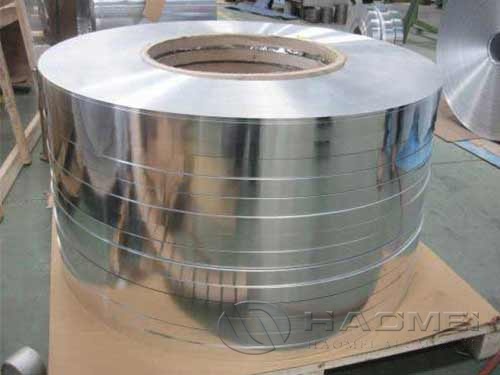
| Coil ID | 300 mm, 405 mm, 508 mm | Selected according to uncoiler system |
| Coil OD | 800-1600 mm | Depends on coil weight and packaging method |
| Coil weight | 200-3000 kg | Can be split into smaller coils if required |
| Thickness tolerance | ±0.005-±0.03 mm | Based on gauge and standard |
| Width tolerance | ±0.05-±0.30 mm | Narrow strip can be supplied with tighter control |
| Burr height | ≤0.03 mm typical | Important for sealing, safety, and automatic feeding |
| Surface | Mill finish, bright, brushed, coated | Protective film available on request |
| Edge | Slit edge, deburred edge, round edge | Chosen by forming and handling requirements |
Chemical Composition
The following values are typical limits from common aluminum strip standards. Final chemistry should follow the purchase standard and mill certificate.
| Alloy | Si | Fe | Cu | Mn | Mg | Cr | Zn | Ti | Al |
|---|---|---|---|---|---|---|---|---|---|
| 1050 | ≤0.25 | ≤0.40 | ≤0.05 | ≤0.05 | ≤0.05 | - | ≤0.05 | ≤0.03 | ≥99.50 |
| 1060 | ≤0.25 | ≤0.35 | ≤0.05 | ≤0.03 | ≤0.03 | - | ≤0.05 | ≤0.03 | ≥99.60 |
| 1100 | Si+Fe ≤0.95 | - | 0.05-0.20 | ≤0.05 | - | - | ≤0.10 | - | ≥99.00 |
| 3003 | ≤0.60 | ≤0.70 | 0.05-0.20 | 1.00-1.50 | - | - | ≤0.10 | - | Remainder |
| 3004 | ≤0.30 | ≤0.70 | ≤0.25 | 1.00-1.50 | 0.80-1.30 | - | ≤0.25 | - | Remainder |
| 3105 | ≤0.60 | ≤0.70 | ≤0.30 | 0.30-0.80 | 0.20-0.80 | ≤0.20 | ≤0.40 | ≤0.10 | Remainder |
| 5052 | ≤0.25 | ≤0.40 | ≤0.10 | ≤0.10 | 2.20-2.80 | 0.15-0.35 | ≤0.10 | - | Remainder |
| 8011 | 0.50-0.90 | 0.60-1.00 | ≤0.10 | ≤0.20 | ≤0.05 | ≤0.10 | ≤0.10 | ≤0.08 | Remainder |
Mechanical Properties for Duct Fabrication
Mechanical values vary by alloy, thickness, and production route. The data here are common reference ranges for HVAC strip selection.
| Alloy Temper | Tensile Strength MPa | Yield Strength MPa | Elongation % | Fabrication Character |
|---|---|---|---|---|
| 1060-O | 60-95 | 20-45 | 20-35 | Very soft, excellent bending |
| 1100-H14 | 110-145 | 95-125 | 3-10 | Good for edge strips and light forming |
| 3003-O | 95-130 | 35-55 | 20-30 | Excellent for deep bends and complex forming |
| 3003-H14 | 140-180 | 115-155 | 3-8 | Balanced choice for spiral duct seams |
| 3003-H18 | 185-220 | 170-205 | 1-4 | Higher stiffness for reinforcing strips |
| 3105-H16 | 160-205 | 140-180 | 2-6 | Good for painted duct components |
| 5052-H32 | 210-260 | 160-215 | 5-12 | Stronger option for humid or industrial air |
| 8011-O | 80-120 | 35-60 | 10-25 | Thin flexible duct and foil strip use |
Physical and Chemical Performance
Aluminum naturally forms a dense oxide film that protects the strip surface from further oxidation. This makes it suitable for most indoor ventilation systems and many mildly corrosive environments.
| Property | Typical Value | Importance in Duct Use |
|---|---|---|
| Density | 2.70 g/cm³ | About one-third of steel, easier handling and installation |
| Melting range | 630-660°C | Suitable for normal HVAC operating temperatures |
| Thermal conductivity | 150-235 W/m·K | Helps dissipate heat in ventilation systems |
| Linear expansion | 23 x 10⁻⁶/K | Allowance needed for long duct runs |
| Natural oxide film | 2-10 nm typical | Improves corrosion resistance without coating |
| Magnetic behavior | Non-magnetic | Useful near instruments and sensitive equipment |
| Recyclability | High | Supports lower material waste and circular production |
Implementation Standards
Aluminum strip for duct use can be supplied according to international material standards and ductwork fabrication requirements. Buyers should specify the required standard in the purchase contract.
| Category | Standard | Scope |
|---|---|---|
| Aluminum sheet and strip | ASTM B209/B209M | Aluminum and aluminum alloy sheet and plate requirements |
| Aluminum products | EN 485 | Mechanical properties, tolerances, and general conditions |
| Chemical composition | EN 573-3 | Alloy designation and composition limits |
| Temper designation | EN 515 | Temper code system for wrought aluminum |
| Chinese aluminum strip | GB/T 3880 | Sheet and strip technical delivery requirements |
| HVAC duct construction | SMACNA | Duct design, reinforcement, and installation practice |
| Rectangular and round duct | EN 1505, EN 1506, EN 1507 | Duct dimensions, leakage, and strength testing |
| Quality management | ISO 9001 | Production and traceability control |
| Environmental compliance | RoHS, REACH | Restricted substance control when required |
Surface Quality and Packaging
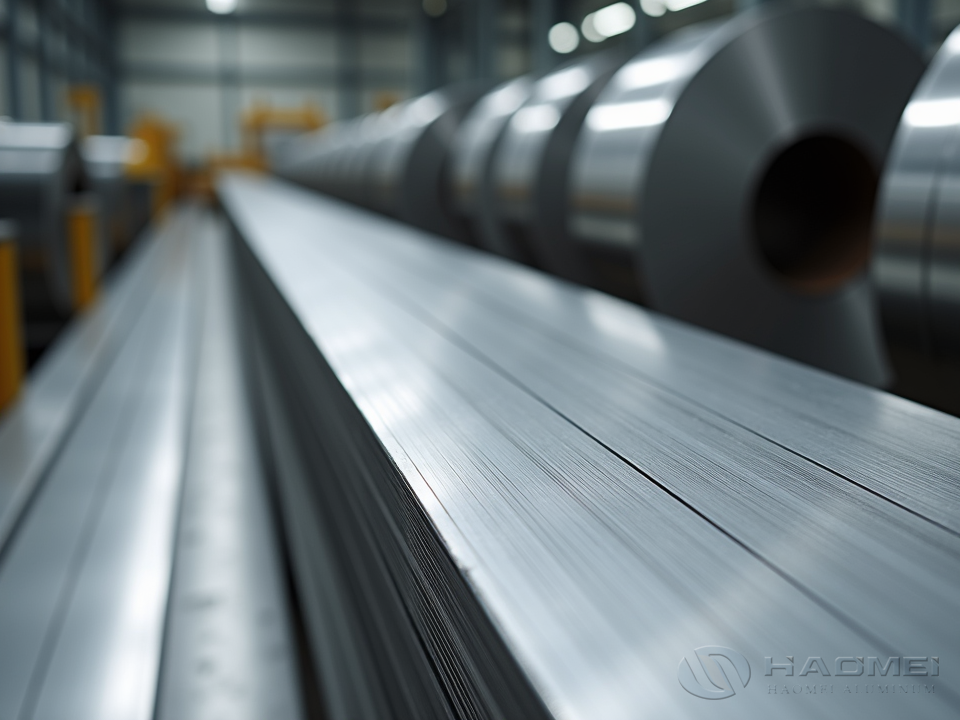
A duct strip should be free from cracks, heavy oil stains, severe scratches, edge waves, oxidation marks, and slit burrs that may affect sealing or automatic feeding. For visible ducts, brushed, coated, or bright mill-finish strip can improve appearance. For humid or coastal projects, coated aluminum strip or 5052 alloy can offer stronger resistance.
| Quality Item | Recommended Control |
|---|---|
| Flatness | No severe wave affecting feeding or forming |
| Surface oil | Light rolling oil acceptable if agreed |
| Scratches | No deep scratches exposing structural risk |
| Telescoping | Controlled coil alignment for safe unwinding |
| Packaging | Eye-to-wall or eye-to-sky, wooden pallet, moisture-proof paper |
| Identification | Alloy, temper, size, coil number, weight, standard, batch number |
Buying Guidance for HVAC Duct Producers
When purchasing aluminum strip for air ventilation duct production, provide the duct type, forming method, alloy, temper, thickness, width, coil ID, surface requirement, and standard. If the strip will be painted, laminated, punched, or roll-formed at high speed, sample testing is recommended before mass production. Proper alloy and temper matching reduces cracking at bends, poor lock formation, excessive springback, and coil feeding interruptions.
Aluminum strip is a practical material for modern ventilation duct systems because it combines lightweight handling, corrosion resistance, consistent formability, and clean appearance. With precise slitting, suitable temper, and verified standards, it helps duct manufacturers produce reliable HVAC components with stable quality and efficient production flow.