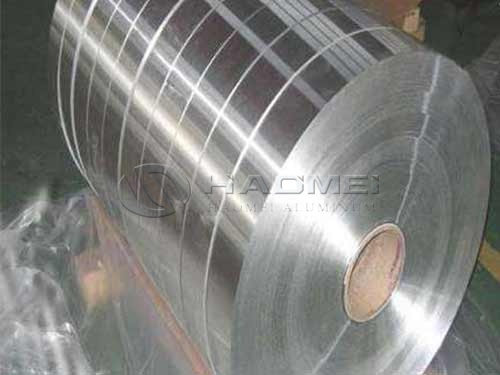
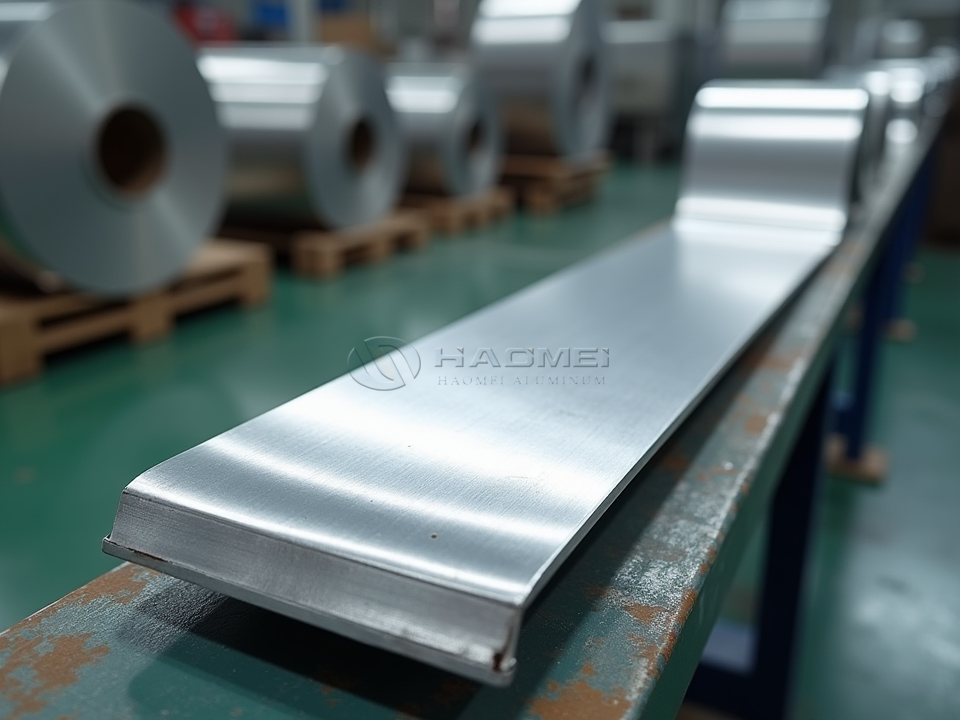
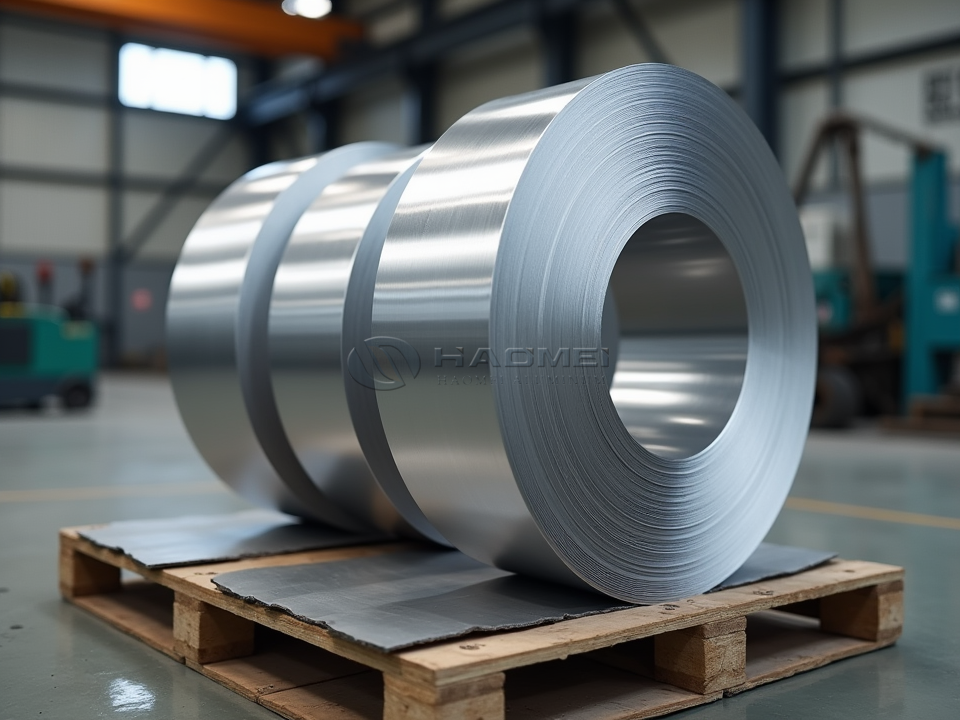
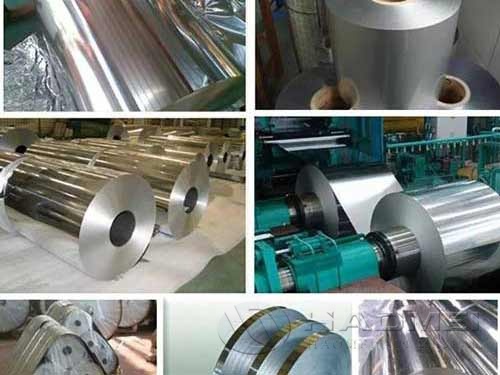
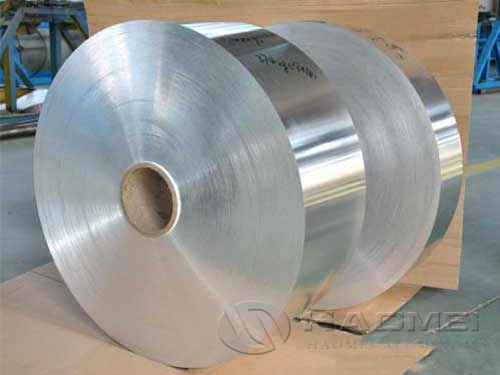
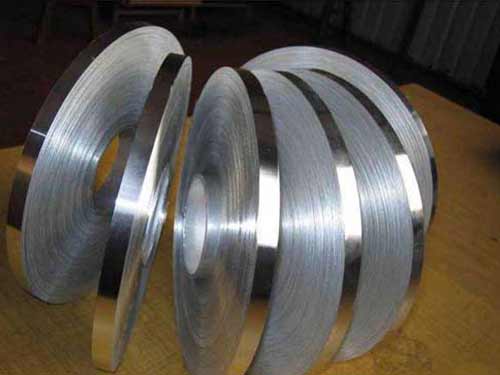
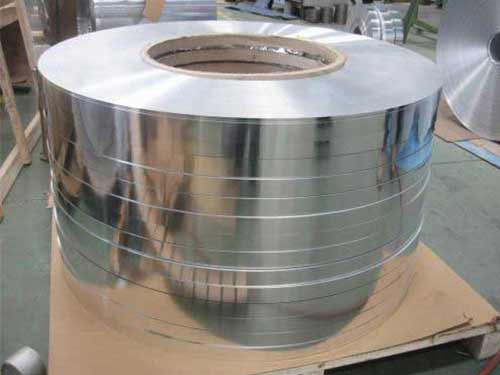
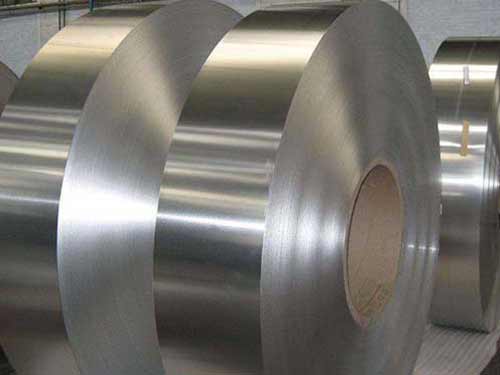
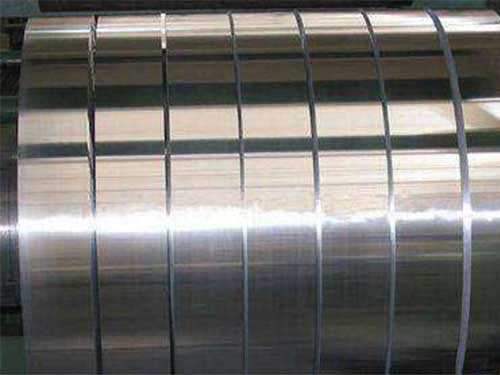
Aluminum Strip Coils for Roofing
A roofing coil is more than a roll of metal waiting to be shaped. It becomes the rain path, the heat shield, and often the visible skin of a building. Aluminum strip coils for roofing are selected not only for low weight and corrosion resistance, but also for how consistently they behave at the roll former, press brake, seaming machine, and installation site.
The most successful roofing material choices begin with a practical question: how will the metal move? A standing-seam panel is repeatedly bent along narrow radii. A gutter profile needs clean folds without edge cracking. A corrugated roofing sheet must retain shape while handling wind load and thermal movement. The alloy, temper, thickness, coating, and slit-edge quality all influence that result.
Why Aluminum Strip Coil Fits Modern Roofing
Aluminum has a natural oxide film that protects the surface from normal atmospheric corrosion. This feature makes aluminum roofing coil particularly suitable for humid regions, industrial districts, coastal buildings, and structures exposed to frequent rain. Compared with heavier metal roofing materials, aluminum reduces dead load on the roof frame and makes transport and installation easier.
Its high thermal conductivity should be considered carefully. Aluminum reacts quickly to sunlight and ambient temperature changes, so roofing systems need correctly designed clips, expansion details, overlaps, and fastening spacing. A panel restrained too tightly can develop distortion, oil canning, or stress near fastener points as temperatures rise and fall.
For painted aluminum strip coils, the coating system has an equally important role. Polyester coatings are commonly used for general construction applications, while PVDF coatings are preferred where long-term color retention, UV resistance, and weather durability are required. The rear side may receive a service coat or protective backing suited to the roofing assembly.
Common Alloys for Roofing Strip Coils
The 3000-series alloys are widely used for formed roofing products because manganese improves strength while maintaining workable ductility. Alloy 3003 is a dependable choice for general roofing sheet, flashing, gutters, and formed profiles. For painted roofing panels, 3105 is frequently specified because it combines good formability with strength appropriate for roll forming.
For applications requiring stronger corrosion resistance, especially in marine or chemically aggressive environments, 5052 can be a better choice. Its magnesium content supports stronger performance and good saltwater resistance, although the selected temper must still suit the required bend radius and panel geometry.
A properly specified 3003 Aluminum Strip performs well in many architectural roofing and drainage applications where economical forming behavior matters. For painted roof panels, trims, fascias, and standing-seam systems, 3105 Aluminum Strip is often selected for its balanced forming and strength characteristics.
Chemical Properties of Typical Roofing Alloys
The actual chemistry must comply with the purchase specification and applicable standard. The following table shows commonly specified composition ranges, expressed as weight percentage. Aluminum is the balance unless otherwise stated.
| Alloy | Si | Fe | Cu | Mn | Mg | Cr | Zn | Other Elements |
|---|---|---|---|---|---|---|---|---|
| 3003 | 0.60 max | 0.70 max | 0.05-0.20 | 1.00-1.50 | 0.05 max | - | 0.10 max | 0.05 each, 0.15 total |
| 3105 | 0.60 max | 0.70 max | 0.30 max | 0.30-0.80 | 0.20-0.80 | 0.20 max | 0.40 max | 0.05 each, 0.15 total |
| 5052 | 0.25 max | 0.40 max | 0.10 max | 0.10 max | 2.20-2.80 | 0.15-0.35 | 0.10 max | 0.05 each, 0.15 total |
Manganese in 3003 and 3105 supports strength and forming stability. Magnesium in 5052 provides higher strength and enhanced resistance to salt-laden air. Chemistry alone does not define roofing performance; temper, coating, thickness tolerance, and fabrication practice are equally influential.
Temper Selection and Forming Behavior
Aluminum roofing coils are supplied in annealed, strain-hardened, or stabilized tempers. O temper is soft and highly formable, making it useful for deep folds, intricate flashing, and components requiring severe shaping. It is not usually the first choice when panel stiffness is the main concern.
H14, H16, H24, H34, H44, and H46 are commonly encountered tempers for roofing-related aluminum strip. The first digit H indicates strain hardening, while the following digits identify the degree of hardening and stabilization condition. In practical terms, harder material offers more strength and dent resistance, but lower elongation during sharp bending.
For roll-formed panels, H24 or H44 temper is frequently used where a controlled balance of stiffness and bendability is needed. H14 may suit heavily formed flashings. H16, H26, or H46 can be considered for profiles requiring increased rigidity, provided bend radii and forming trials confirm that the coil will not crack at seams or corners.
A production trial is especially valuable for narrow-radius standing seams. The coil may meet tensile requirements but still show coating fracture or micro-cracking if the paint system, metal temper, tool radius, and forming speed are not coordinated.
Typical Roofing Coil Parameters
| Parameter | Common Roofing Range or Requirement |
|---|---|
| Alloy | 3003, 3105, 5052 |
| Temper | O, H14, H16, H24, H34, H44, H46 |
| Thickness | 0.30-1.20 mm, depending on profile and wind design |
| Slit width | 20-1,600 mm, customized for panel, trim, or gutter production |
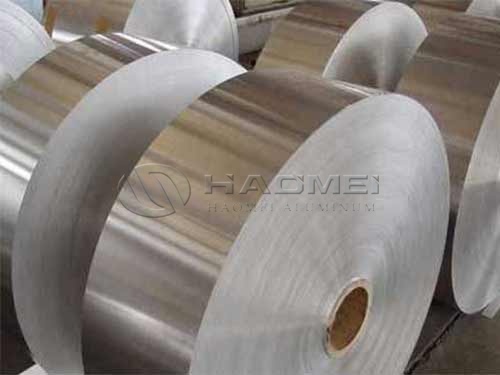
| Coil inner diameter | Usually 405 mm or 508 mm |
| Coil outer diameter | Determined by weight, handling equipment, and safe transport limits |
| Surface | Mill finish, stucco embossed, painted, protective-film laminated |
| Coating options | Polyester, SMP, PVDF, rear-side service coating |
| Edge condition | Slit edge or deburred edge according to forming requirements |
| Thickness tolerance | Agreed according to applicable material standard and order specification |
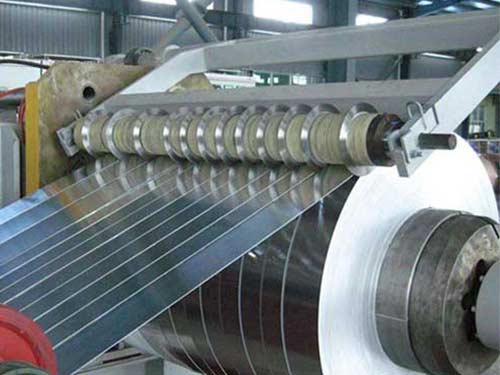
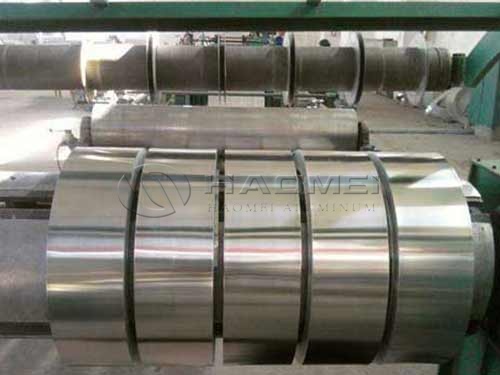
The right width can reduce scrap substantially. A coil slit precisely for a standing-seam pan or gutter profile means fewer secondary cuts, cleaner production flow, and less edge damage. For painted coils, protective film may be useful during fabrication, but it should be removed within the recommended period to prevent adhesive residue or uneven weathering.
Standards and Quality Controls
Aluminum strip coils for roofing may be produced and inspected according to ASTM B209 for aluminum sheet and strip, EN 485 for tolerances and mechanical properties, and EN 573 for aluminum alloy designation and chemical composition. For prepainted coil used in building applications, EN 1396 is often referenced for coating-related requirements. Regional building codes, wind-load rules, fire requirements, and project-specific roofing specifications must also be followed.
Material inspection commonly includes alloy verification, thickness measurement across coil width, width and camber control, tensile testing, elongation testing, surface inspection, coil shape assessment, and coating tests where applicable. Painted roofing coil may also require dry-film thickness checks, gloss measurement, pencil hardness, T-bend testing, impact resistance, adhesion testing, and salt-spray or humidity evaluation.
Installation Details That Protect the Coil
Even premium aluminum strip coil can fail early if installed beside incompatible materials. Direct contact with wet copper, untreated steel, or certain alkaline construction materials can create corrosion risks. Separating layers, compatible fasteners, proper drainage, and ventilated roof design help preserve the roofing system.
The finished roof should allow movement. Floating clips, expansion gaps, oversized fastening slots where appropriate, and correctly formed seams help aluminum panels respond safely to temperature changes. Good coil selection and good installation are not separate decisions; they work as one weather-resistant system.
For roofing manufacturers, aluminum strip coils offer a flexible route to durable, lightweight panels, trims, flashings, gutters, and seam profiles. When alloy chemistry, temper, paint system, dimensions, and forming conditions are matched to the real roof environment, the coil becomes a long-service building envelope rather than simply another raw material.