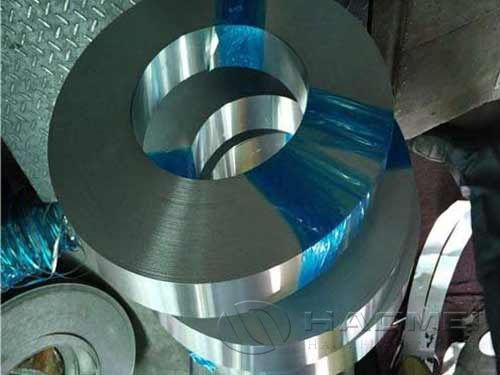
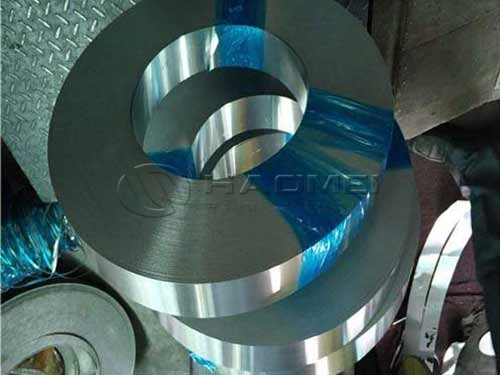
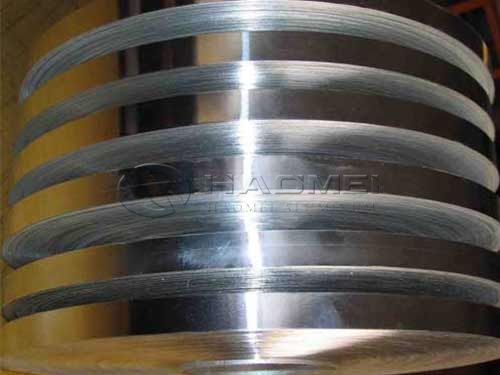
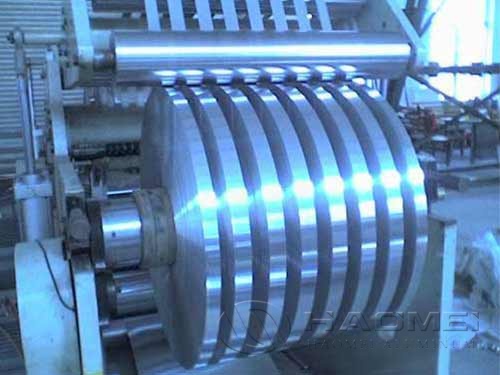
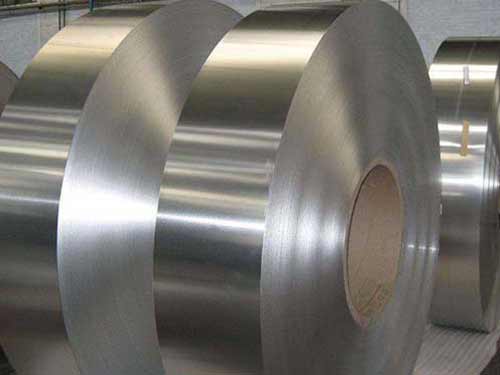
Aluminum Factory 6061 7075 5083 Aluminum Strip
Aluminum Factory 6061 7075 5083 Aluminum Strip: Choosing Metal by Its Working Character
Aluminum strip is often purchased by thickness, width and price, but inside a factory the material is judged by something more practical: how it behaves after slitting, forming, machining, welding, anodizing or exposure to salt air. 6061, 7075 and 5083 aluminum strip may look similar when wound into bright coils, yet each alloy carries a different working character. At Haomei Aluminum CO., LTD., Inc., the selection is treated less like buying a commodity and more like matching a material personality to the job it must survive.
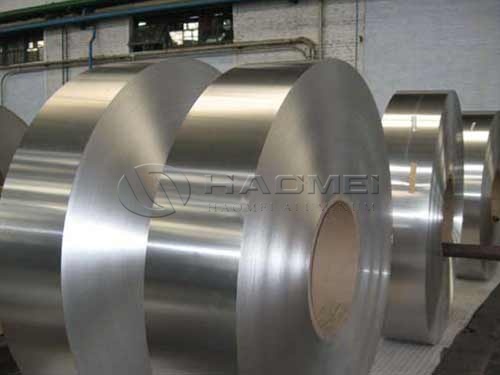
6061 aluminum strip is the balanced choice. It offers good strength, clean machinability, weldability and stable anodizing response. 7075 aluminum strip is the high-strength performer, valued where light weight and mechanical load matter more than welding convenience. 5083 aluminum strip belongs to the marine and cryogenic world, where corrosion resistance, toughness and non-heat-treatable stability are more important than peak hardness.
For customers already familiar with general Alloy Aluminum Strip, these three grades sit in the higher-performance range. They are used when ordinary soft aluminum strip cannot meet design requirements for strength, endurance or environmental resistance.
From Coil to Application
A strip coil is not just rolled aluminum. It is a controlled surface, edge, temper and tolerance package. When 6061 is used in mechanical parts, fixtures, brackets or electronic housings, flatness and burr control affect assembly speed. When 7075 is used in aerospace-related structures, sports equipment, precision components or high-load stamped parts, tensile strength and stress control become decisive. When 5083 is used for shipbuilding parts, LNG equipment, truck bodies, pressure vessels or welded assemblies, corrosion resistance and weld-zone reliability matter most.
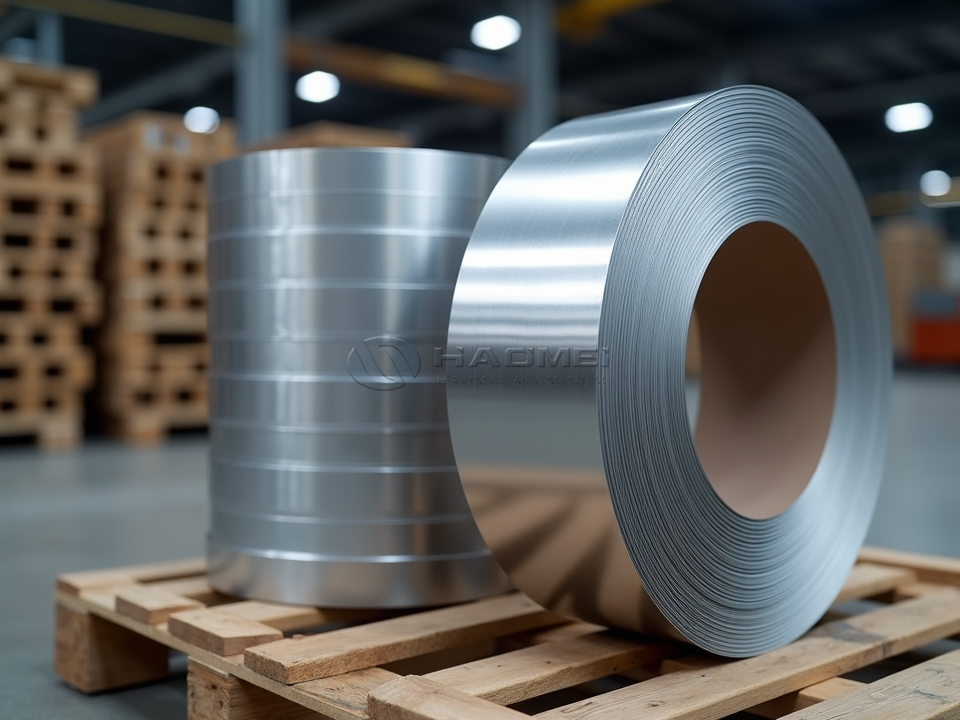
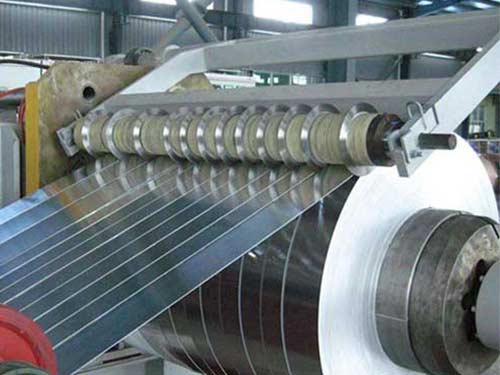
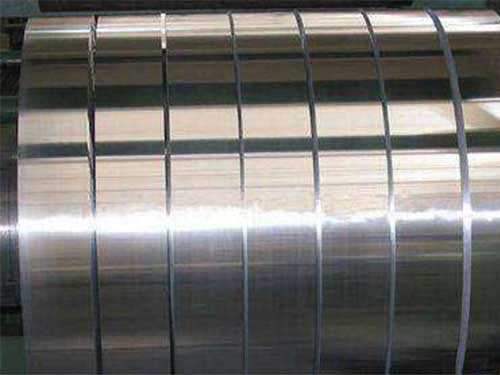
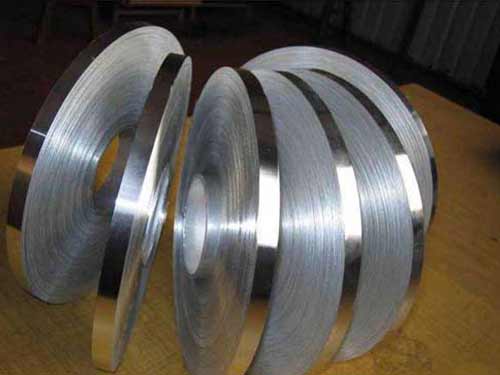
Typical factory supply conditions include mill finish, degreased surface, interleaved paper on request, dry or light-oiled surface, slit edge, deburred edge or rounded edge depending on downstream processing. Narrow strip can be supplied for stamping, fin stock conversion and cable armoring, while wider strip can be used for rolling, cutting, forming or fabrication.
Common Supply Parameters
| Item | Typical Range or Condition |
|---|---|
| Alloy | 6061, 7075, 5083 aluminum strip |
| Thickness | 0.20 mm to 6.00 mm, custom range on request |
| Width | 10 mm to 1600 mm depending on alloy and temper |
| Coil inner diameter | 300 mm, 405 mm, 505 mm or customized |
| Coil weight | 0.5 MT to 8 MT, according to width and logistics plan |
| Surface | Mill finish, brushed, anodizing quality on request |
| Edge condition | Slit edge, trimmed edge, burr-controlled edge |
| Tolerance | ASTM, EN or agreed commercial tolerance |
| Packaging | Eye-to-sky or eye-to-wall coil, moisture-proof export packing |
These parameters should be confirmed together because a strong alloy in the wrong temper or with unsuitable edge condition can create processing loss. For example, 7075-T6 may be excellent for machined strength but too hard for deep forming. 5083-H116 is reliable for marine service, while a softer 5083-O may be easier to bend.
Implementation Standards
6061, 7075 and 5083 aluminum strip can be produced and inspected under widely used international standards. Common references include ASTM B209/B209M for aluminum and aluminum-alloy sheet and plate, EN 485 for sheet, strip and plate mechanical properties and tolerances, EN 573 for chemical composition, JIS H4000 for Japanese industrial material requirements, and AMS or aerospace-related specifications when required by special projects.
In commercial purchasing, the standard should not be treated as a decorative line on a quotation. It defines composition limits, tensile testing, elongation, dimensional tolerance, surface acceptability and documentation. Mill test certificates can include alloy, temper, thickness, width, coil number, chemical composition, mechanical properties and inspection results.
Alloy Tempering Conditions
| Alloy | Common Tempers | Practical Meaning |
|---|---|---|
| 6061 | O, T4, T6, T651 | O is soft for forming, T4 has solution heat treatment with natural aging, T6 gives higher strength, T651 improves stress relief for machining stability |
| 7075 | O, T6, T73, T76 | O supports forming, T6 offers very high strength, T73 improves stress corrosion resistance, T76 balances strength and corrosion behavior |
| 5083 | O, H111, H112, H116, H321 | Non-heat-treatable alloy; strength comes from strain hardening and controlled processing, with H116 and H321 favored for marine exposure |
6061 and 7075 are heat-treatable alloys. Their final properties depend strongly on solution treatment, quenching and aging. 5083 is different. It cannot be strengthened by heat treatment in the same way; it gains strength through work hardening. This distinction is important for welding, forming and final service behavior.
Chemical Properties Table
| Alloy | Si | Fe | Cu | Mn | Mg | Cr | Zn | Ti | Al |
|---|---|---|---|---|---|---|---|---|---|
| 6061 | 0.40-0.80 | <=0.70 | 0.15-0.40 | <=0.15 | 0.80-1.20 | 0.04-0.35 | <=0.25 | <=0.15 | Balance |
| 7075 | <=0.40 | <=0.50 | 1.20-2.00 | <=0.30 | 2.10-2.90 | 0.18-0.28 | 5.10-6.10 | <=0.20 | Balance |
| 5083 | <=0.40 | <=0.40 | <=0.10 | 0.40-1.00 | 4.00-4.90 | 0.05-0.25 | <=0.25 | <=0.15 | Balance |
The chemistry explains the behavior. Magnesium and silicon make 6061 responsive to heat treatment and suitable for general engineering use. Zinc, magnesium and copper give 7075 its exceptional strength, but also require careful control against stress corrosion in demanding environments. High magnesium content gives 5083 excellent resistance to seawater and strong welded performance.
How to Choose Between 6061, 7075 and 5083
Choose 6061 aluminum strip when the project needs a strong but still practical material for machining, welding, drilling, bending within reasonable limits and anodizing. It is often selected for equipment panels, structural strips, frames, brackets, electrical parts and transport components.
Choose 7075 aluminum strip when strength-to-weight ratio is the central requirement. It is suitable for aircraft fittings, high-strength mechanical parts, precision tooling, performance bicycle components, mold-related parts and loaded structural elements. It is less suitable for common welding work, so mechanical fastening or machining is often preferred.
Choose 5083 aluminum strip when the product must face moisture, salt spray, low temperature or welded fabrication. It is widely considered a dependable marine aluminum alloy. If a customer is comparing it with 5052 Aluminum Strip, 5083 normally offers higher strength and stronger marine-grade performance, while 5052 may be easier to form in some applications.
Factory Control That Customers Can Feel
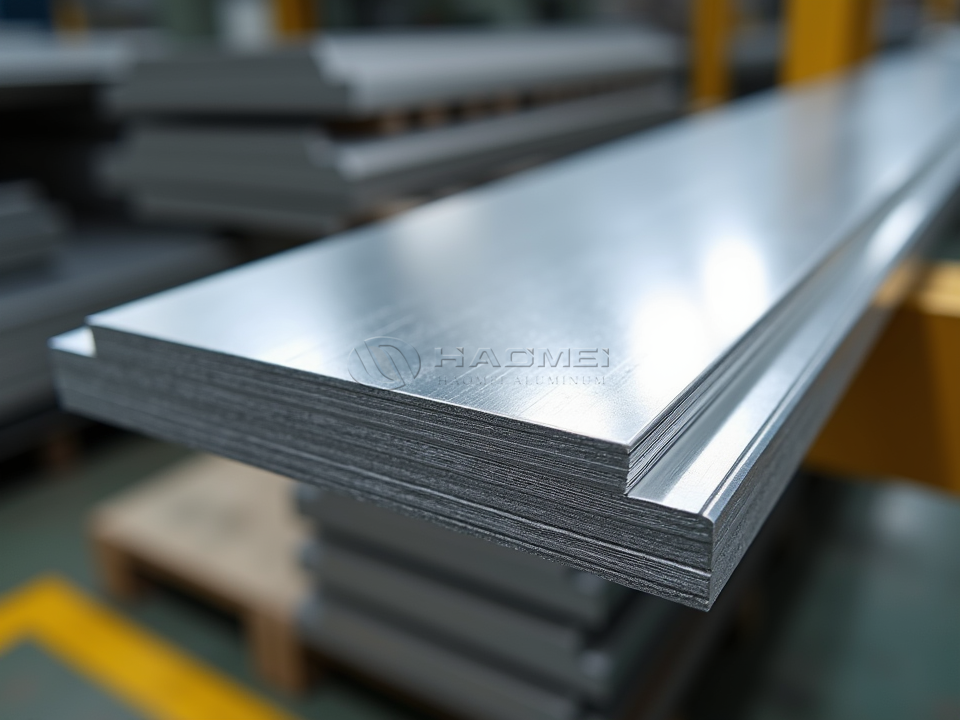
The best aluminum strip is noticed during processing because it causes fewer interruptions. Stable thickness helps stamping dies run smoothly. Consistent width prevents feeding deviation. Controlled burr reduces tool wear and protects operators. Proper coil tension avoids telescoping and loose winding. Surface cleanliness improves anodizing, coating and bonding.
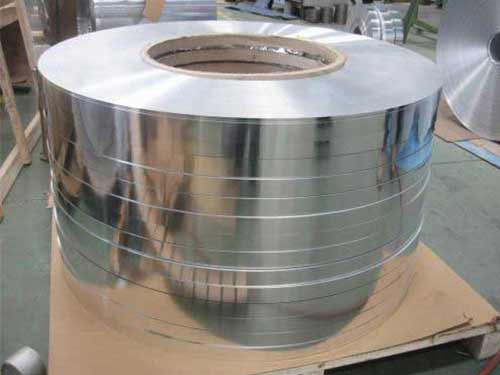
Packaging also matters. Export aluminum strip should be protected with moisture-proof film, anti-rust paper when required, sturdy wooden pallets or cases, corner protection and clear labels. For long-distance shipment, coil stability is as important as alloy grade because edge damage can waste the first meters of every coil.
When customers order Aluminum Factory 6061 7075 5083 Aluminum Strip, the smartest specification includes alloy, temper, thickness, width, tolerance, coil ID, coil weight, edge type, surface requirement, standard, packing method and final application. With that information, the factory can recommend whether 6061-T6, 7075-T73, 5083-H116 or another condition will perform better in real production.
In the end, aluminum strip selection is a conversation between chemistry and application. 6061 brings balance, 7075 brings strength, and 5083 brings endurance in harsh environments. A capable factory turns those differences into coils that are easier to process, safer to use and better matched to the customer's final product.