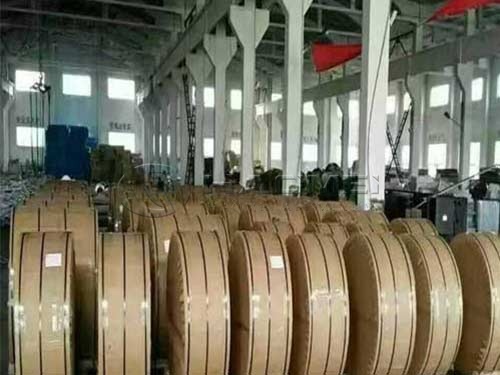
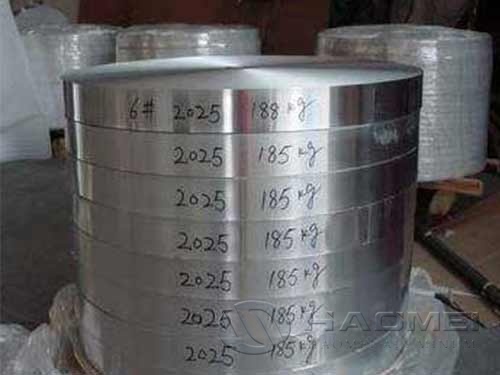
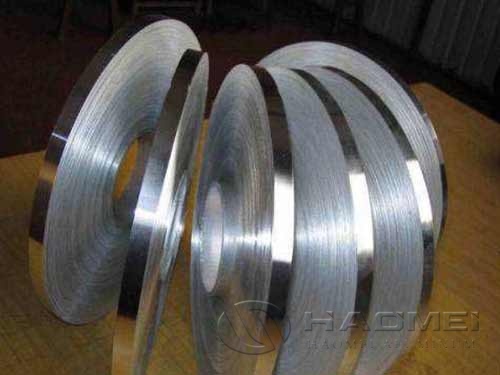
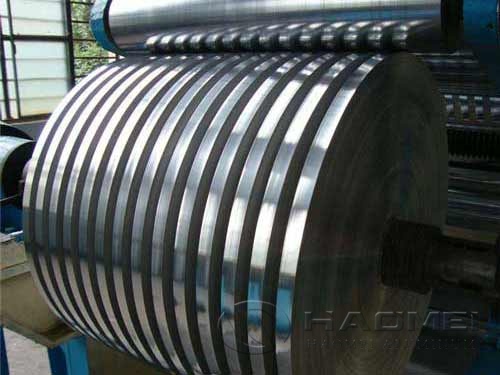
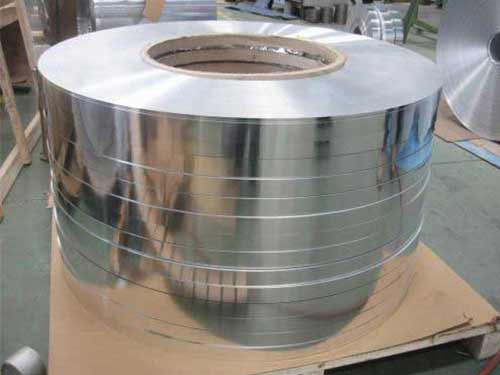
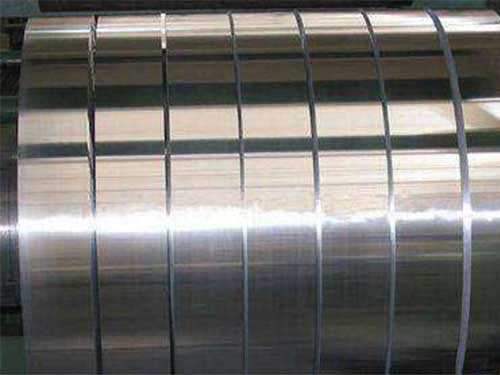
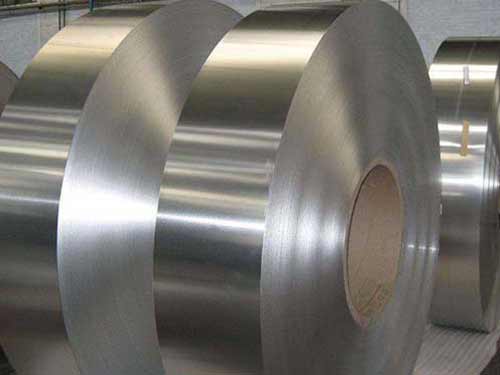
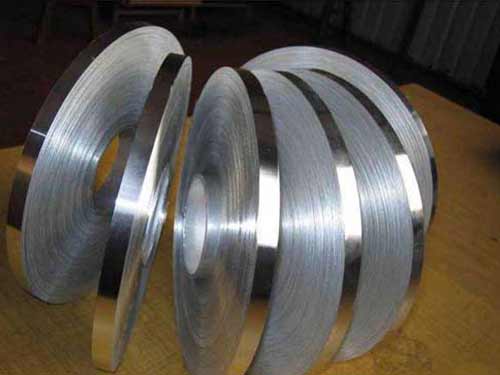
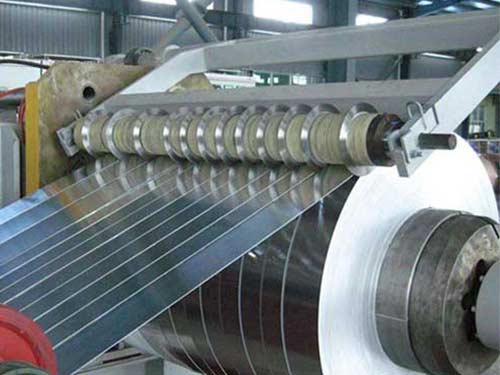
Alu Strip Coil Embossed Aluminum Sheet Coil
Alu strip coil and embossed aluminum sheet coil are lightweight, corrosion-resistant materials designed for applications where surface durability, appearance, and handling safety matter. Produced from aluminum coils that are rolled, slit, and mechanically embossed, these products offer a raised pattern that improves rigidity while creating a clean industrial finish.
Compared with plain aluminum sheet, embossed material has a more practical surface. The texture can reduce glare, hide minor scratches, increase grip, and improve resistance to small dents during storage, transport, and installation. It is widely used in thermal insulation jacketing, decorative panels, vehicle flooring, appliance covers, architectural trim, and equipment enclosures.
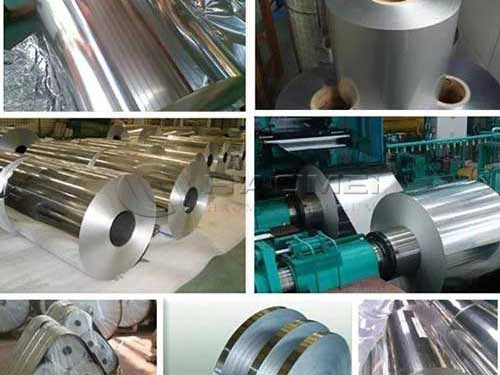
Surface Texture That Works Beyond Appearance
Embossing is created by passing aluminum sheet or strip through patterned rolls under controlled pressure. The resulting surface may feature stucco, orange-peel, diamond, five-bar tread, hammer, or customized patterns. Each pattern provides a different balance of visual style, friction, formability, and panel stiffness.
Stucco embossed aluminum is particularly popular for insulation cladding. Its fine textured surface reduces visible waviness and gives pipe, tank, and duct jackets a professional appearance. Diamond and tread patterns are selected where slip resistance is needed, such as steps, vehicle decks, work platforms, and protective flooring. Fine orange-peel textures are often specified for appliance panels, decorative facings, and fabricated housings.
The embossed surface also helps conceal handling marks that may be obvious on mill-finish aluminum. This advantage is valuable for coils processed into long cladding bands, narrow trims, and exposed industrial panels.
Available Material Specifications
Alu strip coil can be supplied in a broad range of alloy grades, tempers, widths, thicknesses, and surface conditions. The final selection should reflect the forming method, service environment, strength requirement, and required finish.
| Parameter | Typical Range or Option |
|---|---|
| Alloy series | 1xxx, 3xxx, 5xxx, 8xxx aluminum alloys |
| Common grades | 1050, 1060, 1100, 3003, 3004, 3105, 5052, 5754, 8011 |
| Thickness | 0.20 mm to 3.00 mm, subject to alloy and pattern |
| Strip width | 20 mm to 1,600 mm |
| Coil inner diameter | 150 mm, 300 mm, 405 mm, 505 mm, or as required |
| Temper | O, H12, H14, H16, H18, H22, H24, H26, H32 |
| Surface | Mill finish, embossed, color coated, anodized, laminated |
| Pattern options | Stucco, orange peel, diamond, five-bar tread, custom texture |
| Edge condition | Mill edge, slit edge, deburred edge |
| Coil weight | Customized to processing equipment and transport requirements |
For high-formability insulation products, 1050 / 1060 Aluminum Strip provides excellent workability, thermal conductivity, and natural corrosion resistance. These grades are easy to bend, roll, crimp, and profile around cylindrical surfaces.
For environments with higher moisture exposure, mechanical demand, or potential chemical contact, 5xxx-series alloys can provide stronger performance. 5052 Aluminum Strip is widely selected for marine-adjacent equipment, vehicle components, protective covers, and fabricated panels requiring good strength with dependable corrosion resistance.
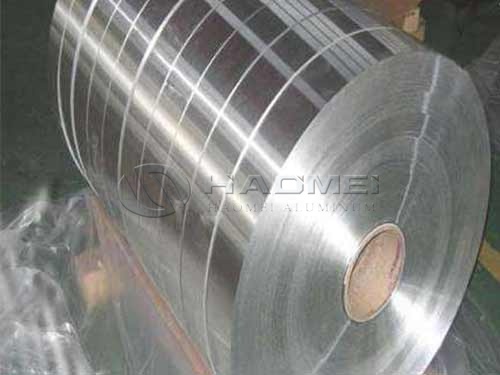
Typical Chemical Composition
The chemical composition of aluminum strip coil determines corrosion behavior, strength, weldability, and forming response. Values vary according to the applicable alloy standard and production specification.
| Alloy | Main Alloying Elements | Typical Characteristics |
|---|---|---|
| 1050 | Aluminum minimum 99.5% | High ductility, bright surface, excellent conductivity |
| 1060 | Aluminum minimum 99.6% | Soft forming behavior and strong corrosion resistance |
| 1100 | Aluminum minimum 99.0% | Good weldability and general fabrication performance |
| 3003 | Manganese | Improved strength for insulation, roofing, and sheet metal work |
| 3105 | Manganese, magnesium | Suitable for painted sheet and building-related products |
| 5052 | Magnesium, chromium | Strong corrosion resistance and medium strength |
| 5754 | Magnesium | Good fatigue resistance and suitability for transport parts |
| 8011 | Iron, silicon | Common choice for packaging and general-purpose coil products |
Performance Benefits in Daily Use
Embossed aluminum sheet coil offers an efficient material solution because it combines low density with long service life. Aluminum weighs far less than steel, helping reduce the dead load of cladding systems, vehicles, and modular structures. This can simplify handling on site and lower the burden on supporting frames.
Its natural oxide film protects the metal against normal atmospheric corrosion. For more demanding locations, such as coastal areas, chemical plants, food facilities, or humid utility rooms, alloy selection and surface treatment can be adjusted to improve performance. Color coating, anodizing, protective film, and laminated finishes may be used when decorative durability or added barrier protection is required.
The embossed profile contributes additional stiffness without requiring a major increase in thickness. This allows fabricators to obtain a more stable panel while controlling material consumption. The patterned surface also reduces direct reflection, which is beneficial for bright outdoor cladding and machine guards installed under strong factory lighting.
Applications Across Industrial and Commercial Sectors
In insulation systems, embossed aluminum strip coil is formed into weatherproof jackets for pipes, storage tanks, vessels, valves, elbows, ducts, and HVAC equipment. It protects insulation materials from rain, dust, ultraviolet exposure, and mechanical contact while making maintenance areas look orderly.
In transportation, tread-pattern aluminum coil is processed into floor panels, trailer interiors, toolboxes, protective linings, stair treads, and cargo-area covers. Its low weight supports fuel-saving design, while the textured face provides better footing in wet or dusty conditions.
Architectural users apply embossed aluminum sheet coil to wall panels, ceilings, curtain-wall accents, roofing accessories, fascia boards, shutters, column covers, and decorative trims. Fine patterns give a modern metallic appearance and can mask small surface imperfections created during installation.
Manufacturers of appliances and equipment use embossed coil for refrigerator back panels, heat shields, cabinet liners, machinery covers, lamp housings, electrical enclosures, and ventilation components. The material can be cut, bent, stamped, riveted, bonded, and formed according to the part design.
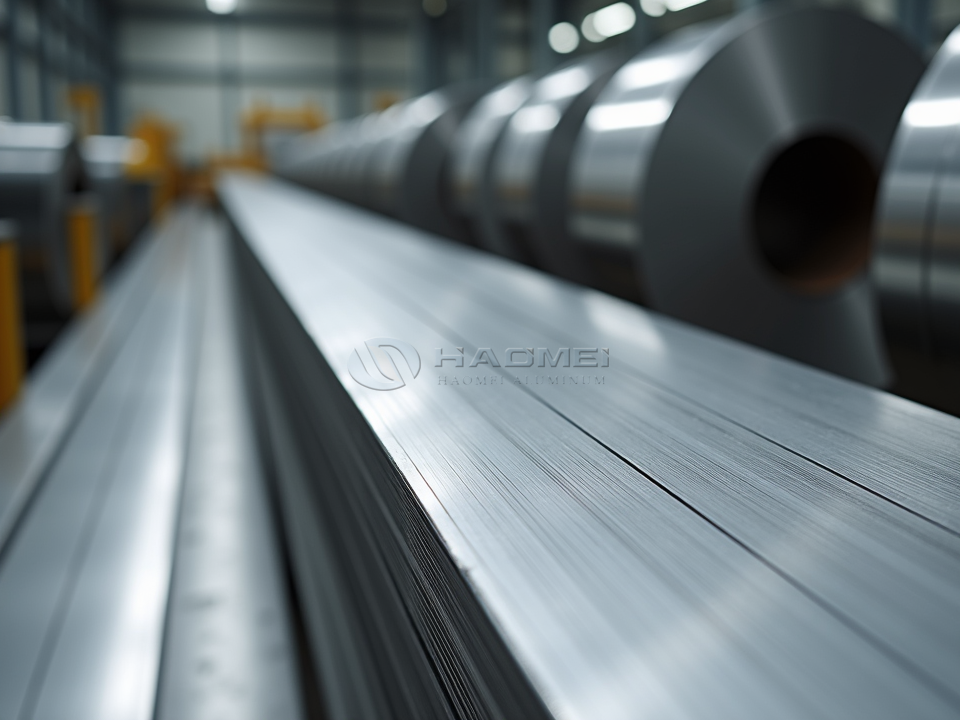
Processing and Quality Considerations
Reliable embossed aluminum coil begins with stable base-sheet thickness and controlled rolling. Uniform emboss depth is important because irregular texture can affect appearance, forming results, and panel fit. Slitting should produce clean edges with minimal burr, especially when strips will be wound, stamped, or used near insulation materials.
Before ordering, customers should confirm alloy, temper, thickness tolerance, width tolerance, emboss pattern, coil direction, inner diameter, outer diameter, and packaging method. Protective film is recommended for exposed decorative surfaces or parts that will undergo multiple handling stages. For insulation jacketing, moisture-resistant packaging and secure coil wrapping help preserve surface quality during transport and warehouse storage.
Alu strip coil embossed aluminum sheet coil delivers a practical combination of texture, strength, lightweight construction, and long-term corrosion resistance. With the right alloy and pattern, it can serve equally well as a protective industrial jacket, a safe walking surface, a durable transport component, or an attractive architectural finish.